


Recruitment Life Cycle Powerpoint Presentation Slides
Unveil a captivating presentation with our recruitment life cycle PowerPoint presentation slides. This appointment lifetime PPT deck involves- executive summary, sources, tracker, key management, current vacancies, budget, departments and themes, and a lot more. Giving you a background check of the company, this PowerPoint template mentions the previous line of services as well as all the potential capabilities that can result in a major profit shift of the organization. This contracting cycle PPT bundle also picturises the top tier as well as the subordinate management of the enterprise for the audience to learn the entire hierarchy. Presenting a clear visualization of the services, this hiring process PowerPoint template attracts a major number of clients into the organization. Current vacancies, recruitment process, recruitment sources, job descriptions, etc, are clearly depicted in this enrollment life cycle creative PPT set which makes it stand out of the box. Install it now to make your graphical presentation one of a kind.
Unveil a captivating presentation with our recruitment life cycle PowerPoint presentation slides. This appointment lifetime..














-

- Google Slides is a new FREE Presentation software from Google.
- All our content is 100% compatible with Google Slides.
- Just download our designs, and upload them to Google Slides and they will work automatically.
- Amaze your audience with SlideTeam and Google Slides.
-

Want Changes to This PPT Slide? Check out our Presentation Design Services
-

- WideScreen Aspect ratio is becoming a very popular format. When you download this product, the downloaded ZIP will contain this product in both standard and widescreen format.
-

- Some older products that we have may only be in standard format, but they can easily be converted to widescreen.
- To do this, please open the SlideTeam product in Powerpoint, and go to
- Design ( On the top bar) -> Page Setup -> and select "On-screen Show (16:9)” in the drop down for "Slides Sized for".
- The slide or theme will change to widescreen, and all graphics will adjust automatically. You can similarly convert our content to any other desired screen aspect ratio.
Compatible With Google Slides

Get This In WideScreen
You must be logged in to download this presentation.


Do you want to remove this product from your favourites?
PowerPoint presentation slides
Presenting our recruitment life cycle PowerPoint presentation slide. This PPT layout holds a total of forty one slides and each slide is accessible in standard as well as wide-screen formats. It is completely editable as per your requirements and preferences as well. You can use it with Microsoft Office, Google slides and many other presentation software.

People who downloaded this PowerPoint presentation also viewed the following :
Content of this Powerpoint Presentation
Slide 1: This slide showcases Recruitment Life Cycle. State Your company name and proceed
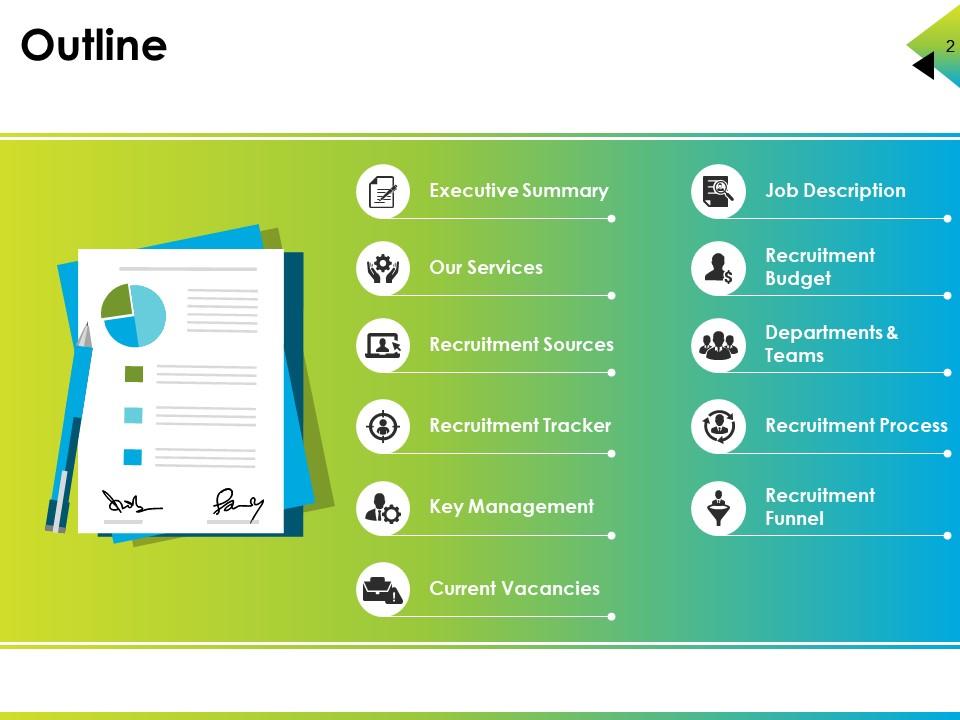
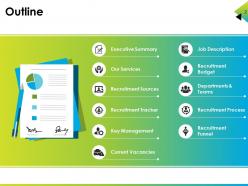
Slide 2: This slide shows Outline with these important storyline- Executive Summary, Key Management, Our Services, Current Vacancies, Recruitment Tracker, Recruitment Sources, Departments & Teams, Recruitment Process, Job Description, Recruitment Funnel, Recruitment Budget.
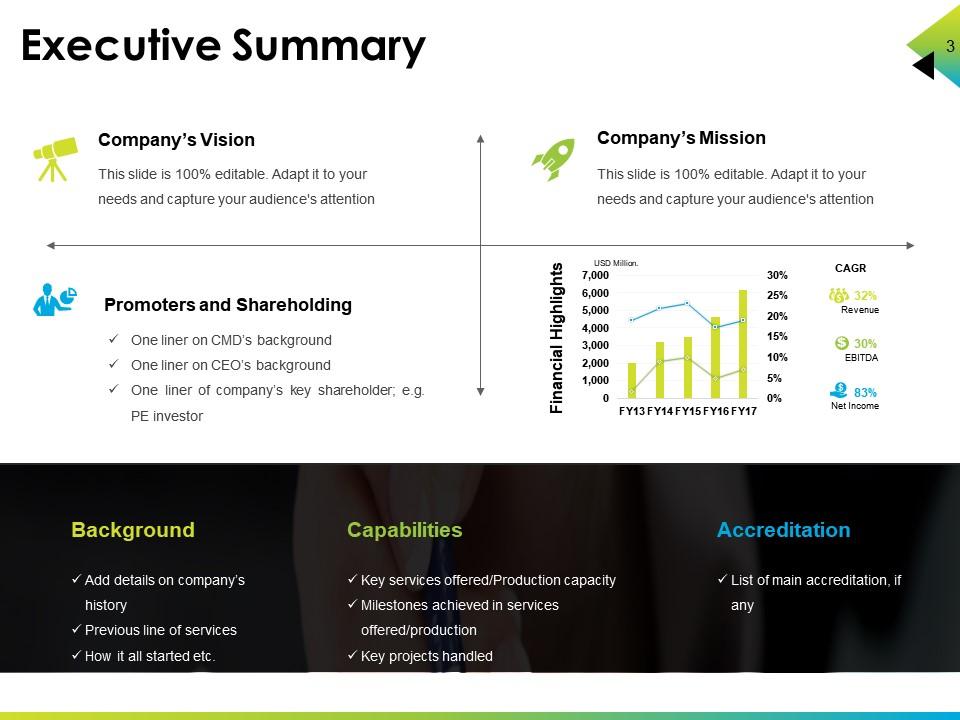
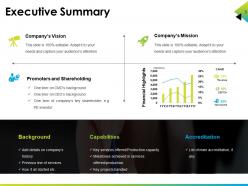
Slide 3: This slide presents Executive Summary showing these amin headings- Background, Capabilities, Accreditation, Financial Highlights, Promoters and Shareholding, Company’s Mission, Company’s Vision.
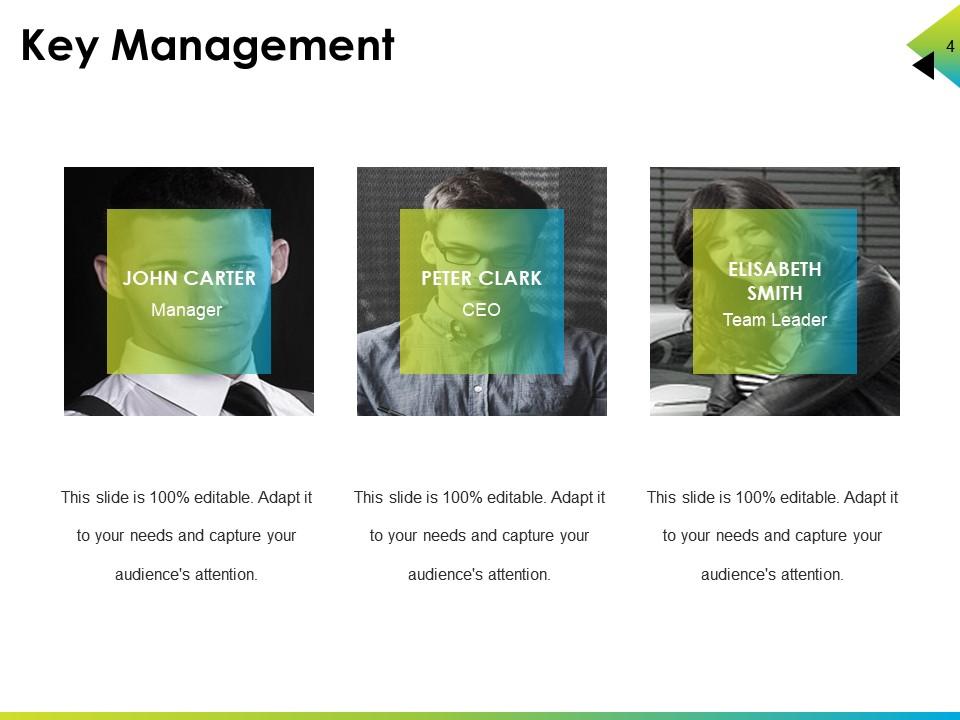
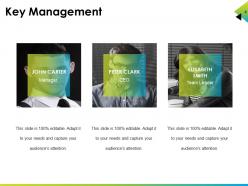
Slide 4: This slide shows Key Management. You can add your comapany management names with designations.
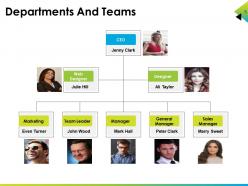
Slide 5: This slide presents Departments And Teams. You can add the information of your company.
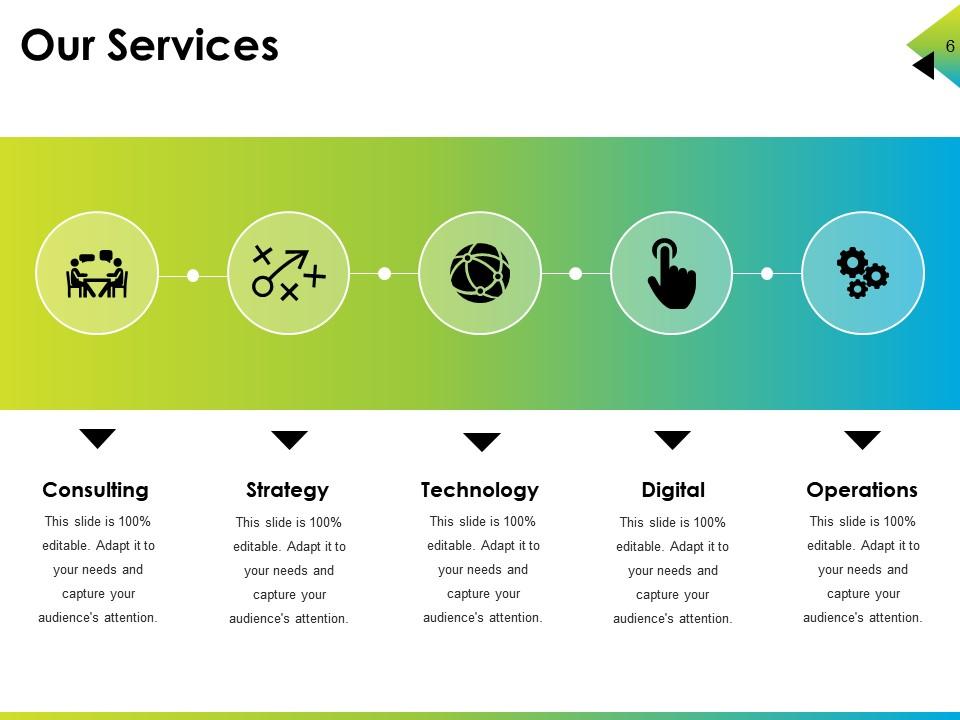
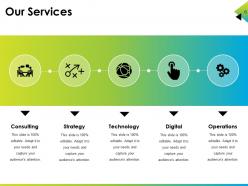
Slide 6: This slide shows Our Services with these categories- Consulting, Strategy, Technology, Digital, Operations.
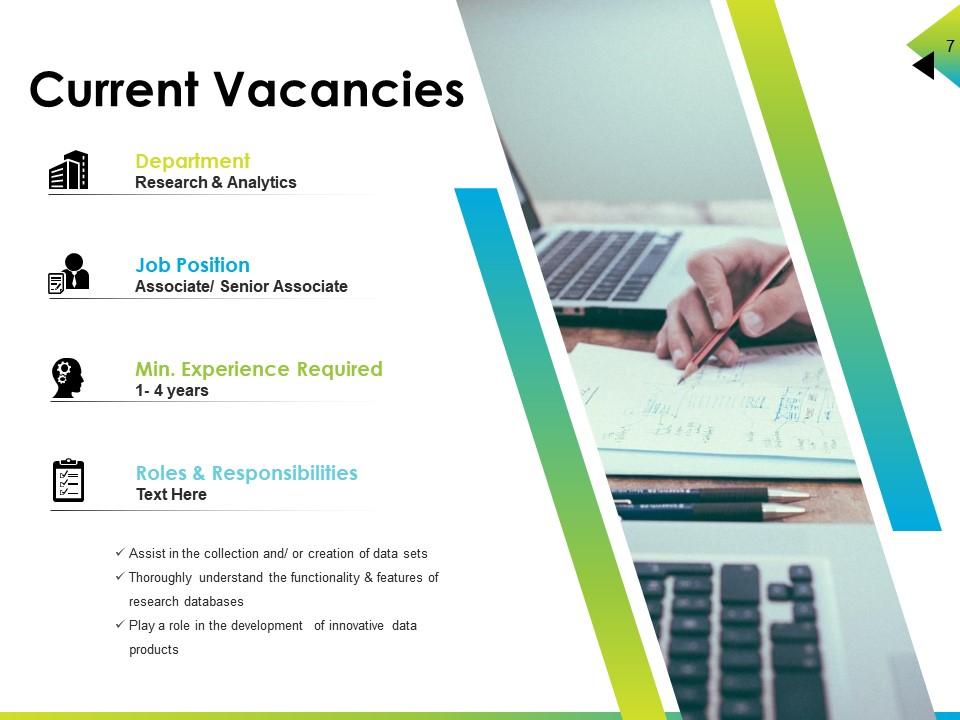
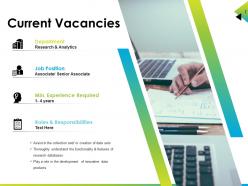
Slide 7: This slide showcases Current Vacancies and also includes these parameters- Department, Min. Experience Required, Roles & Responsibilities, Job Position.
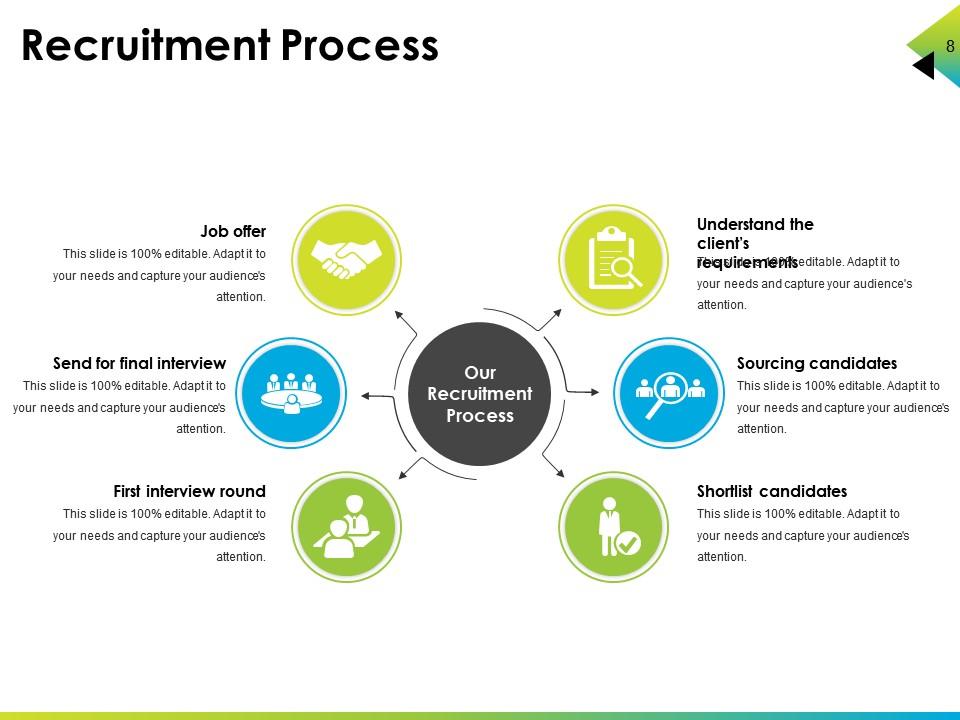
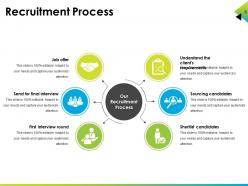
Slide 8: This slide shows Recruitment Process with these mentioned parameters- Understand the client’s requirements, Sourcing candidates, Shortlist candidates, First interview round, Send for final interview, Job offer.
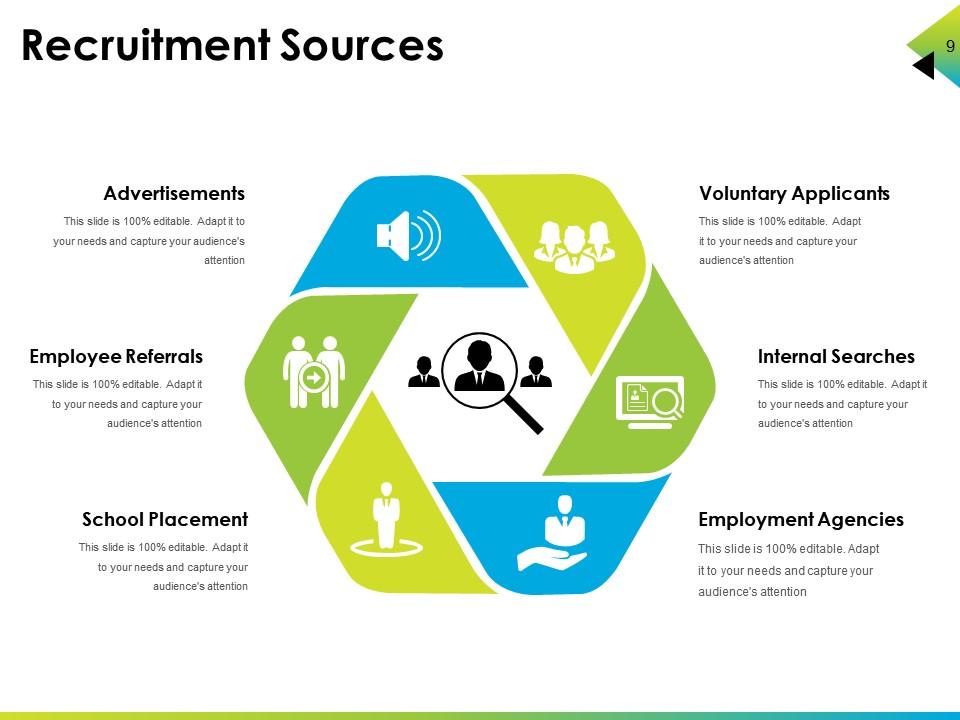
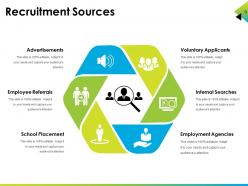
Slide 9: This slide presents Recruitment Sources with these six stages- Internal Searches, Voluntary Applicants, Employment Agencies, School Placements, Employee Referrals, Advertisements.
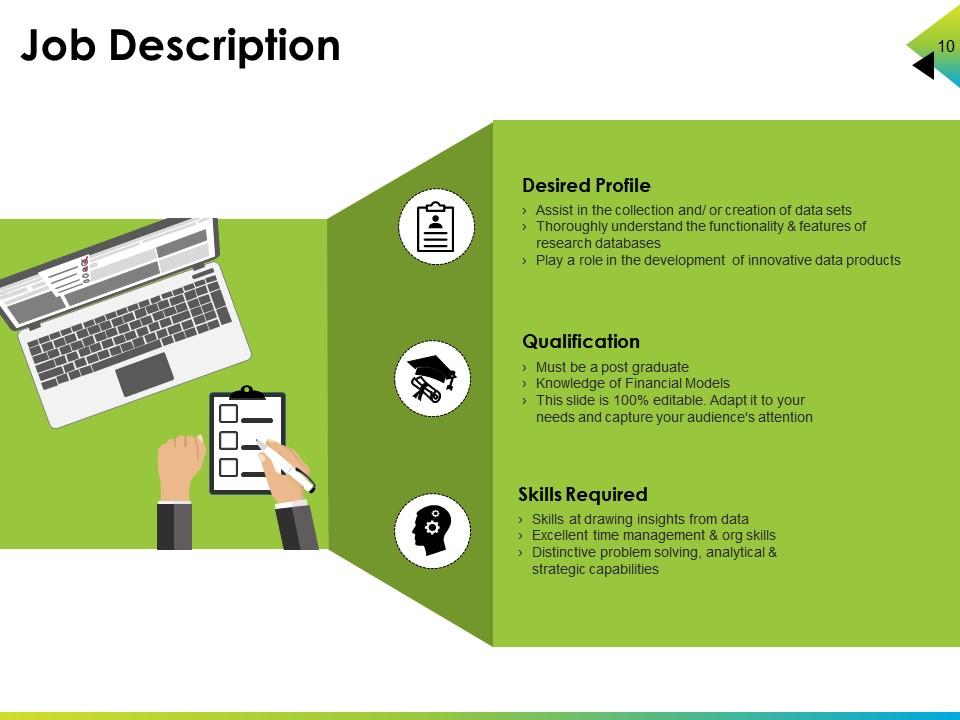
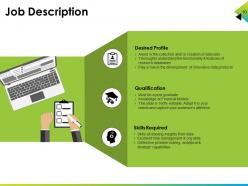
Slide 10: This slide presents Job Description which further guide you to add more information about- Desired Profile, Qualification, Skills Required.
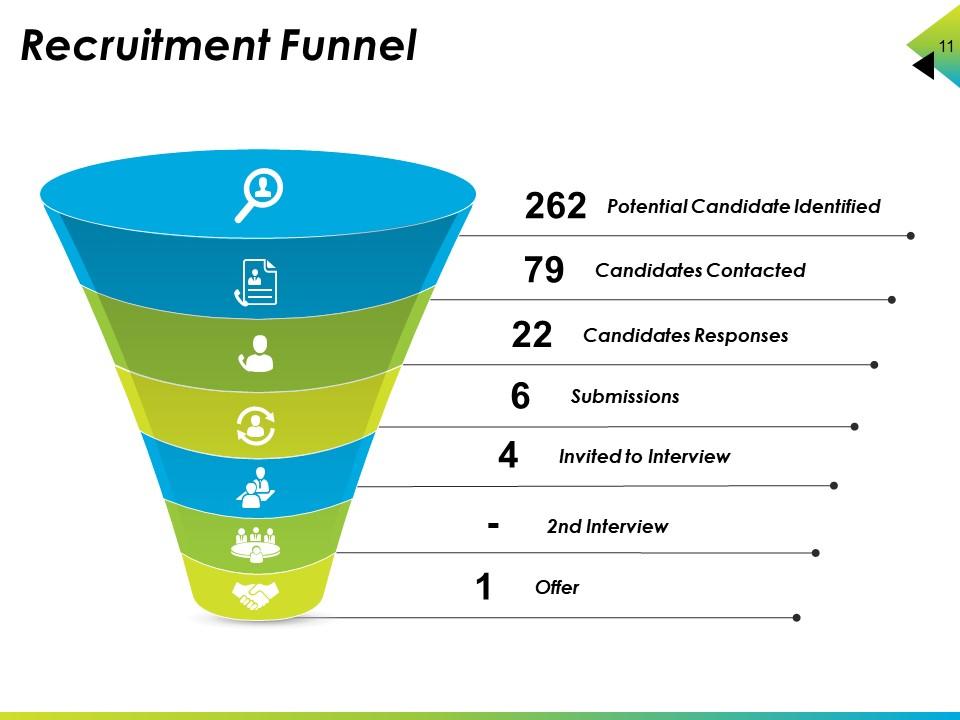
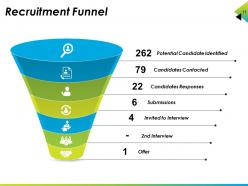
Slide 11: This slide shows Recruitment Funnel with these important factors to note- Potential Candidate Identified, Candidates Contacted, Candidates Responses, Submissions, Invited to Interview, Offer, 2nd Interview.
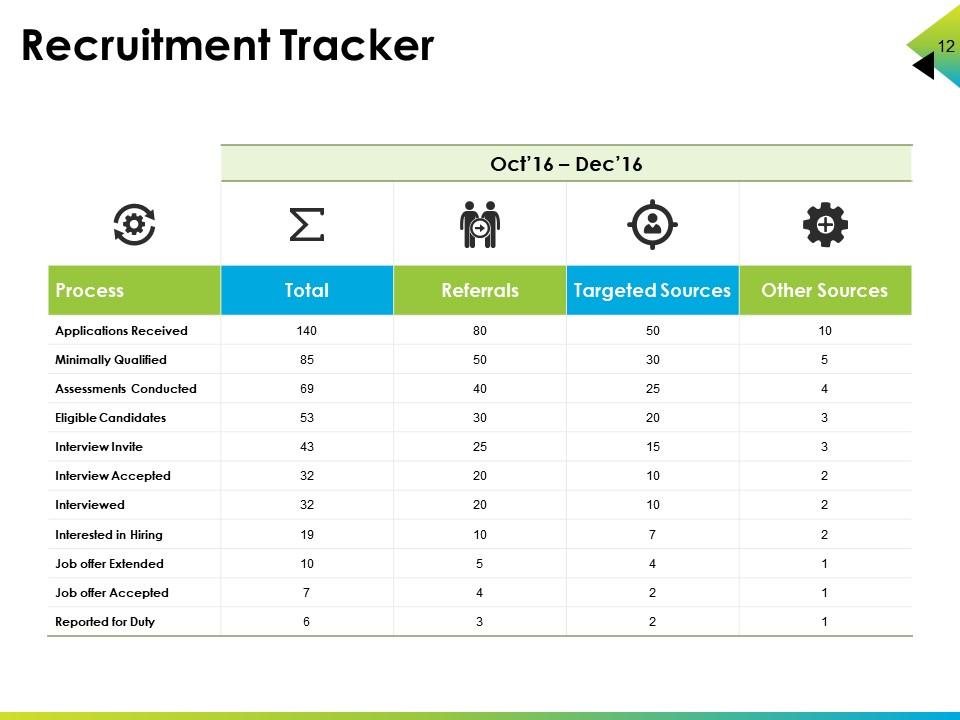
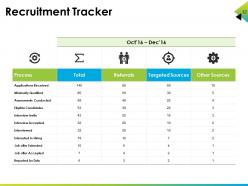
Slide 12: This slide shows Recruitment Tracker. You can add the data for the requirement or hiring processes.
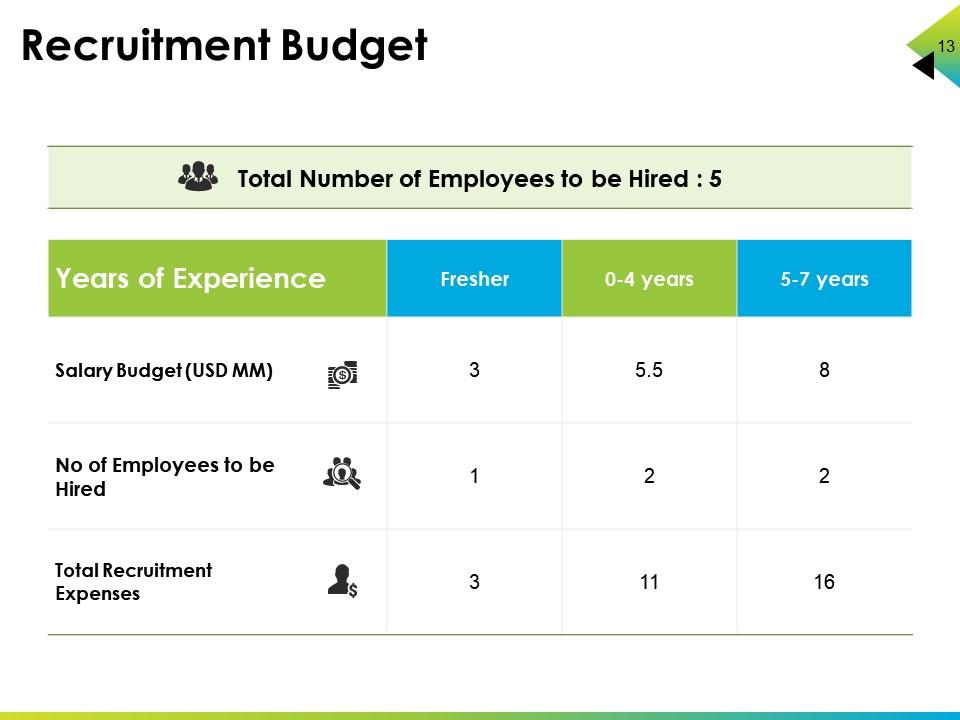
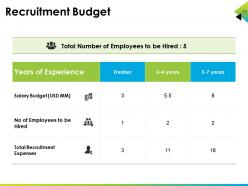
Slide 13: This slide guide you to add the Recruitment Budget and also add the data as per your requirement.
Slide 14: This slide shows Coffee Break image.
Slide 15: This slide displays the title Charts & Graphs.
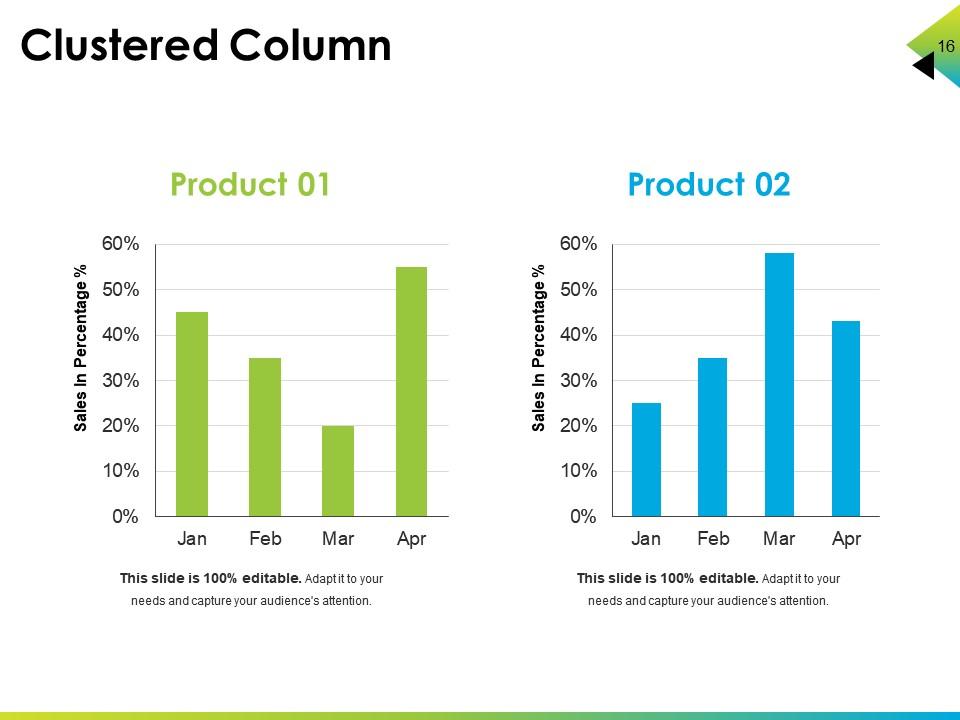
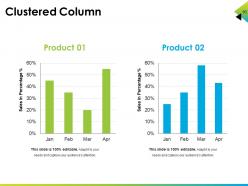
Slide 16: This slide shows Clustered Column with a graph you can compare the product.
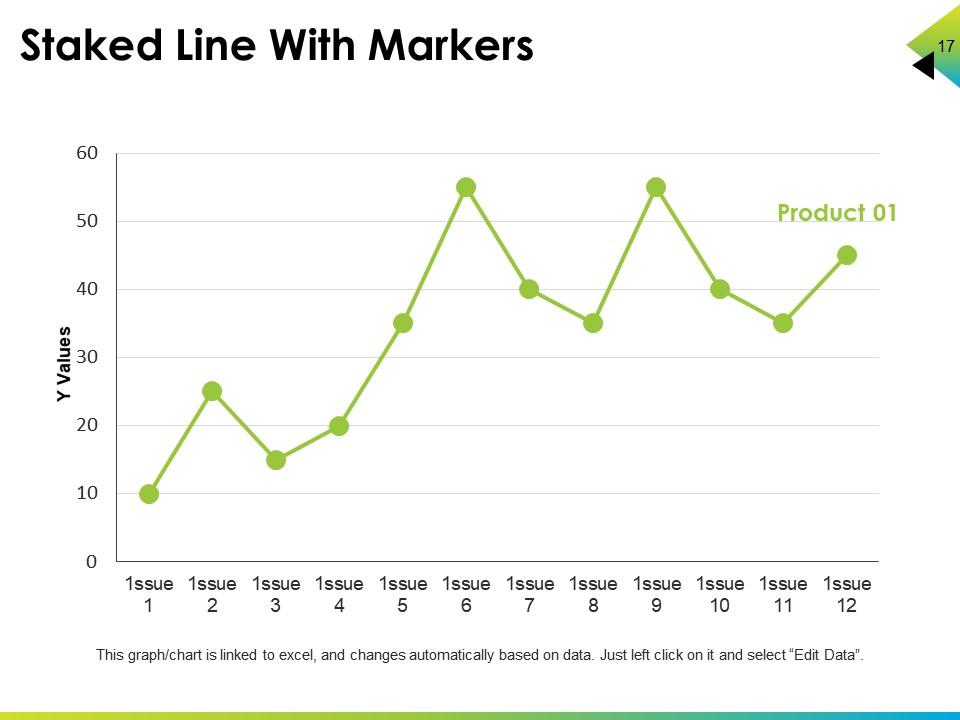
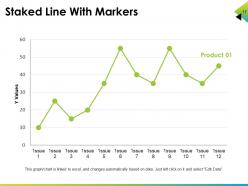
Slide 17: This slide shows a Stacked Line graph in terms of percentage and years for comparison of Product 01, Product 02, Product 03 etc.
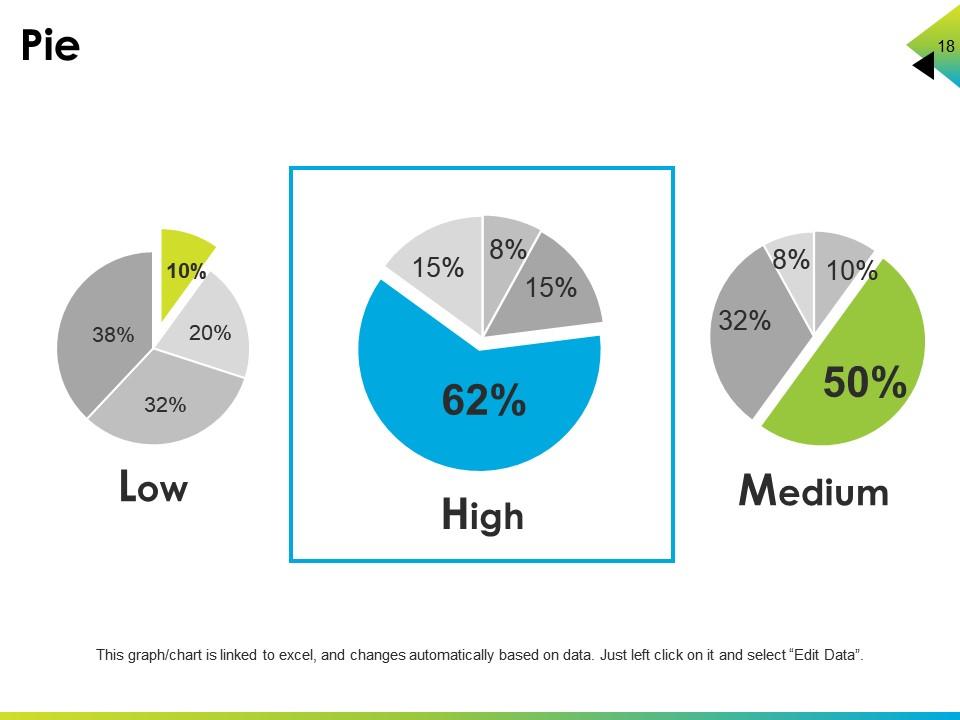
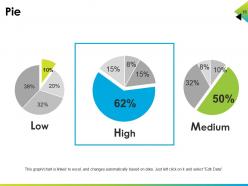
Slide 18: This slide presents a pie chart . You can analyse the product or company through it.
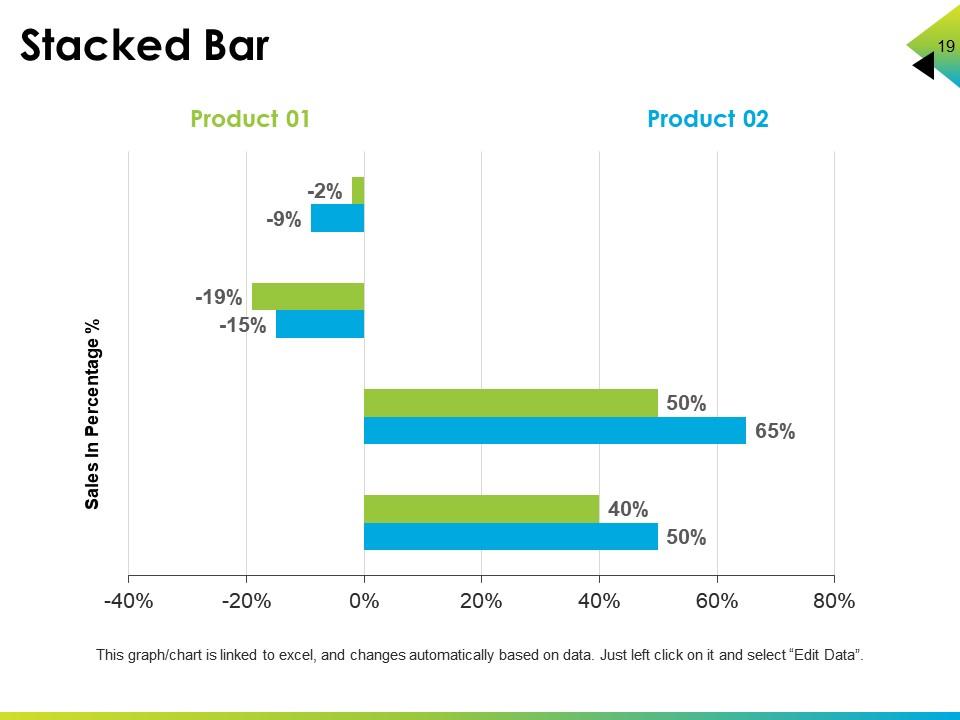
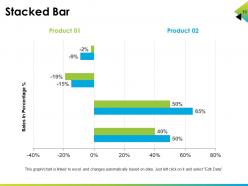
Slide 19: This slide shows Stacked Bar with which you can analyse the sales of the product and compare it.
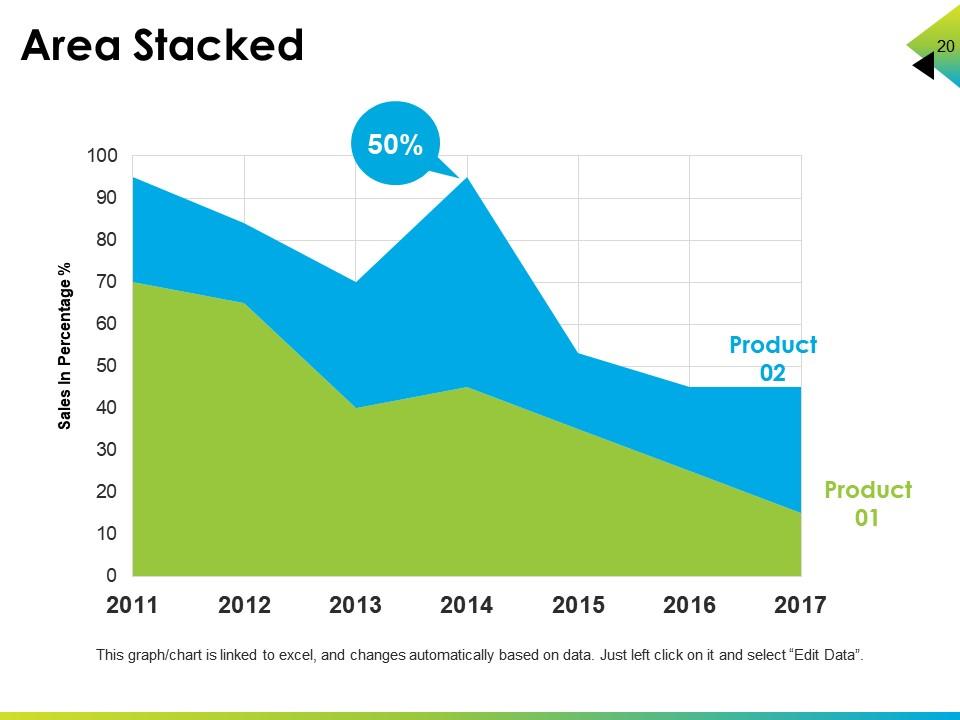
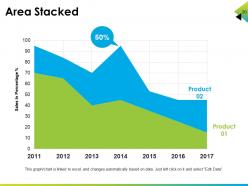
Slide 20: This slide showcases Area Stacked with which you can analyse the data and compare products.
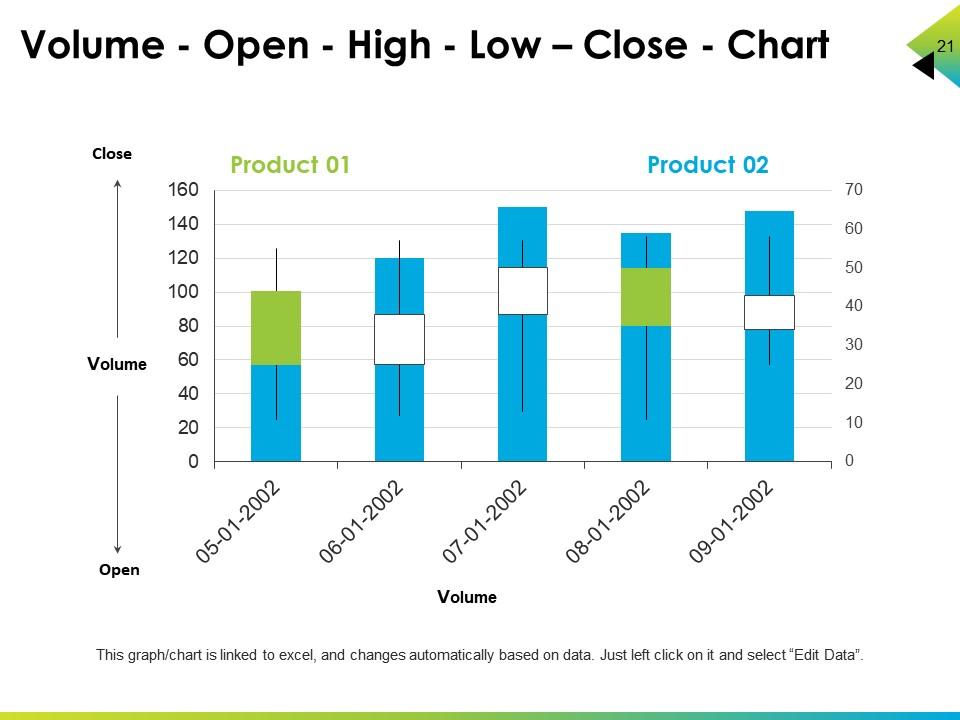
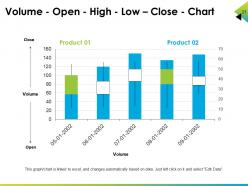
Slide 21: This slide displays a Stock Chart with volume as parameter in terms of high and low, open and close.
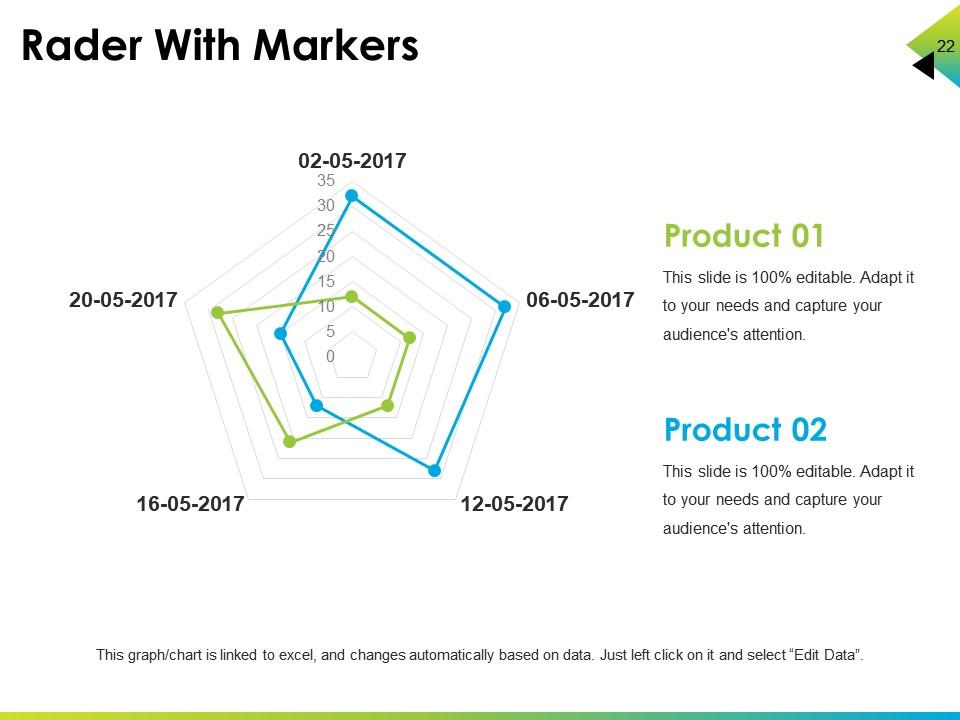
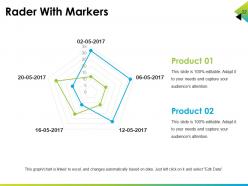
Slide 22: This slide presents a Radar Chart graph/chart. Compare Product 01, Product 02 and use as per required.
Slide 23: This slide is titled Additional Slides.
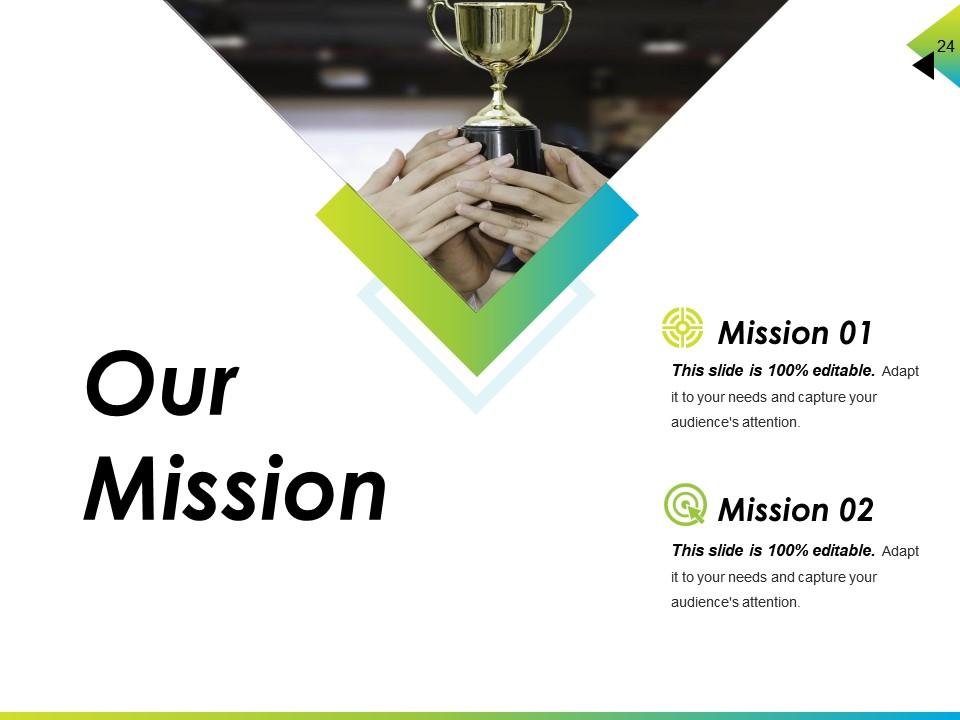
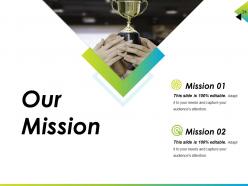
Slide 24: This slide represents Our Mission. State your mission, goals etc.
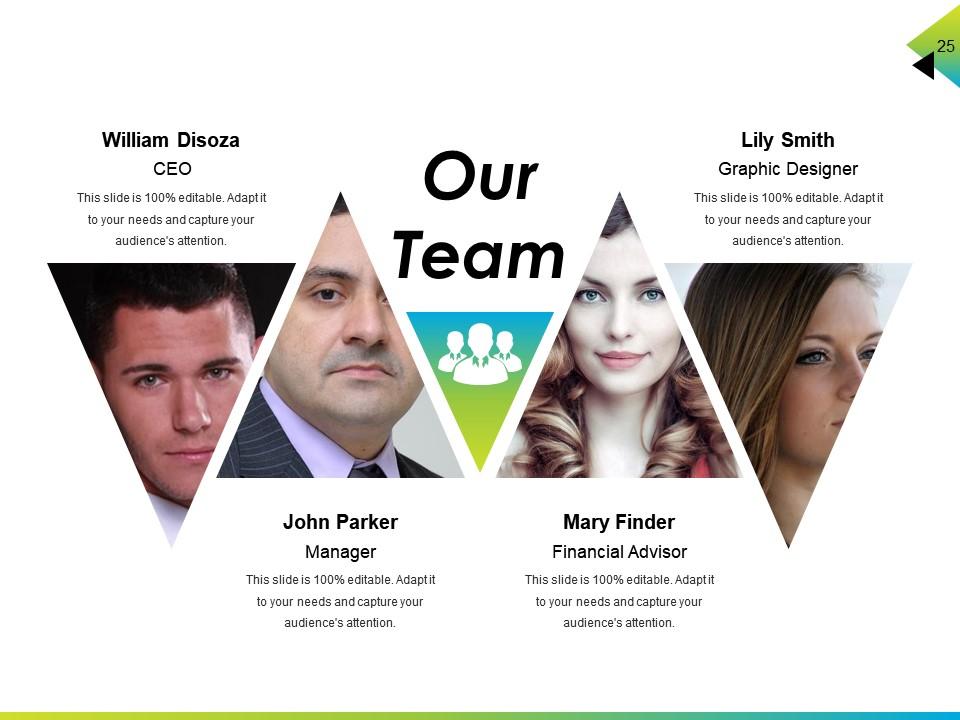
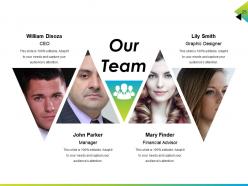
Slide 25: This slide showcases Our Team with Name and Designation to fill.
Slide 26: This slide helps show- About Our Company. The sub headings include- Creative Design, Customer Care, Expand Company
Slide 27: This slide shows Our Goals for your company.
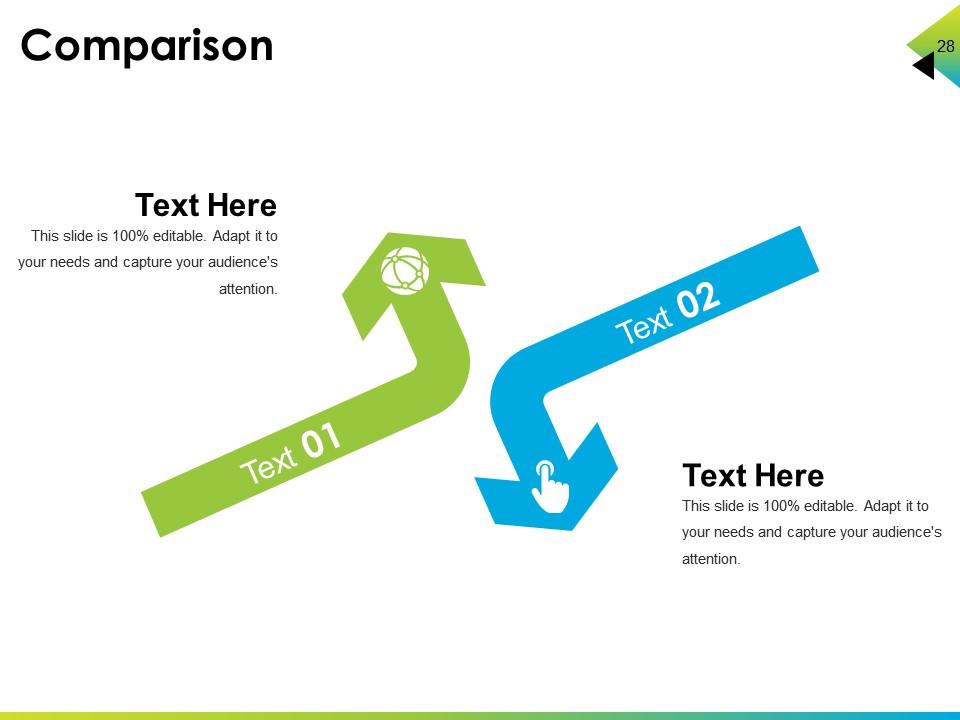
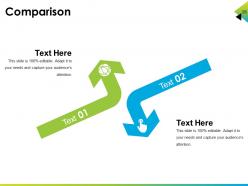
Slide 28: This slide shows Comparison. Comapre you rcompany business internally as well externally.
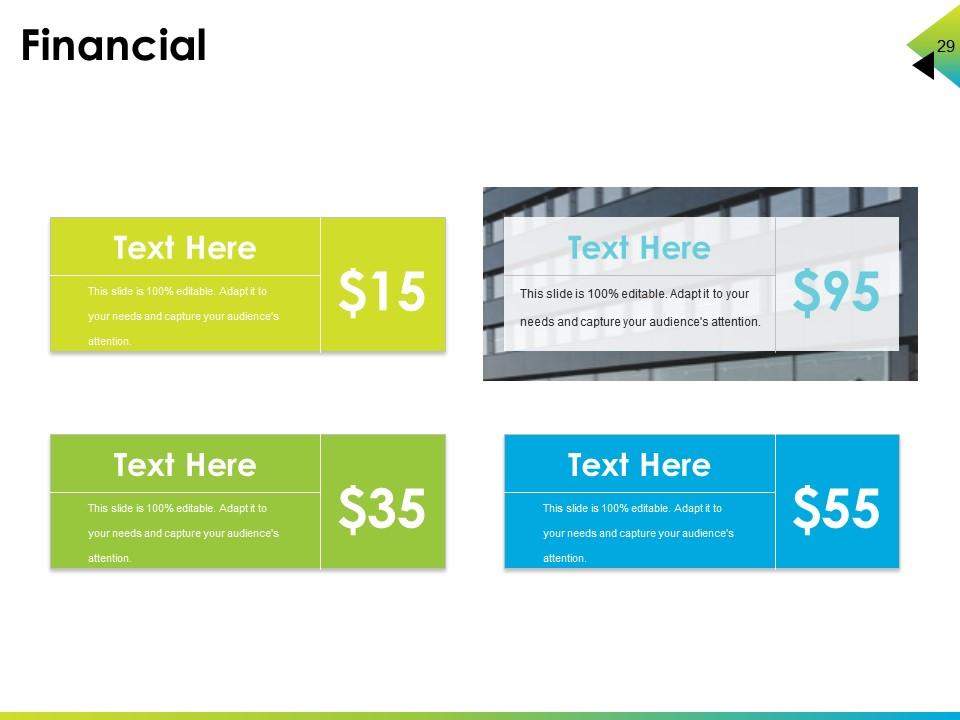
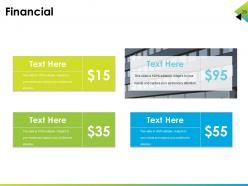
Slide 29: State your Financial score in this slide with relevant imagery and text.
Slide 30: This is a Quotes slide to convey message, beliefs etc.
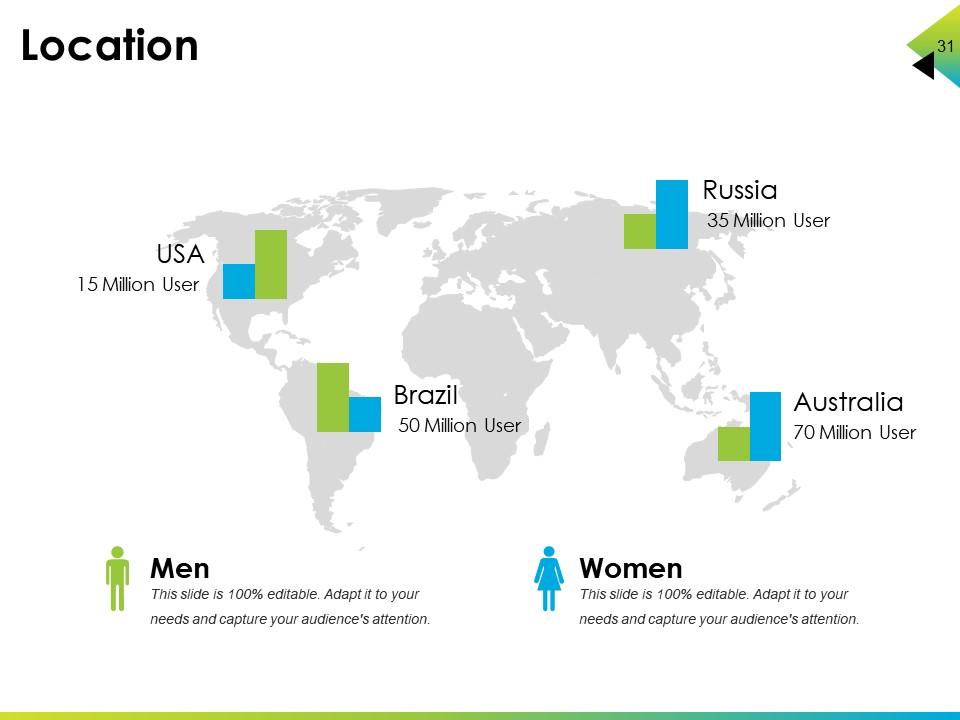
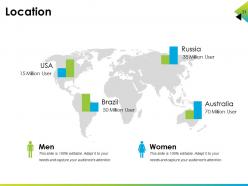
Slide 31: This is a Location slide to show global growth,presence etc. on world map.
Slide 32: This slide displays Our Target with a background image.
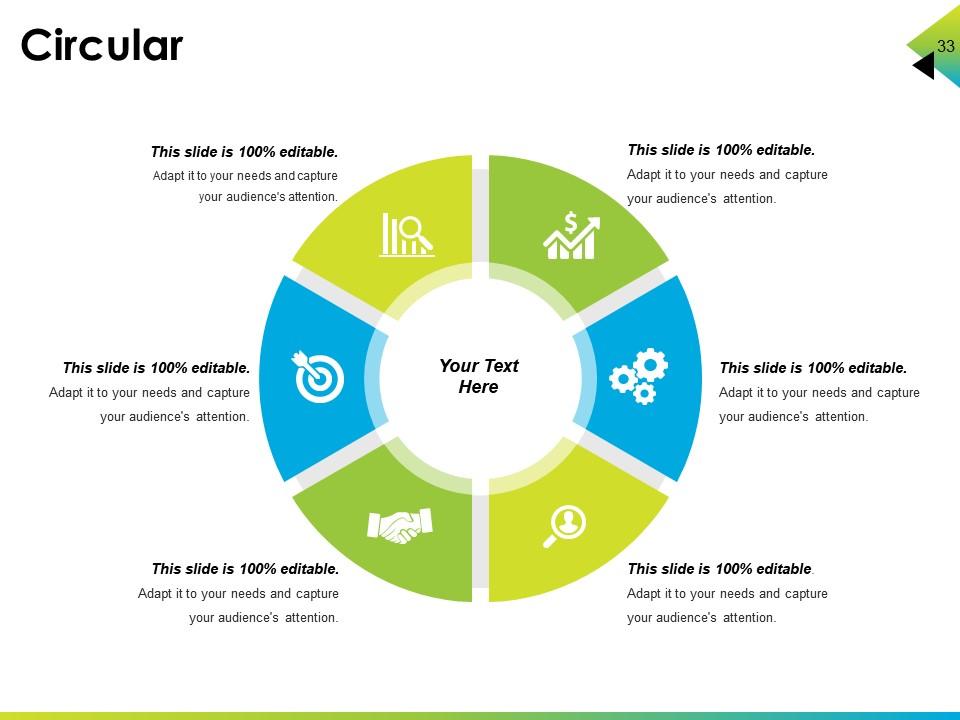
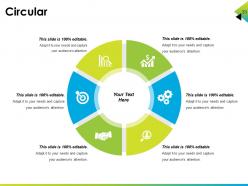
Slide 33: This is a Circular image slide to show information, specifications etc.
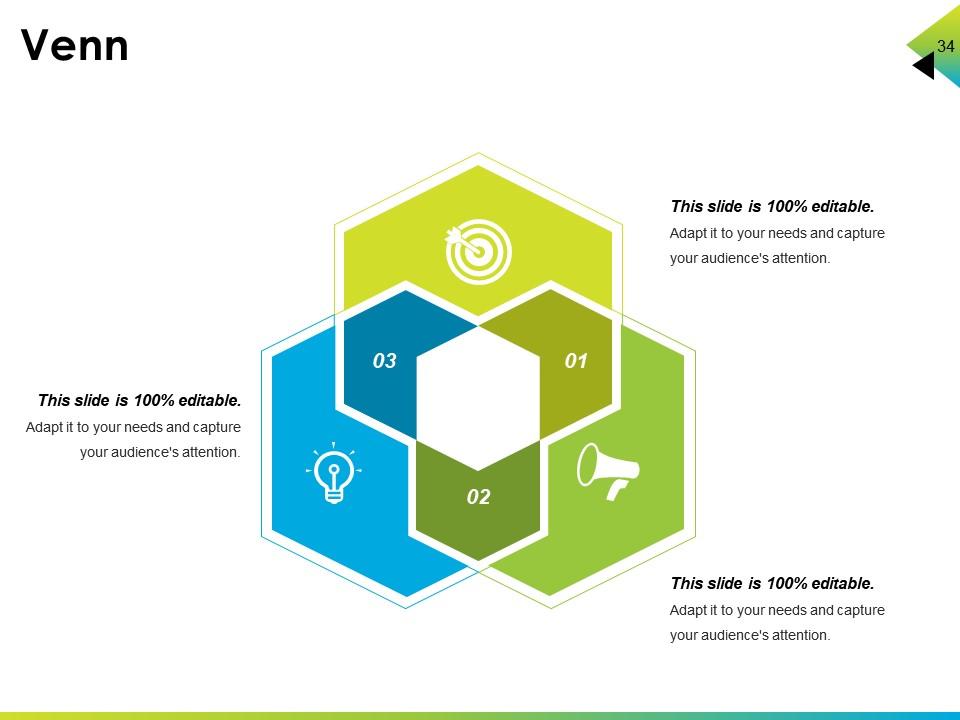
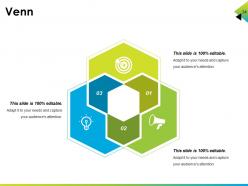
Slide 34: This is a Venn diagram image slide to show information, specifications etc.
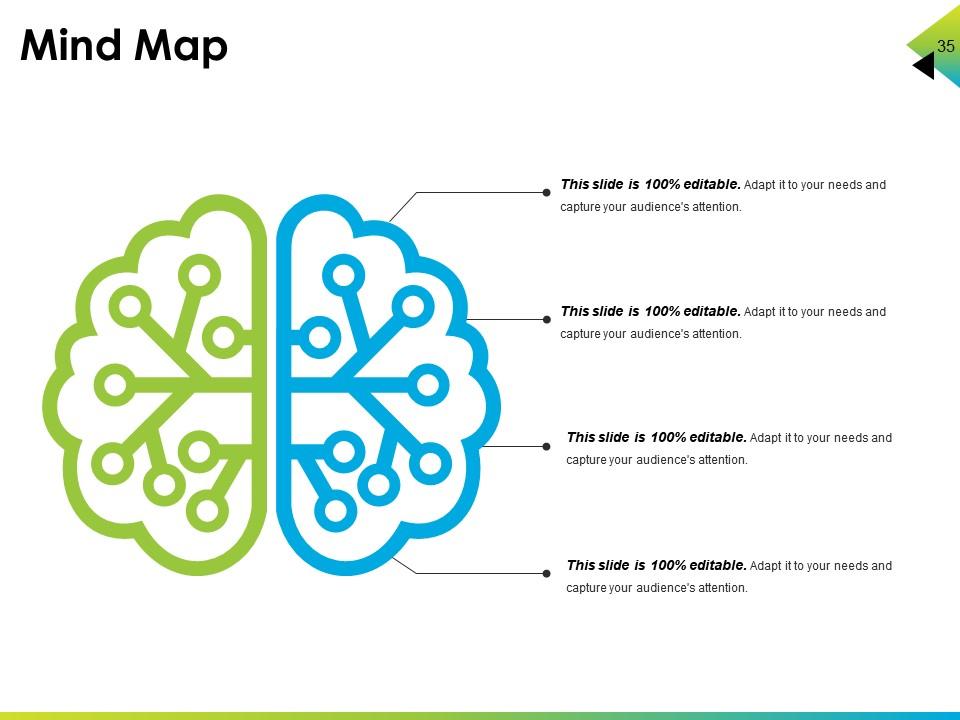
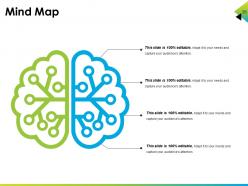
Slide 35: This slide shows a Mind map for representing entities.
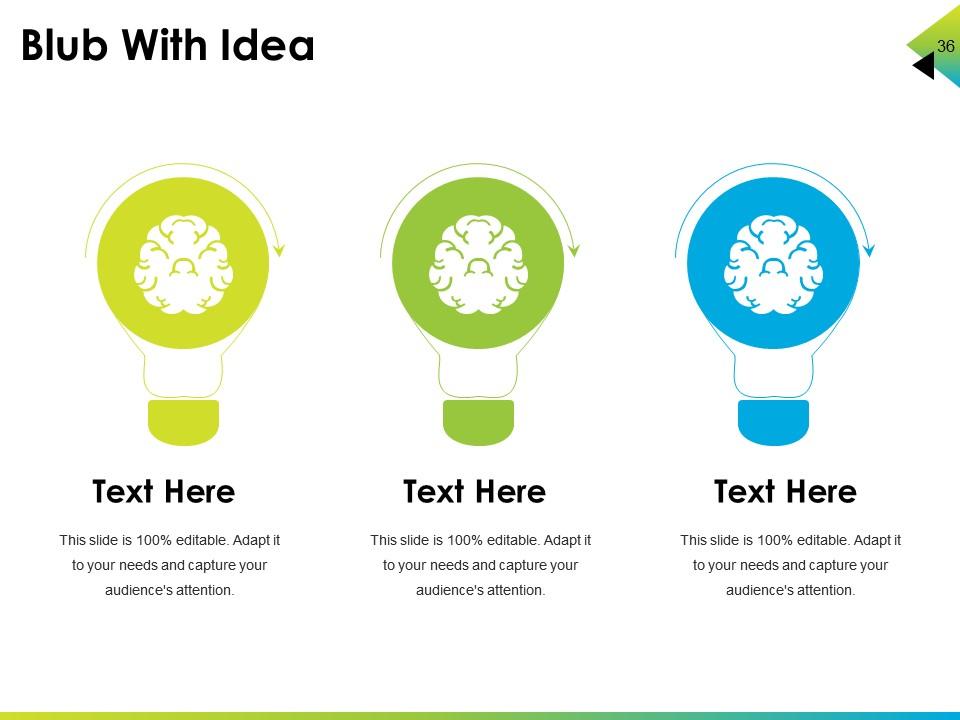
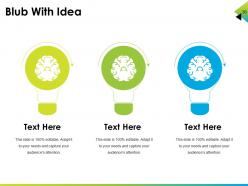
Slide 36: This is a Bulb Or Idea image slide to show information, innovative aspects etc.
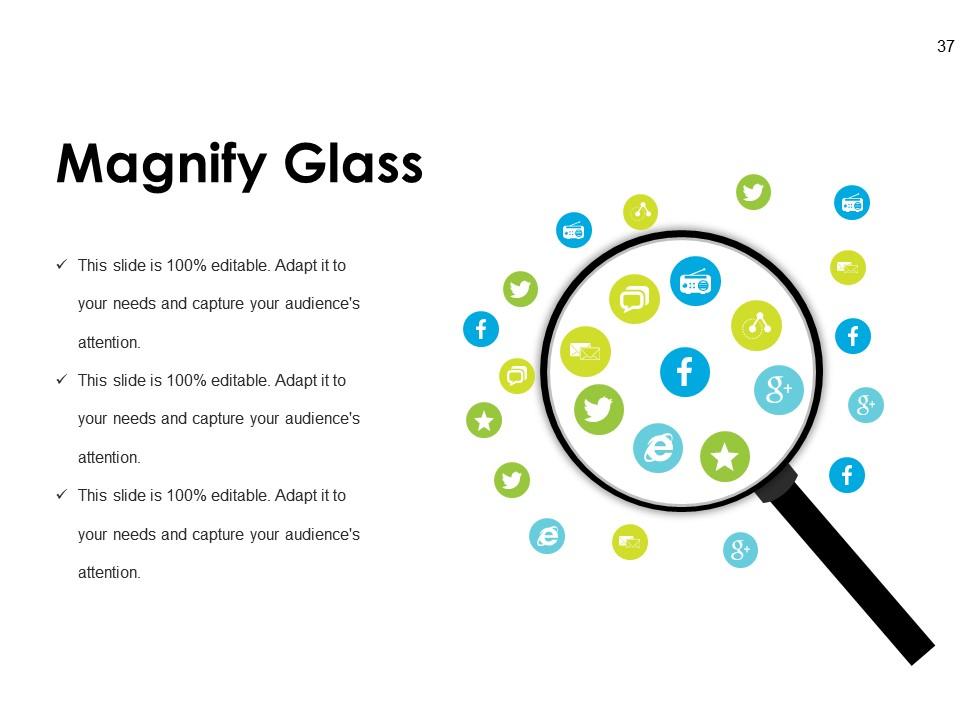
Slide 37: This is a Magnifying glass image slide to show information, scoping aspects etc.
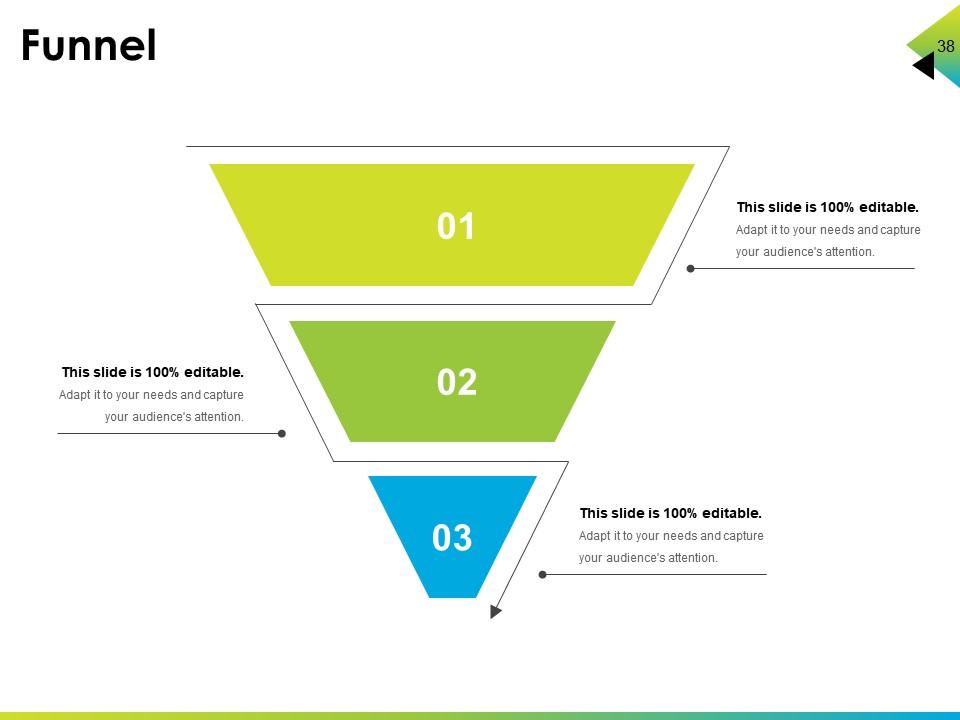
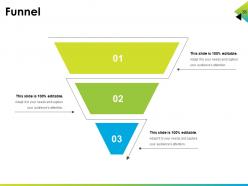
Slide 38: This is a Funnel image slide showing: Calls-to-action, Reachability, User Experience, Color Schemes, Engagement, Simplicity.
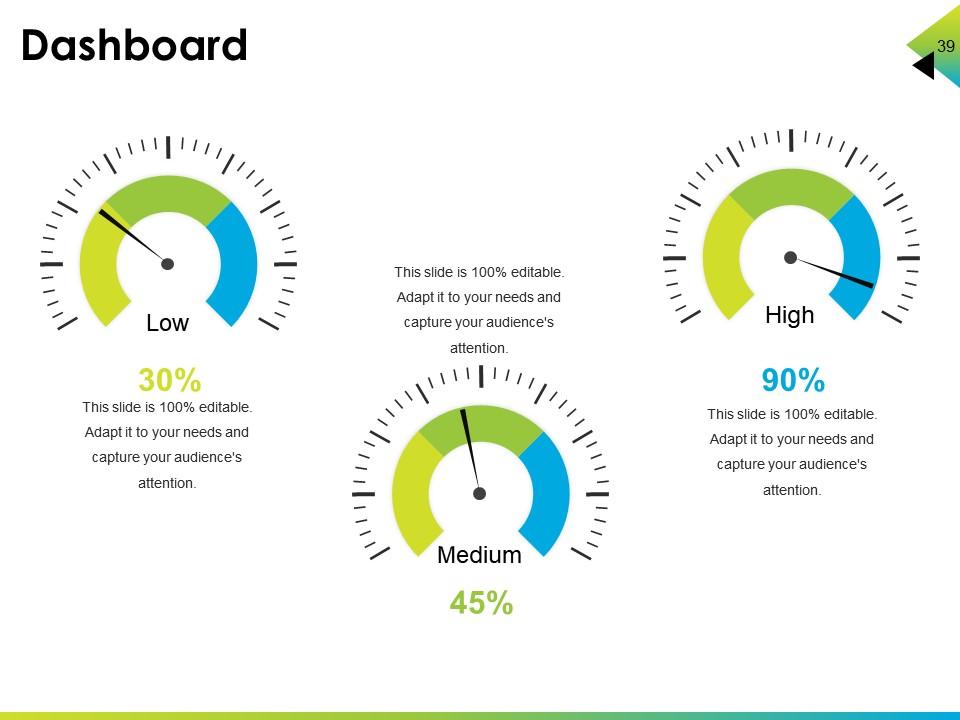
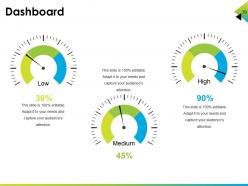
Slide 39: This is a Dashboard slide to show- Strategic System, Success, Goal Process, Sales Review, Communication Study.
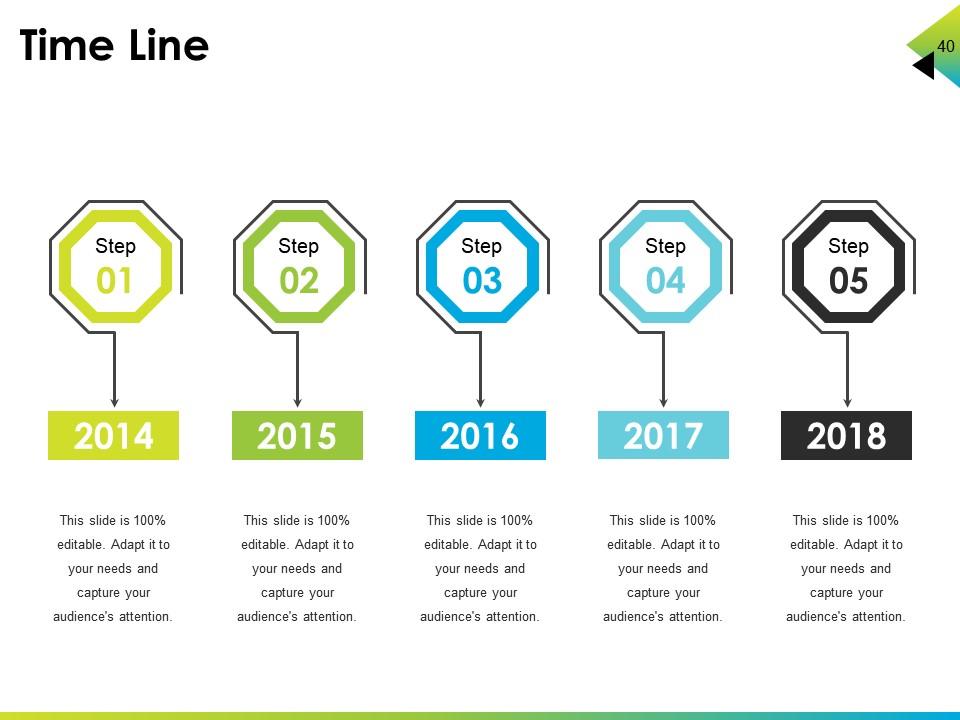
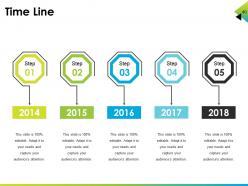
Slide 40: This is a Timelines slide to show- Plan, Budget, Schedule, Review.
Slide 41: This is a Thank You image slide with Address, Email and Contact number.
Recruitment Life Cycle Powerpoint Presentation Slides with all 41 slides:
Dwell on the geography with our Recruitment Life Cycle Powerpoint Presentation Slides. They accurately display the features.
-
Visually stunning presentation, love the content.
-
Excellent template with unique design.
