

Recruitment And Selection Process Powerpoint Presentation Slides




Try Before you Buy Download Free Sample Product
 Impress Your
 Audience
 100%
100% Editable
 Save Hours
 of Time


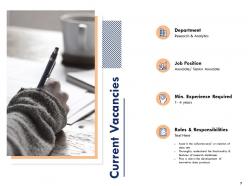
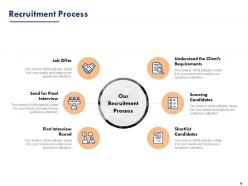
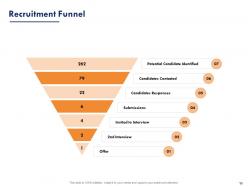
Employment agencies and HR personnel can take advantage of the professional visuals of Recruitment And Selection Process PowerPoint Presentation Slides. The professional layout of our human resource PPT theme gives you room to outline all the related fundamentals. This hiring process PowerPoint template offers impactful visualization tools to display information in a concise and easy-to-follow manner. Showcase recruitment funnel or any other HR aspect simply by editing the inverted-triangle diagram in our employment process PPT presentation. Demonstrate the recruitment budget, or track recruitment process using the tabular format included in this candidate selection PowerPoint theme. Our recruitment process PPT template helps you to brief the audience about your company by incorporating graphs, and diagrams. Flowcharts given in the selection process PowerPoint deck assist you in presenting recruitment sources, departments, and teams. So, download the hiring process PPT presentation and highlight current vacancies, job descriptions, recruitment processes, and key management.
People who downloaded this PowerPoint presentation also viewed the following :
Content of this Powerpoint Presentation
Slide 1: This slide introduces Recruitment and Selection Process. State Company name and begin.
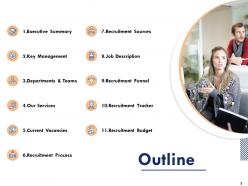
Slide 2: This slide shows the Outline of the presentation.
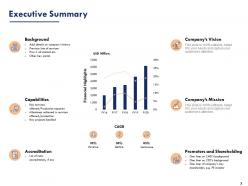
Slide 3: This slide presents Executive Summary.
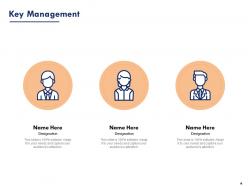
Slide 4: This slide shows Key Management with Names and Designations.
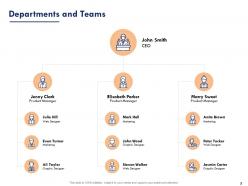
Slide 5: This slide shows Departments and Teams.
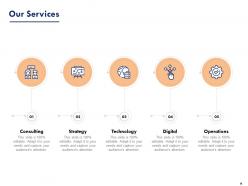
Slide 6: This slide showcase Our Services such as- Consulting, Strategy, Technology, Digital, Operations.
Slide 7: This slide describes how to Assist in the collection and/ or creation of data sets
Slide 8: This slide provides information about Understanding the Client’s Requirements
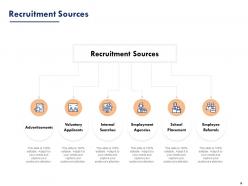
Slide 9: This slide depicts Recruitment Sources
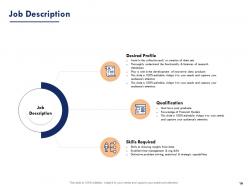
Slide 10: This slide shows Job Description with desired profile, skills required etc.
Slide 11: This slide showcases Recruitment Funnel.
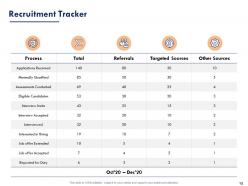
Slide 12: This slide showcase Recruitment Tracker.
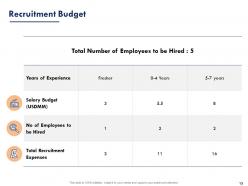
Slide 13: This slide presents Recruitment Budget.
Slide 14: This is Recruitment and Selection Process Icons Slide.
Slide 15: This slide is titled as Additional Slides for moving forward.
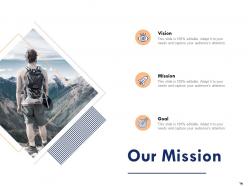
Slide 16: This slide displays Our Mission, Vision and Goal.
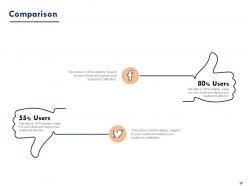
Slide 17: This is Comparison slide with percentages.
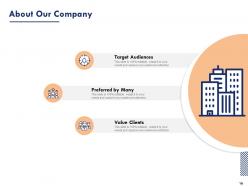
Slide 18: This is About Us slide to showcase Company specifications.
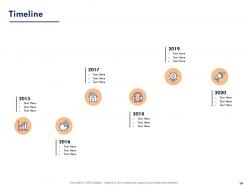
Slide 19: This slide shows Timeline process.
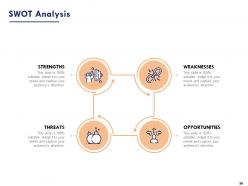
Slide 20: This slide presents SWOT Analysis. Analyze Strengths, Weaknesses, Opportunities and Threats.
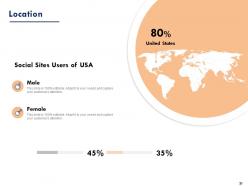
Slide 21: This slide depicts Location.
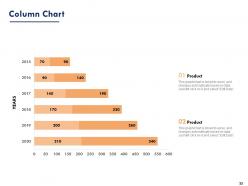
Slide 22: This slide depicts Column Chart with Product comparisons.
Slide 23: This is Thank You slide with Email address, Address and Contact number.
Recruitment And Selection Process Powerpoint Presentation Slides with all 23 slides:
Use our Recruitment And Selection Process Powerpoint Presentation Slides to effectively help you save your valuable time. They are readymade to fit into any presentation structure.
FAQs for Recruitment And Selection Process
So there's basically 5 main steps: job analysis, finding candidates, screening apps, interviews, then making your offer. Oh and reference checks too - don't skip those. Most people screw up the screening part though. They're either way too picky or let everyone through to interviews. Takes about a month to 6 weeks usually, depends on the role. Map out your timeline from day one and actually stick to it. I've seen so many good people get snatched up by other companies because hiring managers dragged their feet.
Look, people can spot fake company culture from a mile away. Your employer brand is basically what makes candidates either want to work for you or run in the opposite direction. I've seen companies with terrible Glassdoor reviews wonder why they can't hire anyone decent - it's not rocket science. Strong branding pulls in people who actually want to be there, not just anyone desperate for a paycheck. The key is making sure your social media and interview process show what working there is really like. No point overselling it if your day-to-day reality sucks. Better retention happens when expectations match reality from the start.
Dude, recruiting has gotten so much easier with AI stuff. These screening tools can blow through thousands of resumes super fast, which is honestly kind of wild when you think about it. Chatbots handle all the basic questions now. Video interviews really took off after COVID - I mean, nobody wants to commute for a first interview anyway. Predictive analytics help figure out who's actually gonna be good at the job. Plus ATS systems automate most of the boring workflow stuff. Oh, and recruiters are hitting up TikTok now for Gen Z candidates, which feels weird but whatever works. Manual recruiting is basically dead at this point.
Honestly, just treat people like actual humans instead of walking resumes. Keep candidates in the loop with real timelines - and then stick to them! Your interviews should feel more like conversations, not some weird interrogation where five people stare you down. Nobody wants that. Give specific feedback when you can, and for the love of god, don't make your application process a total maze to navigate. I'd start by going through your whole process like you're applying yourself - you'll probably spot the annoying stuff pretty quickly. Basic respect goes a long way.
Honestly, if you're not using social media for recruiting, you're behind. LinkedIn's obvious for job posts and finding people, but Instagram and TikTok are where you'll actually connect with younger candidates - shows them what working there is really like. Twitter works too, though I feel like it's getting weird lately. Most recruiters scroll through candidates' profiles anyway, so why not flip it? Use your company's accounts to build a brand that makes people want to work for you. I'd start by looking at your current social presence - what would you think if you were job hunting?
Oh man, unconscious bias is such a sneaky thing - we all do it without realizing. You'll automatically gravitate toward people who remind you of yourself or your team, even if they're not actually the best candidate. Here's what's helped me: ask everyone identical questions in interviews, strip names off resumes during the first round, and get different people involved in hiring decisions. Honestly though? The biggest difference was making a scoring system beforehand. Rate candidates against actual job skills, not just whether you "click" with them.
Definitely focus on time-to-fill and cost-per-hire first - those are your bread and butter metrics. Then dig into which sources actually bring you good people, not just warm bodies. I'm obsessed with tracking 90-day retention rates because honestly? A quick hire who bounces after three months just screwed you over twice. Offer acceptance rates tell you if candidates actually want to work there. Oh, and don't forget candidate experience surveys - people will trash you on Glassdoor if the process sucks. Start with maybe 3-4 metrics max though. Tracking everything sounds smart but you'll just drown in data.
Honestly, AI can be a total lifesaver for recruiting. Resume screening is probably the biggest win - it'll plow through hundreds way faster than you could. Plus it picks out candidates based on whatever criteria you set. Some tools even do initial outreach and chatbots can handle basic questions from candidates. There's video interview analysis too, though I'm still not 100% sold on that part. Don't go full robot mode though - you still need human judgment for final decisions. I'd start with just resume screening to test it out first.
Honestly, just stick to job-related stuff and you'll be fine. Don't ask about age, race, gender, religion, disability, sexual orientation - none of that matters for whether someone can do the work. Your job posts and interviews should only focus on actual skills they need. Document everything though, seriously. You might have to explain your hiring decisions later and trust me, you don't want to scramble for notes. If you're doing background checks, just make sure you're following those laws too. My rule of thumb? Before asking anything, think "does this actually help me figure out if they can do the job?"
Oh man, you're so right to focus on this! Vague job posts are the worst - you'll get buried under applications from people who have zero clue what you actually need. We posted this "marketing role" once (super generic, my bad) and got like 200+ applications. Most weren't even remotely qualified. Good descriptions basically do the screening work for you. Candidates can figure out if they're a fit before applying, which saves everyone time. Plus it sets realistic expectations upfront. Just write it like you're telling a friend about the job - way more effective than corporate speak.
Try posting on DiversityJobs instead of the same old sites everyone uses. Partner with HBCUs and coding bootcamps - honestly, some of my favorite coworkers came from non-traditional backgrounds anyway. Drop degree requirements if they're not actually needed for the role. Your current diverse team members? Ask them for referrals since their networks are probably way different than yours. Oh, and do blind resume reviews to cut down on bias. Don't try everything at once though - pick like two things and see how it goes first.
Honestly, behavioral interviews are your best bet - get them talking about real situations where they handled conflict or worked on teams. Their actual stories tell you way more than any resume. I'd throw in some role-playing stuff too, maybe a case study where they work with potential teammates. Don't just do one interview though, that's not enough. Mix technical tests with group activities so you can see how they actually interact with people. The whole point is getting multiple looks at who they really are, not just their polished interview persona.
Dude, timeline is everything for keeping candidates interested. Drag it out for weeks? Your best people will just disappear - I've literally watched great candidates ghost us because we went radio silent. You gotta keep that momentum going from day one. Be upfront about what happens when, then actually stick to it. Running late on decisions? Just tell them instead of leaving people wondering. I swear some companies act like candidates don't have other options. Quick communication keeps them excited about working with you. It's basically dating - nobody likes being left on read for two weeks straight.
Honestly, remote interviews are kinda tricky - you've gotta test all your tech stuff ahead of time and make sure your lighting doesn't make you look like a serial killer. Send candidates the tech details at least 24 hours before so you're not spending half the time troubleshooting their camera. The worst part? You miss all those little facial expressions and body language cues. I always keep sessions shorter because Zoom fatigue hits everyone hard. You'll probably need to ask more direct follow-up questions since it's harder to read people through a screen. Oh, and do a quick casual chat first - it helps break the ice.
Honestly, the worst thing is when job descriptions are super vague - nobody knows what they're applying for. Also watch out for unconscious bias when you're screening people. Don't rush it either, even though I know deadlines suck. Communication is everything though. Ghost someone or give them weird timelines and your company looks terrible. Panel interviews where people show up unprepared? That's just awkward for everyone. Try not to rely only on gut feelings - actually structure your assessments. Oh, and please check references for real instead of pretending to. Having clear criteria helps tons when you're tempted to cut corners.
-
Excellent work done on template design and graphics.
-
Amazing product with appealing content and design.