


Recruitment And Hiring Powerpoint Presentation Slides




Try Before you Buy Download Free Sample Product
 Impress Your
 Audience
 100%
100% Editable
 Save Hours
 of Time


Create a well-managed recruitment strategy with our content ready Recruitment and Hiring PowerPoint Presentation Slides. The easy to edit employee recruitment strategy PowerPoint complete deck includes visually appealing PPT slides such as executive summary, key management, departments and teams, services, current vacancies, recruitment process, job description, recruitment funnel, tracker and budget, etc. The hiring process PowerPoint templates are designed after in-depth research. Each slide of the recruitment process presentation deck is fully editable, change the color, font style as per your needs. You can present the various stages involved in the employee selection process using ready to use recruitment plan PPT visuals. Showcase the different sources of hiring such as school placements, internal searches, employment agencies, advertisements, employee referrals. Additionally, staff hiring procedure PPT visuals are intended to exhibit subjects like an application tracking system, employment strategy plan, recruiting solutions, HR consulting and recruitment plan, etc. Download professionally designed personnel selection process presentation deck to attract and engage potential hires. No environment is too challenging for our Recruitment And Hiring Powerpoint Presentation Slides. They assure you a competitive advantage.
People who downloaded this PowerPoint presentation also viewed the following :
Content of this Powerpoint Presentation
Slide 1: This slide introduces Recruitment & Hiring. State Your Company Name and begin.
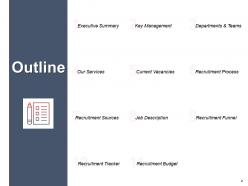
Slide 2: This slide shows Outline with these important storyline- Executive Summary, Key Management, Our Services, Current Vacancies, Recruitment Tracker, Recruitment Sources, Departments & Teams, Recruitment Process, Job Description, Recruitment Funnel, Recruitment Budget.
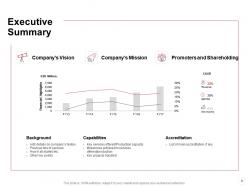
Slide 3: This slide presents Executive Summary showing these amin headings- Background, Capabilities, Accreditation, Financial Highlights, Promoters and Shareholding, Company’s Mission, Company’s Vision.
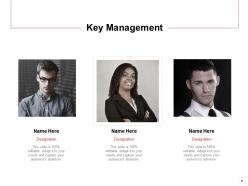
Slide 4: This slide shows Key Management. You can add your comapany management names with designations.
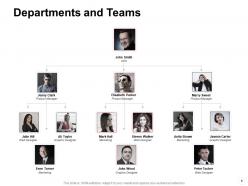
Slide 5: This slide presents Departments And Teams. You can add the information of your company.
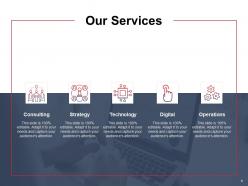
Slide 6: This slide shows Our Services with these categories- Consulting, Strategy, Technology, Digital, Operations.
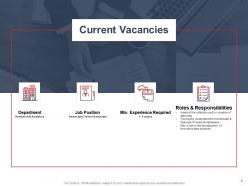
Slide 7: This slide showcases Current Vacancies and also includes these parameters- Department, Min. Experience Required, Roles & Responsibilities, Job Position.
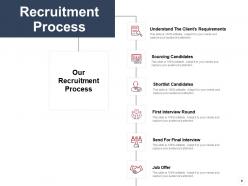
Slide 8: This slide shows Recruitment Process with these mentioned parameters- Understand the client’s requirements, Sourcing candidates, Shortlist candidates, First interview round, Send for final interview, Job offer.
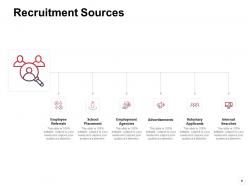
Slide 9: This slide presents Recruitment Sources with these six stages- Internal Searches, Voluntary Applicants, Employment Agencies, School Placements, Employee Referrals, Advertisements.
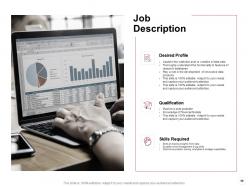
Slide 10: This slide presents Job Description which further guide you to add more information about- Desired Profile, Qualification, Skills Required.
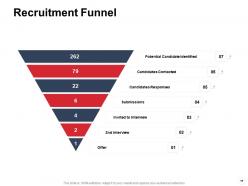
Slide 11: This slide shows Recruitment Funnel with these important factors to note- Potential Candidate Identified, Candidates Contacted, Candidates Responses, Submissions, Invited to Interview, Offer, 2nd Interview.
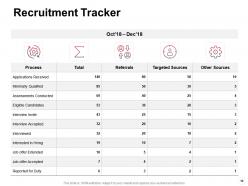
Slide 12: This slide shows Recruitment Tracker. You can add the data for the requirement or hiring processes.
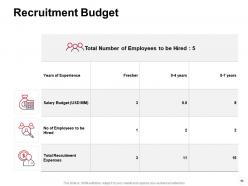
Slide 13: This slide guide you to add the Recruitment Budget and also add the data as per your requirement.
Slide 14: This slide displays Recruitment & Hiring Icons.
Slide 15: This slide is titled as Additional Slides for moving forward.
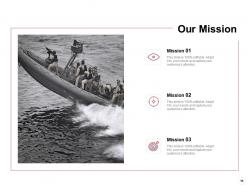
Slide 16: This is Our Mission slide with related imagery and text.
Slide 17: This is About Our Company slide to show company specifications etc.
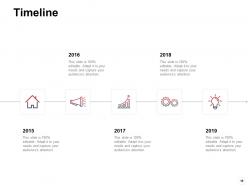
Slide 18: This is a Timeline slide to show information related with time period.
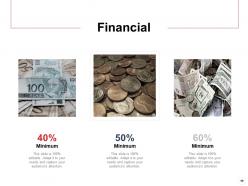
Slide 19: This is a Financial slide. Show your finance related stuff here.
Slide 20: This is a Venn slide with text boxes to show information.
Slide 21: This is a Target slide. State your targets here.
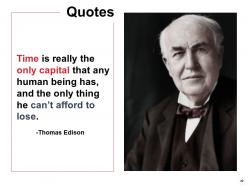
Slide 22: This is a Quotes slide to convey message, beliefs etc.
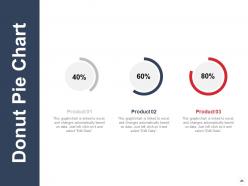
Slide 23: This slide displays Donut Pie Chart with data in percentage.
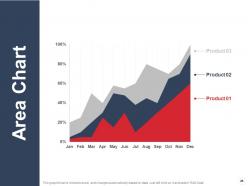
Slide 24: This slide represents Area Chart with three products comparison.
Slide 25: This is a Thank you slide with address, contact numbers and email address.
Recruitment And Hiring Powerpoint Presentation Slides with all 25 slides:
Bring about an increase in jobs with our Recruitment And Hiring Powerpoint Presentation Slides. Introduce avenues of employment.
FAQs for Recruitment And Hiring
Honestly, start by figuring out exactly what you want before posting anything - skills AND personality fit. Write job descriptions that don't sound like corporate nonsense. Don't just rely on LinkedIn either, that's where everyone gets lazy. Cast a wider net. Your interview process shouldn't waste people's time (candidates talk, trust me), and actually call those references instead of skipping it. Oh, and move quickly on anyone good. The market's brutal right now so great people get snatched up fast. Speed matters way more than most people realize.
Honestly, tech can be a game changer for hiring - just start with automating resume screening since that's the most tedious part. AI tools will scan for the skills you actually need instead of you reading through 200 applications. Video interviews are clutch too, especially for remote candidates. Some platforms even analyze facial expressions which feels kinda creepy to me, but whatever works I guess. Those applicant tracking systems are solid for staying organized and keeping candidate info in one place. Don't go crazy though - pick one tool that fixes your biggest headache first.
Dude, employer branding is everything right now. Candidates will 100% stalk your company online before applying - Glassdoor, social media, the works. They want to know what it's actually like working there, not just the fancy job description stuff. A solid reputation helps you grab people who are genuinely excited about your company specifically. I mean, there's so many options out there now. Make sure your job posts sound like real humans wrote them and match your actual culture. Then get your current team posting about work on LinkedIn or whatever - that authentic stuff goes way further than corporate marketing.
Focus on behavioral stuff that shows how they actually work, not just what they can do. Ask things like "tell me about disagreeing with your team" or how they juggle shifting deadlines. Honestly, listen to how they talk about old coworkers - if they're constantly trashing people, that's a red flag. Get other team members involved in interviews too so you're not making the call solo. Don't just think about your ideal culture, think about how things really work day-to-day. Throw some realistic scenarios at them and see what they'd actually do.
Track the usual stuff first - how many applications you get, time-to-hire, cost per hire. But that's just surface level honestly. The metrics that actually matter? Offer acceptance rates and how your new hires do in their first 90 days. Also figure out which job boards are worth your money vs. total duds. Interview-to-hire ratios tell you a lot too. I'd probably just pick like 5-6 things to watch instead of building some crazy spreadsheet you'll ignore. Oh and referrals - definitely track those separately since they usually work way better than random Indeed posts.
Honestly, we all have unconscious biases when hiring – it's just human nature. You might gravitate toward people who remind you of yourself or write off solid candidates because of something random like their name. Super frustrating but totally fixable. Try structured interviews where you ask everyone the same questions, get diverse people involved in the process, and do blind resume reviews if you can swing it. Skills tests work way better than going with your gut anyway. The trick is just admitting you're biased (we all are) and building systems that don't let those snap judgments take over.
Honestly, skip the big job boards for niche roles - they're kind of a waste of time. Professional associations are where it's at, plus those industry-specific LinkedIn groups and forums. Developers hang out on GitHub, designers are all over Dribbble, you get the idea. Your current team's referrals are still clutch though since they actually know quality people in their circles. Oh, and don't sleep on Discord servers - sounds weird but some industries have really active communities there. Takes longer than just posting somewhere generic, but you'll actually find people who know what they're doing.
So here's what works - track your hard costs first (job boards, recruiter fees, all that internal time stuff) then divide by what new hires actually bring in. Revenue, productivity gains, whatever makes sense for you. Time-to-fill matters a ton since empty seats cost money. Honestly, retention is where most people mess up - if someone bails after six months you're basically back at zero. I'd throw in some softer stuff too like how hiring managers feel about candidates and 90-day performance ratings. Just pick like 3-4 things that actually matter to your business and stick with measuring those consistently.
Honestly, just write like you're talking to a real person instead of a robot. Use a clear job title that actually makes sense - skip the whole "ninja rockstar" thing, it's embarrassing. Be upfront about the good and bad parts of the role. Get specific too - what does winning look like in their first 90 days? Sure, mention your company culture, but ditch the boring corporate speak. Oh, and definitely have someone outside your team read it first. They'll catch all that internal jargon you don't even realize you're using.
Dude, they're total time savers. Good agencies have networks full of people who aren't even looking for jobs yet - that's gold. They'll do all the initial screening so you don't waste hours on duds. Plus they actually know what people should be paid, which most companies honestly mess up. You get pre-qualified candidates fast instead of posting on Indeed and praying. The tricky part is finding one that gets your industry though. I've seen some agencies that are completely clueless about company culture and just throw random resumes at you.
Dude, recruiting is changing fast right now. AI screening tools are everywhere, and chatbots are doing first-round interviews - kinda weird but it works. Remote hiring opened up the whole world as your talent pool, which is pretty cool. Companies are finally ditching the "must have degree" thing for skills-based hiring (thank god). Your team needs to get comfortable with data analytics to figure out where good candidates actually come from. Oh, and candidate experience? It can totally make or break your company's reputation now. I'd start upgrading your recruitment tech and maybe get everyone trained on reading data - you're gonna need both to keep up.
Dude, just talk to people early and often. Like, tell candidates upfront what your timeline looks like and actually stick to it. Even boring updates help - "still going through resumes this week" beats total silence. Honestly, people just don't want to feel like they got sucked into some HR black hole, you know? When you say "we'll be in touch next week" and then disappear for a month... that's the worst. Quick rejections are way better than leaving someone hanging. I swear, just think about how you'd want to be treated when you're desperately job hunting.
Honestly, going remote opens up your talent pool like crazy - suddenly you're not limited to whoever lives within driving distance. The tricky part? Your whole interview game needs to change. You'll be doing everything over video, so definitely test their tech setup beforehand (learned that one the hard way). Assessing culture fit gets weird when everyone's just a little box on screen. Oh, and your job posts need to spell out remote expectations super clearly. Most companies totally underestimate how different remote onboarding is - there's no casual desk drop-bys to check how someone's doing. I'd start by looking at your current process and figuring out what completely falls apart virtually.
Start with your job posts—cut the corporate speak and gendered words that scare people off. Mixed interview panels are a must (honestly, how is this still not standard?). I'd also suggest posting on different job boards and partnering with groups that reach underrepresented communities. Structure your interviews with the same questions for everyone to avoid bias creeping in. Oh, and track your numbers through the whole process. Makes a huge difference when you can see where people are dropping off. Try auditing just one role this week—you'll spot issues you didn't even realize were there.
Honestly, how you treat people during interviews matters way more than most companies realize. Your hiring process is like a preview of what it's like to work there - nobody wants to join somewhere that's already wasting their time or being shady about feedback. But when you're upfront about timelines and actually respect candidates as humans? They show up on day one already believing you'll have their back. I've seen friends bail from jobs super early because the interview red flags turned out to be accurate. Worth fixing whatever's broken in your current setup.
No Reviews