

Residential roofing proposal powerpoint presentation slides




Try Before you Buy Download Free Sample Product
 Impress Your
 Audience
 100%
100% Editable
 Save Hours
 of Time


Feature the roofing services you offer to clients by utilizing Residential Roofing Proposal PowerPoint Presentation Slides. Showcase your talent in a minor repair to designing and installing roofing systems using this residential roofing contract PPT visuals. Illustrate the different roofing technologies your company uses to work in a setting ranging from the most modest neighborhood to the most high class gated community. The right roofing options for the client’s luxurious home and outbuildings can be discussed in an effective way with this visually attractive house roofing contract PPT slideshow. You can explain the project context with the relevant details such as property detail, approximate roof area, etc. with this content ready accommodation roofing contract PowerPoint visuals. Mention the stepwise procedure of roofing like project planning, project schedule, material procurement, delivery and storage, project documentation, safety & quality control followed by an inspection. Incorporate this professionally designed house roofing contract PPT slideshow to give the description of roof type and the respective warranty so that it becomes easier for the consumer to choose from the roofing variety. You can highlight the sample design with attractive visuals mentioning the roof type, texture, and shade by taking the assistance of this house roofing bid PowerPoint slideshow. The activity schedule with the start and end date can help the consumer get an estimation of the time duration of roofing service completion. The investment package slide inclusive of labor and tax rate can be advantageous in providing expenditure estimate to the client. Showcase your previous projects and client testimonials to prove your expertise in the roofing industry by utilizing this residential roofing bid PPT theme. You can introduce your skilled workforce and their expertise areas to your consumer in an efficient manner. Download this house roofing proposal PPT slideshow to display your skills and increase your clientele.
People who downloaded this PowerPoint presentation also viewed the following :
Content of this Powerpoint Presentation
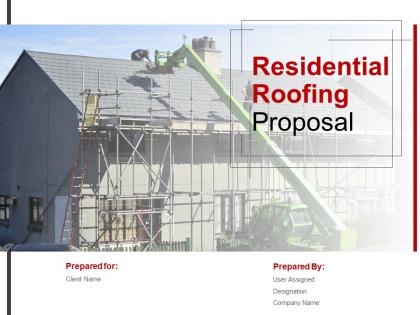
Slide 1: This slide introduces Residential Roofing Proposal. State Company name, Client name, User name and Designation.
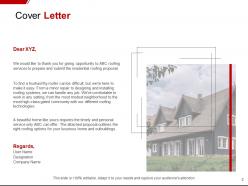
Slide 2: This slide displays Cover Letter.
Slide 3: This slide displays Table of Content of the presentation.
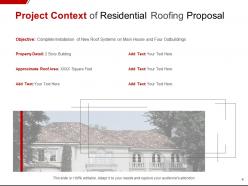
Slide 4: This slide displays Project Context of Residential Roofing Proposal.
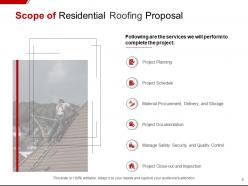
Slide 5: This slide showcases Scope of Residential Roofing Proposal.
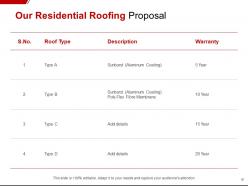
Slide 6: This slide showcases Our Residential Roofing Proposal.
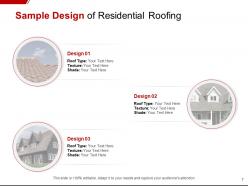
Slide 7: This slide depicts Sample Design of Residential Roofing Proposal.
Slide 8: This slide depicts Activity Schedule of Residential Roofing Proposal.
Slide 9: This slide represents Activity Schedule of Residential Roofing Proposal.
Slide 10: This slide showcases Your Investment for Residential Roofing Proposal.
Slide 11: This is About Us slide to showcase Our mission and Company information.
Slide 12: This slide presents Our Previous Projects with Project name, Budget, and summary.
Slide 13: This is Our Team slide with Names and Designations.
Slide 14: This is also Our Team slide with Names and Designations.
Slide 15: This slide displays Client Testimonials with Names and Designations.
Slide 16: This slide displays Statement of Work and Contract.
Slide 17: This slide is continued with Statement of Work and Contract.
Slide 18: This is Sign-Off slide with Company name, Client name, Address and Signature.
Slide 19: This is Contact us slide with Address, Contact numbers and Email address.
Slide 20: This slide is titled as Additional Slides for moving forward.
Slide 21: This is Our Mission slide with Vision, Mission and Goal.
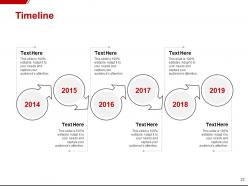
Slide 22: This slide displays Timeline process.
Slide 23: This slide showcases Roadmap process.
Slide 24: This is 30,60,90 Days Plan slide.
Residential roofing proposal powerpoint presentation slides with all 24 slides:
Interact with the best through our Residential Roofing Proposal Powerpoint Presentation Slides. Impress them with your intelligent analysis.
-
Residential Roofing Proposal
-
Cover Letter
-
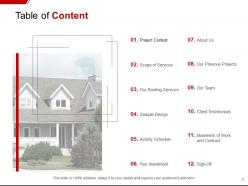
Table of Content
-
Project Context of Residential Roofing Proposal
-
Scope of Residential Roofing Proposal
-
Our Residential Roofing Proposal
-
Sample Design of Residential Roofing
-
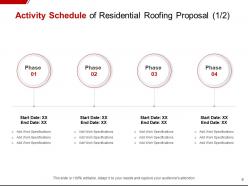
Activity Schedule of Residential Roofing Proposal 1 2
-
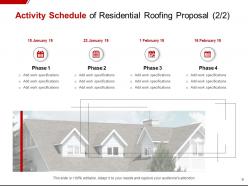
Activity Schedule of Residential Roofing Proposal 2 2
-
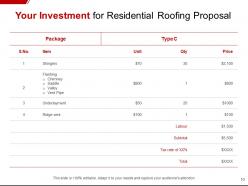
Your Investment for Residential Roofing Proposal
-
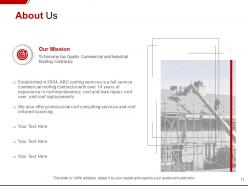
About Us
-
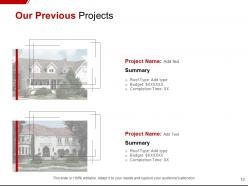
Our Previous Projects
-

Our Team 1 2
-
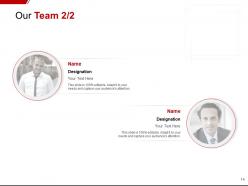
Our Team 2 2
-

Client Testimonials
-
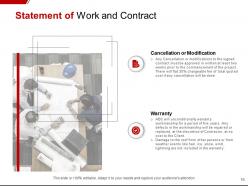
Statement of Work and Contract
-
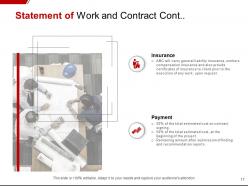
Statement of Work and Contract Cont
-
Sign Off
-
Contact Us
-
Additional Slides
-

Our Mission
-
Timeline
-

Roadmap
-

Residential Roofing Proposal
FAQs for Residential roofing proposal
Definitely include scope of work - what you're fixing or replacing. Materials matter too, so list the actual brand names. Break down your costs and give them a realistic timeline. Don't forget warranty info and who's pulling permits. Honestly, cleanup is huge - specify who's hauling away the old shingles because homeowners get weird about that stuff. Photos of the current roof help a lot. Oh, and throw in your license and insurance details. Getting everything written down saves you from those "but I thought you said..." conversations later. Trust me on that one.
Look, you gotta break everything down - materials, labor, permits, all that stuff. Nobody likes getting hit with surprise costs later. I always show unit pricing too, like per square foot or whatever makes sense so they get why it costs what it costs. Throw in a section for extras like upgraded shingles or gutters they might want. Be honest about stuff that could pop up once you start tearing into things - trust me on this one. Payment terms and timeline should be right there with the quote. Makes you look professional compared to those guys who scribble numbers on napkins.
Honestly, it mostly comes down to how technical you need to get. Asphalt's pretty simple - just weight, wind ratings, colors. Metal roofs? Way more complicated since you're dealing with panel types and all that thermal expansion stuff. Tile is honestly a pain because you need structural load calcs and the installation methods change depending on which tiles you're using. I'd make separate proposal templates for each material so you don't forget the weird specs. Trust me, missing something on a tile job sucks.
Break down your warranty section by component - 25 years for shingles, 10 years for workmanship, that kind of thing. Nobody wants to deal with surprise exclusions later, so spell out what's covered and what's not. Use bullet points or tables because honestly, people just skip big blocks of text. Include both the manufacturer's warranty and your labor guarantee. Make sure you specify who they call for different types of claims - that saves everyone headaches down the road. Oh, and mention if the warranty transfers to new owners. Buyers eat that stuff up.
Honestly, weather's gonna be your biggest wildcard - rain or snow means work stops completely. Supply chain stuff is still pretty messy too, so materials might take forever to show up. If your roof is super complicated with tons of valleys and weird angles, that'll slow things way down compared to a basic design. Oh, and permit times are all over the place depending on your city - some take days, others take months which is honestly ridiculous. Crew size matters too, plus if it's peak season they're swamped. I'd definitely tack on at least 20-30% to whatever they tell you upfront.
Definitely add a "Past Projects" section with good before/after shots. Get 3-4 solid testimonials too - use full names and neighborhoods if you can. Here's the thing though: skip the generic "quality work" stuff. Be specific instead, like "finished early even with all that rain" or "they actually cleaned up better than most contractors." Oh, and don't forget your certifications or any awards you've won. The whole point is letting homeowners see you've handled roofs like theirs before. Makes it way easier for them to picture you doing their job right.
Dude, you gotta check building codes before you do anything else - they're not suggestions, they're literally the law. Your local building department will have requirements for fire ratings, wind resistance, snow loads, all that stuff. Materials matter too depending on where you live (some HOAs are total nightmares about this). Don't forget permits and inspections - those will mess with your timeline and budget big time. I learned this the hard way on my neighbor's project last year. Just hit up your building department first, then write your proposal around what they require. Trust me, it's way easier than trying to fix things later.
Oh definitely add a weather clause - you'll want it to spell out when work stops and how delays get handled. Most contractors I know pad in 2-3 extra days for normal jobs. But honestly? Rain doesn't care about deadlines lol. Your proposal should say who decides if conditions are too sketchy, how you'll update the homeowner about delays, and if there's extra costs when things drag on too long. Way better to be upfront about realistic timing than have pissed off customers when it pours for a solid week.
Tell them about reflective materials first - light-colored shingles or metal roofing really work. The insulation upgrade though? That's honestly where they'll save the most money. Radiant barriers under the deck are clutch in hot areas. Oh and don't skip ventilation - ridge vents with soffit vents keep everything moving. I'd definitely run the energy savings numbers for them since homeowners eat that stuff up. Energy-efficient underlayments help too, plus sealing around any roof penetrations. Should make a solid case.
Dude, trust me on this - visuals are everything with roofing proposals. People's brains just shut off when they see walls of text about warranties and specs. Show them before/after photos instead. Get some material samples they can touch. Even better if you can do those 3D renderings of their actual house with different shingle options. I swear, once they see their boring beige roof transformed into something gorgeous, they're sold. Oh, and definitely include photos from jobs you've done nearby - nothing beats seeing real results from houses that look similar to theirs. Makes it feel way less abstract, you know?
Dude, you NEED a detailed scope of work - it's your lifesaver against scope creep and those annoying payment fights later. Trust me on this one. Without it, you'll get homeowners saying "wait, I thought you were doing the gutters too" and suddenly your profit margin is toast. Plus it forces you to actually think through every step upfront, which makes pricing way more accurate. Always throw in specific brands, quantities, timeline - the whole nine yards. Zero wiggle room for "but I assumed..." conversations. Honestly, I learned this the hard way after getting burned a few times.
Just add a "Potential Additional Work" section to your proposals. List out stuff like "if we need to replace decking" or "structural repairs we might find." Honestly, homeowners appreciate the heads up more than you'd think. Give them rough price ranges for each scenario so they can plan ahead. Make it clear they only pay if you actually find the problem and need to do the work. Way better than hitting them with surprise costs mid-project - nobody wants that headache! This approach saves you from those awkward money conversations later.
Hey! So for financing options, I'd definitely throw in 2-3 different routes. Cash gets the best discounts obviously, but most people can't swing that. Partner with some lenders who do 12-60 month terms - rates depend on their credit. Home equity stuff is pretty popular since it's usually tax-deductible (not tax advice though lol). Some contractors work with specialty home improvement lenders that do those 0% for 18 months deals, which honestly sound too good to be true but they're legit. Just make sure you're super clear about monthly payments and when promotional rates expire. People hate surprises with money.
Your safety section needs to be super detailed - don't just say you follow OSHA. Actually list the gear you'll use like harnesses, guardrails, ladder stabilizers. Spell out your procedures for material handling, weather delays, keeping pets safe during work. Homeowners are honestly paranoid about liability these days, so mention your insurance coverage and how you'll protect their landscaping. Oh, and throw in a daily safety checklist - it shows you're not just winging it. This part can seriously make or break your bid.
Listen up - during your site visit, really dig into their budget and timeline stuff. Walk around with them and point out problems they can't see from the ground. When they mention specific issues like kitchen leaks, call that out directly in your proposal. Multiple material options work great - just explain the pros and cons clearly. Before/after photos are honestly a game changer for similar projects you've done. The whole thing comes down to showing them you actually listened instead of sending some cookie-cutter proposal. Make it personal, you know?
No Reviews