

Sale performance powerpoint presentation slides





Try Before you Buy Download Free Sample Product
 Impress Your
 Audience
 100%
100% Editable
 Save Hours
 of Time


Analyse the performance of sales team using content-ready Sales Performance PowerPoint Presentation Slides. Evaluate the profit and work towards improving the sales of the company with the help of professionally designed ready-to-use sale performance PPT presentation slideshow. Assess weekly and monthly performances of the sales team. Set the sales target and create strategies to achieve those targets. Add sales performance PPT presentation templates to instruct your employees about the sales methodologies and framework. This deck is a guide for your sales team. It covers templates like sales performance dashboard, sales target for financial year, mission, encourage leadership, personalize rewards, recognition, monetary benefits, etc. Use these templates to accomplish sales objectives. Help you sales reps sell more with sale performance PPT presentation templates. Use this ready-made sales performance PPT deck for sales operations, marketing, sales, personal selling, merchandise, and more. Assure the injured with our Sale Performance Powerpoint Presentation Slides. Convince them that they will get back on their feet.
People who downloaded this PowerPoint presentation also viewed the following :
Content of this Powerpoint Presentation
Slide 1: This slide introduces Sale Performance. State Your Company Name and get sterted.
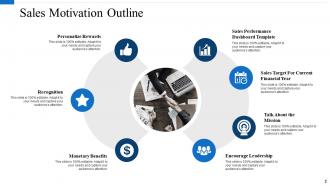
Slide 2: This slide presents Sales Motivation Outline with these main points we have listed- Monetary Benefits, Recognition, Personalize Rewards, Sales Target For Current Financial Year, Talk About the Mission, Encourage Leadership, Sales Performance Dashboard Template.
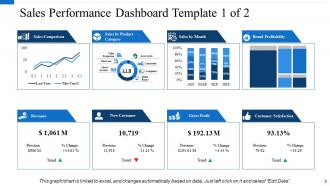
Slide 3: This slide showing about Sales Performance Dashboard Template 1 of 2.
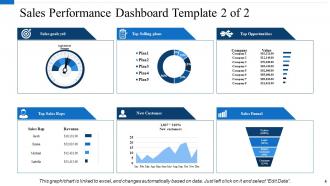
Slide 4: This slide shows Sales Performance Dashboard Template 2 of 2. With this you can add your performance analysis.
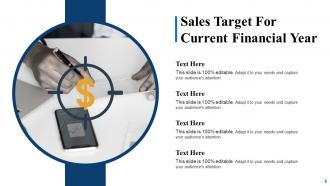
Slide 5: This slide presents about Sales Target For Current Financial Year.
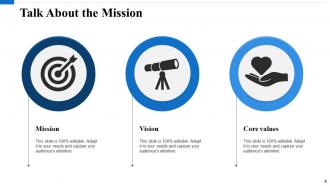
Slide 6: This slide shows Talk About the Mission- Mission, Vision, Core values.
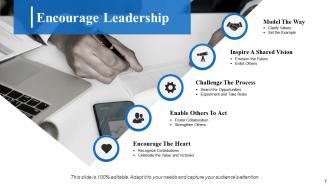
Slide 7: This slide shows Encourage Leadership with these points and imagery background- Model The Way, Inspire A Shared Vision, Envision the Future, Enlist Others, Challenge The Process, Search for Opportunities, Experiment and Take Risks, Encourage The Heart, Recognize Contributions, Celebrate the Value and Victories, Enable Others To Act, Foster Collaboration, Strengthen Others.
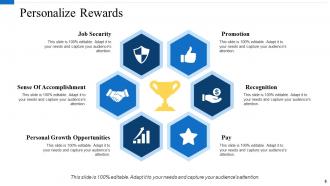
Slide 8: This slide showcases Personalize Rewards- Promotion, Recognition, Pay, Personal Growth Opportunities, Sense Of Accomplishment, Job Security.
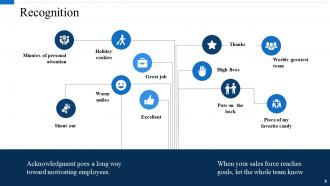
Slide 9: This slide shows Recognition with these categories- Pats on the back, Piece of my favorite candy, Thanks, High fives, Minutes of personal attention, Holiday cookies, Warm smiles, Great job, Excellent, Shout out, Worlds greatest team,
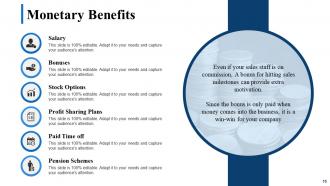
Slide 10: This slide presents Monetary Benefits with these six points- Salary, Bonuses, Profit Sharing Plans, Paid Time off, Stock Options, Pension Schemes.
Slide 11: This slide shows Coffee Break image.
Slide 12: This slide presents Sales Performance Icon Slide.
Slide 13: This is showing Sales Performance Icon Slide Continued…
Slide 14: This slide displays the title Charts & Graphs.
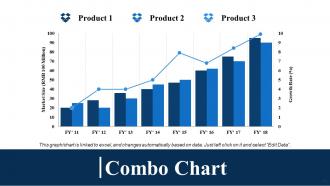
Slide 15: This slide shows Combo Chart. You can use it
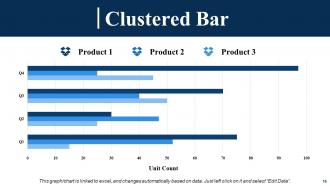
Slide 16: This slide showcases Clustered Bar. You can use it for the comaprison.
Slide 17: This slide is titled Additional slides.
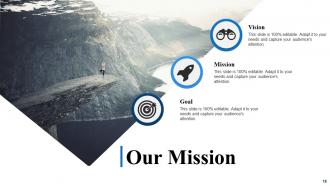
Slide 18: This slide contains Our Mission with text boxes.
Slide 19: This slide helps depict Our Team with text boxes.
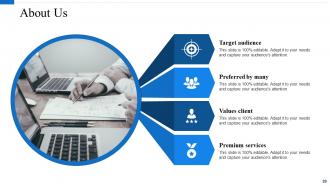
Slide 20: This slide helps show- About Our Company. The sub headings include- Creative Design, Customer Care, Expand Company
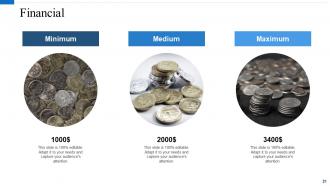
Slide 21: This slide is titled as Financials. Show finance related stuff here.
Slide 22: This is a Thank You image slide with Address, Email and Contact number.
Sale performance powerpoint presentation slides with all 22 slides:
Folks genuinely believe you care due to our Sale Performance Powerpoint Presentation Slides. Be able to express intangible emotions.





FAQs for Sale performance
Focus on conversion rate first - that's your bread and butter. Then track average deal size, sales cycle length, and revenue per rep. Customer acquisition cost is massive too, but honestly most teams totally ignore it and then act shocked when they're bleeding money. Pipeline velocity and win rate by source will show you which channels actually work vs the ones that just look pretty on paper. Stick to maybe 5-6 metrics tops and review them weekly. Don't get sucked into those crazy dashboards with like 20 different charts - you'll just confuse yourself. Master these basics first, then get fancy later.
Dude, it's night and day compared to the spreadsheet hell we used to live in. Your CRM tracks everything automatically - every call, email, meeting. No more waiting weeks for reports. Real-time dashboards show you conversion rates, which deals are gonna close, how each rep is doing. The AI stuff actually predicts outcomes pretty well too, though I was skeptical at first. You get instant visibility instead of manually pulling data all the time. Just make sure whatever tools you pick talk to each other - nothing worse than juggling five different platforms to see what's happening.
Dude, training your sales team is a game changer. Your reps get way better at handling those annoying objections and actually reading what customers want. Confidence goes through the roof when they know their stuff inside and out. I read somewhere that companies with solid training see like 50% higher sales per employee - pretty crazy numbers. Things change so fast in sales too, so keeping everyone updated on new tools is huge. Oh, and don't just do generic training. Figure out where your team's struggling most and focus there first. That's where you'll see the biggest impact on closing deals.
Honestly, market trends will mess with your sales strategy whether you like it or not. Your messaging has to shift when customer priorities change - I mean, look how fast remote work flipped everything upside down. We had to throw out our entire pitch deck practically overnight during COVID (still bitter about that tbh). You can't just copy-paste last quarter's approach when trends move. Track 2-3 industry indicators each month. Build some wiggle room into your processes so you're not scrambling when things shift. Short bursts work better than overthinking it.
Start by digging into your data to see where they're actually failing - lead quality? Closing? Not enough calls? Once you know that, do targeted coaching instead of those generic training sessions (which honestly just waste everyone's time). Get rid of any manual busywork that's eating up their day. Maybe your territories or quotas are just unrealistic too - I've seen that kill teams before. Pick one thing to fix first and see if it moves the needle. Then tackle the next issue. Don't try to overhaul everything at once or you'll just create chaos.
Honestly, your biggest problem is probably that sales and marketing aren't actually communicating - and I mean real conversations, not those endless email threads that accomplish nothing. Get them in a room weekly to hash out what's working. Both teams need to agree on who you're actually trying to reach first, otherwise marketing's sending leads that sales will just ignore. Here's what's worked for me: create shared revenue goals that both sides have to hit together. Sales needs to tell marketing which leads suck and why. Marketing needs to understand what actually closes deals. Those vanity metrics everyone loves? Forget them. Focus on money coming in the door.
Look, customer feedback is honestly way more telling than just hitting your numbers. Revenue's great but feedback shows you *how* you're getting there - and whether you can keep it up. Like, are your clients actually happy with how you communicate? Do they feel heard? That directly affects whether they'll stick around or send referrals your way. I've seen people crush their quarterly goals while customers complain about feeling rushed or pressured. That always backfires eventually. Regular check-ins and quick surveys help you catch patterns before they become problems. Way better than finding out the hard way.
So basically, you feed your analytics tools clean data from your CRM and sales reports, then they can spot patterns in your historical sales. Pretty neat stuff honestly. The models look at seasonal changes, market conditions, customer behavior - all that jazz. You'll see which products might tank or blow up, plus when your busy seasons hit. Oh and external events too, like how a recession might mess with your numbers. Start tracking your current metrics better first though. Without solid data going in, these predictive models are pretty useless. But yeah, they get scary accurate once you've got enough info flowing through them.
Start with your last 2-3 quarters as a baseline - that's your reality check. Then I'd bump it up 10-15% because honestly, people usually hit what you expect them to. Don't do cookie-cutter targets though. Some reps can handle way more than others. Market stuff matters too - new products, territory changes, whatever's coming down the pipe. Oh, and break those annual numbers into monthly chunks so you're not scrambling in December wondering what happened. Big tip: get your reps involved in setting these numbers. They'll actually try to hit goals they helped create.
Honestly, conversion rates at each funnel stage will tell you everything you need to know. Track how many people go from awareness → interest → decision → purchase. I'm weirdly obsessed with finding those drop-off points because that's where the magic happens. Also grab your average deal size, sales cycle length, and cost per acquisition. Check these weekly, not monthly - you'll catch trends way faster that way. Oh, and don't try to fix everything at once. Find your biggest bottleneck first and hammer away at that specific problem.
Dude, it's usually three things killing your deals. Poor lead qualification is massive - your team's probably wasting time on prospects who'll never buy. Then there's the follow-up disaster where hot leads just... disappear into the void because nobody's staying on top of them consistently. Product knowledge gaps hurt too, honestly more than most people realize. Get better lead scoring set up first - that's probably bleeding you the most money right now. Automated follow-up sequences will save your butt on the consistency front. And yeah, do regular product training sessions so your reps don't sound clueless when customers ask tough questions.
Dude, team collaboration is huge for sales. I've watched teams completely bomb their targets just because everyone was hoarding leads and competing with each other - so dumb. When your reps actually share intel and best practices, close rates go way up. Complex deals especially need multiple people's expertise. The best teams I know do weekly huddles where everyone shares a win and a challenge. Sounds cheesy but it works. Also get your CRM game tight so everyone can see what's happening. Honestly, the difference between collaborative teams and siloed ones is night and day.
Ask your team what actually motivates them first - you'll be shocked at some of the answers. Mix up your approach with both individual and group stuff. Clear goals with tiered rewards work great, but don't just throw money at people. Recognition hits different sometimes. Extra PTO, good parking spots, that kind of thing. One-on-ones are clutch for understanding what makes each person tick. Friendly competition through leaderboards can be fun if your team's into that. Oh, and celebrate wins publicly - people eat that up. Basically combine the feel-good motivation with actual tangible perks.
Honestly, CRMs are like having a personal assistant for your sales stuff. You can track every conversation, see which leads are actually worth your time, and it'll remind you to follow up so you don't look like an idiot who forgot. The pipeline thing shows you exactly where each deal stands. What I love most though? The data shows you what's actually working in your sales process - way better than just guessing. Oh and the automation saves so much time. Just dump your contacts in there first, set up some basic stages, and you'll start closing more deals. Trust me on this one.
Honestly, CRM is what keeps your sales game strong long-term. You'll build better relationships that actually turn into repeat customers and referrals. All that customer data - their preferences, past purchases, when you last talked - helps you stay on top of their needs without looking like you forgot everything. Let's face it, our brains aren't filing cabinets anymore! It also shows you which clients are worth your time (some definitely aren't). The trick is actually logging stuff consistently. Even basic notes about calls will save your butt when you're trying to close deals later.
-
Out of the box and creative design.
-
Easy to edit slides with easy to understand instructions.