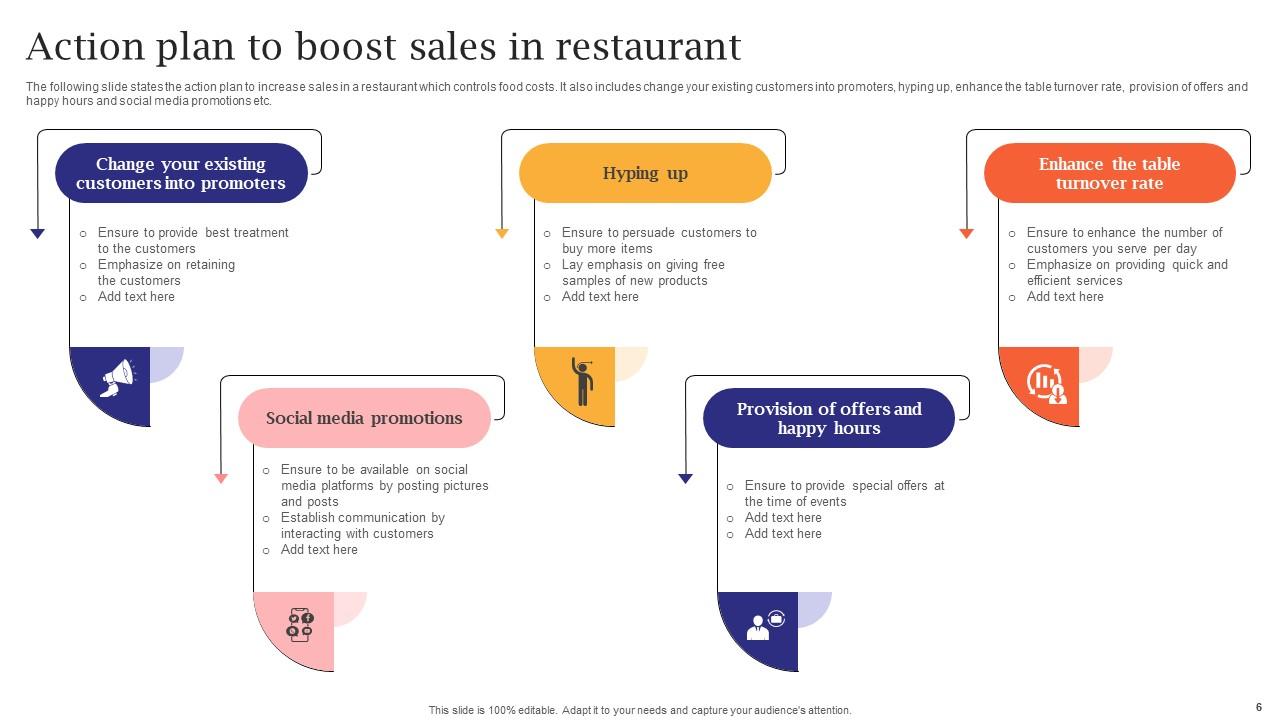
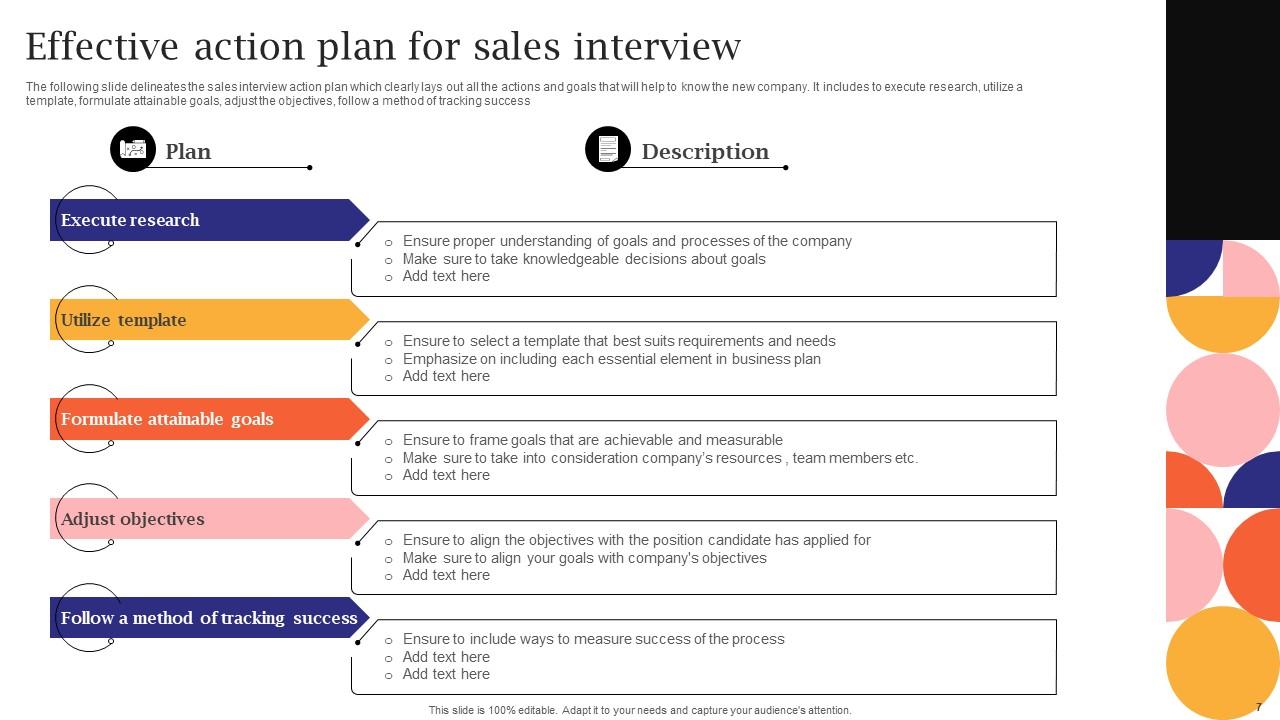
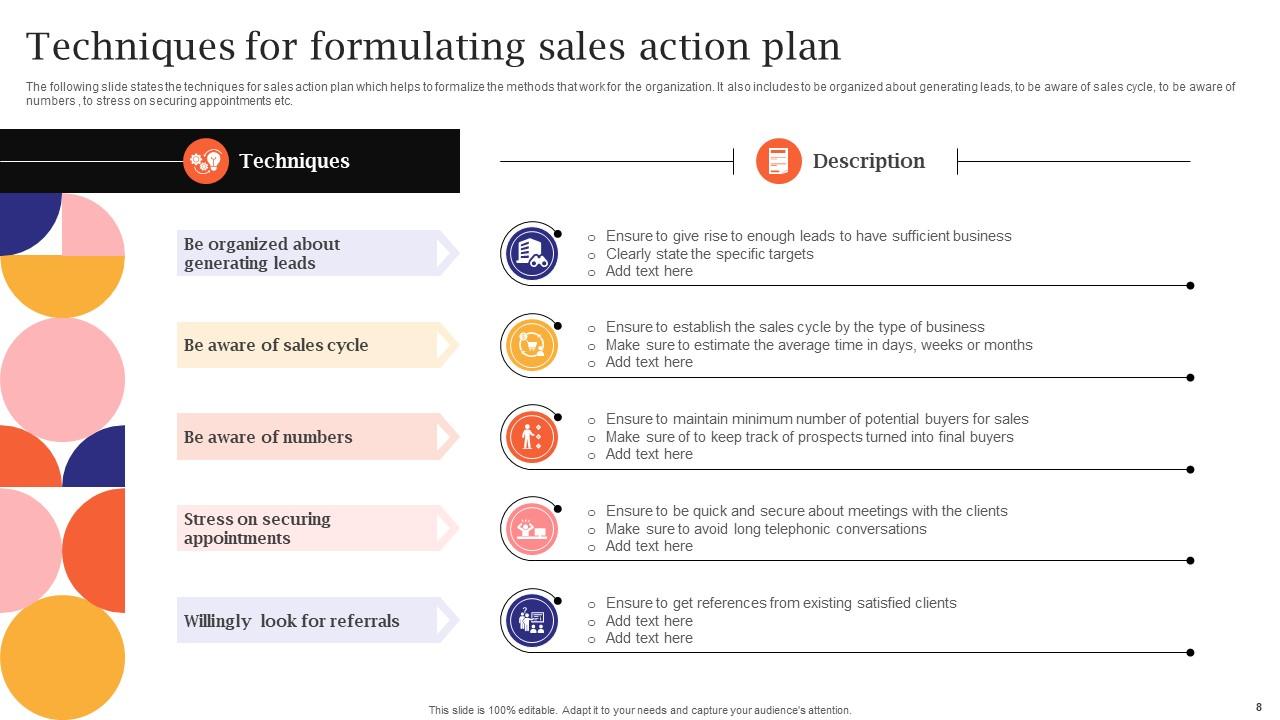
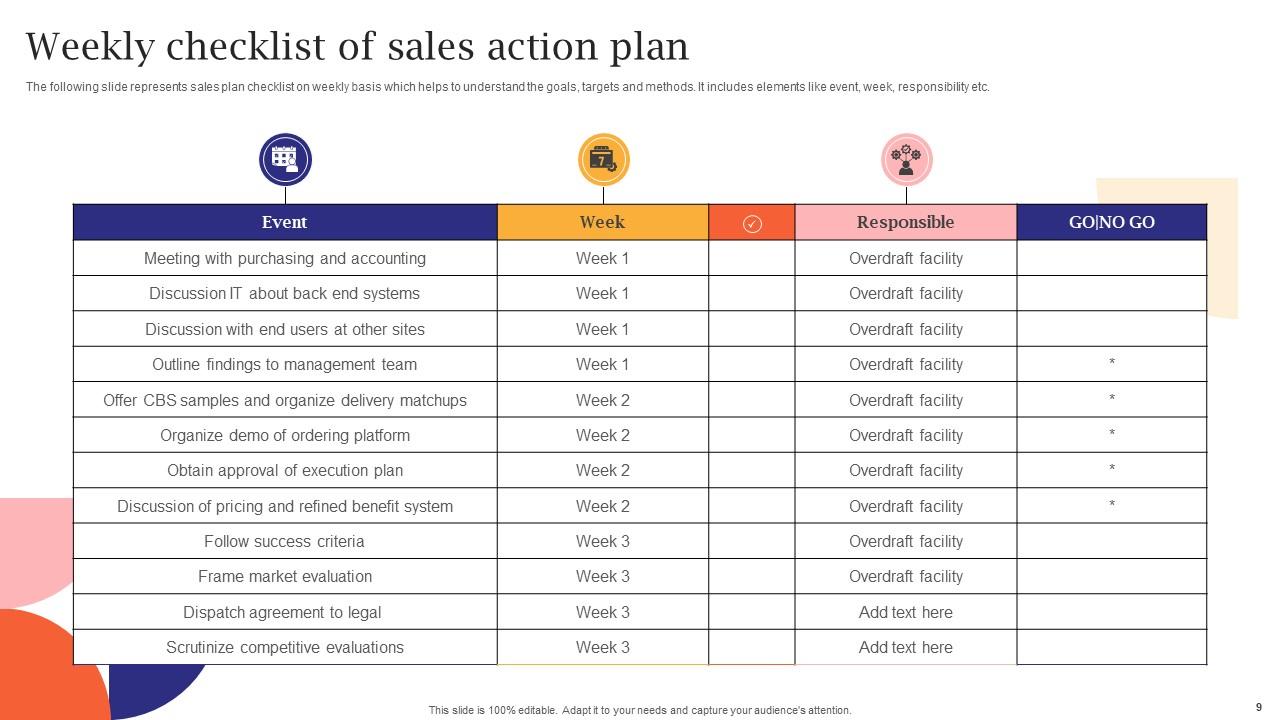
Sales Action Plan Powerpoint Ppt Template Bundles
Try Before you Buy Download Free Sample Product
Audience
Editable
of Time
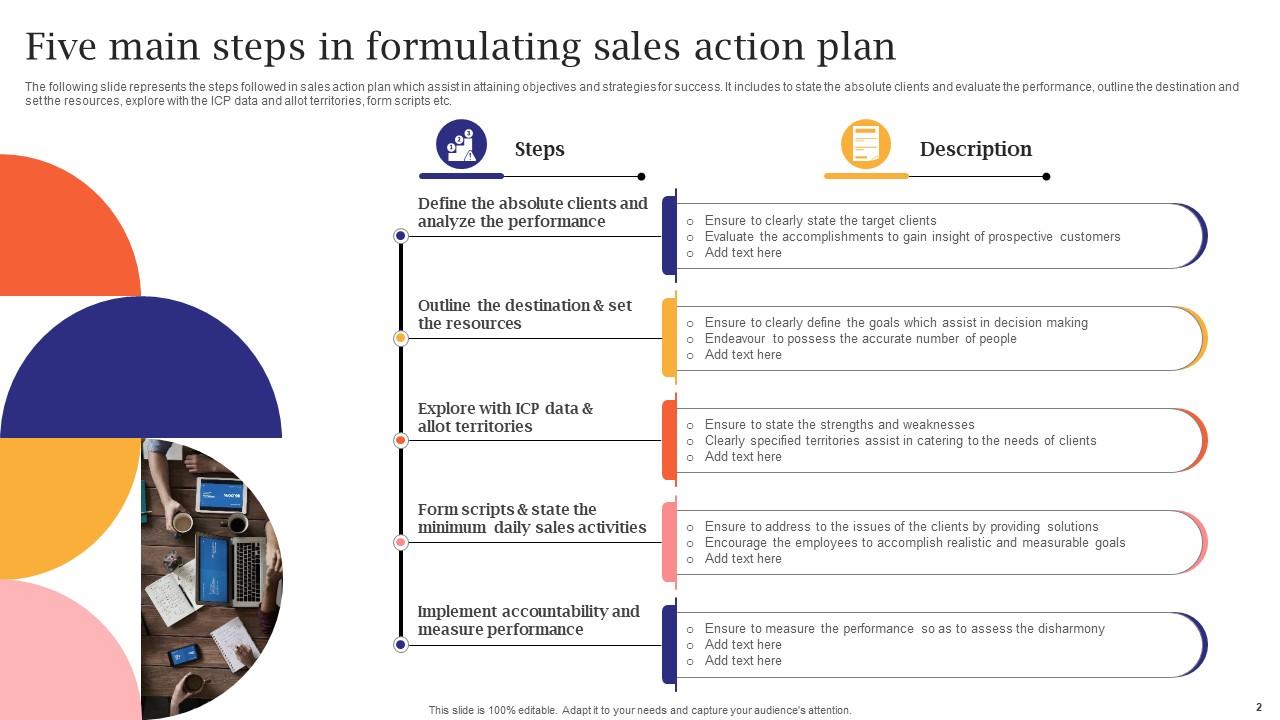
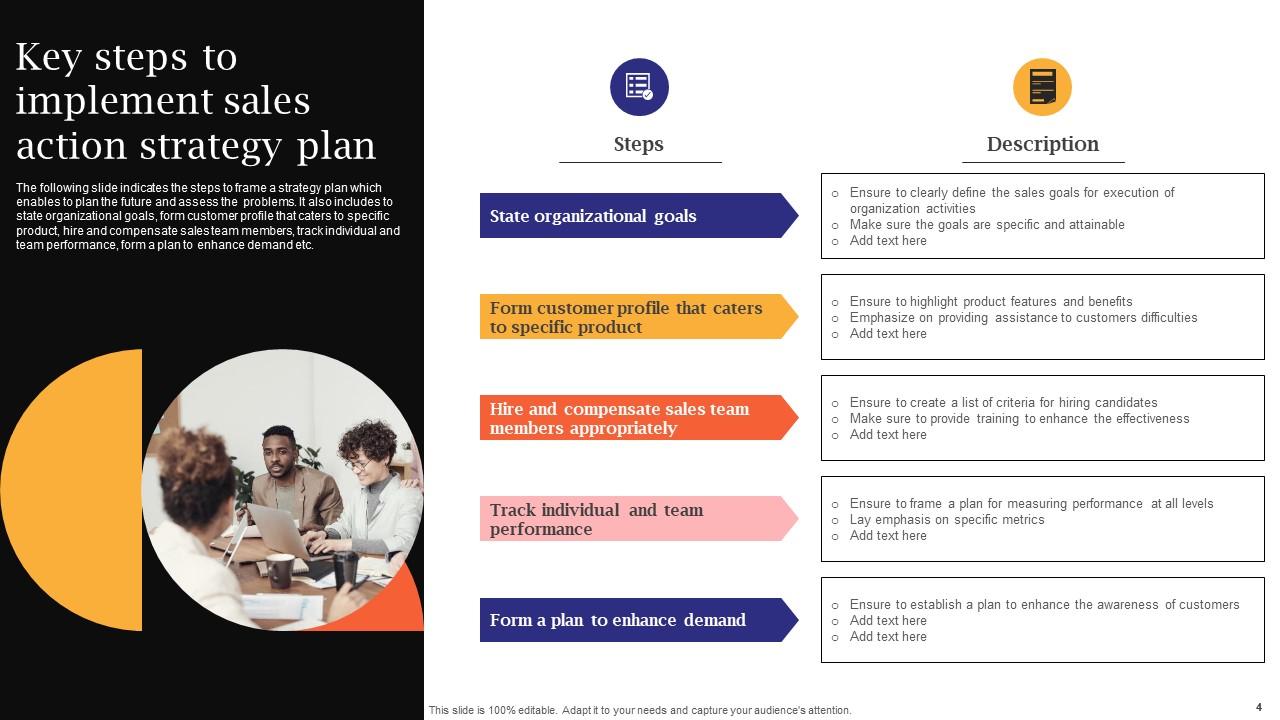
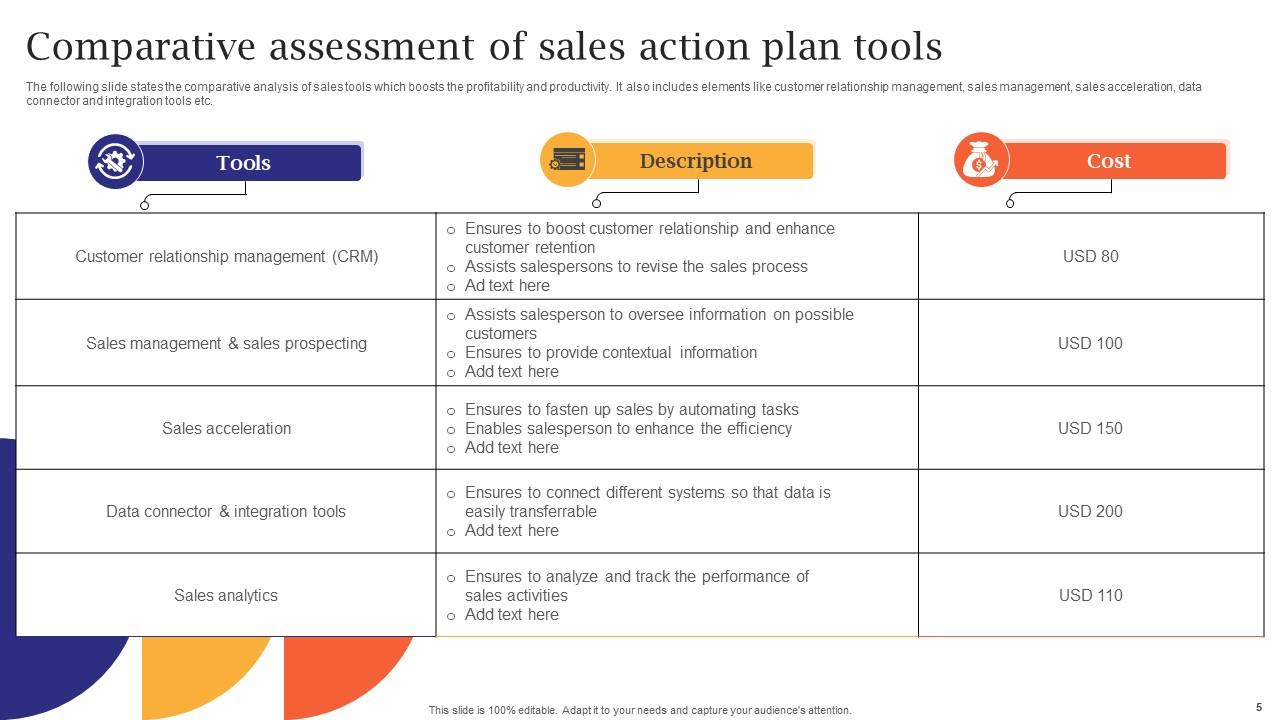
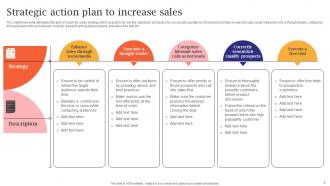
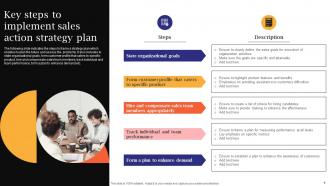
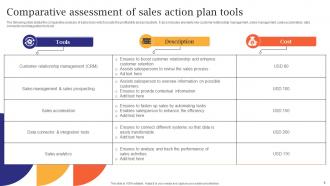
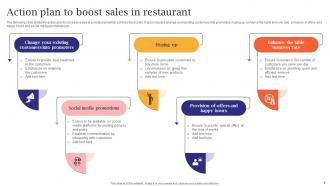
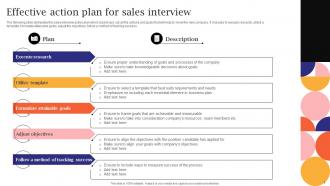
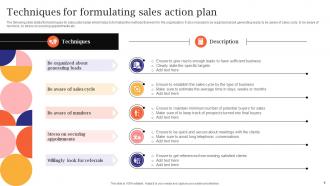
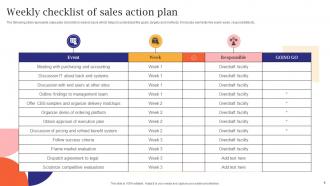
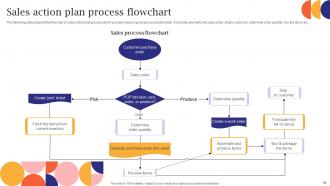
This dynamic presentation tool encompasses all the key elements necessary for a successful sales strategy. With a strong focus on sales goals and target market analysis, it provides a clear roadmap to achieve your objectives. The template also emphasizes lead generation and prospecting techniques, equipping your team with effective tools to identify and engage potential customers. Furthermore, it outlines the sales pipeline, guiding you through the various stages of the sales process and ensuring a systematic approach to closing deals. Featuring visually appealing slides and customizable content, our Sales Action Plan PPT empowers you to present your sales strategy with confidence and precision. Elevate your sales performance and conquer new markets with this indispensable resource.
People who downloaded this PowerPoint presentation also viewed the following :
Sales Action Plan Powerpoint Ppt Template Bundles with all 18 slides:
Use our Sales Action Plan Powerpoint Ppt Template Bundles to effectively help you save your valuable time. They are readymade to fit into any presentation structure.
FAQs for Sales Action Plan Powerpoint
Look, you need five things that actually matter: solid revenue targets with real deadlines, customer segmentation (because selling to a CEO vs. a junior manager is totally different), some kind of lead generation system, clear sales processes, and - this is where most people mess up - tracking your numbers regularly. Seriously, I see people skip the tracking part all the time and then they're confused why nothing's happening. Oh, and don't try to sell the same way to everyone. That never works. Start with your targets first, then figure out the rest from there.
Look, first figure out what your company actually cares about this year - revenue numbers, new markets, keeping customers happy, whatever. Then build your sales plan around those specific goals. If they want growth in healthcare or something, that's where you focus your outreach. Pretty straightforward stuff, but I swear most sales teams just do their own thing instead of connecting the dots. The key is staying in touch with other departments regularly. Business priorities change fast, and you don't want to be the person still chasing last quarter's targets while everyone else moved on.
Track both leading and lagging stuff - call volume, emails, meetings booked show your team's actually working. Then conversion rates at each funnel stage plus revenue metrics like deal size and close time. Pipeline velocity is massive (honestly most people miss this completely). Customer feedback scores matter too but don't go crazy with data. Pick maybe 5-7 metrics tops or you'll drown in numbers. Simple dashboard, check it weekly to catch trends. Oh and make sure everyone knows which numbers they're supposed to move - sounds obvious but you'd be surprised how often that gets skipped.
Look, I'd check your sales plan monthly - bare minimum. Every quarter, do a real deep dive though. Sales moves crazy fast and your plan has to keep up. What worked last month might be dead now. Market shifts happen, new opportunities come out of nowhere, plus you figure out which tactics actually work vs. the ones that just sound good on paper. Put it in your calendar as a recurring thing or you'll totally forget. Don't just phone it in either - actually look at your numbers, see what's broken, and change direction when you need to. Future you will definitely appreciate it.
Customer segmentation is honestly where everything starts - it shapes your whole sales strategy. Look at your current customers and group them by company size, industry, or whatever pain points they have. Then customize how you approach each group. Like, you'd never pitch a 10-person startup the same way you would some massive enterprise, that's just common sense. Once you've got 3-4 clear segments figured out, you can prioritize which prospects are worth your time and build specific strategies for each. It's way more effective than just throwing generic pitches at everyone and hoping something sticks.
Honestly, a good CRM completely changes how your sales plan actually works. Instead of some document sitting in a folder, you're tracking real conversations and getting reminders when it's time to follow up. The visual stuff is pretty cool too - you'll start seeing patterns that would've been impossible to catch in boring spreadsheets. Most of them sync with your email and calendar anyway, so no more app-hopping. What really sold me though? Everyone on your team finally knows what's happening and who's doing what. My advice: just pick the one feature that'll solve your biggest headache right now and expand later.
Honestly, most plans crash because people stop talking to each other after week one. Get your roles sorted upfront - who's doing what - then set up those regular check-ins religiously. I swear by shared dashboards so nobody's guessing where things stand. Your sales team needs to feel safe bringing up problems early instead of letting stuff spiral. Oh, and actually listen when they tell you what's broken! Half the battle is creating those feedback loops where people can be real about what's working (and what totally isn't), then tweaking things accordingly.
Look, first figure out what you're actually trying to hit - more revenue? New customers? Whatever it is, work backwards from there. Pick the stuff that actually moves the needle: conversion rates, deal size, how long your sales cycle takes. Activity metrics like calls and meetings matter too, obviously. But here's the thing - don't go crazy with tracking everything under the sun. I'd stick to maybe 3-5 KPIs max. Your team will thank you for it. Also make sure you can actually get the data without jumping through hoops, because if it's a pain you'll just stop doing it after a few weeks.
Honestly, break everything down into weekly chunks you can actually track - that's saved my butt so many times. Communication is where most plans go to die, so do those check-ins and don't skip them when things get busy. Figure out early what you absolutely need vs the nice-to-haves (trust me on this one). When people push back, don't just bulldoze through. There's usually a reason they're hesitant. Oh, and always pad your timeline because something random will definitely blow up. I learned that the hard way!
Look, market research is basically your cheat sheet for not screwing up your sales strategy. Figure out who actually wants to buy from you and what problems they're dealing with. Check out what your competitors are doing wrong (or annoyingly right). Then use all that to set targets that aren't completely unrealistic and pick the right places to sell. Honestly, going in blind is just asking for trouble. Find 2-3 solid insights from your research and build everything around those. Oh, and pay attention to how people actually want to buy stuff - nobody likes being sold to the wrong way.
Dude, training is basically what separates a good sales plan from total disaster. Your team can have the prettiest strategy ever, but if they don't know how to actually execute it? You're screwed. I've watched so many companies skip the training budget thinking they'll figure it out. Wrong move. Reps need those skills to hit your targets, and honestly, the market changes too fast to wing it. Development keeps everyone sharp and on the same page methodology-wise. Seriously, pay for proper training upfront or you'll just end up with an expensive piece of paper nobody follows.
Dude, your sales plan is basically useless if your team doesn't actually want to execute it. I've watched so many good strategies crash because nobody was motivated to follow through. The key? Build in rewards that match what actually drives results - maybe competitions for call volume AND quality, not just hitting numbers. Recognition works great too. Pick stuff that fits your team's vibe though, since what pumps up one group might totally fall flat with another. Oh and milestone rewards are clutch for keeping momentum going. Trust me, the right motivation turns a boring action plan into something people actually get excited about.
Strategy is your big picture stuff - who you're targeting, why you'll win, what makes you different. Action plans get into the weeds with actual tasks and deadlines. Like strategy says "we're going after healthcare companies." Your action plan breaks that down: call 15 prospects this week, hit up that medical conference next month, whatever. Most people (myself included sometimes) just dive into the doing without figuring out the strategy first. Bad move. You'll just spin your wheels doing random stuff that doesn't connect to anything bigger. Strategy first, then build your action plan around it.
Look, you can't just copy-paste the same approach everywhere - each region has totally different buying habits and what people actually respond to. Northeast folks might want those long relationship-building calls, while Southwest customers probably just want you to cut to the chase with hard numbers. I'd start by figuring out local competition and how price-sensitive each market is. Communication styles matter too - some places love email, others are still big on phone calls (weird, I know). Build your main template first, then get input from local teams to tweak messaging and timing for each area.
Your sales team's feedback is gold - they're out there actually doing the work while you're planning from behind a desk. I'd set up regular check-ins, both formal meetings and casual conversations. Some of my best insights have come from just grabbing coffee with reps, honestly. They'll catch problems you never saw coming and tell you what's actually landing with customers vs. what you think should work. Don't just collect their input though - act on it. Monthly feedback sessions where you actually make changes based on what they're saying. Otherwise they'll stop being honest with you.
-
Amazing product with appealing content and design.
-
The designs are super attractive. Me and my team love using SlideTeam’s presentations.