


Setting Diversity And Inclusivity Goals Powerpoint Presentation Slides
Diversity and inclusion management refers to the organizational actions which aim to promote the inclusion of employees from different regions into the company structure. Check out our competently designed template on Setting Diversity and Inclusivity Goals that is made to improve the companys current culture and introduce diversity and inclusion within the companys culture. We have covered recent state analysis, focusing on current company situation, workforce comparison based on gender, race, ethnicity, etc. Our focus is also on issues the company faces due to the lack of diversity and inclusion and survey results obtained by team members. Challenges faced due to diversity and inclusion have been covered here and its solutions. Different diversity and inclusion dimensions have been focused like diversity, diversity wheel, dimensions affecting the workplace, 3 dimensions of inclusion, and signature traits of inclusive management. This template evaluates the inclusion model wherein the creation of the competency model. We have depicted the strategies of the D and I. Diversity and inclusion program that focuses on types of D and I training methods, a program for employees and managers. The ways to implement D and I within the company have been shared here. Download it now.
Diversity and inclusion management refers to the organizational actions which aim to promote the inclusion of employees fro..






















-

- Google Slides is a new FREE Presentation software from Google.
- All our content is 100% compatible with Google Slides.
- Just download our designs, and upload them to Google Slides and they will work automatically.
- Amaze your audience with SlideTeam and Google Slides.
-

Want Changes to This PPT Slide? Check out our Presentation Design Services
-

- WideScreen Aspect ratio is becoming a very popular format. When you download this product, the downloaded ZIP will contain this product in both standard and widescreen format.
-

- Some older products that we have may only be in standard format, but they can easily be converted to widescreen.
- To do this, please open the SlideTeam product in Powerpoint, and go to
- Design ( On the top bar) -> Page Setup -> and select "On-screen Show (16:9)” in the drop down for "Slides Sized for".
- The slide or theme will change to widescreen, and all graphics will adjust automatically. You can similarly convert our content to any other desired screen aspect ratio.
Compatible With Google Slides

Get This In WideScreen
You must be logged in to download this presentation.


Do you want to remove this product from your favourites?
PowerPoint presentation slides
Deliver an informational PPT on various topics by using this Setting Diversity And Inclusivity Goals Powerpoint Presentation Slides. This deck focuses and implements best industry practices, thus providing a birds-eye view of the topic. Encompassed with fifty seven slides, designed using high-quality visuals and graphics, this deck is a complete package to use and download. All the slides offered in this deck are subjective to innumerable alterations, thus making you a pro at delivering and educating. You can modify the color of the graphics, background, or anything else as per your needs and requirements. It suits every business vertical because of its adaptable layout.

People who downloaded this PowerPoint presentation also viewed the following :
Content of this Powerpoint Presentation
Slide 1: This slide introduces Setting Diversity and Inclusivity Goals. State Your Company Name and begin.
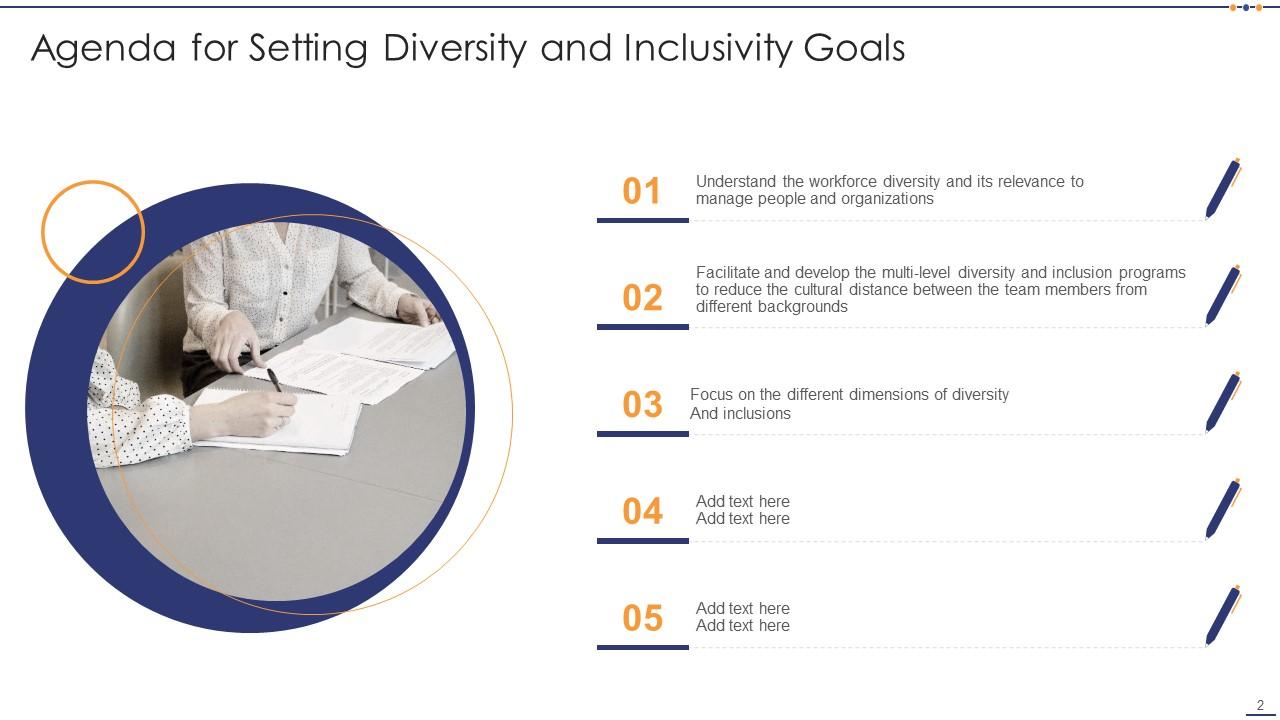
Slide 2: This slide states Agenda of the presentation.
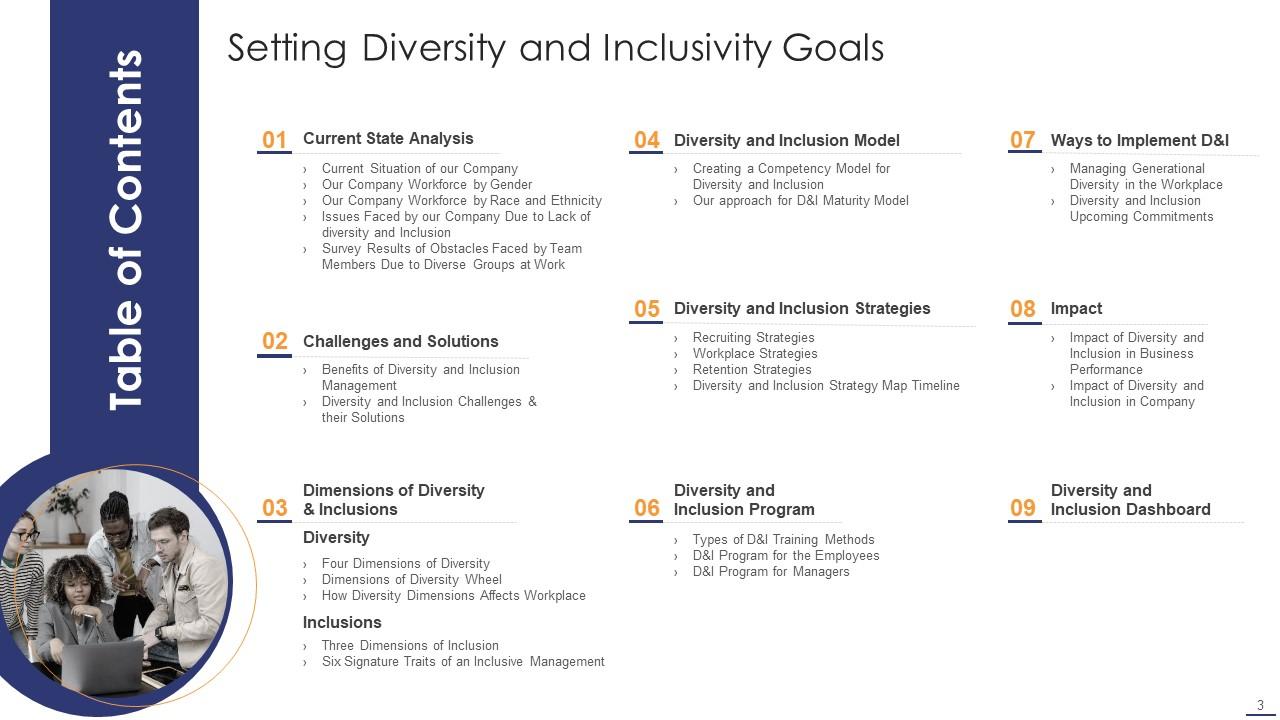
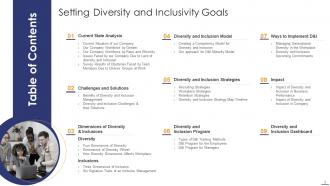
Slide 3: This slide presents Table of Content for the presentation.
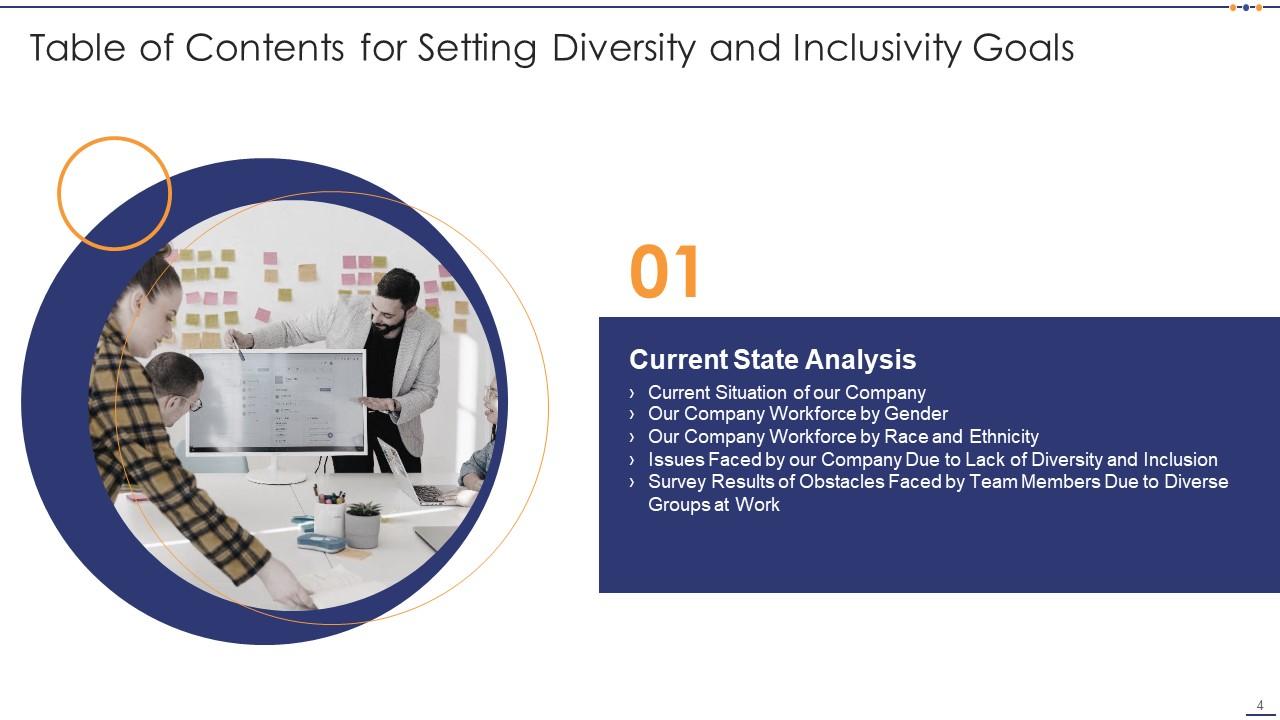
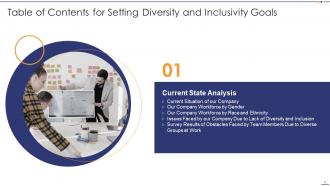
Slide 4: This slide displays various topics under 'Current State Analysis' to be covered in the template.
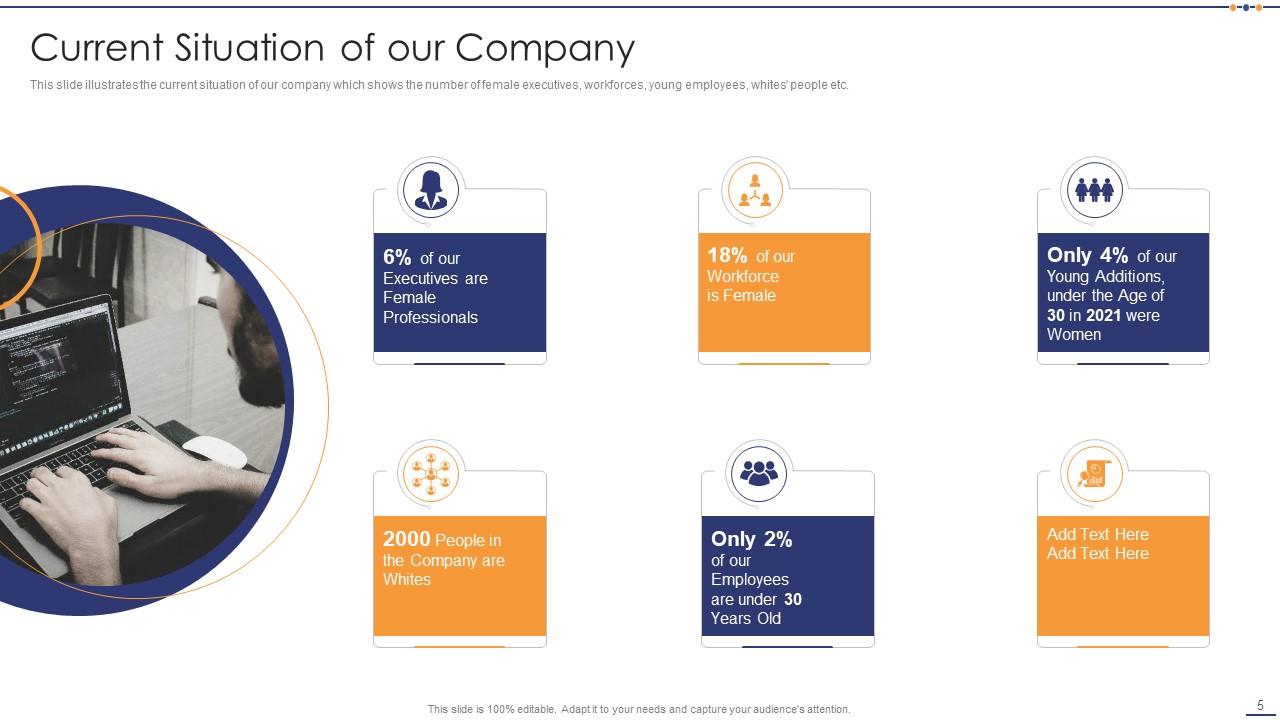
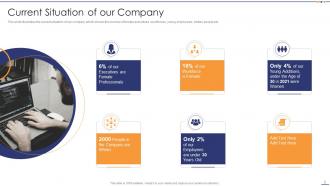
Slide 5: This slide illustrates the current situation of the company.
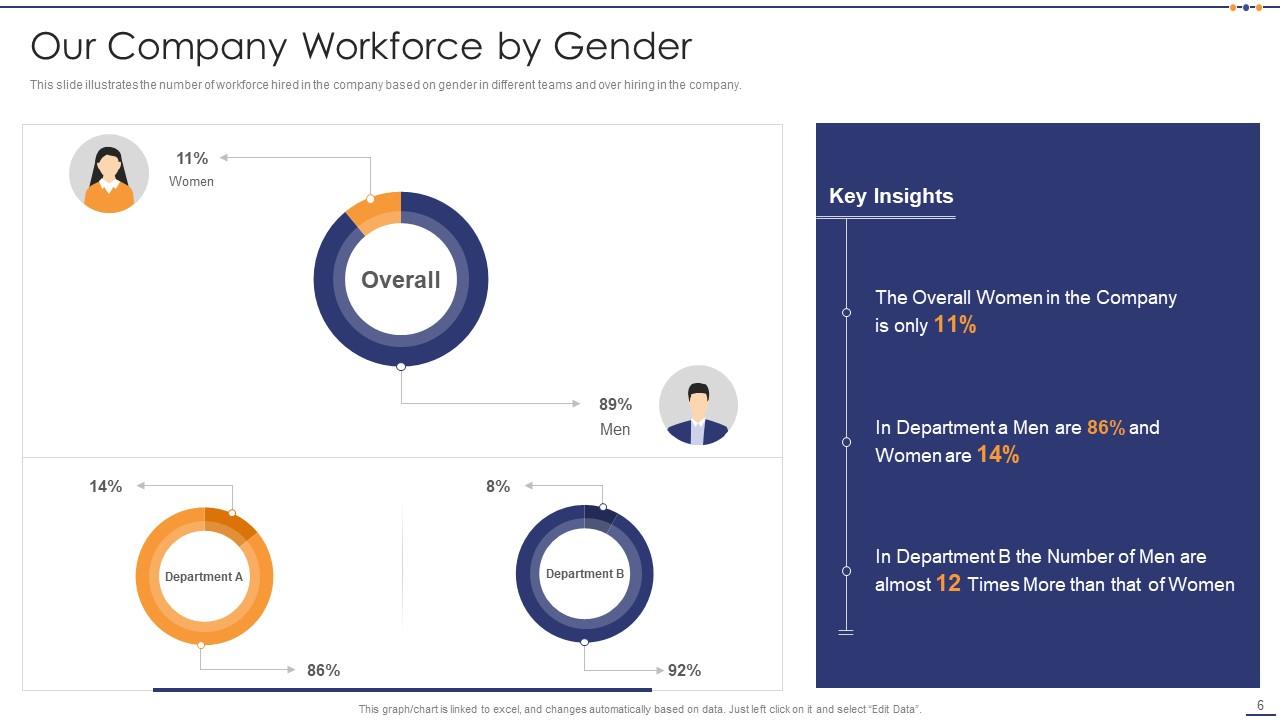
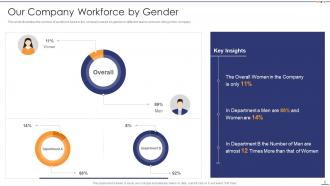
Slide 6: This slide illustrates the number of workforce in the company based on gender in different teams and over hiring.
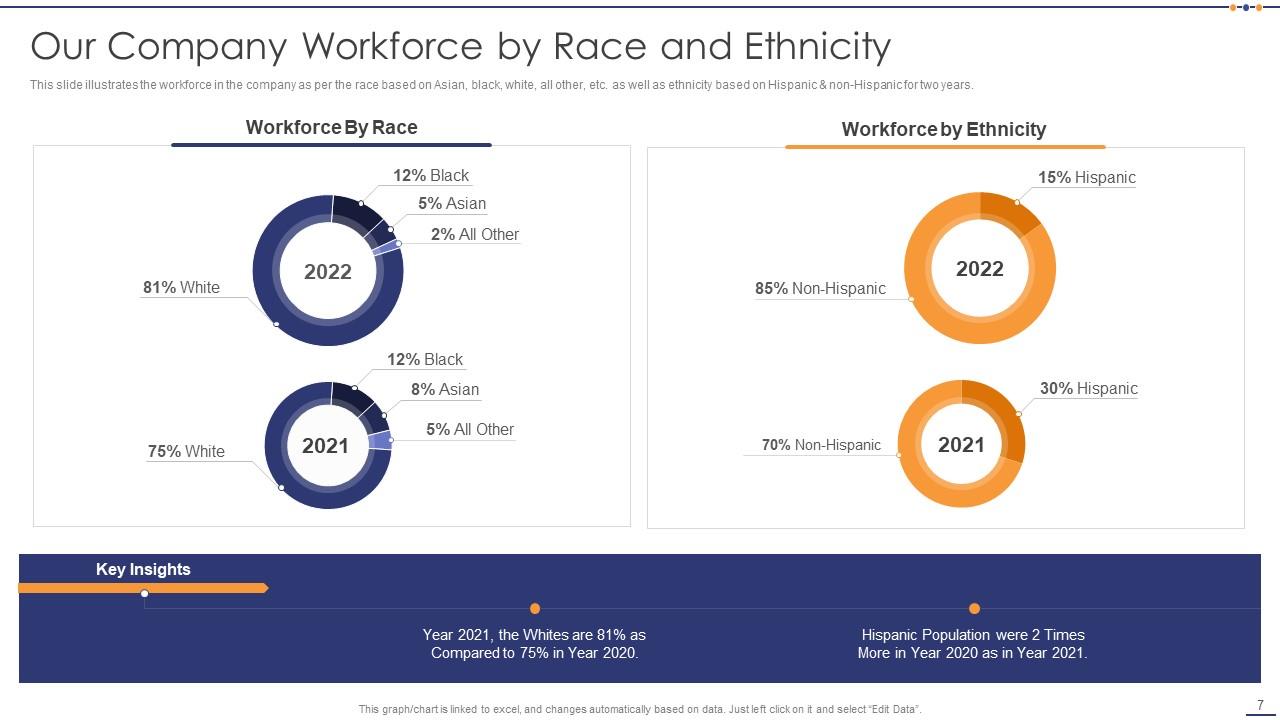
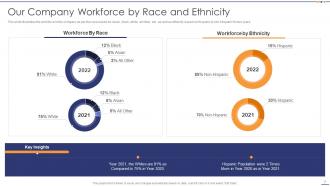
Slide 7: This slide illustrates the workforce in the company as per the race based on Asian, black etc. for two years.
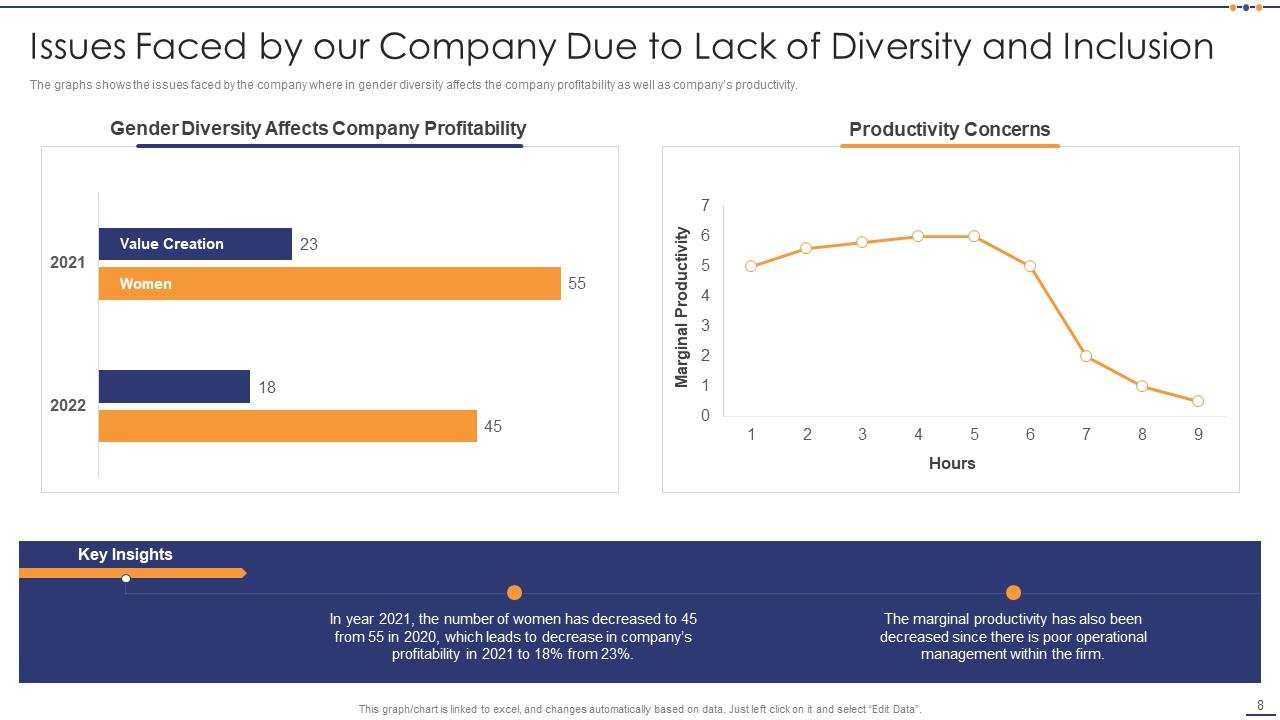
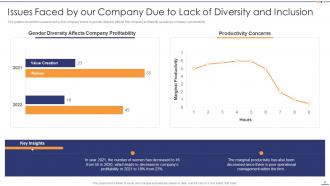
Slide 8: The slide demonstrates graphs that show the issues faced by the company like gender diversity affecting the company profitability and productivity.
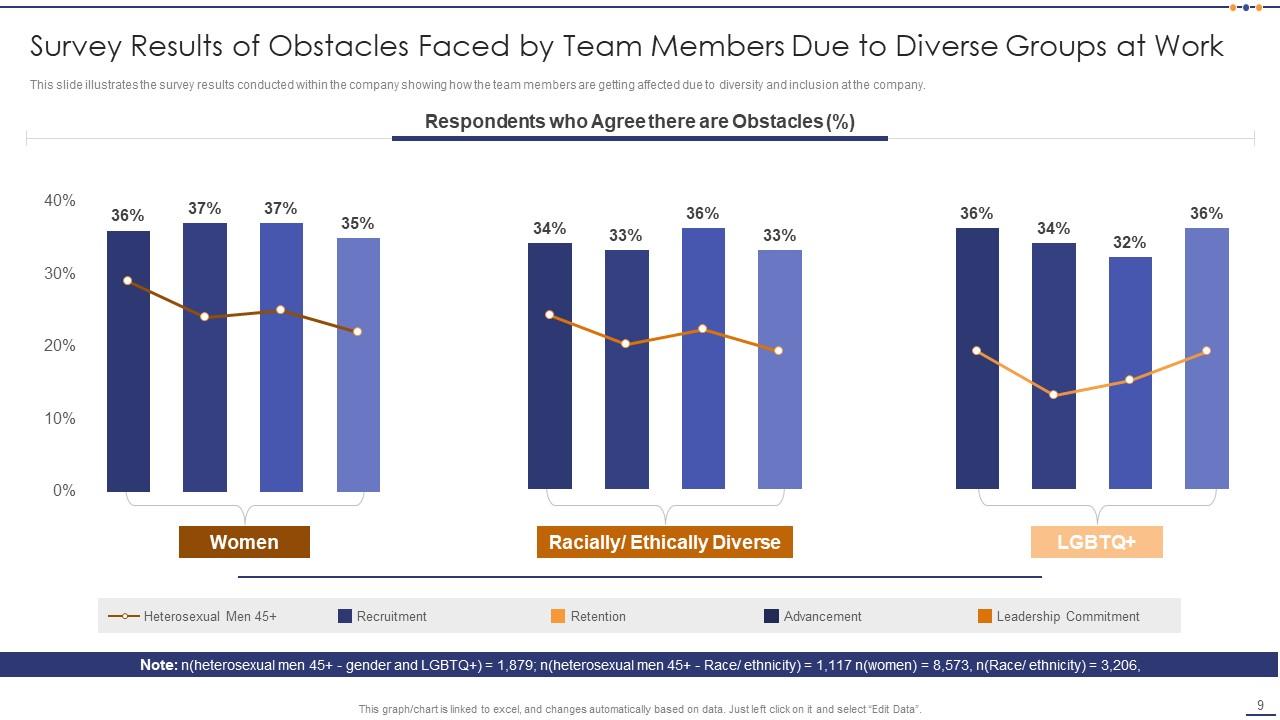
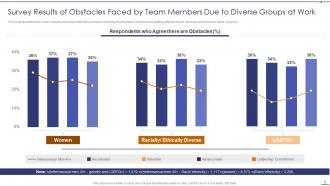
Slide 9: This slide illustrates the survey results conducted within the company showing the team members getting affected.
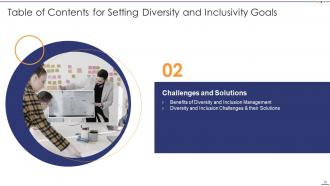
Slide 10: This slide displays two topics under 'Challenges and Solutions' to be covered in the template.
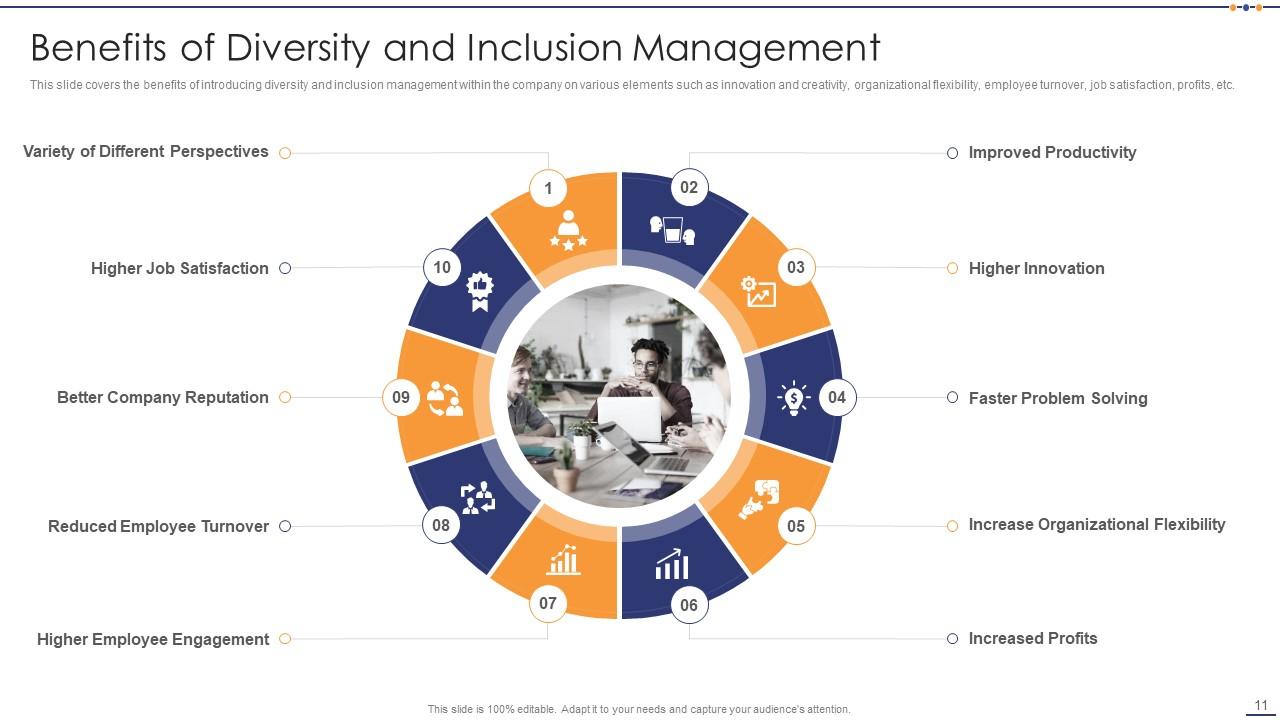
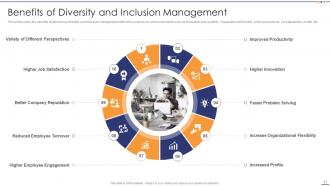
Slide 11: This slide covers the benefits of introducing diversity and inclusion management within the company on various elements.
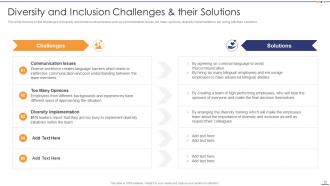
Slide 12: This slide focuses on the challenges of diversity and inclusion at workplace such as communication issues etc.
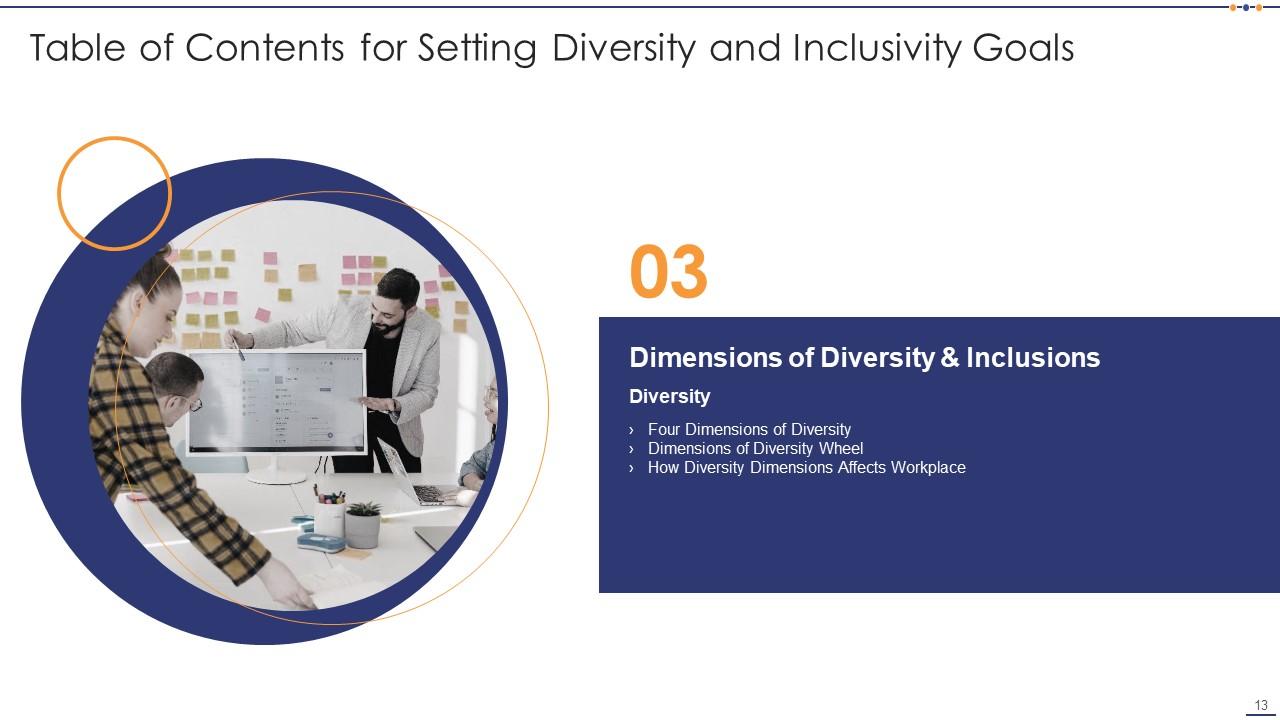
Slide 13: This slide displays three topics under 'Dimensions of Diversity & Inclusions' to be covered in the template.
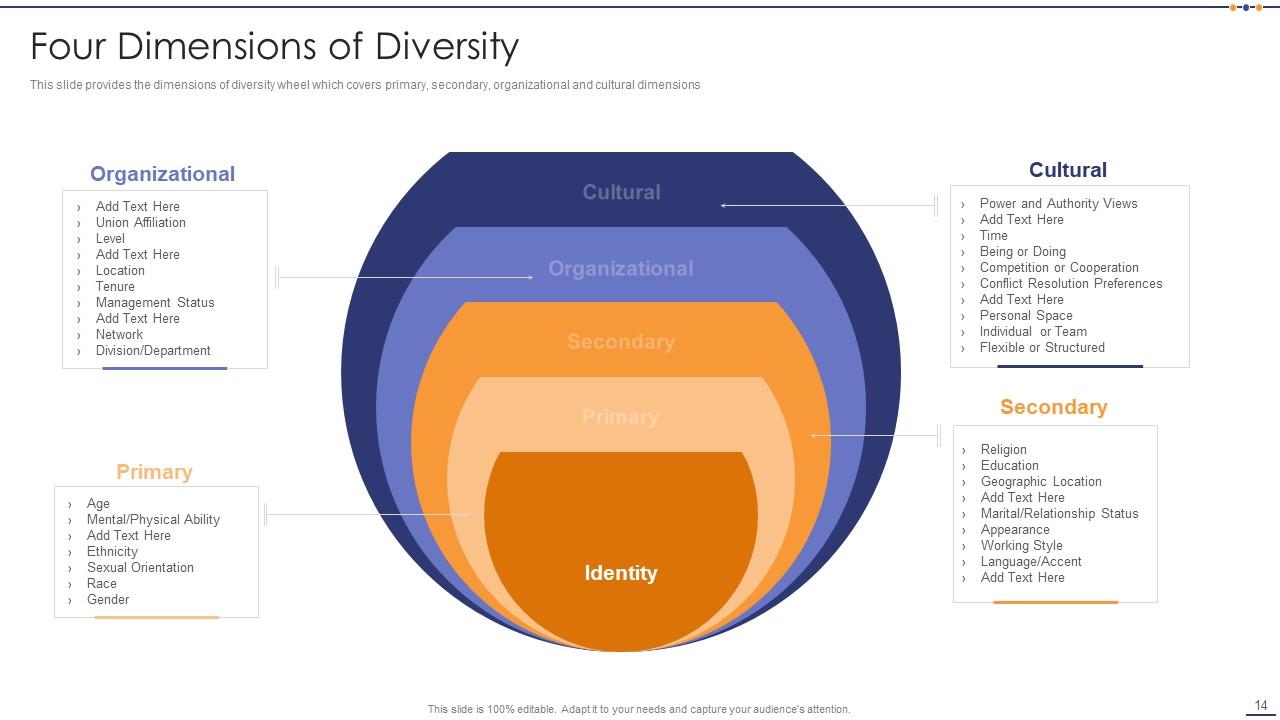
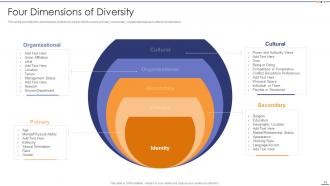
Slide 14: This slide provides the four dimensions of diversity wheel.
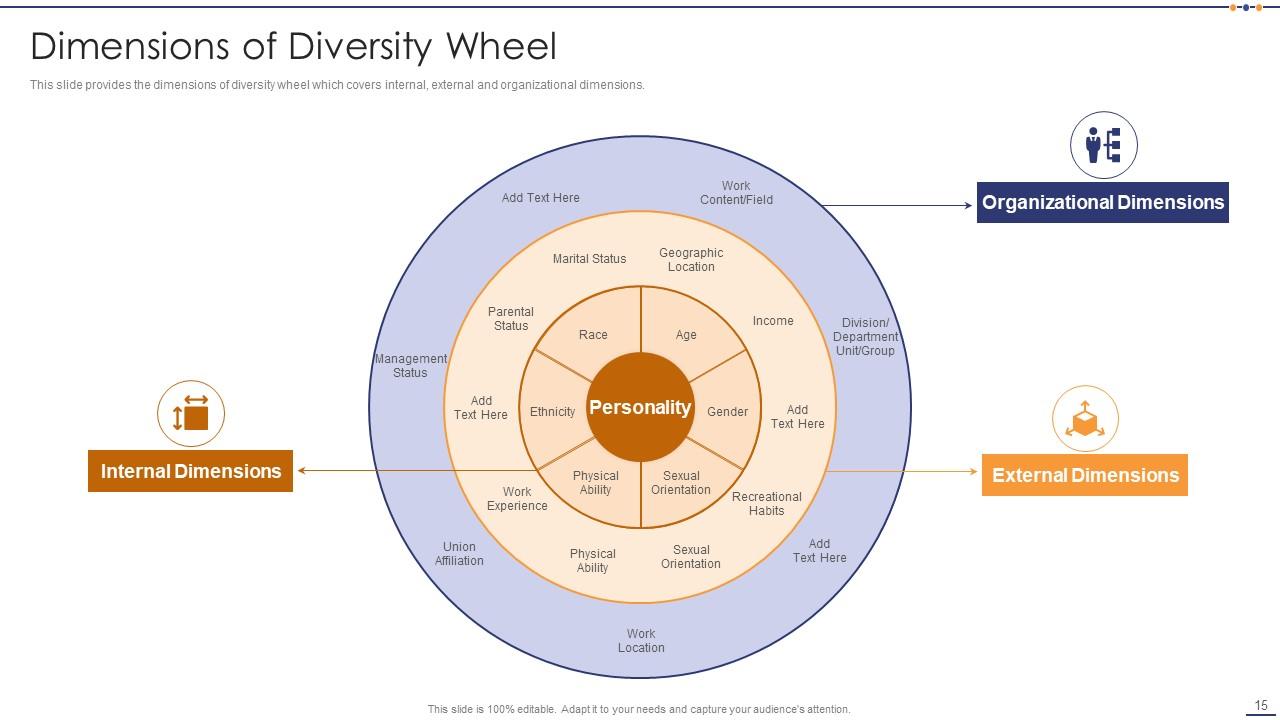
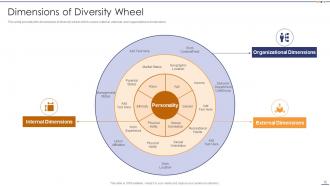
Slide 15: This slide provides the dimensions of diversity wheel.
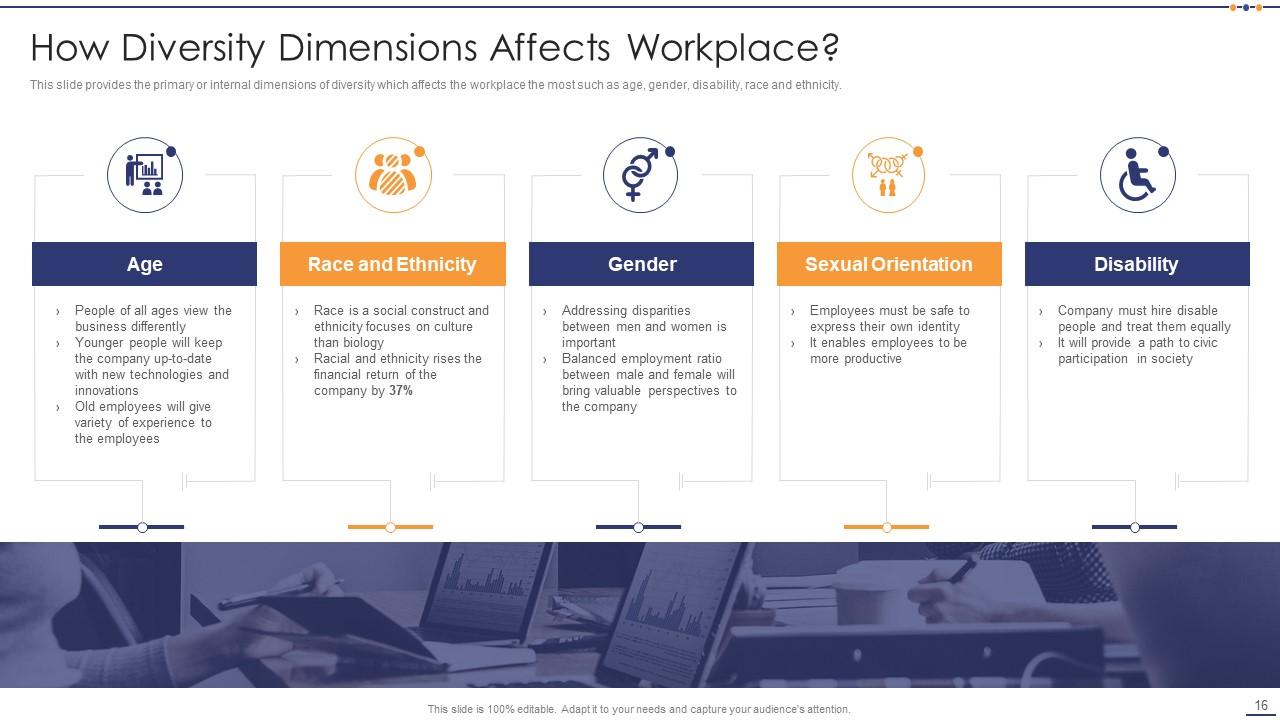
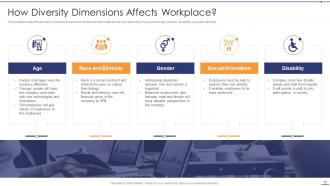
Slide 16: This slide provides the primary or internal dimensions of diversity which affects the workplace the most .
Slide 17: This slide displays topics under 'Dimensions of Diversity & Inclusions' to be covered in the template.
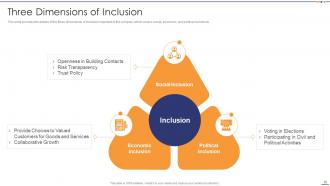
Slide 18: This slide provides the details of the three dimensions of inclusion important in the company.
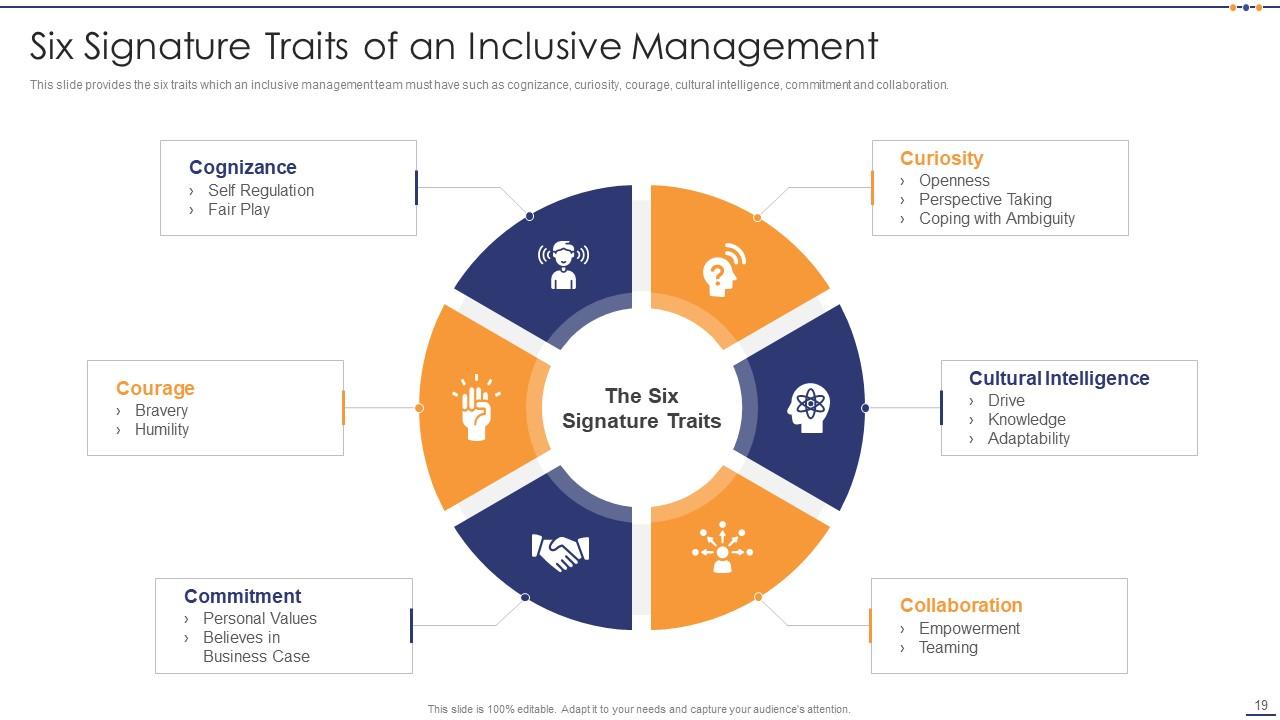
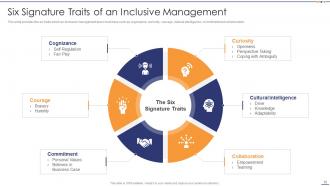
Slide 19: This slide provides the six traits which an inclusive management team must have.
Slide 20: This sli displays two topics under 'Diversity and Inclusion Model' to be covered in the template.
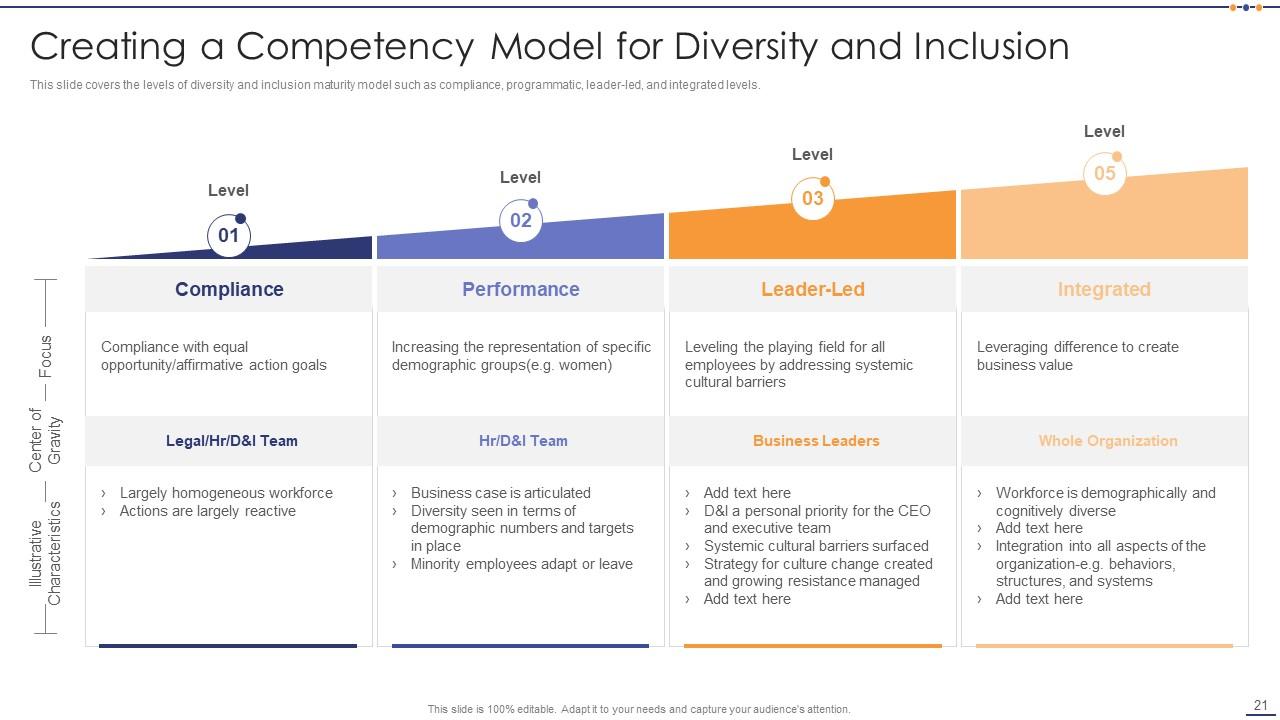
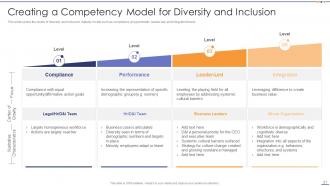
Slide 21: This slide covers the levels of diversity and inclusion maturity model such as compliance, etc.
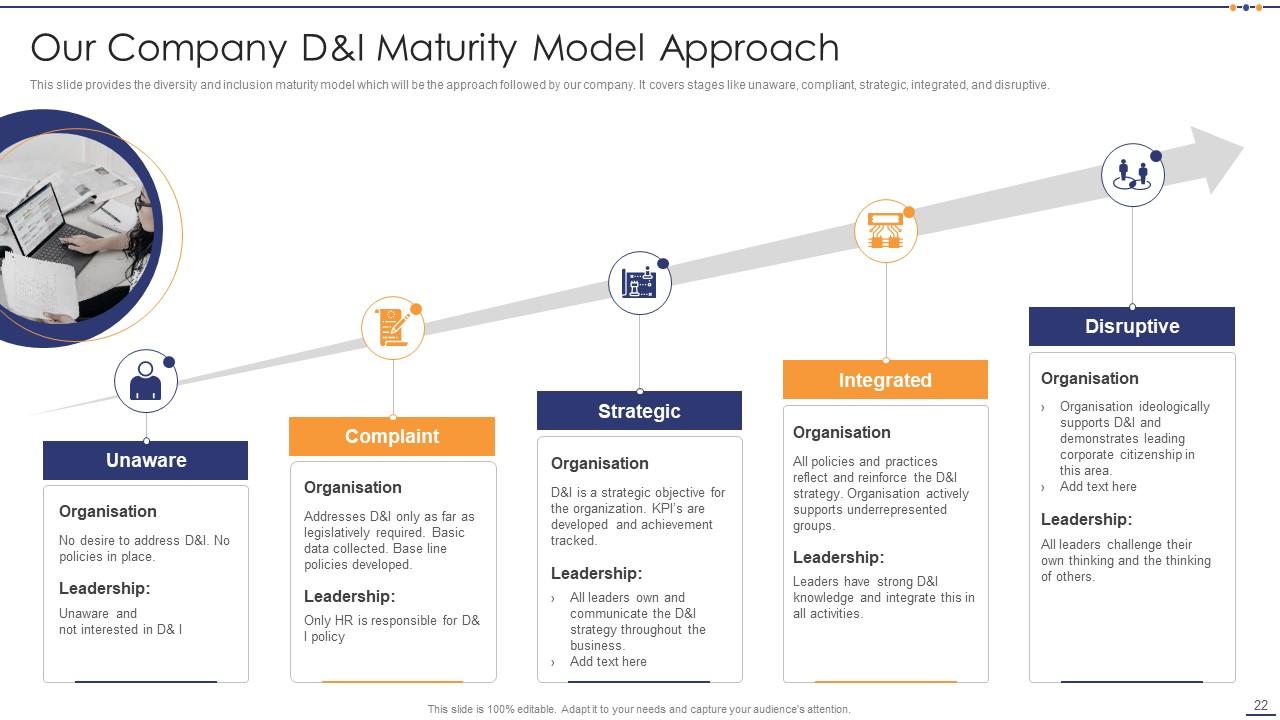
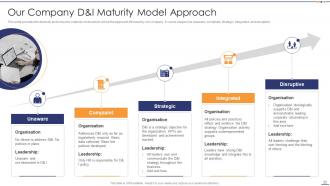
Slide 22: This slide provides the diversity and inclusion maturity model which will be the approach followed by the company.
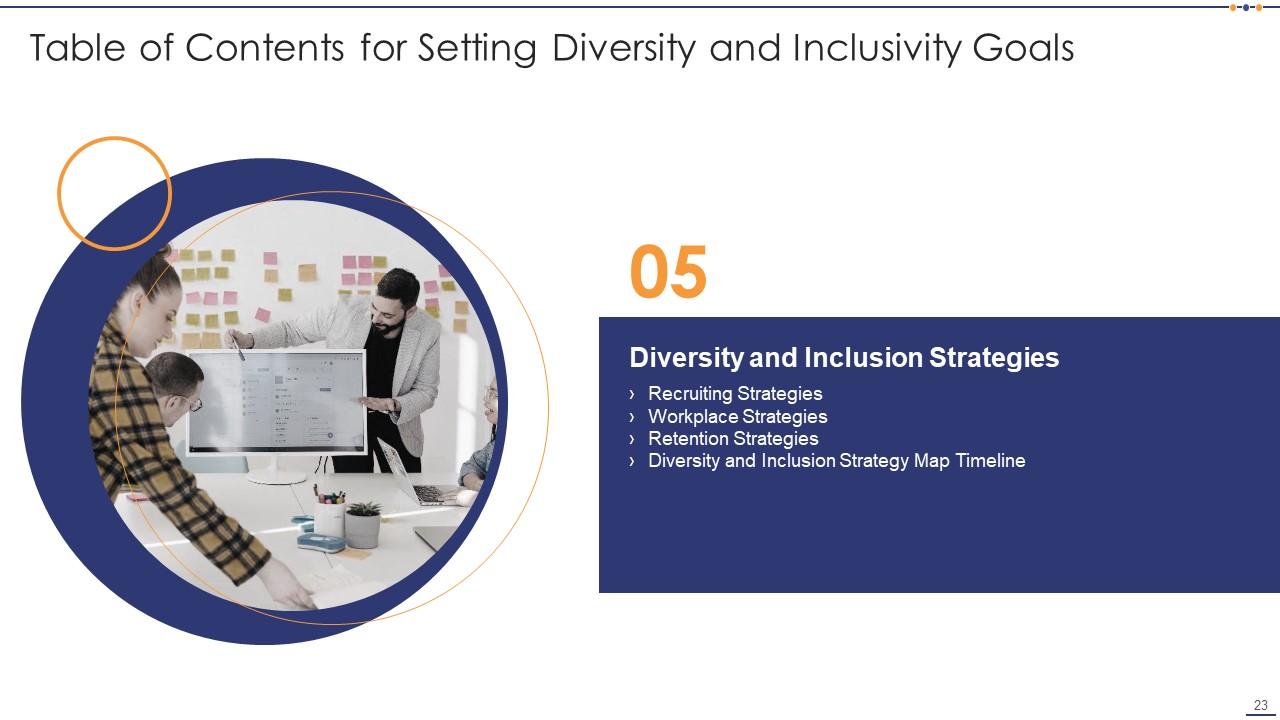
Slide 23: This slide displays four topics under 'Diversity and Inclusion Strategies' to be covered in the template.
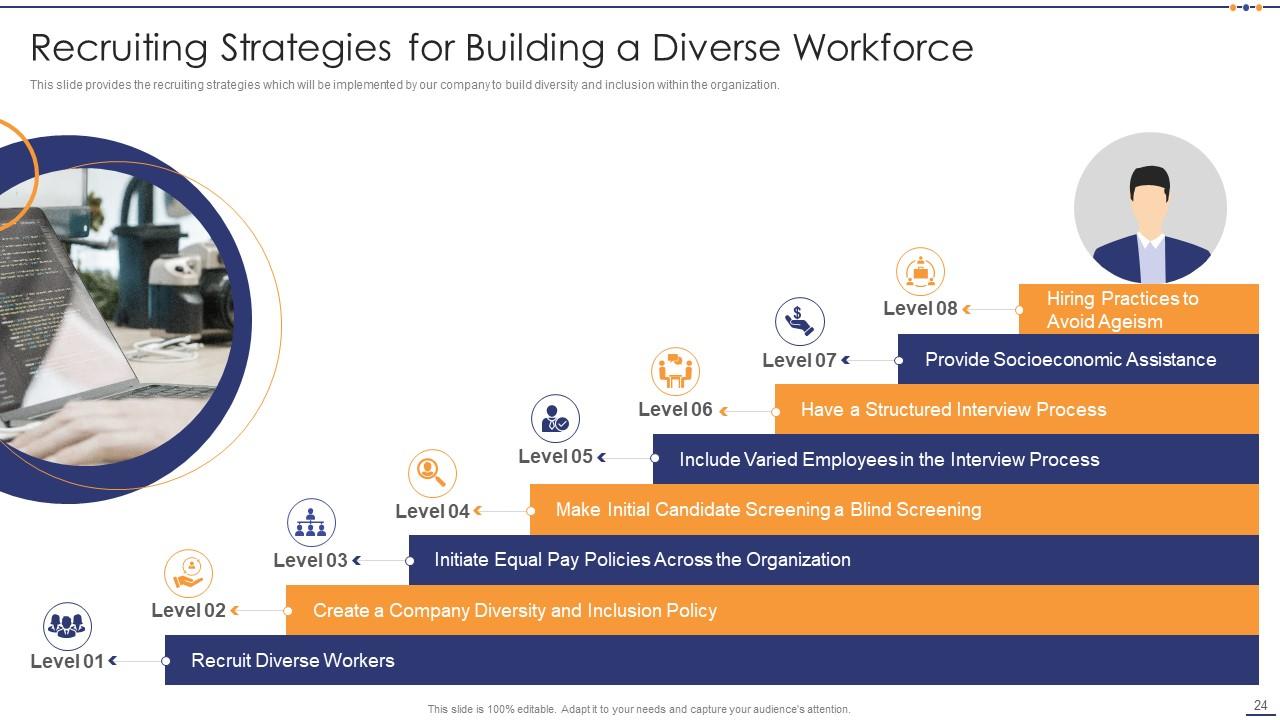
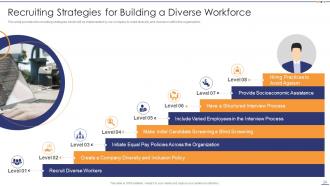
Slide 24: This slide provides the recruiting strategies which will be implemented by the company.
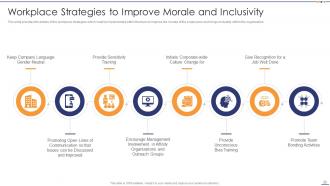
Slide 25: This slide provides the details of the workplace strategies which must be implemented within the team.
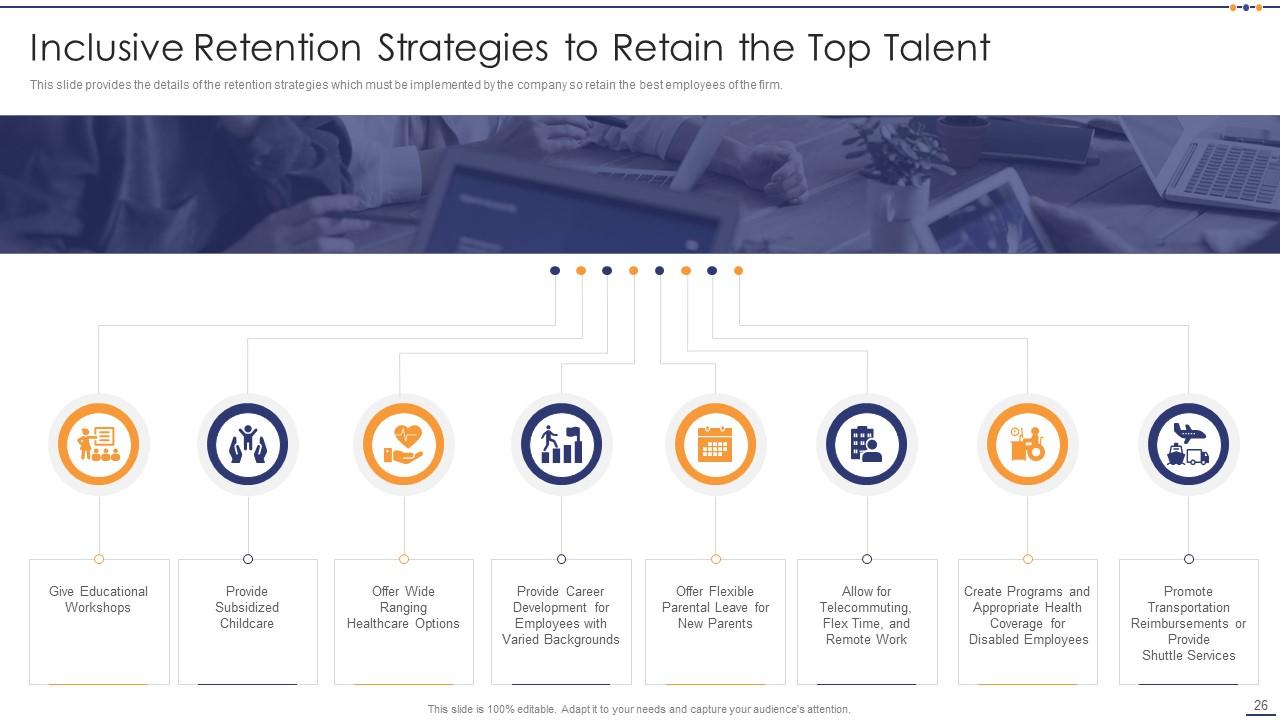
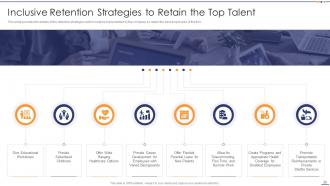
Slide 26: This slide provides the details of the retention strategies which must be implemented by the company.
Slide 27: This slide provides the details of the current concerns faced by our company such as decreasing sales, lower productivity etc.
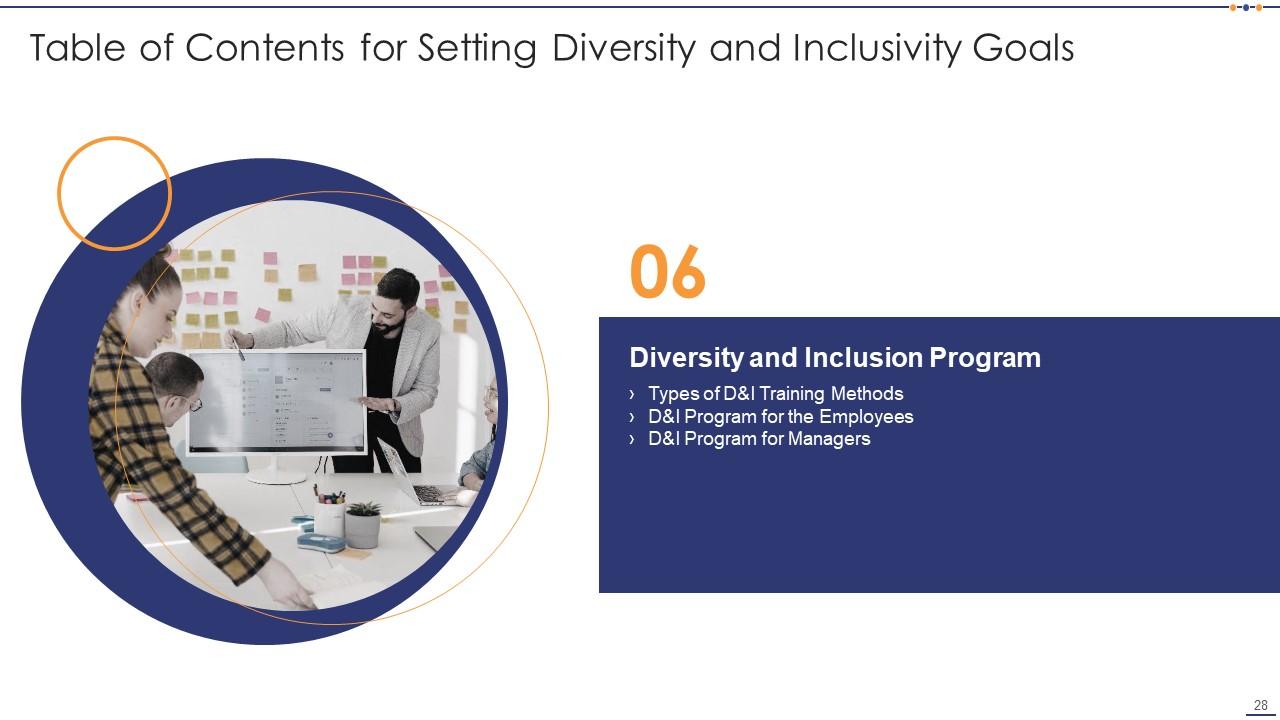
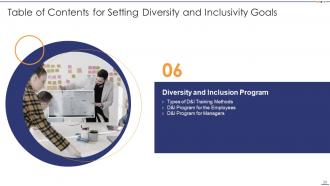
Slide 28: This slide displays three topics under 'Diversity and Inclusion Program' to be covered in the template.
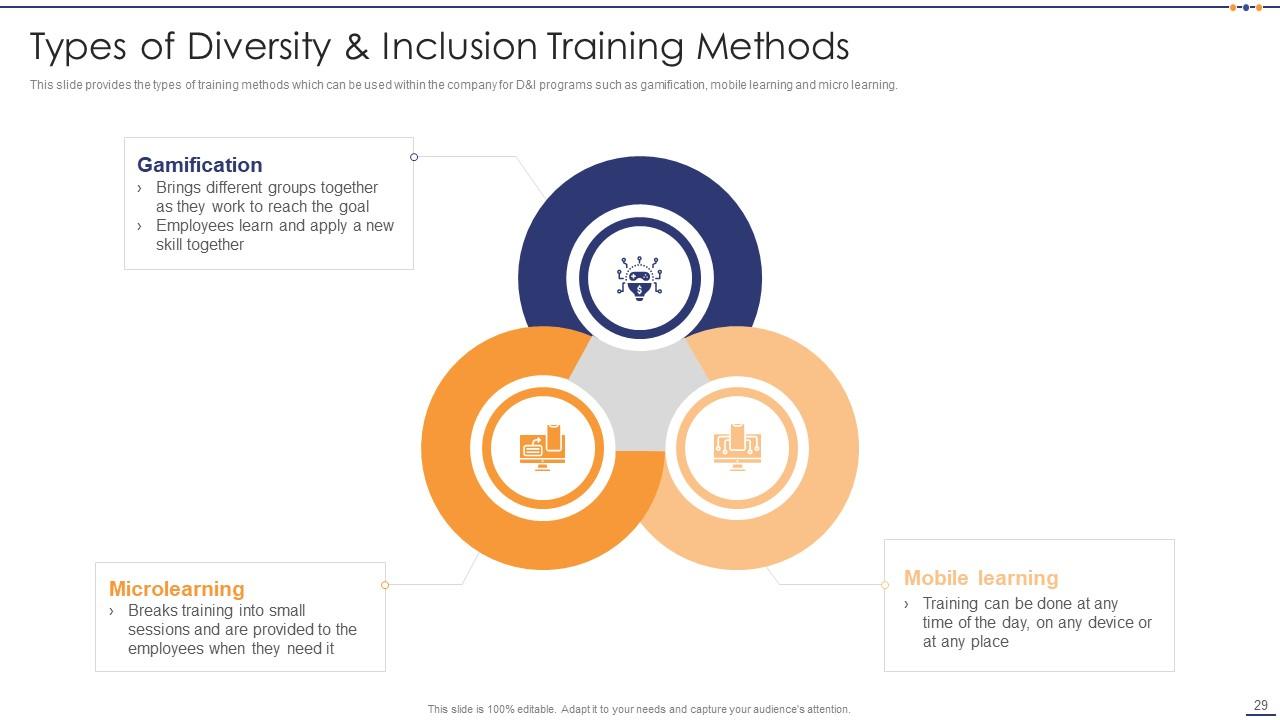
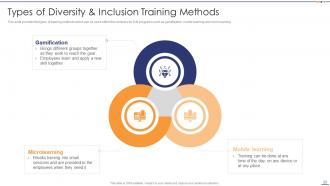
Slide 29: This slide provides the types of training methods which can be used within the company for D&I programs.
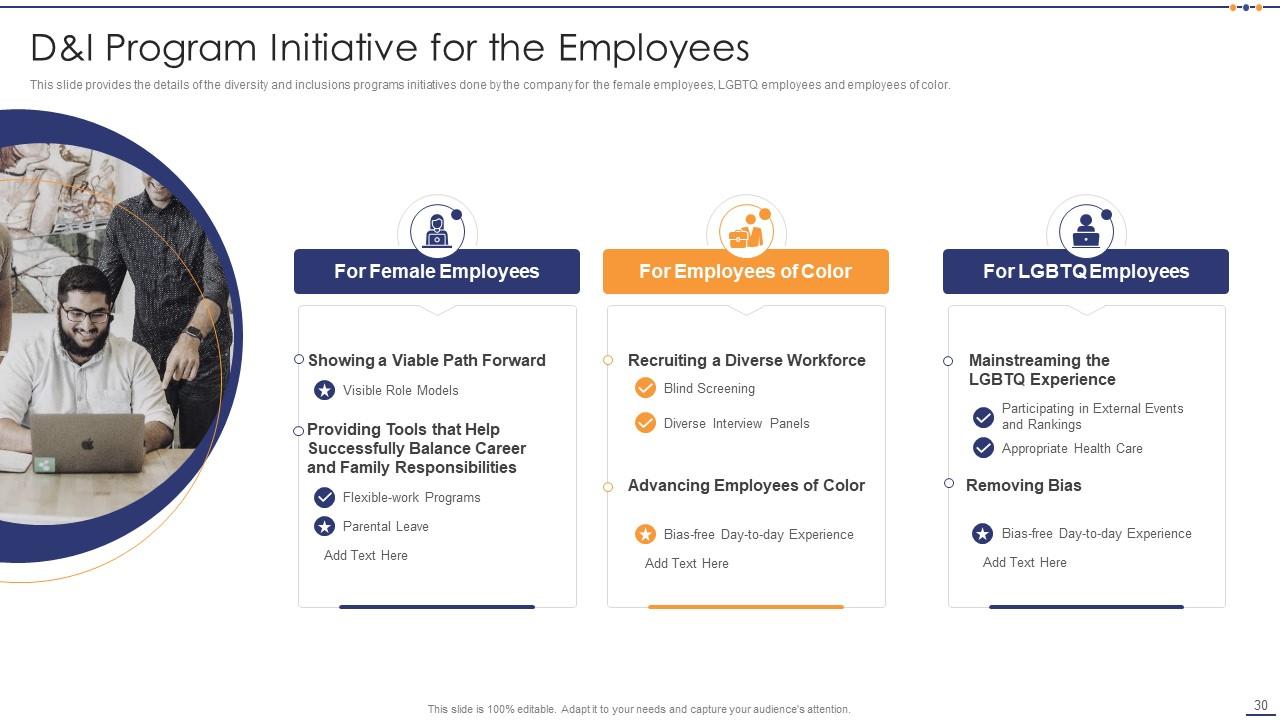
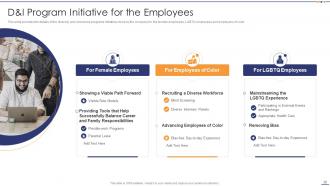
Slide 30: This slide provides the details of the diversity and inclusions programs initiatives done by the company for the female employees etc.
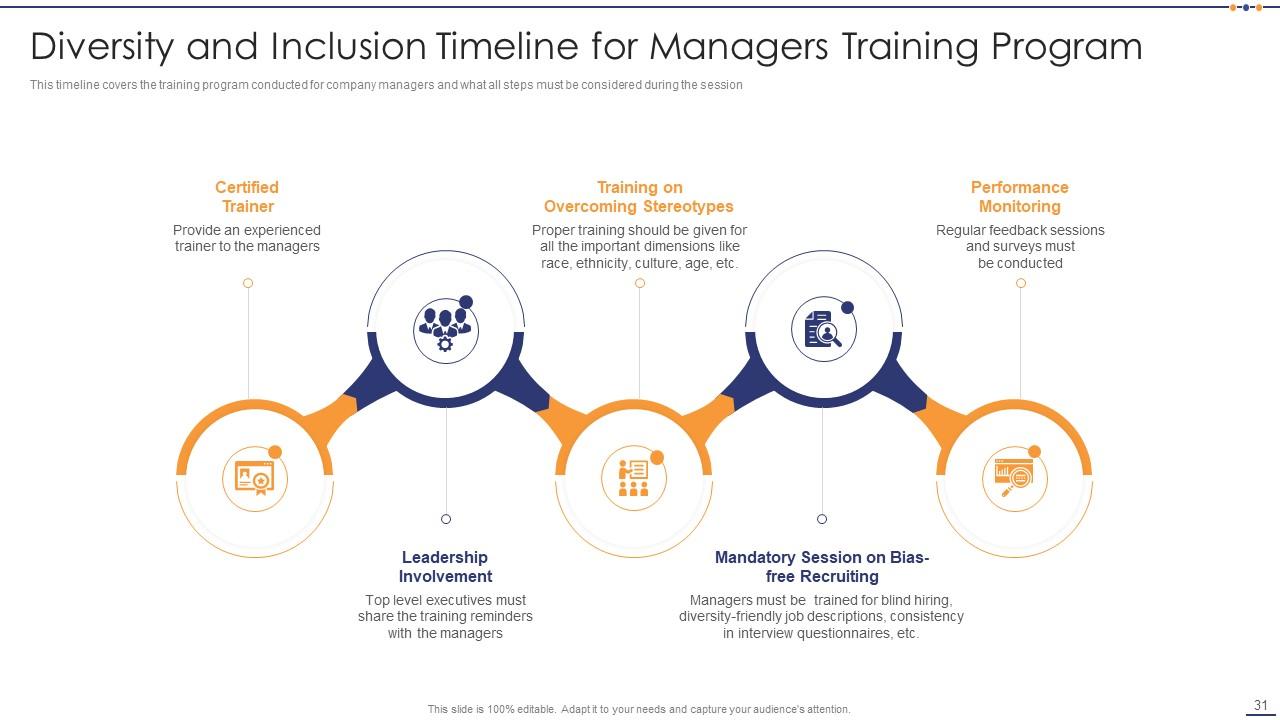
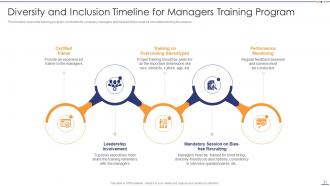
Slide 31: In this slide the timeline covers the training program conducted for company managers and the steps that must be considered during the session.
Slide 32: This slide displays two topics under 'Ways to Implement D&I' to be covered in the template.
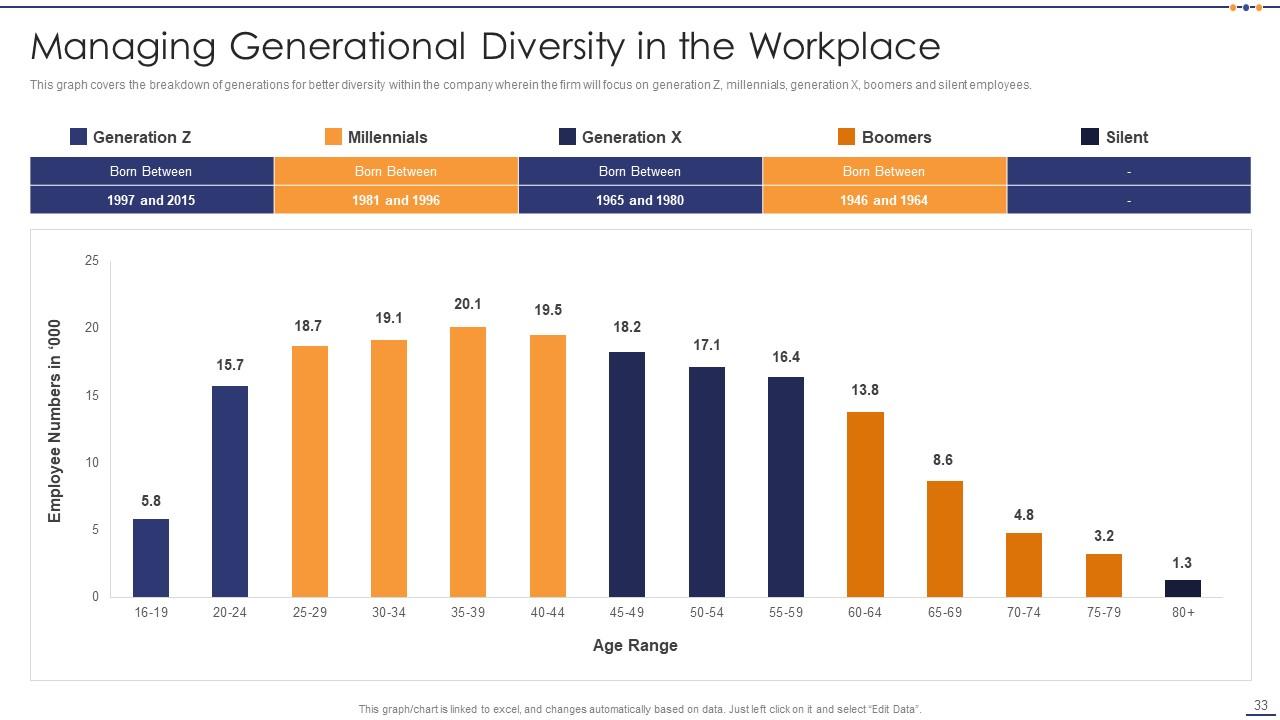
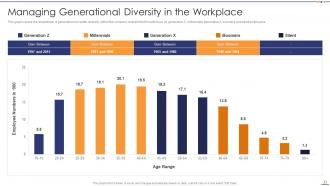
Slide 33: This slide exhibits a graph that covers the breakdown of generations for better diversity within the company focussing on generation Z etc.
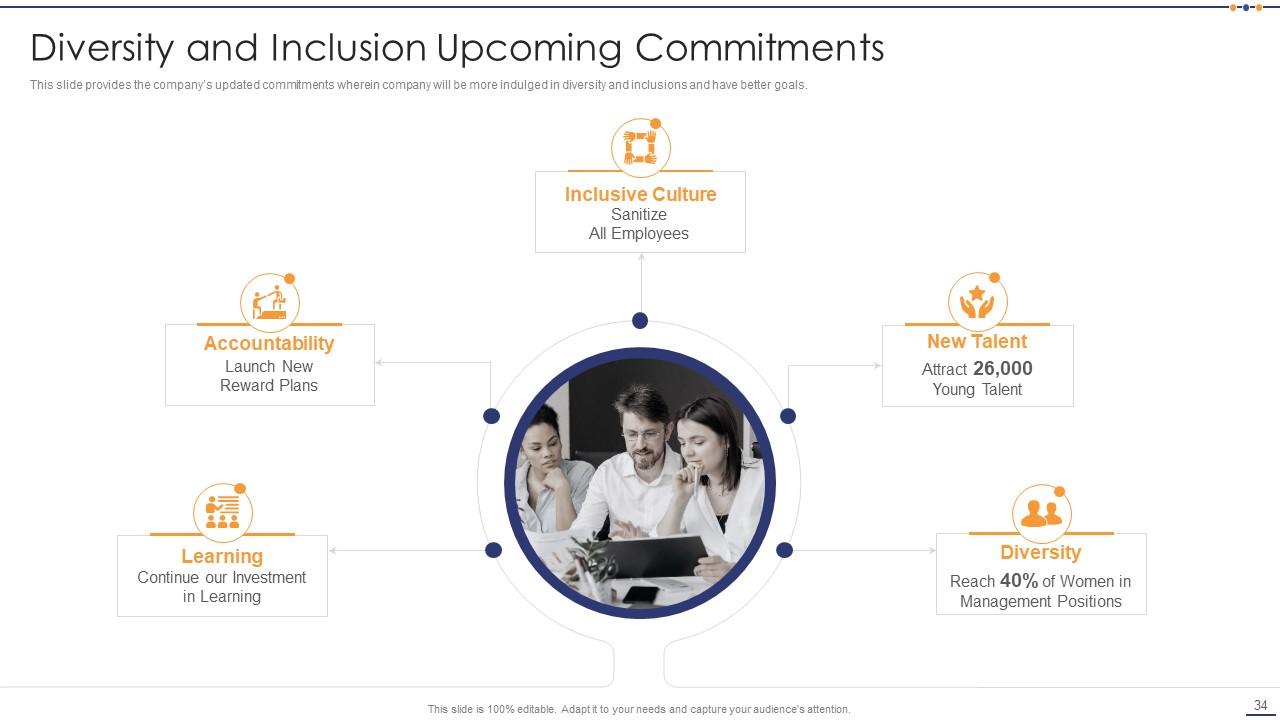
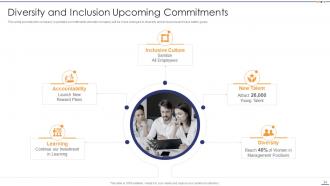
Slide 34: This slide provides the company’s updated commitments.
Slide 35: This slide displays two topics under 'Impact' to be covered in the template.
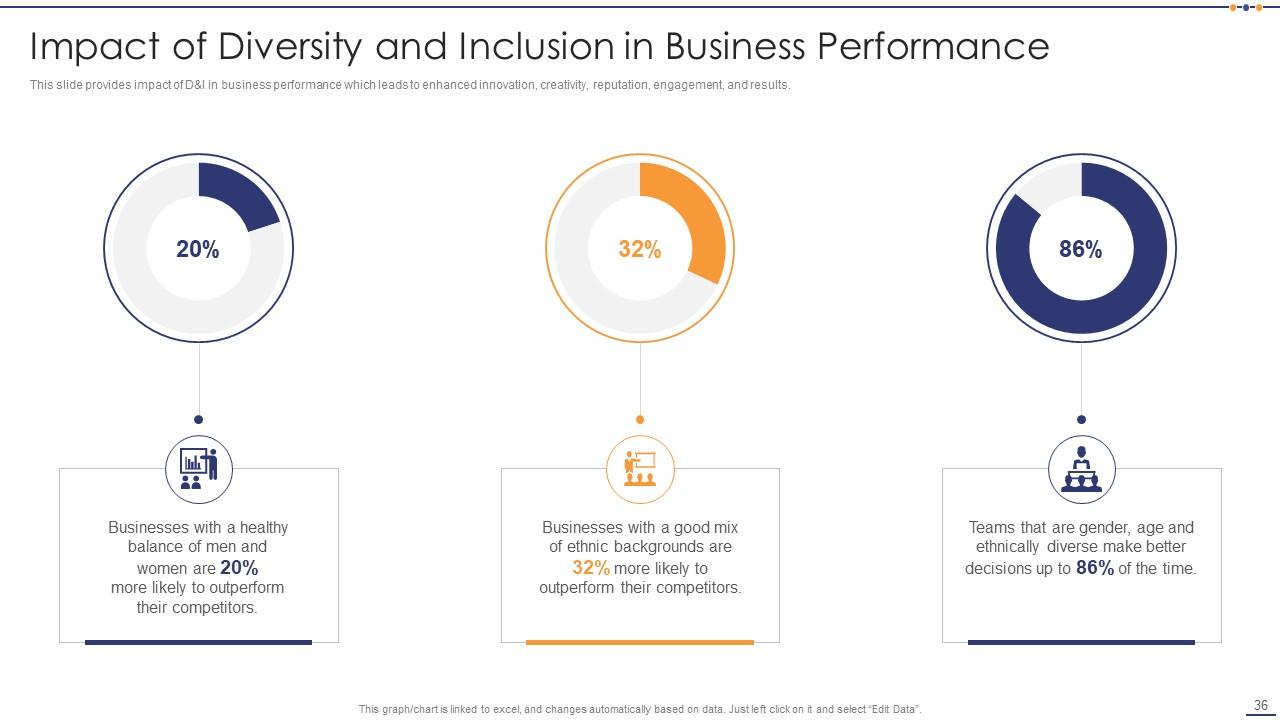
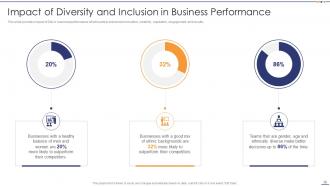
Slide 36: This slide provides impact of D&I in business performance.
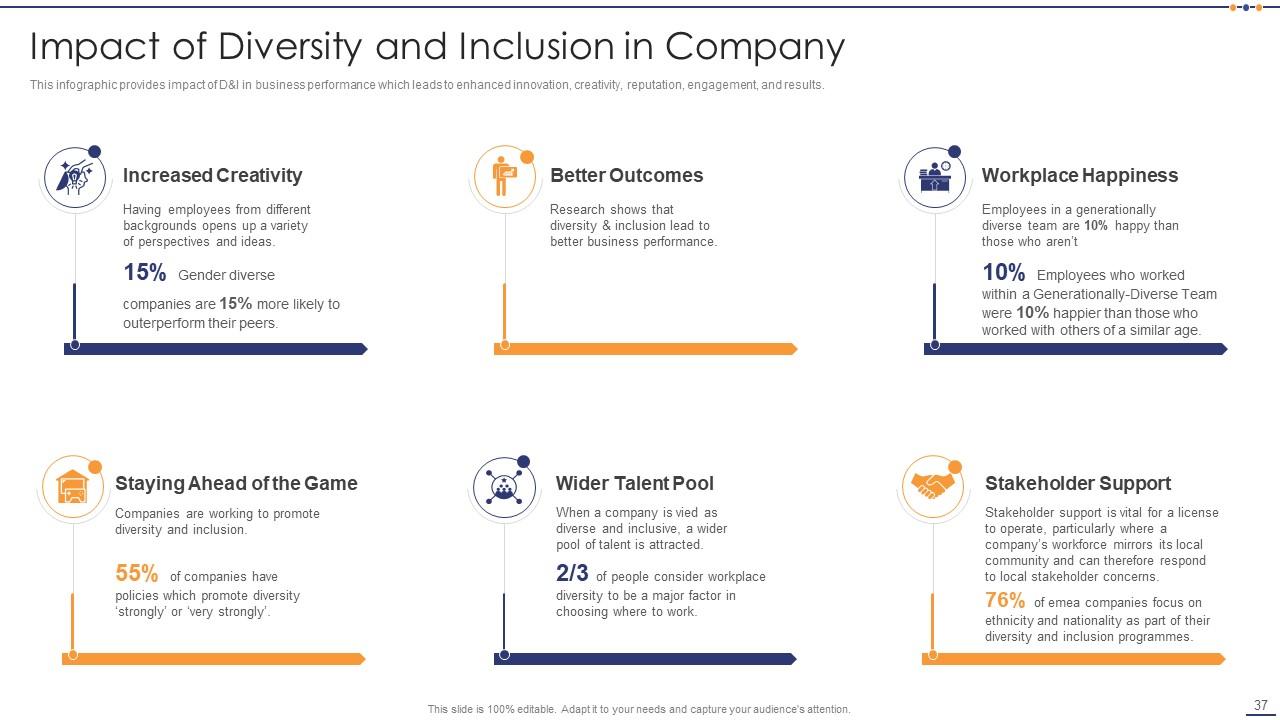
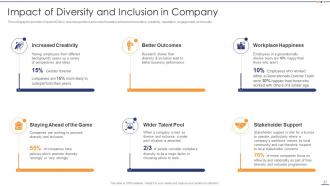
Slide 37: This slide exhibits infographics providing impact of D&I in business performance.
Slide 38: This slide displays the topic 'Diversity and Inclusion Dashboard' to be covered in the template.
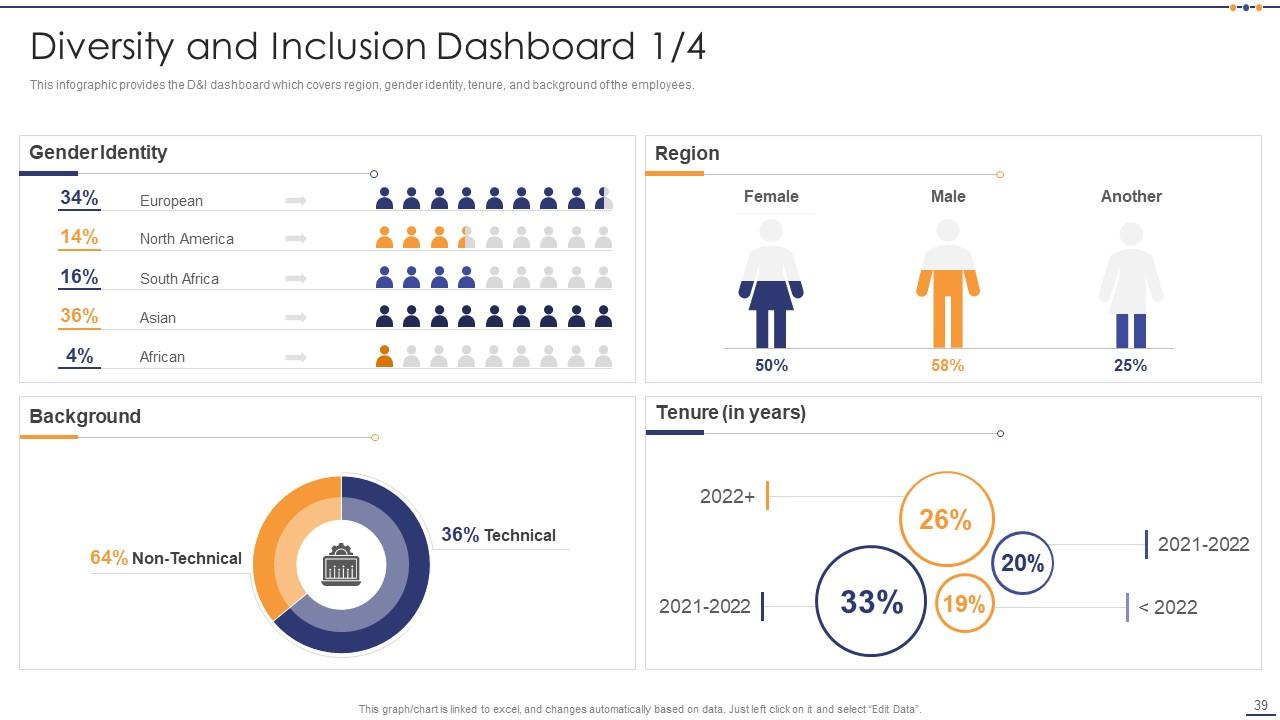
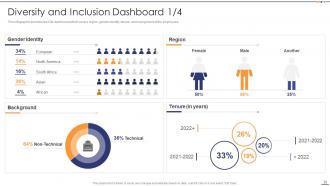
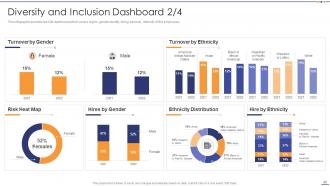
Slide 39: This slide demonstrates an infographic that provides the D&I dashboard which covers region, gender identity etc.
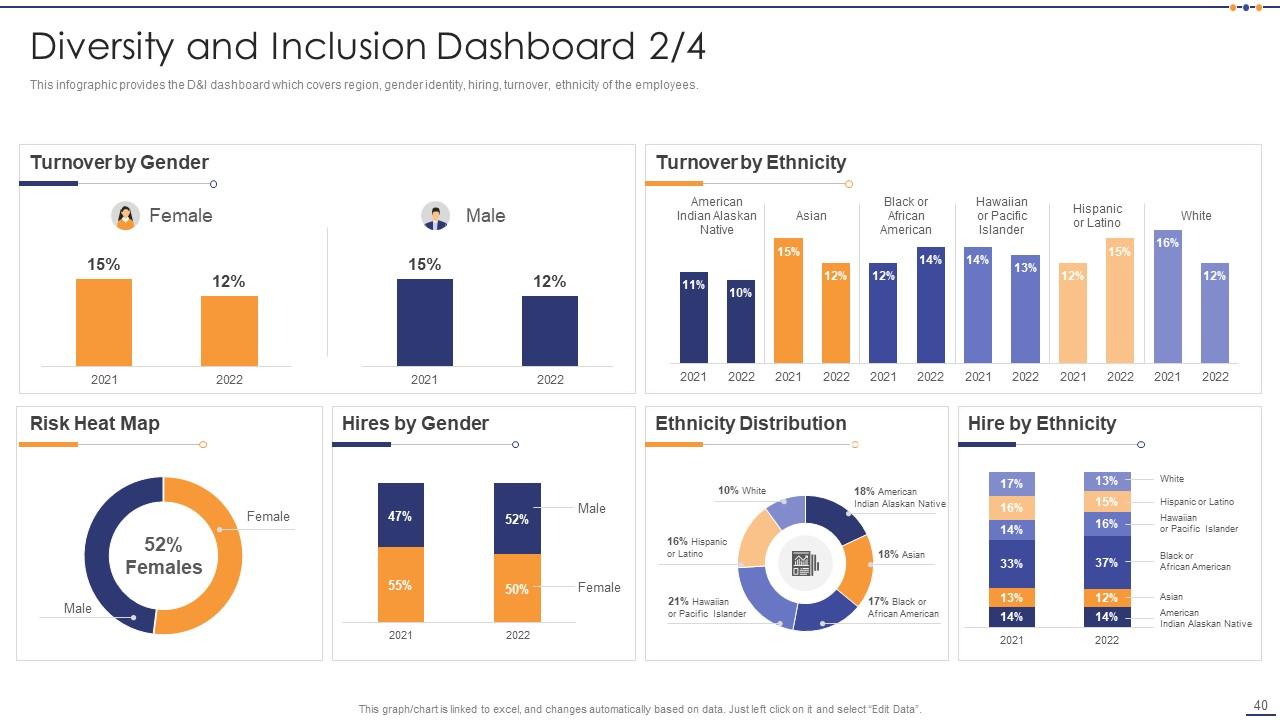
Slide 40: This slide presents an infographic providing the D&I dashboard which covers region, gender identity etc.
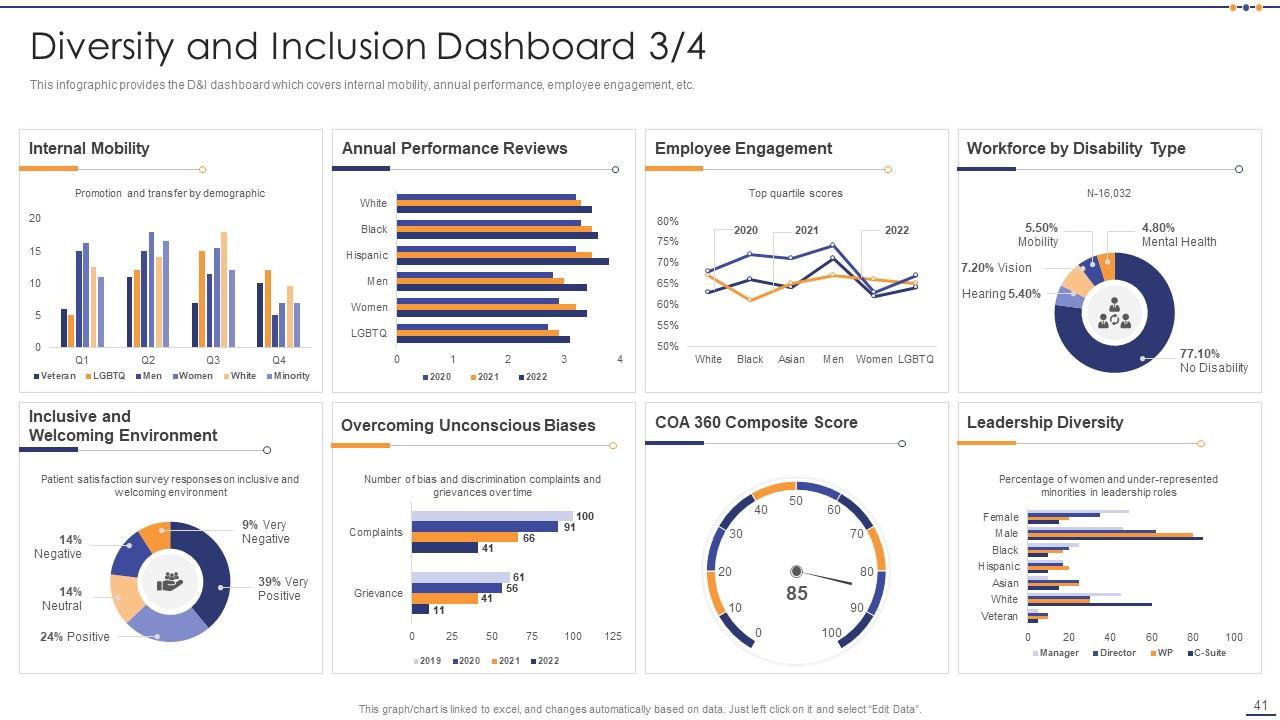
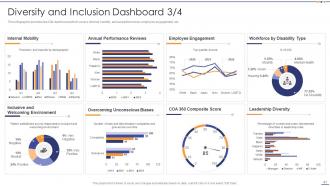
Slide 41: This slide presents an infographic that provides the D&I dashboard which covers internal mobility, annual performance etc.
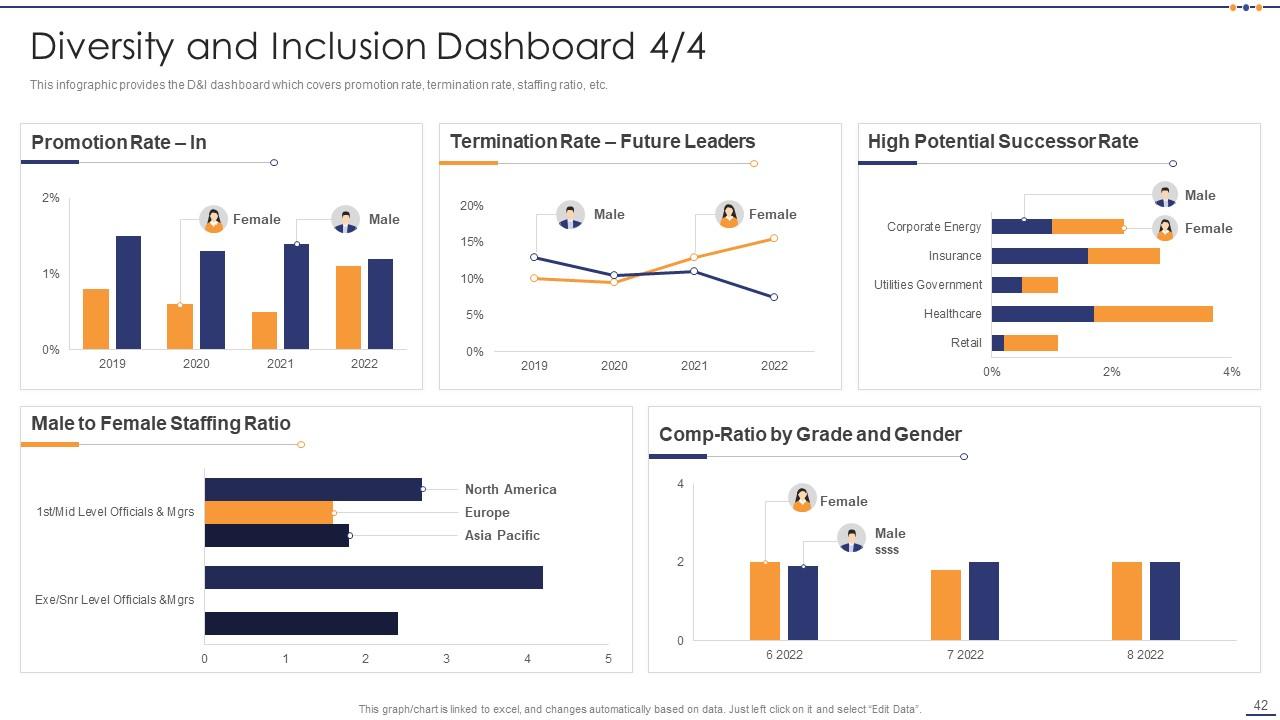
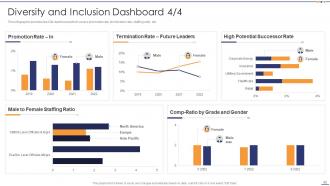
Slide 42: This slide exhibits an infographic that provides the D&I dashboard which covers promotion rate, termination rate etc.
Slide 43: This slide displays Icons for Setting Diversity and Inclusivity Goals.
Slide 44: This slide is titled as Additional Slides for moving forward.
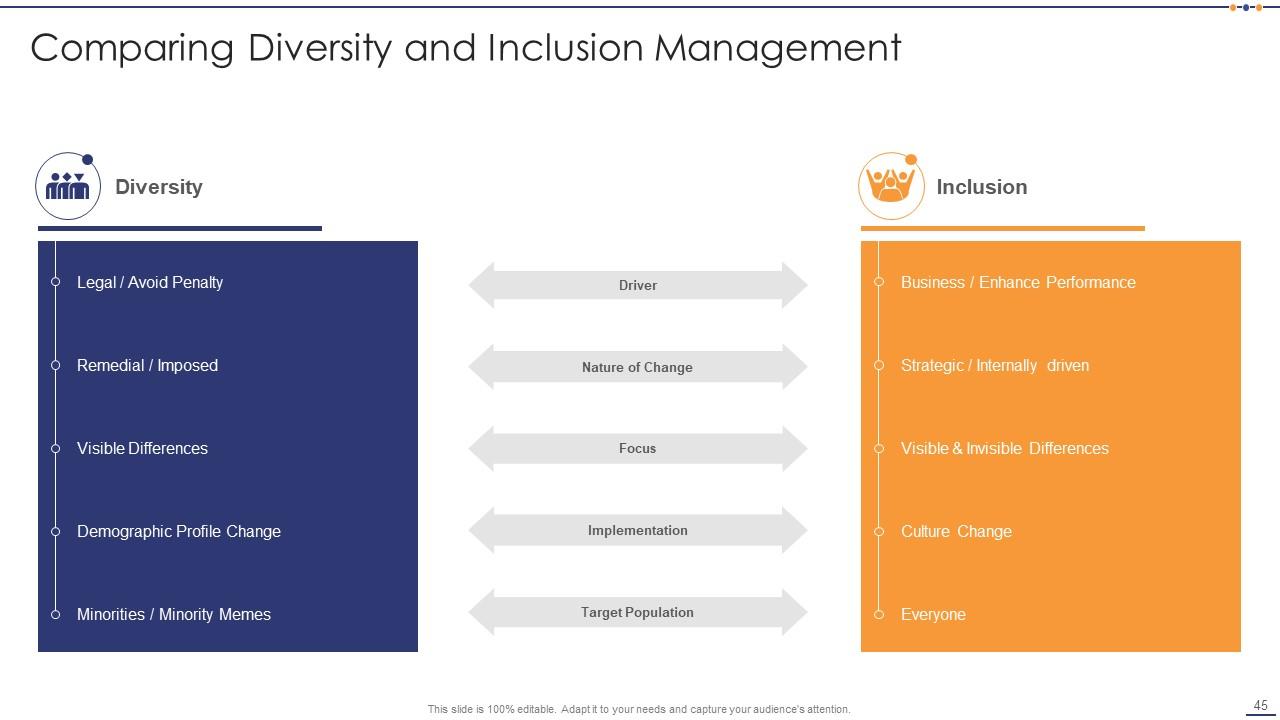
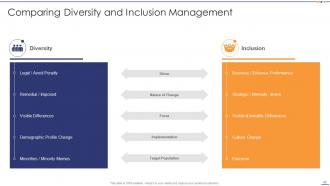
Slide 45: This slide shows Comparing Diversity and Inclusion Management.
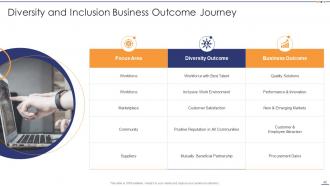
Slide 46: This slide presents Diversity and Inclusion Business Outcome Journey.
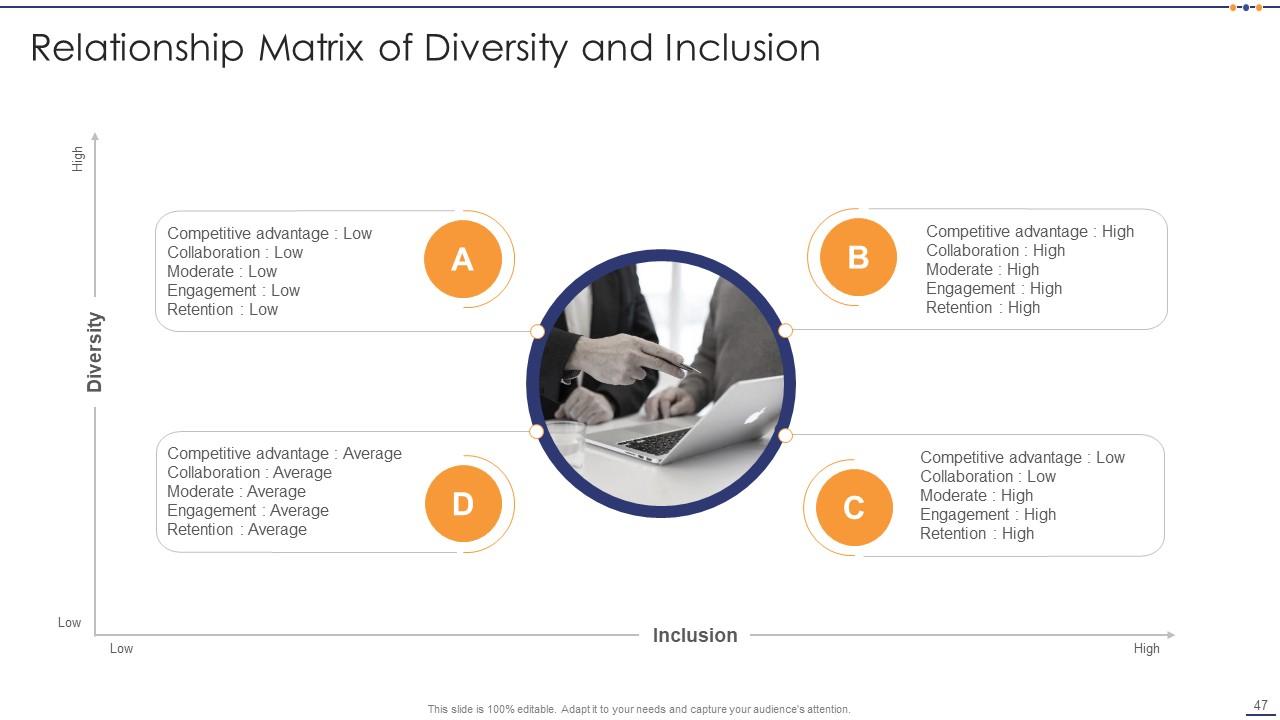
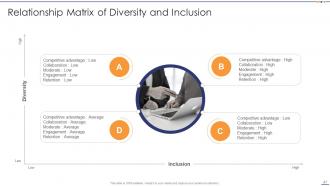
Slide 47: This slide displays Relationship Matrix of Diversity and Inclusion.
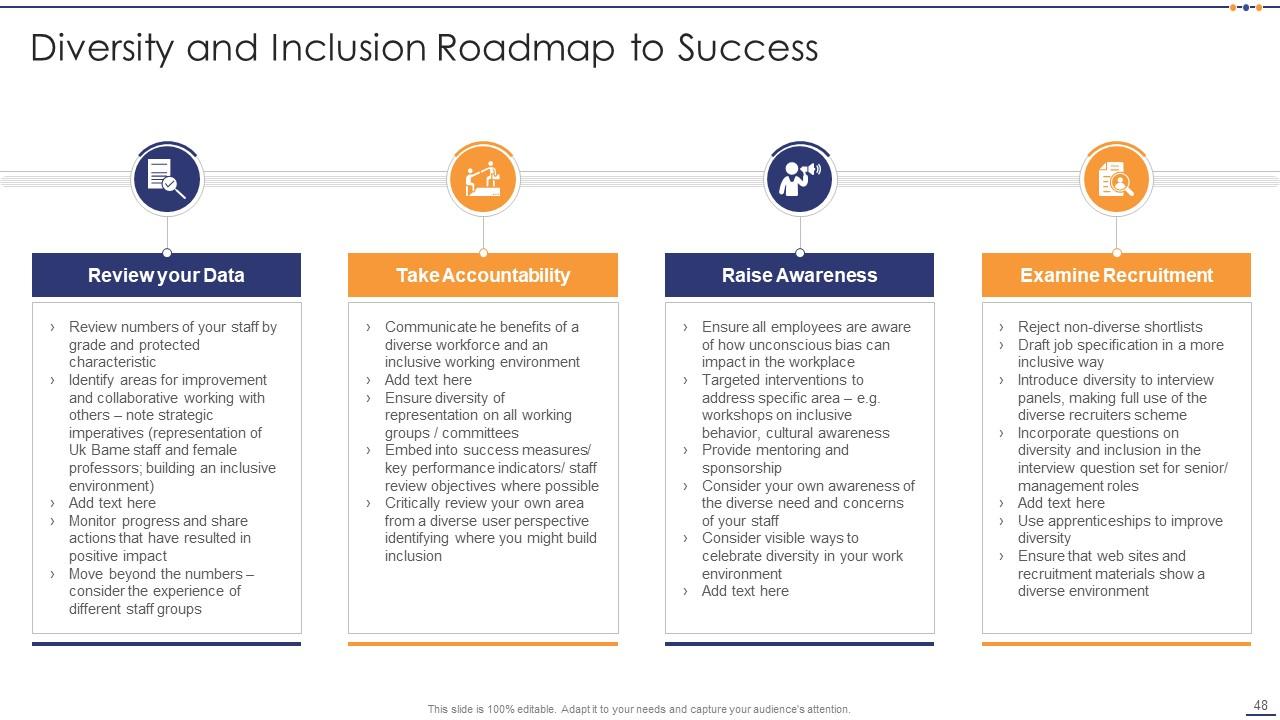
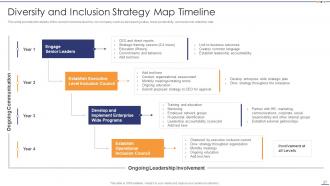
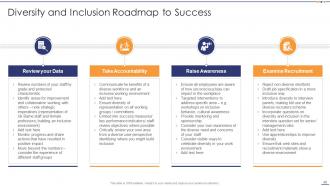
Slide 48: This slide represents Diversity and Inclusion Roadmap to Success.
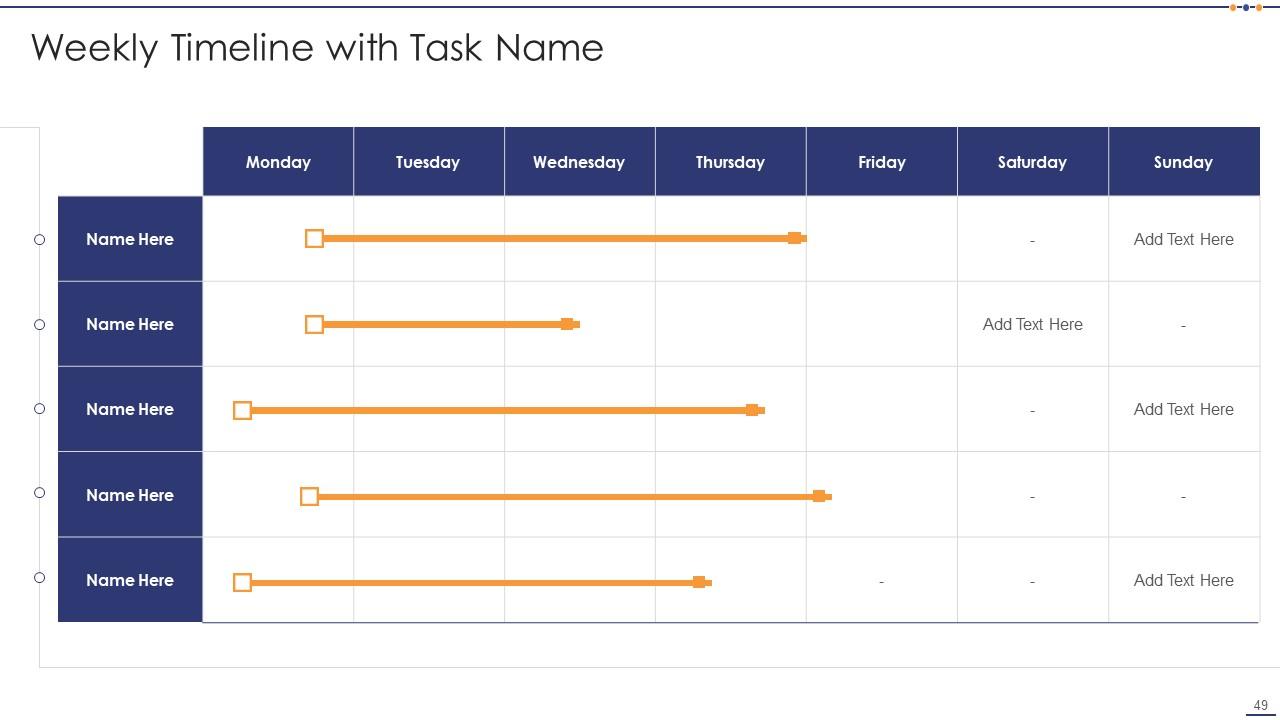
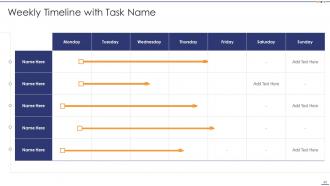
Slide 49: This slide showcases Weekly Timeline with Task Name.
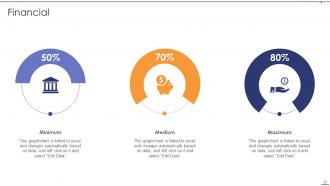
Slide 50: This is a Financial slide. Show your finance related stuff here.
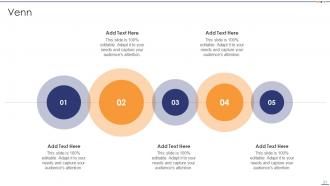
Slide 51: This slide depicts Venn diagram with text boxes.
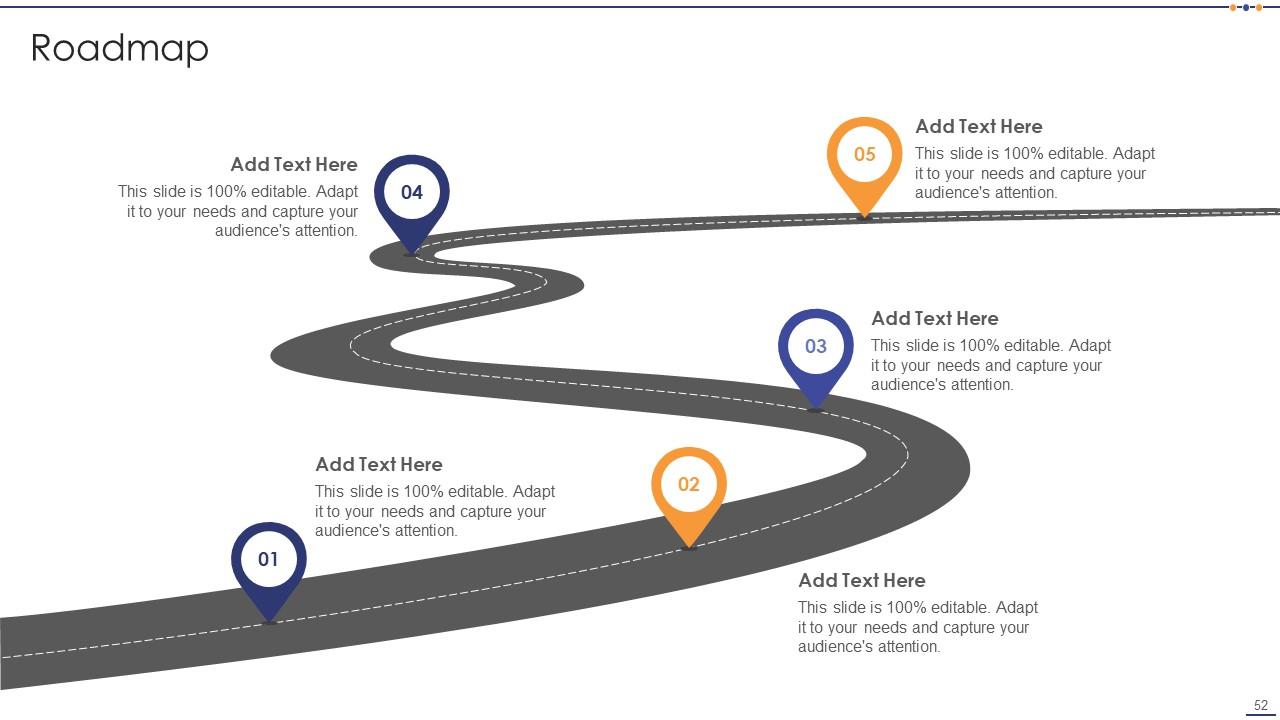
Slide 52: This slide presents Roadmap with additional textboxes.
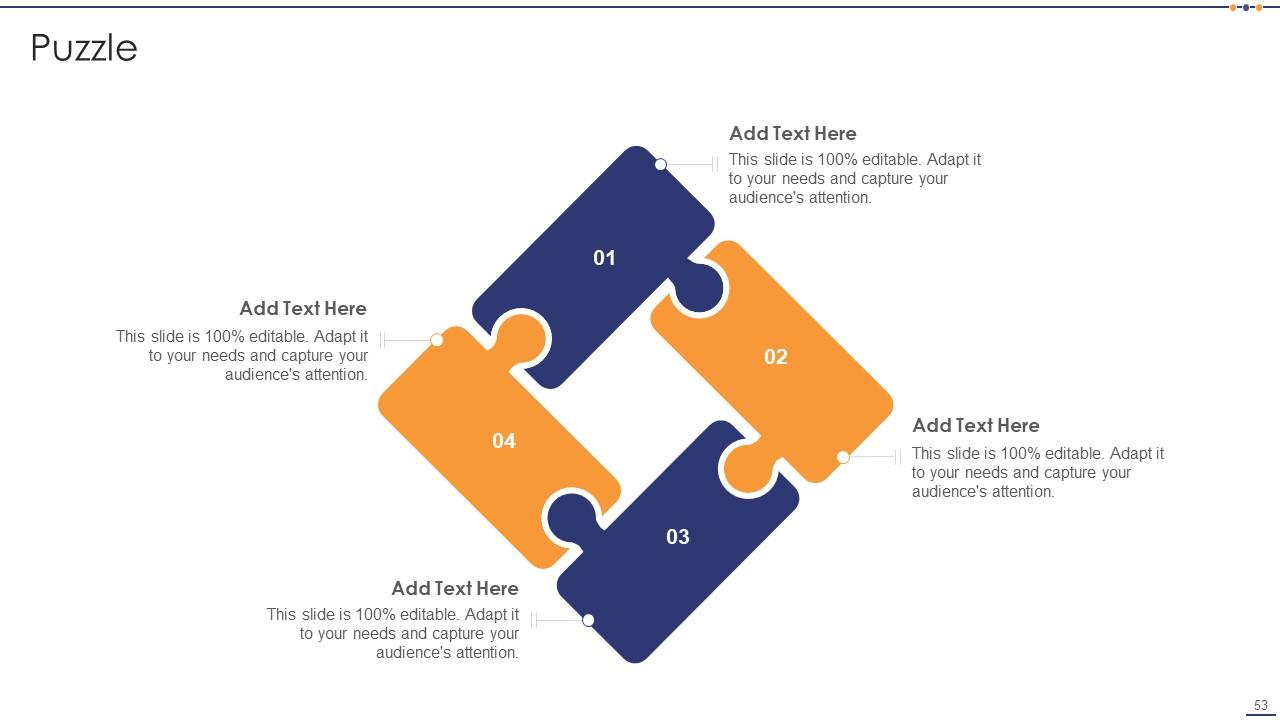
Slide 53: This slide contains Puzzle with related icons and text.
Slide 54: This slide shows Post It Notes. Post your important notes here.
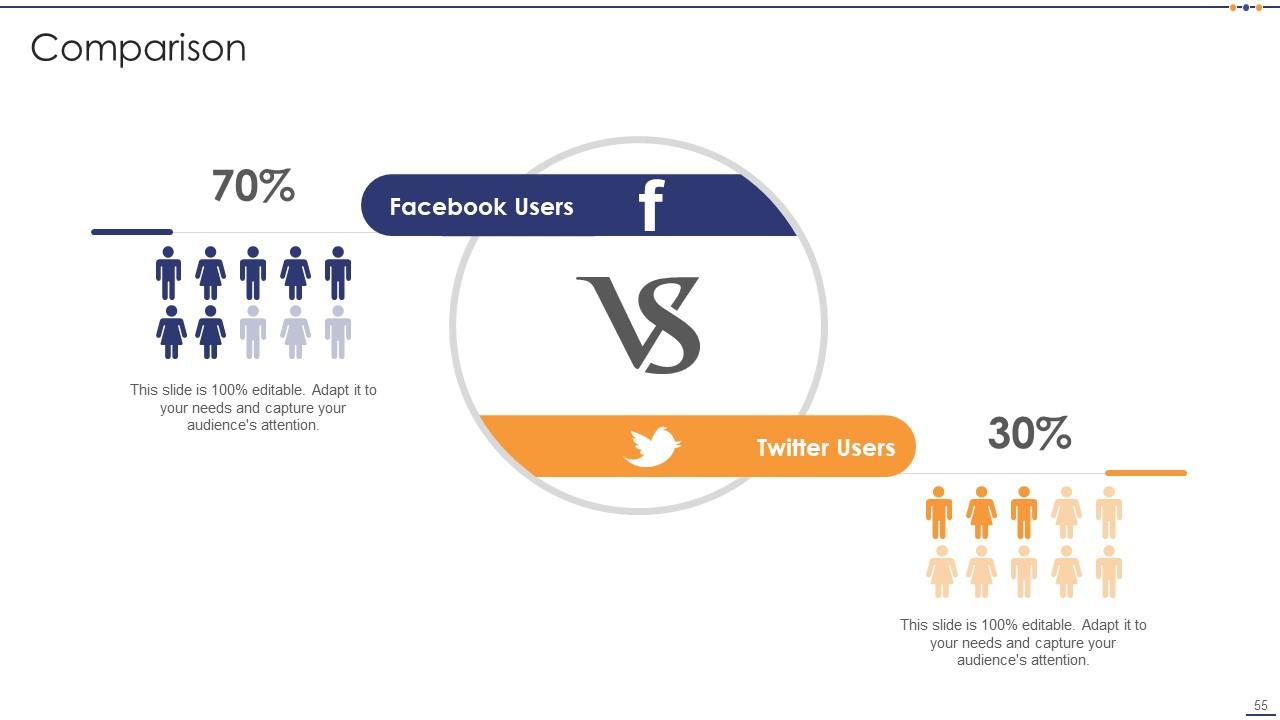
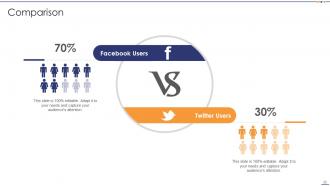
Slide 55: This is a Comparison slide to state comparison between commodities, entities etc.
Slide 56: This is Our Goal slide. State your firm's goals here.
Slide 57: This is a Thank You slide with address, contact numbers and email address.
Setting Diversity And Inclusivity Goals Powerpoint Presentation Slides with all 62 slides:
Use our Setting Diversity And Inclusivity Goals Powerpoint Presentation Slides to effectively help you save your valuable time. They are readymade to fit into any presentation structure.
-
You can rely on SlideTeam whenever you run out of designs for your presentation. Thank you so much SlideTeam!
-
You can rely on SlideTeam whenever you run out of designs for your presentation. Thank you so much SlideTeam!
