


Strategies to increase customer satisfaction powerpoint presentation slides




Try Before you Buy Download Free Sample Product
 Impress Your
 Audience
 100%
100% Editable
 Save Hours
 of Time


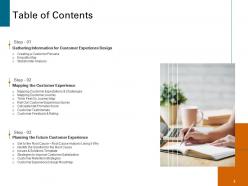
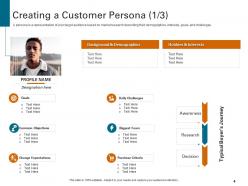
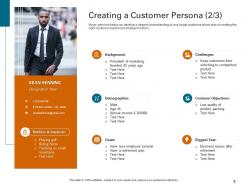
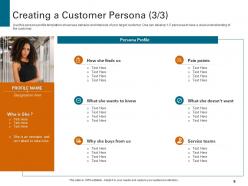
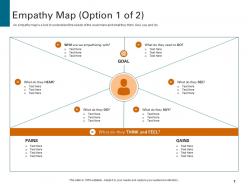
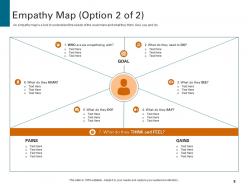
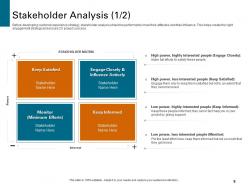
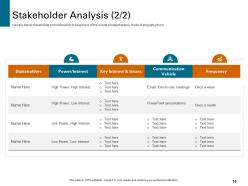
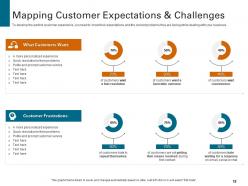
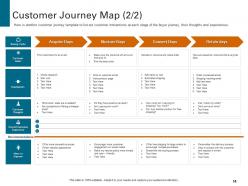
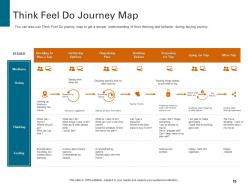
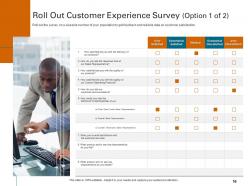
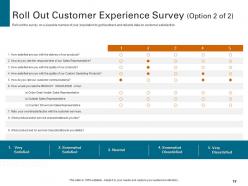
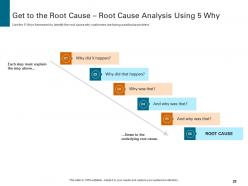
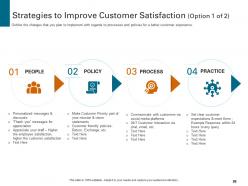
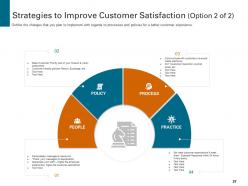
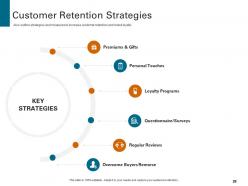
Introducing our Strategies To Increase Customer Satisfaction PowerPoint Presentation Slides. Employ these customer relationship management PPT templates to create an effective and efficient buyer persona for your business requirements. Analyze the empathy map and stakeholder matrix by taking advantage of these consumer behavior analytics PPT layouts. Map out the client expectations and the challenges they face by taking the aid of this customer experience strategy PPT slideshow. Highlight the survey outline to get reliable data and statistics from your customers through this client-centric PPT presentation. These customer feedback PPT designs can prove to be the best option for the calculation of net promoter score. With this customer loyalty PPT presentation, you can get to the root cause of customer fall-out and lack of retention. Gain an understanding of how to make customer priority and communicate with them effectively using these client-focused marketing strategy PPT themes. Select these consumer onboarding strategy PPT visuals to mention the successful customer retention strategies like premium gifts, personalized touches, loyalty programs, and regular reviews. Grab the opportunity and download this customer service improvement PPT deck for a successful presentation.
People who downloaded this PowerPoint presentation also viewed the following :
Strategies to increase customer satisfaction powerpoint presentation slides with all 45 slides:
Use our Strategies To Increase Customer Satisfaction Powerpoint Presentation Slides to effectively help you save your valuable time. They are readymade to fit into any presentation structure.



FAQs for Strategies to increase customer satisfaction
Honestly, it comes down to three main things: talk to your customers before problems happen, fix stuff quickly, and actually ask how you're doing. Set realistic expectations from day one - then don't screw it up by under-delivering. Your support team should solve most issues right away, not bounce people around. Send surveys regularly so you catch issues early. But here's what most companies totally whiff on - they collect all this feedback then do nothing with it. Actually make changes based on what people tell you, then circle back to show them you listened. That follow-up part is huge.
Honestly, start with the basics - post-purchase surveys and NPS scores give you solid numbers to work with. The really good stuff comes from actually talking to customers though. Like, one-on-one interviews where they can rant about what's annoying them. I'd also track repeat purchases and how many support tickets you're getting. Oh, and definitely monitor social media - people love complaining there before they'll tell you directly. Just don't go crazy trying everything at once. Pick maybe 3 methods and stick with them consistently.
Dude, you're totally right to focus on training. Your staff are literally the face of your business, so when they don't know what they're talking about, customers notice immediately. Product knowledge is huge - nobody wants to wait around while someone fumbles for answers. But honestly? The soft skills matter just as much. Teaching people to actually listen and show empathy goes way further than you'd think. I worked somewhere once where management skipped proper training and it was a disaster - customers would leave annoyed every single time. Don't make it a one-and-done thing either. Regular refreshers keep everyone sharp.
Honestly, just bake feedback into everything you're already doing with customers. After support tickets? Pop up a quick survey. Chat widgets need those little thumbs up/down buttons. Make it brain-dead simple for people to tell you stuff. But here's the thing - and this is where most companies totally blow it - you HAVE to circle back with people who gave feedback. Show them you actually did something with their input. Otherwise it's like asking someone how they're doing then walking away mid-sentence. Super annoying. Pick one channel first, see what patterns emerge, make some obvious changes, then expand.
Dude, product quality is everything for keeping customers happy. Good quality means people stick around and tell their friends about you. Mess it up though, and you'll get tons of complaints and returns - honestly, I've seen brands tank just from this. You know how you avoid companies that screwed you over before? Everyone does that. Listen when customers complain about something being off, then fix it quick before it snowballs. Oh, and consistency matters way more than people think. Can't have your stuff being great one day and garbage the next.
Honestly, chatbots are a game-changer for handling basic questions around the clock. Your CRM system can track customer history so your team knows what's up right away. AI predicting issues before they blow up? That's actually pretty sick. Mobile apps let people help themselves, and automated surveys will catch problems early. Don't just throw tech at everything though - pick tools that fix real pain points your customers have. I'd start with whatever area gets you the most complaints and automate that mess first. Way easier than trying to fix everything at once.
First thing - actually listen and let them vent a bit. Apologize even if it's not your fault (I hate this part but it works). Ask questions to get the full picture, then offer real solutions with deadlines. Document everything because you'll start seeing patterns - trust me on this. Don't let it get under your skin though, which is honestly the hardest part. Always circle back to check they're happy with how things got resolved. Oh, and treat complaints like free market research instead of attacks. Set up some basic tracking system so you catch problems before they blow up.
Honestly, it's all about making people feel seen. Like when your barista remembers your weird oat milk order - that's the vibe you want. Start with stuff you already know about them. Their purchase history, what they click on, whatever data you've got sitting around. Even just using their actual name in emails makes a difference (though I know that sounds super basic). Product recommendations work great too. The whole point is showing customers you get them as individuals instead of just... I dunno, another credit card number? Small changes really do add up here.
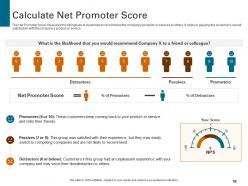
So you'll want to mix hard numbers with the softer stuff. NPS and CSAT scores are solid starting points - track those monthly to catch trends early. Customer effort score matters way more than people think (nobody wants to deal with complicated processes). Behavioral data's huge too: retention rates, how often people buy again, support ticket volume. But honestly? The actual comments from surveys and reviews usually tell the real story better than spreadsheets do. Oh, and don't forget repeat purchase frequency - that one's a goldmine for spotting issues.
Dude, communication really is everything with customers. Like, people get way angrier about being ignored than actual problems - weird but true. If something goes wrong, just tell them immediately. Even bad news is better than radio silence, you know? Builds trust too when you're upfront about delays or whatever. I learned this the hard way actually - those "why didn't anyone call me??" conversations are brutal to deal with. My advice? Overcommunicate at first. You can always pull back later, but starting there saves so much drama.
Oh man, this is huge. What kills it in Germany might totally bomb in Japan - like being super direct works great there but you'll offend people who care about saving face. Speed matters more in some places, others want you to actually build a relationship first. I learned this the hard way honestly. Your team really needs training on these cultural differences because Americans especially can come across as pushy without meaning to. Research each market instead of just copying what worked somewhere else. Communication styles, complaint handling - it all changes based on where you are.
Honestly, social media is like a megaphone for your customers - amplifies everything. Happy people will post great reviews and tell their friends about you, which is awesome for building trust. But man, when someone's pissed off? They'll roast you publicly and that stuff spreads like wildfire. Here's what I'd do though - set up alerts so you catch mentions of your brand early. You can actually turn complaints into wins by responding fast and showing everyone else how well you handle problems. Just be real about it, don't sound like a robot when you respond.
Honestly? Go above and beyond what people expect - that's like 80% of it. Remember their preferences, follow up after they buy something, actually listen to complaints instead of brushing them off. Quick responses matter way more than you'd think. People just want to feel heard, you know? Turn every interaction into something positive, whether it's your support team being awesome or throwing in surprise loyalty perks. Oh and definitely ask for feedback regularly. Then actually use it! Customers totally notice when you implement their suggestions and it builds crazy trust.
Honestly, most companies just measure the wrong stuff - like how fast they respond instead of whether they actually fix anything. That drives me crazy. Social media complaints get ignored while they're only checking email surveys. Plus support teams love making promises that engineering can't deliver on. Don't even get me started on those one-and-done satisfaction surveys that miss everything happening between them. Oh, and they treat feedback like some quarterly checkbox thing instead of an ongoing conversation. I'd start by looking at what you're tracking now and asking if it really shows how customers feel about dealing with you guys.
Honestly, data analytics is a game-changer for catching customer behavior patterns you'd miss otherwise. Track satisfaction scores across different touchpoints and see which features people actually use (spoiler: probably not the ones you think). You'll spot exactly where customers bail out of your process. The real power comes from segmenting by customer type - way better than generic insights that don't help anyone. Plus you can flag customers who might churn before they actually do. Just start by gathering whatever customer data you already have and look for connections between satisfaction ratings and specific experiences. It's pretty eye-opening once you dig in.
-
Enough space for editing and adding your own content.
-
Great product with highly impressive and engaging designs.
-
Great product with effective design. Helped a lot in our corporate presentations. Easy to edit and stunning visuals.
-
Visually stunning presentation, love the content.
-
Awesome presentation, really professional and easy to edit.
-
Really like the color and design of the presentation.
-
Very unique, user-friendly presentation interface.
-
Use of different colors is good. It's simple and attractive.