


Succession Planning To Identify Talent And Critical Job Roles Complete Deck




Try Before you Buy Download Free Sample Product
 Impress Your
 Audience
 100%
100% Editable
 Save Hours
 of Time


Succession planning can help the organization to pass critical job roles down to employees with high potential and leadership traits. The following Succession planning to Identify Talent and Critical Job Roles presentation can help in the smooth flow of business by reducing the risk of losing high-potential employees. This PPT is helpful to retain employees for leadership roles and increase the average employee tenure. It initially showcases key benefits and processes to implement succession planning in an organization. The process starts with the identification of critical positions that will have a significant impact on the organization in case of vacancy. After identifying the critical roles, it showcases the selection of high-potential employees for leadership positions. Organizations can use tools like 360-degree feedback, 9 box matrix, and behavioral assessment to identify and evaluate candidates. This PPT also shows a gap analysis between employees skills and competencies required. After identifying potential candidates and conducting a gap analysis, this presentation shows the implementation of training activities like job rotation, mentoring, and coaching to prepare candidates for higher positions. This PPT also highlights best practices and challenges faced in the succession planning process. Lastly, this PPT shows a dashboard to analyze the impact of succession planning implementation. Download this deck right now.
People who downloaded this PowerPoint presentation also viewed the following :
Content of this Powerpoint Presentation
Slide 1: This slide displays the title Succession planning to Identify Talent and Critical Job Roles.
Slide 2: This slide displays the title agenda for Succession planning to prepare employees for leadership roles.
Slide 3: This slide exhibit table of content.
Slide 4: This slide discuss table of content that are to be discuss further.
Slide 5: This slide showcases succession planning overview which can help organization to identify critical positions and high potential employees.
Slide 6: This slide process that can help organization to formulate succession plan for development of potential employees.
Slide 7: This slide discuss table of content that are to be discuss further.
Slide 8: This slide highlights current analysis of employee average tenure and attrition rate in organization.
Slide 9: This slide highlights reasons and needs for implementing succession planning in organization.
Slide 10: This slide showcases maturity model that can help organization to determine their present position in succession planning.
Slide 11: This slide discuss table of content that are to be discuss further.
Slide 12: This slide showcases short and long term goals that organization aims to achieve through succession planning.
Slide 13: This slide discuss table of content that are to be discuss further.
Slide 14: This slide showcases criticality levels that can help organization to identify impact of job position vacancy and formulate succession plan.
Slide 15: This slide showcases framework that can help organization define roles and responsibilities to identify critical roles for succession planning.
Slide 16: This slide showcases 9 box matrix that can can help organization to identify critical job positions that needs to be replaced by potential leaders.
Slide 17: This slide showcases questionnaire that can help to organization to identify critical role in different departments and plan for succession.
Slide 18: This slide showcases critical positions that are identified by organization and can help in moving forward with succession planning.
Slide 19: This slide showcases worksheet that can help organization to identify competencies, skills and institutional knowledge that are success factors for job positions.
Slide 20: This slide discuss table of content that are to be discuss further.
Slide 21: This slide showcases matrix that can help organization to identify top talent in organization on the basis of high potential and performance.
Slide 22: This slide showcases methods that can help organization that can help organization to identify high potential employees for critical job roles.
Slide 23: This slide showcases sheet for 360 degree feedback that can help organization to conduct peer review of high potential employee to ensure job fit.
Slide 24: This slide showcases sheet for 360 degree feedback that can help organization to conduct peer review of high potential employee to ensure job fit.
Slide 25: This slide showcases worksheet that can help organization to evaluate high potential employees in organization.
Slide 26: This slide showcases critical roles and high potential employees that are identified for succession planning.
Slide 27: This slide discuss table of content that are to be discuss further.
Slide 28: This slide showcases gap analysis that can help organization to identify training requirement of employees and formulate development plan.
Slide 29: This slide showcases gap analysis that can help organization to identify training requirement of employee and formulate development plan.
Slide 30: This slide showcases model that can help organization to provide training to high potential employees.
Slide 31: This slide showcases worksheet that can assist organization to formulate plan for training high potential candidates.
Slide 32: This slide showcases mentoring plan that can help organization to train high potential employees for leadership positions.
Slide 33: This slide showcases job rotation plan that can help organization to develop and train high potential employees.
Slide 34: This slide showcases coaching action plan that can help organization to train and develop high potential employees for future leadership positions.
Slide 35: This slide showcases plan that can help organization to train high potential candidates through coaching, mentorship, understudy training etc.
Slide 36: This slide showcases tracking of employees during training and development process.
Slide 37: This slide discuss table of content that are to be discuss further.
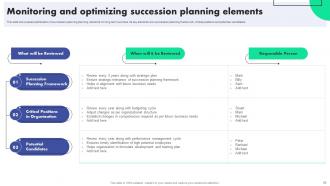
Slide 38: This slide showcases optimization of succession planning elements for long term success.
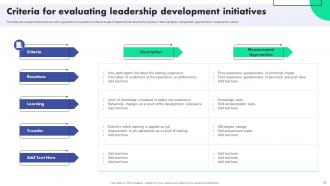
Slide 39: This slide showcases criteria that can help organization to evaluate the effectiveness of leadership development programs.
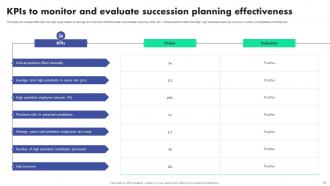
Slide 40: This slide showcases KPIs that can help organization to manage and track the effectiveness of succession planning.
Slide 41: This slide discuss table of content that are to be discuss further.
Slide 42: This slide showcases checklist that can help organization to ensure effective succession planning implementation.
Slide 43: This slide showcases checklist that can help talent management committee to ensure fulfillment of succession planning responsibilities.
Slide 44: This slide discuss table of content that are to be discuss further.
Slide 45: This slide showcases best practices that can help organization to ensure effective implementation of succession planning.
Slide 46: This slide discuss table of content that are to be discuss further.
Slide 47: This slide showcases challenges which might be faced by organization in succession planning like, managing employee morale, job disruption etc.
Slide 48: This slide discuss table of content that are to be discuss further.
Slide 49: This slide showcases software that can help organization in automated succession planning.
Slide 50: This slide discuss table of content that are to be discuss further.
Slide 51: This slide highlights impact of implementing succession planning on employee attrition rate and average tenure.
Slide 52: This slide dashboard that can help organization to track employee turnover rate after implementing succession plan.
Slide 53: This slide highlights dashboard that can help organization to track the training progress of candidates.
Slide 54: This is the icons slide.
Slide 55: This slide presents title for additional slides.
Slide 56: This slide showcase Framework to identify risk for organization.
Slide 57: This slide showcase Framework for high potential employee assessment and development.
Slide 58: This slide display SWOT analysis.
Slide 59: This slide shows about your company, target audience and its client's values.
Slide 60: This slide shows details of team members like name, designation, etc.
Slide 61: This slide display Location.
Slide 62: This slide showcase Comparison between male and female user.
Slide 63: This slide depicts posts for past experiences of clients.
Slide 64: This slide display Venn diagram.
Slide 65: This slide showcases financials of company.
Slide 66: This slide exhibits ideas generated.
Slide 67: This slide display Our target.
Slide 68: This is thank you slide & contains contact details of company like office address, phone no., etc.
Succession Planning To Identify Talent And Critical Job Roles Complete Deck with all 70 slides:
Use our Succession Planning To Identify Talent And Critical Job Roles Complete Deck to effectively help you save your valuable time. They are readymade to fit into any presentation structure.
-
Succession Planning to Identify Talent and Critical Job Roles
-
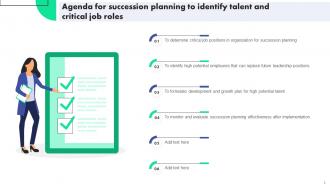
Agenda for succession planning to identify talent and critical job roles
-
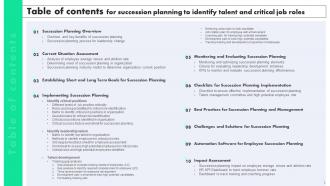
Table of contents for succession planning to identify talent and critical job roles
-
Table of contents for succession planning to identify talent and critical job roles
-
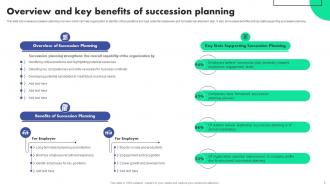
Overview and key benefits of succession planning
-
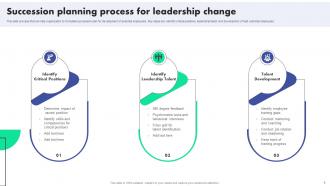
Succession planning process for leadership change
-
Table of contents for succession planning to identify talent and critical job roles
-
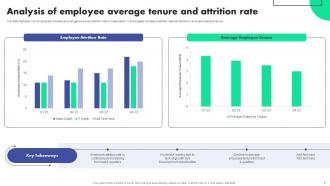
Analysis of employee average tenure and attrition rate
-
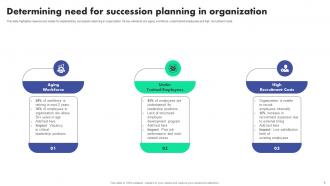
Determining need for succession planning in organization
-
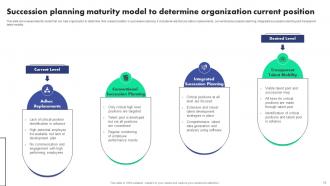
Succession planning maturity model to determine organization current position
-
Table of contents for succession planning to identify talent and critical job roles
-
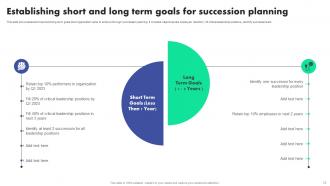
Establishing short and long term goals for succession planning
-
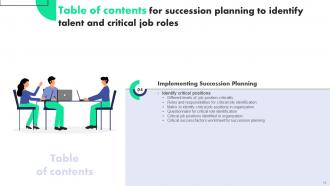
Table of contents for succession planning to identify talent and critical job roles
-
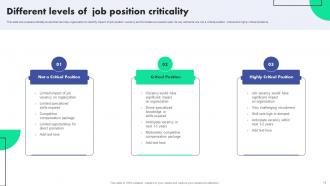
Different levels of job position criticality
-
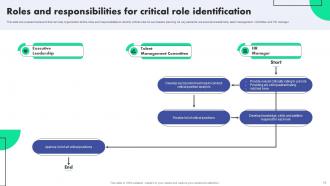
Roles and responsibilities for critical role identification
-
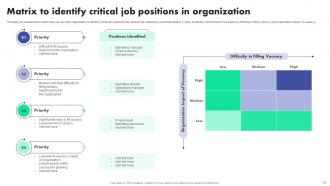
Matrix to identify critical job positions in organization
-
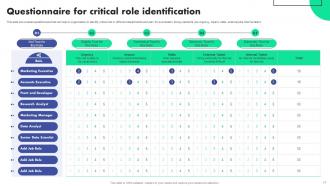
Questionnaire for critical role identification
-
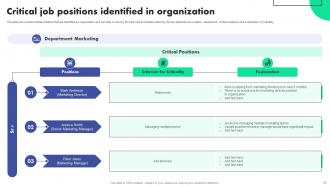
Critical job positions identified in organization
-
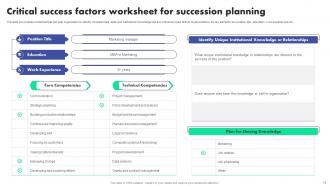
Critical success factors worksheet for succession planning
-
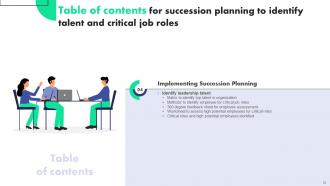
Table of contents for succession planning to identify talent and critical job roles
-
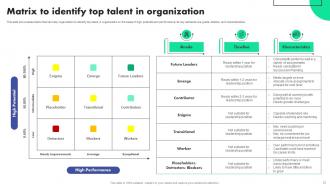
Matrix to identify top talent in organization
-
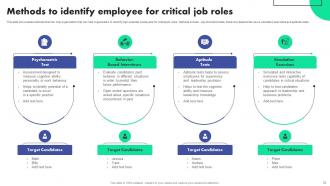
Methods to identify employee for critical job roles
-

360 degree feedback sheet for employee assessment 1 2
-
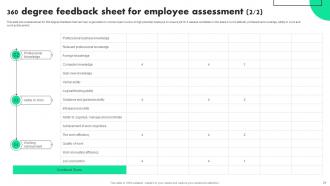
360 degree feedback sheet for employee assessment 2 2
-
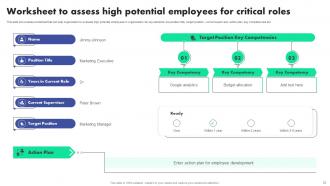
Worksheet to assess high potential employees for critical roles
-
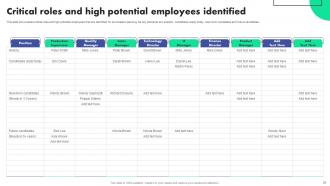
Critical roles and high potential employees identified
-
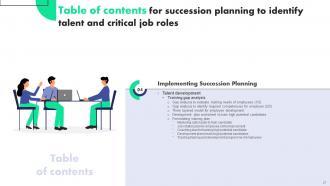
Table of contents for succession planning to identify talent and critical job roles
-
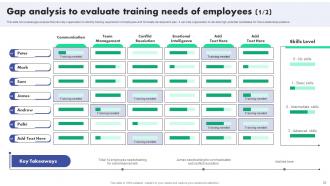
Gap analysis to evaluate training needs of employees 1 2
-
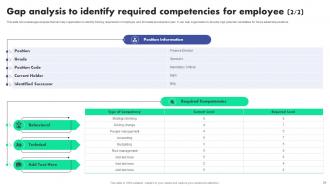
Gap analysis to identify required competencies for employee 2 2
-
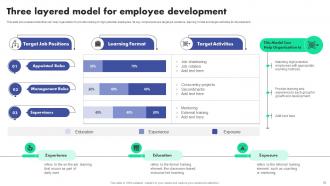
Three layered model for employee development
-
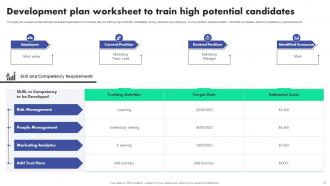
Development plan worksheet to train high potential candidates
-
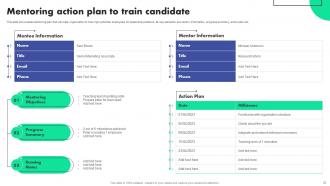
Mentoring action plan to train candidate
-
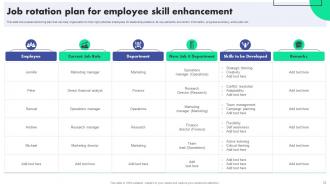
Job rotation plan for employee skill enhancement
-
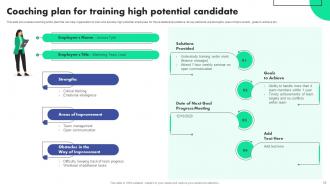
Coaching plan for training high potential candidate
-
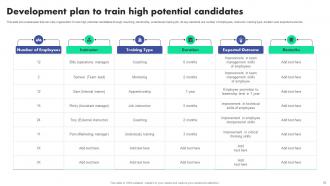
Development plan to train high potential candidates
-
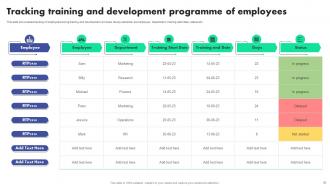
Tracking training and development programme of employees
-
Table of contents for succession planning to identify talent and critical job roles
-
Monitoring and optimizing succession planning elements
-
Criteria for evaluating leadership development initiatives
-
KPIs to monitor and evaluate succession planning effectiveness
-
Table of contents for succession planning to identify talent and critical job roles
-
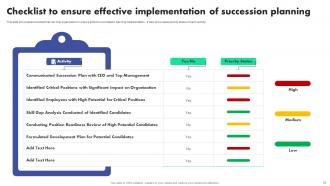
Checklist to ensure effective implementation of succession planning
-
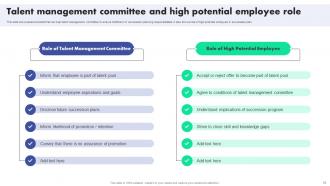
Talent management committee and high potential employee role
-
Table of contents for succession planning to identify talent and critical job roles
-
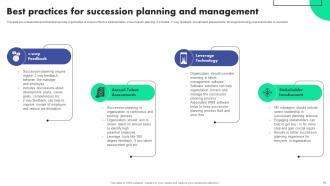
Best practices for succession planning and management
-
Table of contents for succession planning to identify talent and critical job roles
-
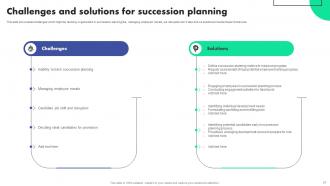
Challenges and solutions for succession planning
-
Table of contents for succession planning to identify talent and critical job roles
-
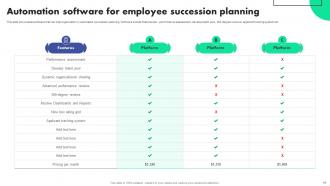
Automation software for employee succession planning
-
Table of contents for succession planning to identify talent and critical job roles
-
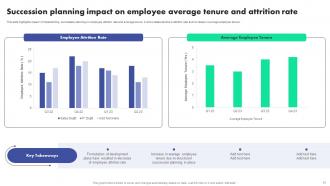
Succession planning impact on employee average tenure and attrition rate
-
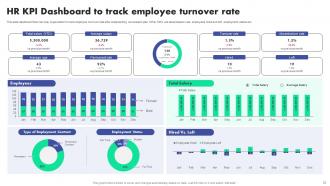
HR KPI Dashboard to track employee turnover rate
-
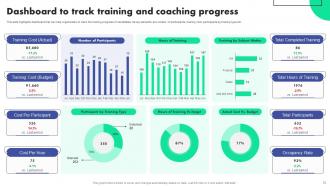
Dashboard to track training and coaching progress
-
Icons slide for succession planning to identify talent and critical job roles
-

Additional slides
-
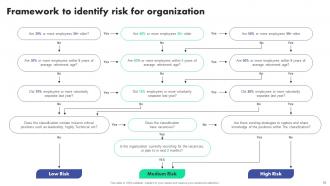
Framework to identify risk for organization
-
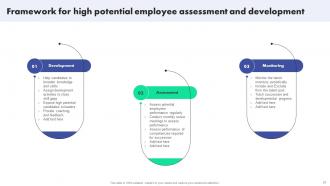
Framework for high potential employee assessment and development
-
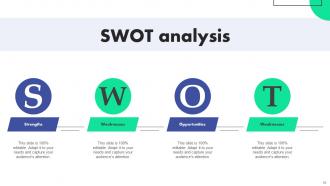
SWOT analysis
-
Meet our team
-
Post it notes
-
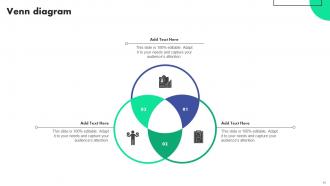
Venn diagram
-

Thanks for watching
-

-

-

-

-

-

-

-

FAQs for Succession Planning To Identify Talent And Critical Job
Start with your 5-10 most critical positions and figure out who could realistically step in. Then work backwards to spot the skill gaps. You'll need to assess your current talent pipeline and build development plans for promising people. Oh, and seriously document everything - knowledge transfer is where most places totally blow it. I've seen companies scramble when key people bail because nobody wrote down how stuff actually works. Set up clear transition timelines too. The whole thing needs regular updates since priorities change constantly. Map out those potential successors first though - that's your foundation.
Honestly, don't just look at performance reviews - top performers can be terrible managers. Watch for people who actually help their coworkers grow and jump into projects outside their lane. Get 360 feedback to see who people genuinely respect. The quiet ones asking smart questions? Often way better leadership material than whoever talks the most. Give potential candidates some trial runs - maybe lead a small project or cover for someone. What really matters is can they bring out the best in others, not just crush their own goals. Oh, and conflict resolution skills are huge - you'll thank me later.
Honestly, mentorship is where succession planning actually works. You can't just throw someone into a leadership role and cross your fingers - I've seen that blow up too many times. Regular mentoring helps spot the gaps before they become disasters. Your high-potential people need real exposure to how decisions get made, plus they've got to build those internal relationships early. The smart move? Start pairing key employees with mentors way before you think you'll need replacements. Even if succession feels like it's years out, you're basically giving yourself a head start.
So basically your company culture acts like a filter for who gets promoted. Love innovation? You'll probably fast-track the creative risk-takers over steady, reliable people. Big on teamwork? Those brilliant lone wolves won't even make your succession list. Here's the problem though - "cultural fit" can become this sneaky bias trap. You end up developing carbon copies of current leaders instead of people who bring fresh ideas. Honestly, I've seen this happen so much. Define what values you actually need for the future, not just what feels familiar right now.
Honestly, the worst thing companies do is wait until someone's literally walking out the door to think about succession planning. Super stressful for everyone involved. Also don't put all your eggs in one basket - have backup candidates because people quit unexpectedly all the time. Keep your potential successors in the loop too, otherwise how can they actually prepare? Oh, and here's something people miss - middle management roles matter just as much as C-suite positions. Maybe even more since they're running day-to-day operations. Start mapping out your critical roles now and develop multiple people for each spot.
Honestly, technology makes succession planning so much less painful. Instead of those nightmare spreadsheets we all know too well, you can get talent management platforms that actually track skills and performance in real-time. They'll spot potential successors automatically based on who's ready for what roles. The analytics are pretty sweet too - they can predict when someone's about to quit before you even notice they're checking out. Scenario planning becomes way simpler when everything's centralized. My advice? Look at what tools you're already paying for first. You might have more useful data buried in there than you think.
So honestly, start with your internal promotion rates - you want around 70-80% of leadership spots filled from within. Time-to-fill matters too; anything over 90 days for key roles is rough. Track retention of your high-potential people and see how many actually move up in 2-3 years. Leadership assessments are fine, but the real test? Whether someone's ready when your star performer quits without notice (been there). I'd audit your bench strength for critical roles first - you'll spot the gaps fast. Oh, and don't just look at the numbers on paper. Talk to people.
Yeah, outside stuff totally messes with your succession plans. Market crashes can force you to fast-track leadership changes overnight. Technology shifts? Suddenly the skills you thought you'd need are worthless. When the economy tanks, executives bail or retire early - honestly, can't blame them sometimes. I've watched companies panic when their "5-year timeline" turned into crisis mode in months because their whole industry flipped. You've got to stay flexible though. Don't put all your eggs in one basket - have backup candidates for key roles and keep checking what skills you'll actually need as things change.
Look, you really don't want a leadership team that's just a bunch of clones - that's how companies get stuck making the same dumb mistakes over and over. Honestly, diverse leadership teams just perform better financially, it's been proven. Different backgrounds bring fresh perspectives and better decision-making. My advice? Take a hard look at who's actually in your succession pipeline right now. I bet you'll find some pretty obvious gaps. Then start mentoring people from different demographics and experiences. It's not just about being fair (though that matters too) - you're literally expanding your talent pool and setting yourself up for more innovation.
Honestly, succession planning is one of those things that actually makes people want to stay. Your team sees you're thinking about their future, not just squeezing performance out of them right now. Clear paths forward? That's huge for morale. Dead-end jobs are the worst – I've been there and it sucks all your motivation. People feel way more secure when they know the company isn't just making it up as they go along. Oh, and definitely start having real conversations with your team about where they want their careers to go next.
Honestly, I'd start with your leadership team and work down from there. Town halls are great for the big picture overview, but smaller team meetings let you get into the actual details. Most people live in Slack these days instead of checking email constantly, so use whatever platform your team actually uses. Visual org charts help too - people like having something to reference later. Email updates work fine for ongoing stuff. Your company intranet's probably useful if people actually use it (big if, I know). The main thing is being upfront about timelines and what the criteria are. Don't try to do everything at once.
Look, once a year is the absolute minimum you should be doing this. But honestly? That's not nearly enough. Big changes like restructuring or key people leaving should mean you're updating things right away. I've watched way too many companies get totally blindsided because they just assumed their plans would stay relevant forever. People's goals shift, new talent shows up, business needs change - it's constant. Maybe do quarterly check-ins for your most critical roles and save the full review for everyone else annually. Oh, and definitely start with the positions that would hurt most if someone left tomorrow.
So basically you want to avoid that nightmare scenario where someone important quits and you're left totally scrambling. Map out your key positions first, then spot the high-potential people who could potentially fill them. Give those employees mentoring, cross-training, maybe some challenging projects to build up the right skills. Honestly, having 2-3 backup candidates for each critical role is ideal - sounds like overkill but trust me, it's not. Your internal people already get the company culture anyway, which is huge. Way better than frantically posting job listings and hoping for the best.
Oh man, nonprofit succession is such a headache compared to regular businesses. You're stuck with tiny budgets so good luck competing with corporate salaries to lure anyone decent. Most of the time you end up promoting from within, which is fine but your training resources are basically nonexistent. Board meetings are... interesting when half the volunteers have never run anything before. The person you pick has to actually care about your cause too, not just be competent. Start planning this stuff way sooner than feels necessary - like seriously, years ahead. Cross-train everyone you can so you're not totally screwed if someone leaves suddenly.
Dude, you really don't want to skip this. When key people bail unexpectedly, everything goes to hell fast. All their knowledge disappears overnight. Important relationships? Gone. Operations basically stop while you panic-hire someone. The costs are insane - emergency recruiting, training delays, the whole mess. Your other employees start freaking out about job security too. I've seen companies take months to recover from losing one critical person. Seriously, just map out your most important roles now and figure out what skills actually matter for each one. Way easier than dealing with the aftermath later.
-
Unique and attractive product design.
-
The ease of modifying templates is just superb! Also, the vast collection offers plenty of options to choose from.