

Surface water management powerpoint presentation slides




Try Before you Buy Download Free Sample Product
 Impress Your
 Audience
 100%
100% Editable
 Save Hours
 of Time


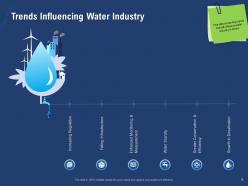
Introducing Surface Water Management PowerPoint Presentation Slides. Take the advantage of high-quality water management plan PPT infographics to give an overview of market size, growth rate, and capital expenditure of the water industry, etc. Demonstrate the process of planning, developing, and managing the optimum use of water with the help of this PPT slide deck. The slideshow effectively depicts the division of the wastewater treatment market. Highlight the key trends that will influence the water industry in the future such as, failing infrastructure, greater conservation, increasing regulation and efficiency. Modify our water resources PPT presentation to portray the natural and human processes that affect water quality. Our groundwater management PPT templates can aptly present the organization chart for the water supply authority. The slideshow also explains various topics like the wastewater treatment process, reuse by sector, and treated wastewater quality parameters. Highlight the water management KPI metrics by downloading this sustainable water management PowerPoint slide deck.
People who downloaded this PowerPoint presentation also viewed the following :
Content of this Powerpoint Presentation
Slide 1: This slide introduces Surface Water Management. State your Company name and begin.
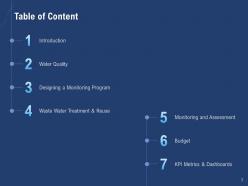
Slide 2: This slide displays Content of the presentation.
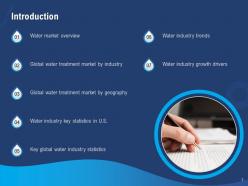
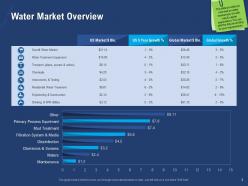
Slide 3: This slide showcases Water market overview.
Slide 4: This slide provides an overview on water market size, Growth rate & capital expenditure. You can edit the data according to your requirements.
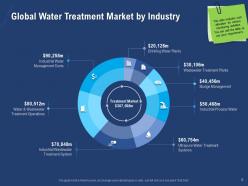
Slide 5: This slide shows division of wastewater treatment market by industry type. You can edit the data according to your requirements.
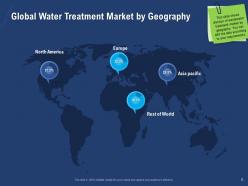
Slide 6: This slide shows division of wastewater treatment market by geography. You can edit the data according to your requirements.
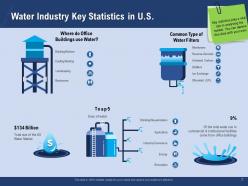
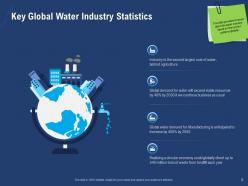
Slide 7: This slide depicts Water Industry Key Statistics in U.S.
Slide 8: This slide provides forecast about the water industry based on the current patterns globally.
Slide 9: This slide shows key trends that will influence water industry in future.
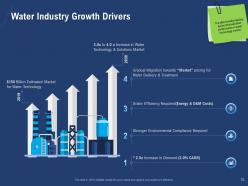
Slide 10: The slide includes leading factors that will affect performance of water technology market.
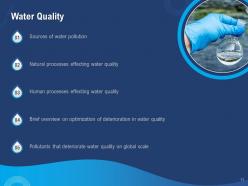
Slide 11: This slide provides Brief overview on optimization of deterioration in water quality
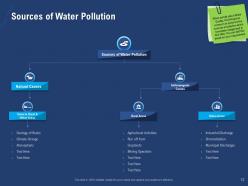
Slide 12: This slide shows Sources of Water Pollution.
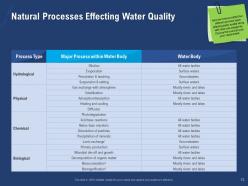
Slide 13: This slide showcases Natural Processes Effecting Water Quality.
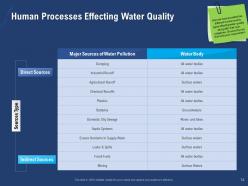
Slide 14: This slide shows Human Processes Effecting Water Quality.
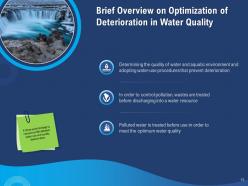
Slide 15: This slide presents Brief Overview on Optimization of Deterioration in Water Quality.
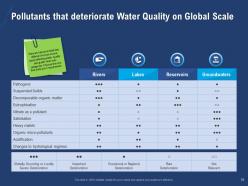
Slide 16: In this slide we have provided some of the common chemical and biological pollutants that deteriorate water quality.
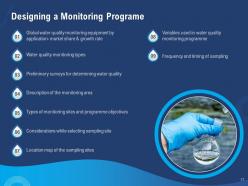
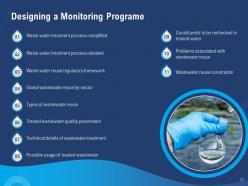
Slide 17: This slide provides information regarding Designing a Monitoring Programme
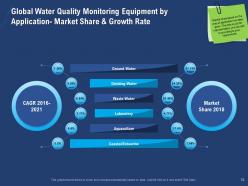
Slide 18: This slide depicts Global Water Quality Monitoring Equipment by Application- Market Share & Growth Rate
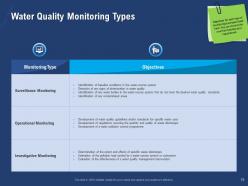
Slide 19: This slide showcases Water Quality Monitoring Types.
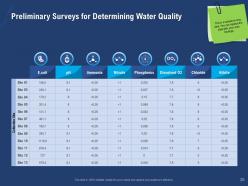
Slide 20: This slide depicts Preliminary Surveys for Determining Water Quality
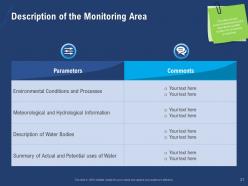
Slide 21: This slide includes environmental features that describe the suitable location for monitoring programme.
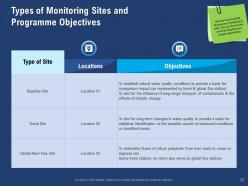
Slide 22: This slide showcases Types of Monitoring Sites and Programme Objectives.
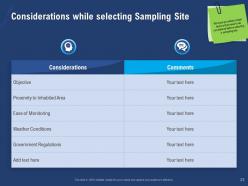
Slide 23: This slide depicts Considerations while selecting Sampling Site.
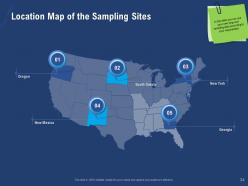
Slide 24: In this slide you can use your own map and sampling sites according to your requirement.
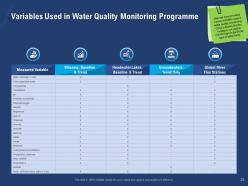
Slide 25: This slide showcases Variables Used in Water Quality Monitoring Programme
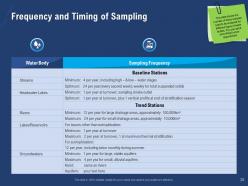
Slide 26: This slide shows the number of times samples need to be analysed for different types of water bodies. You can edit it according to your requirement.
Slide 27: This slide showcases Waste Water Treatment & Reuse
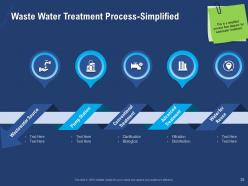
Slide 28: This slide presents Waste Water Treatment Process-Simplified.
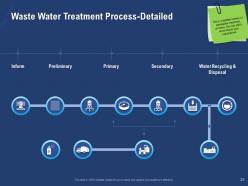
Slide 29: This slide depicts Waste Water Treatment Process-Detailed
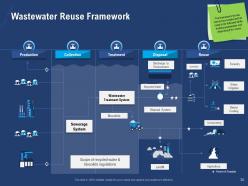
Slide 30: The framework shows common procedures that need to be followed while treating wastewater and disposing it for reuse.
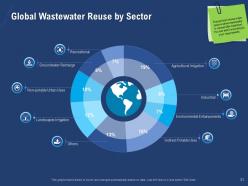
Slide 31: The pie chart in the slide shows major sectors where wastewater is reused after treatment. You can edit it according to your requirements.
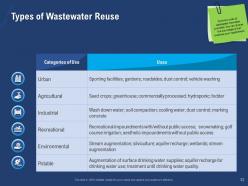
Slide 32: This slide shows Types of Wastewater Reuse
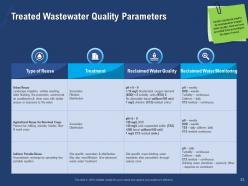
Slide 33: This slide displays Treated Wastewater Quality Parameters.
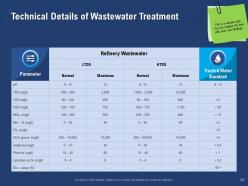
Slide 34: This slide showcases Technical Details of Wastewater Treatment.
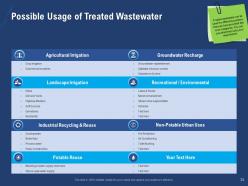
Slide 35: This slide displays Possible Usage of Treated Wastewater
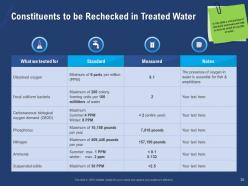
Slide 36: This slide shows comparison of standard and measured data is done to check the quality of water.
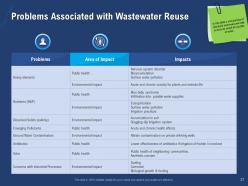
Slide 37: This slide presents Problems Associated with Wastewater Reuse
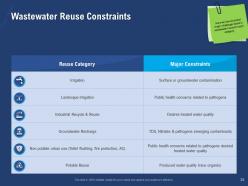
Slide 38: This slide showcases Wastewater Reuse Constraints
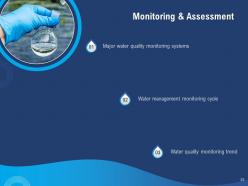
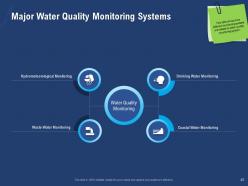
Slide 39: This slide showcases Major water quality monitoring systems.
Slide 40: This slide shows how different monitoring systems are related to water quality monitoring system.
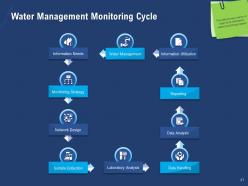
Slide 41: This slide shows a series of steps to be followed in water monitoring projects.
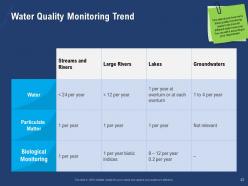
Slide 42: This slide shows how many times quality monitoring needs to be done for different water resources. You can edit it according to your requirement.
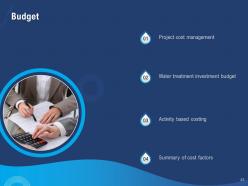
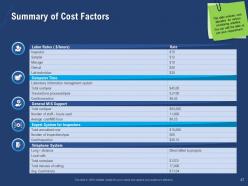
Slide 43: This slide displays Summary of cost factors
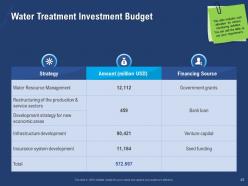
Slide 44: This slide includes cost allocation for various monitoring activities. You can edit the table as per your requirement.
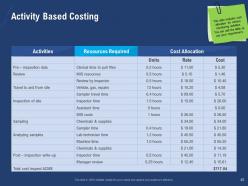
Slide 45: This slide includes cost allocation for various monitoring activities. You can edit the table as per your requirement.
Slide 46: This slide includes cost allocation for various monitoring activities. You can edit the table as per your requirement.
Slide 47: This slide includes cost allocation for various monitoring activities. You can edit the table as per your requirement.
Slide 48: This slide shows KPI Metrics & Dashboards.
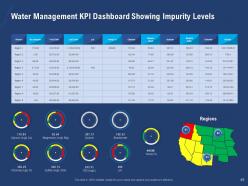
Slide 49: This slide showcases Water Management KPI Dashboard Showing Impurity Levels.
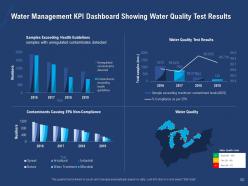
Slide 50: This slide presents Water Management KPI Dashboard Showing Water Quality Test Results
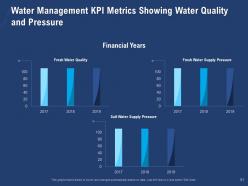
Slide 51: This slide depicts Water Management KPI Metrics Showing Water Quality and Pressure
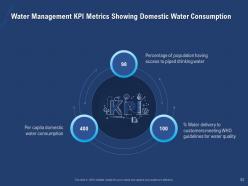
Slide 52: This slide showcases Water Management KPI Metrics Showing Domestic Water Consumption
Slide 53: This is Icons Slide for Surface Water Management
Slide 54: This slide is titled as Additional Slides for moving forward.
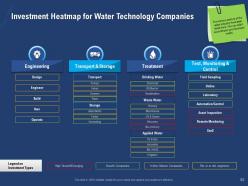
Slide 55: This slide displays Investment Heatmap for Water Technology Companies
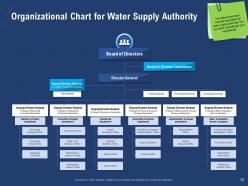
Slide 56: This slide shows Organizational Chart for Water Supply Authority.
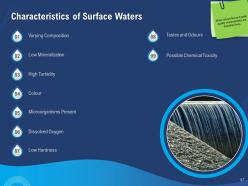
Slide 57: This slide showcases Characteristics of Surface Waters.
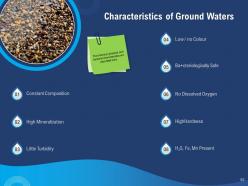
Slide 58: This slide present Characteristics of Ground Waters.
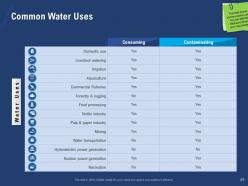
Slide 59: This slide shows common water uses. You can edit this slide according to your requirement.
Slide 60: This slide includes cost allocation for various monitoring activities. You can edit the table as per your requirement.
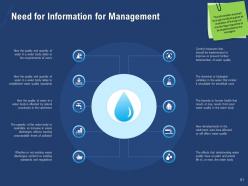
Slide 61: This slide presents Need for Information for Management
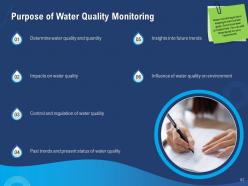
Slide 62: This slide showcases the Purpose of Water Quality Monitoring
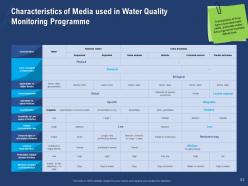
Slide 63: This slide depicts Characteristics of Media used in Water Quality Monitoring Programme
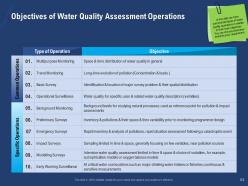
Slide 64: This slide shows Objectives of Water Quality Assessment Operations
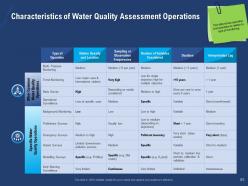
Slide 65: This slide represents Characteristics of Water Quality Assessment Operations
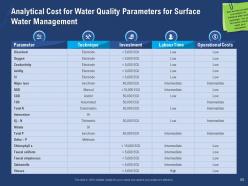
Slide 66: This slide shows Analytical Cost for Water Quality Parameters for Surface Water Management
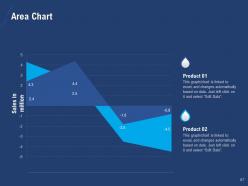
Slide 67: This slide shows Area Chart for comparison of products.
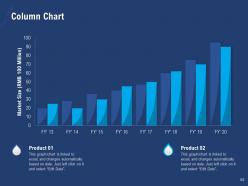
Slide 68: This slide displays Column Chart for comparison of products.
Slide 69: This slide is titled as Post It Notes.
Slide 70: This is Idea Generation slide to highlight important facts and message.
Slide 71: This slide is used to display the Goals of the Company.
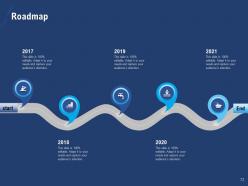
Slide 72: This slide shows Roadmap process.
Slide 73: This slide showcases Goals.
Slide 74: This is 30 60 90 Days Plan slide.
Slide 75: This is Thank you slide.
Surface water management powerpoint presentation slides with all 75 slides:
Use our Surface Water Management Powerpoint Presentation Slides to effectively help you save your valuable time. They are readymade to fit into any presentation structure.





FAQs for Surface water management
Oh man, you're gonna have your hands full! Different groups constantly fight over water - farmers, factories, cities all wanting more. Then pollution screws everything up from farm runoff and industrial waste. Climate's totally unpredictable these days - flooding one season, drought the next. The regulations are honestly a nightmare with like 5 different agencies all having opinions. Plus most water systems are ancient and cost a fortune to fix. My advice? Get everyone in the same room early and do proper watershed planning. Way easier than dealing with angry stakeholders later.
Honestly, climate change just breaks all the old rules for water planning. Your historical data? Pretty much useless now. Storms hit way harder and flood everything, then you get these brutal droughts that last forever. Precipitation patterns are all over the place - kinda like my sleep schedule lately lol. So planners have to get creative with flexible systems. You need storage that can adapt, multiple water sources so you're not screwed if one fails, and infrastructure built for the worst-case stuff. Can't rely on "this worked before" anymore. It's all about expecting the unexpected now.
So there's a bunch of cool tech for monitoring water quality these days. Satellites can track algal blooms and sediment across huge areas - pretty neat stuff. Real-time sensors are where it's at though, constantly measuring pH, oxygen levels, turbidity, all that. The sensor tech has improved so much lately it's crazy. Drones work great for spots you can't easily reach, and automated samplers handle the lab collection. Oh, and everything feeds into cloud dashboards now so you get live data. Honestly depends what you're trying to monitor and your budget, but I'd figure out your specific goals first then pick the right combo.
So basically, when you pave over stuff or put up buildings, all that water just runs off instead of soaking in like it should. That's why you get those crazy floods after development. Different farming methods mess with this too - some crops let water through better than others. Trees are honestly your best bet since they slow everything down and soak up tons of water. Oh, and compacted soil is terrible for drainage, just fyi. But yeah, whenever you're changing how land gets used, you've gotta think about where all that runoff's gonna go. Green spaces are clutch for managing it naturally.
Local communities are honestly where the real work happens with water management. They're out there every day doing watershed restoration, installing rain gardens, spotting problems before they get bad. Plus they monitor water quality and report issues fast. Communities also push for policy changes and run those water planning meetings - though those can drag on forever sometimes. Residents get educated about best practices through these groups too. If you're doing any water project, definitely get local groups involved early. They've got the on-the-ground knowledge that'll make or break what you're trying to do.
So basically, data analytics turns your water management from just reacting to problems into actually seeing them coming. Historical flow patterns and precipitation data let you predict floods and droughts ahead of time - honestly, it's wild how clear the patterns become once you start looking. You can optimize how reservoirs operate and catch pollution sources way faster too. The trick is getting your monitoring network set up with consistent data collection first. Even simple trend analysis beats just winging it, you know? Makes allocation decisions so much smarter when you're not flying blind.
Honestly, start with the green stuff - rain gardens, permeable pavement, bioswales. They actually work better than the old-school concrete approach and don't look like garbage. For bigger projects you'll need detention ponds or constructed wetlands. Quick wins? Just reduce those huge paved areas where you can and route water toward grass instead of straight into storm drains. I'd walk around first and figure out where your worst flooding happens, then tackle those spots. My neighbor did rain gardens last year and was shocked how well they worked during that crazy storm we had.
Three things you should tackle for better water policies. Get all those different agencies talking to each other instead of working in silos - watersheds don't care about bureaucratic boundaries, right? Also build in flexibility so policies can actually adapt when climate stuff changes or new research comes out. Most frameworks are way too rigid. Oh and the stakeholder engagement part is usually garbage from what I've seen. You gotta get communities, farmers, industries involved from day one, not as an afterthought. Map out which agencies overlap in your area first - that'll show you the mess you're dealing with.
Ugh, bad water management is such a disaster for ecosystems. Flooding gets way worse, erosion tears everything up, and all that sediment clogs rivers - fish hate it. Water quality goes to hell because pollutants like farm chemicals and city runoff don't get filtered out properly. Then you get those gross algae blooms and dead fish everywhere. Natural water flow gets completely screwed up too, which destroys habitats. Honestly, the whole food chain feels it. You need decent drainage systems and buffer zones around water sources. Oh, and monitoring helps catch problems early before everything goes sideways.
Oh man, transboundary water stuff is such a headache. You've got different countries with totally different laws and priorities all fighting over the same river or whatever. What's legal upstream might screw over everyone downstream, and there's usually nobody with real authority to sort it out. Language barriers make everything worse, plus everyone has different tech standards and environmental rules. Honestly, water doesn't give a damn about political borders but politicians sure do. Before you jump into any cross-border project, definitely check if there's already some treaty or cooperation thing in place - it'll save you tons of grief later.
Oh man, there's some pretty cool stuff happening with water retention these days. Constructed wetlands basically work like giant natural sponges. Then you've got permeable pavement that actually lets water soak through instead of just running off everywhere. Bioswales are kind of like fancy plant-filled ditches that grab all the runoff - honestly they're way cooler than they sound. Green roofs are having a moment too, but they'll hit your wallet hard upfront. Smart detention ponds can automatically hold more water when storms hit and release it slowly after. Best approach? Don't rely on just one thing - you want multiple systems working together across the whole area.
So basically, good water management creates all these different habitats that wildlife needs to survive. You control water levels and flooding patterns, which helps everything from frogs to ducks thrive. Retention ponds are great too - they filter out nasty stuff before it hits natural areas. Honestly, it's wild how much biodiversity depends on us not screwing up the water cycle! I'd start by figuring out where your local water flows and spotting the key areas that need help. My neighbor does this stuff and says mapping is always step one.
So from what I've seen, the best water management mixes regular infrastructure with natural solutions - works way better than just one approach. Singapore nailed water independence through long-term planning, and the Dutch "Room for the River" thing shows how thinking ahead beats scrambling later. Australia's Murray-Darling mess took forever because getting stakeholders aligned is honestly brutal, but they figured it out eventually. Oh, and you definitely need good monitoring systems that let you pivot when stuff changes. I'd start by figuring out who the key players are in your watershed and what data you're missing.
So regulatory frameworks are basically the rulebook for managing surface water - they can make your life super easy or turn it into a bureaucratic hellscape. Good frameworks give you clear guidelines and streamlined processes across agencies. Bad ones? You'll be stuck juggling conflicting requirements between different departments forever. I've seen projects get delayed for years because nobody could figure out which agency had jurisdiction (honestly ridiculous). The sweet spot is finding frameworks that protect the environment without drowning you in red tape. Check out regions with integrated water policies - they've got it figured out.
Farming really messes with water quality and how much is even available. Fertilizer runoff creates those nasty algal blooms - you know, when lakes turn bright green? Pesticides seep in too. Then there's the irrigation issue - farmers are pulling so much water that some rivers literally run dry during peak season. It's pretty crazy to see. Buffer strips along fields help a ton, and so does that no-till farming method where they don't plow everything up. Soil erosion is another problem since all that dirt just clogs up streams. Conservation practices make a real difference though.
-
Great designs, really helpful.
-
Informative presentations that are easily editable.
-
Nice and innovative design.
-
Thanks for all your great templates they have saved me lots of time and accelerate my presentations. Great product, keep them up!
-
Enough space for editing and adding your own content.
-
Content of slide is easy to understand and edit.
-
Topic best represented with attractive design.