

Sustainable water management powerpoint presentation slides




Try Before you Buy Download Free Sample Product
 Impress Your
 Audience
 100%
100% Editable
 Save Hours
 of Time


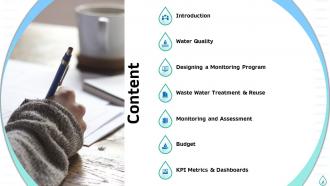
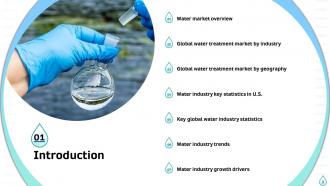
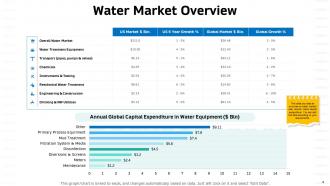
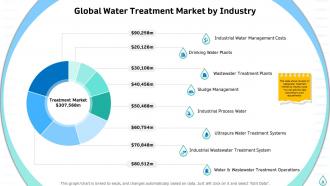
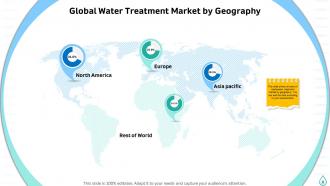
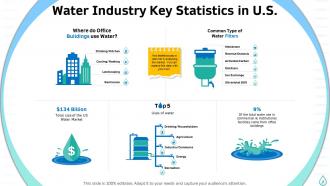
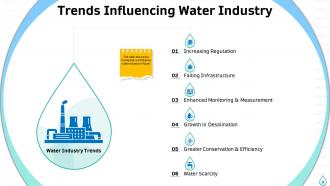
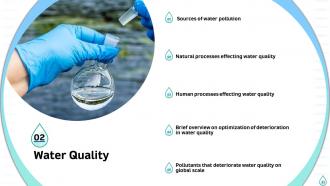
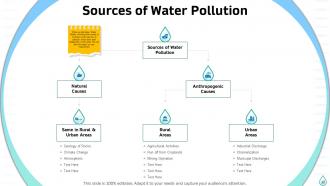
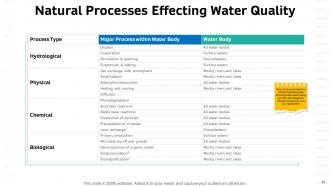
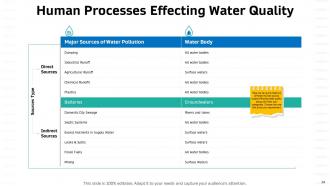
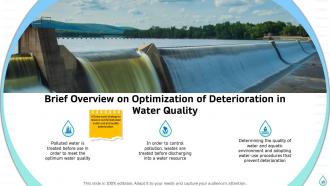
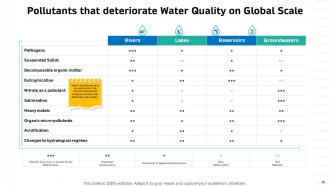
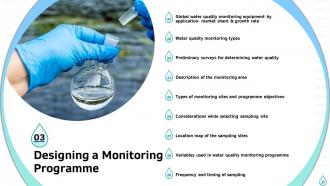
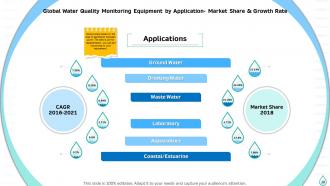
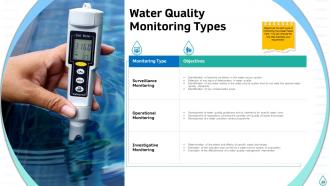
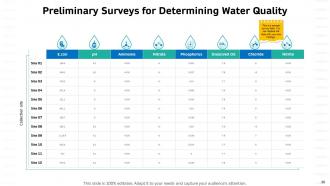
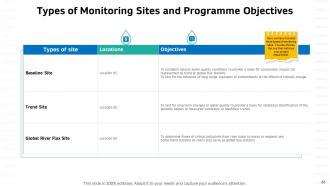
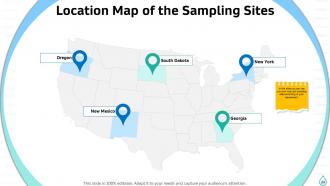
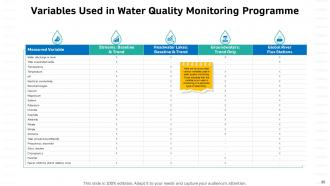
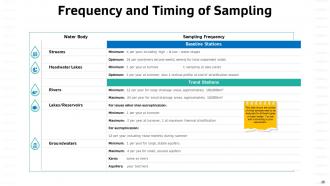
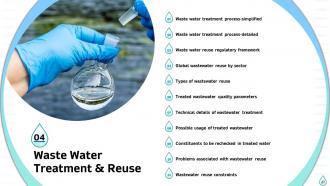
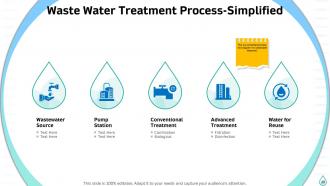
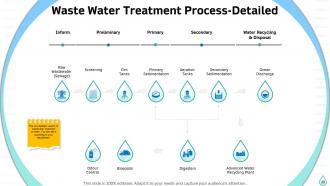
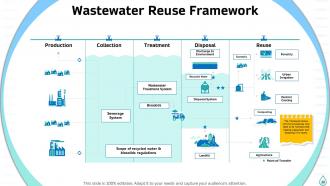
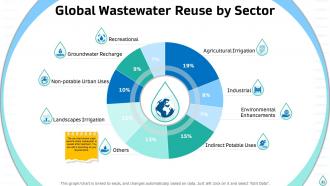
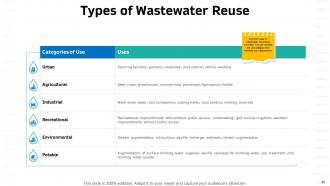
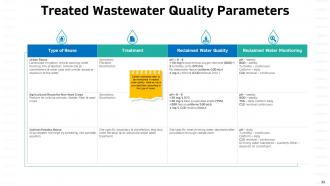
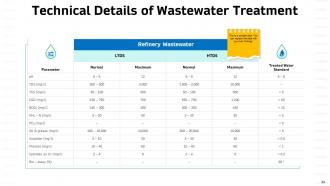
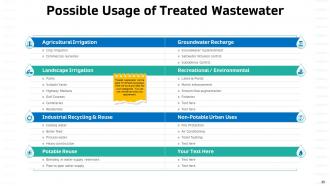
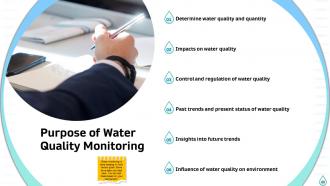
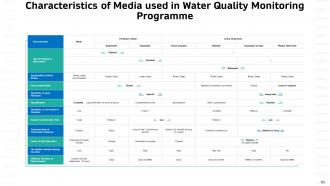
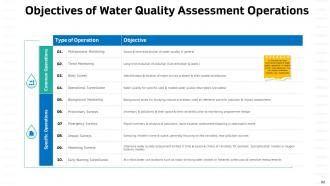
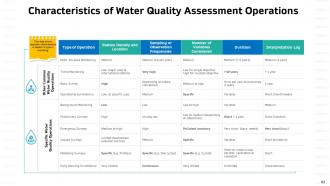
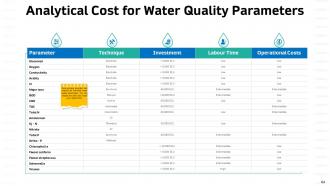
Introducing Sustainable Water Management PowerPoint Presentation Slides. This Water resource system PowerPoint slideshow can be used to explain the overview of market size, growth rate, and capital expenditure of the water industry. You can discuss the process of planning, developing, and managing the optimum use of water. The survey data for determining water quality can be easily presented by using a water cycle management PowerPoint slideshow. Demonstrate the division of the wastewater treatment market by editing our content-ready water quality monitoring PowerPoint slide deck. You can easily edit our water resources presentation to highlight the natural processes and human processes that affect water quality. Key trends that will influence the water industry in the future such as increasing regulation, failing infrastructure, greater conservation, and efficiency, etc. can also be presented with the help of our ready-to-use water management PPT visuals. It is possible to present the features that describe a suitable location for the monitoring program. It is easy to explain topics like wastewater treatment process, wastewater reuse, global wastewater reuse by sector, treated wastewater quality parameter, etc by downloading this sustainable water management PowerPoint slide deck.
People who downloaded this PowerPoint presentation also viewed the following :
Sustainable water management powerpoint presentation slides with all 74 slides:
Use our Sustainable Water Management Powerpoint Presentation Slides to effectively help you save your valuable time. They are readymade to fit into any presentation structure.

FAQs for Sustainable water management
Three big things matter: using water efficiently, making sure everyone gets access, and protecting natural systems. Fix leaks, recycle wastewater, plant stuff that doesn't need tons of water. Honestly, most lawns are ridiculous water hogs anyway. Forests and wetlands do amazing work filtering and storing water naturally. You've got to think about tomorrow, not just today's needs. Start by tracking what you actually use at home - I bet you'll spot ways to cut back without really changing your life.
So basically climate change is messing with water in crazy ways - we're getting longer droughts that completely drain reservoirs, then boom, massive floods that just wash away instead of actually helping. Temperatures are higher too, so water evaporates faster. It's honestly kind of scary how unpredictable it's all become. The flooding thing is weird because you'd think more rain = more water, but it doesn't work that way. Right now we really need to diversify where our water comes from and build better storage systems. Having flexible plans that can handle both extremes is huge.
Honestly, local communities are the real MVPs here - they know their water sources better than anyone and deal with the problems every single day. Rainwater harvesting, protecting watersheds, community monitoring? That stuff works way better when it comes from the ground up instead of some government office. People actually care when they have a say in the planning. Communities get super creative mixing old-school knowledge with new tech too, which is pretty cool to see. If you're doing any water work, get locals involved early and give them actual power to make decisions. Not just those pointless "feedback sessions" where nothing changes.
Honestly, tech is pretty amazing for saving water these days. Start with IoT sensors - they'll track your usage and automatically cut off water if there's a leak. Smart irrigation is where it gets really cool though, adjusting based on weather and how wet your soil actually is. AI can predict when you'll need more or less water, so no more guessing games. There are even apps that turn conservation into a competition (I'm weirdly competitive about this stuff). My advice? Pick one system first and see how it works before going all-in.
Dude, rainwater harvesting is actually pretty smart. Your water bills drop since you're catching all that free water running off your roof instead of letting it go to waste. Plants love rainwater way more than the chlorinated stuff from the tap too. Plus it helps with flooding - though I guess that's more of a neighborhood benefit than personal. The initial setup does cost some money upfront, but you make it back through savings pretty fast. Oh, and it takes pressure off the city water system which is cool I suppose. First thing - measure your roof area to see how much you could actually collect.
Water policy totally depends on what problems each place faces. Desert areas like California have crazy strict limits and dump money into desalination plants. Places with tons of water like Scandinavia worry more about keeping it clean. Poor countries just want basic pipes and wells, while rich ones can blow cash on high-tech fixes - the gap is wild honestly. Climate obviously matters, but so does money and politics. Oh and developing nations often can't even think about fancy solutions when people still lack running water. Look at their main water headache first - that'll explain their whole approach.
Honestly, water recycling systems are huge - you can cut usage by like 40-60% just by treating wastewater for reuse in cooling and cleaning. Smart sensors are clutch too because they'll catch leaks before you're hemorrhaging money (trust me on this one). Start with an audit to see where you're bleeding water the most. Then look at process stuff - tweaking equipment settings, upgrading old machinery, getting your team trained up. Oh, and real-time monitoring is a total game-changer for spotting inefficiencies early. Hit the worst problems first.
Drip irrigation is a game-changer - gets water straight to the roots instead of wasting it all over the place. I'd start by checking where you're losing the most water first, that's usually the easiest fix. Drought-resistant crop varieties are worth looking into too, some of those old heritage seeds are surprisingly tough. Mulching helps keep moisture in the soil longer. Oh, and don't water during the hottest part of the day, you'll just lose half of it to evaporation. Cover crops between seasons also help with water retention if you've got the space.
Yeah so basically cities just destroy water systems. All that concrete means rain can't get into the ground anymore - it just rushes into storm drains instead. More people = way more water demand obviously. But here's what really sucks: that runoff grabs all kinds of nasty stuff from streets and buildings before hitting rivers and groundwater. I'm honestly surprised more places don't require permeable pavement by now. If you're involved in any planning stuff, definitely fight for rain collection systems and surfaces that actually let water through.
So basically you want to make it feel personal, you know? Like, hit people with real numbers - did you know a leaky faucet wastes 3,000 gallons a year? That's nuts. Use social media and community stuff to show actual examples of waste plus easy fixes. I'd focus on the no-brainer wins first: shorter showers, fixing those annoying drips, planting stuff that doesn't need tons of water. Before/after stories work great too. Oh, and make it visual - people love infographics. Start by figuring out what your community's worst water problems are, then craft messages that actually speak to those specific issues.
So watershed management is basically protecting your water from where it starts to where it comes out your faucet. You're controlling runoff and stopping contamination by treating the whole drainage area as one big connected system - way smarter than just looking at individual streams, right? Good management hits multiple targets: flood control, water quality, habitat stuff. Plus it keeps natural water cycles running smoothly (though honestly the climate benefits are probably the biggest deal long-term). Best first step? Map out your local watershed so you can see how everything connects.
So you're dealing with agricultural runoff and industrial waste getting into the water supply. Aging pipes don't help either - they just leak more contamination in. People are also pumping groundwater way faster than it can naturally refill, which honestly seems pretty short-sighted. Climate change is screwing with rain patterns too, making everything worse. Near coasts, you get saltwater creeping inland when water levels drop. It's basically like trying to fill a bucket with holes in it while someone keeps adding more holes. Best thing is setting up monitoring systems now and fighting for pumping limits before things get really bad.
Water issues are tricky because rivers and underground water sources don't stop at country lines, you know? Multiple nations end up sharing the same water systems whether they like it or not. Working together lets countries pool money for big infrastructure stuff and coordinate their policies. The Rhine Basin is actually a solid example - several European countries manage it jointly instead of fighting over it. Honestly, cooperation prevents so many water wars that could happen otherwise. If you're dealing with any water project, definitely look into what international partnerships already exist. Why reinvent the wheel?
For water infrastructure projects, green bonds are your best bet - they're made for this stuff and ESG investors love them. Blended finance works great too, mixing public grants with private money to lower risk. Impact investing and water funds are blowing up right now, especially for bigger utility projects. Honestly though, don't put all your eggs in one basket. Most successful projects I've seen combine like 3-4 different funding sources. Start by figuring out your cash flows and risk levels first. Then you can see what actually makes sense for your timeline. Oh, and water funds are getting pretty competitive lately, so apply early if you go that route.
So IWRM is about looking at the whole water picture instead of just pieces. Agriculture, cities, industry - they all need water but usually don't talk to each other, which is kinda stupid when you think about it. With IWRM you're balancing everyone's needs while keeping ecosystems healthy too. Surface water, groundwater, quality, flows - everything's connected. Yeah, it's way harder than the old school approach but that's because water problems are messy. Start by figuring out who actually makes water decisions in your area. Trust me, it's probably more players than you'd expect.
-
Thanks for all your great templates they have saved me lots of time and accelerate my presentations. Great product, keep them up!
-
Very well designed and informative templates.
-
Professional and unique presentations.