


Stormwater management powerpoint presentation slides




Try Before you Buy Download Free Sample Product
 Impress Your
 Audience
 100%
100% Editable
 Save Hours
 of Time


Our Stormwater Management Powerpoint Presentation Slides are topically designed to provide an attractive backdrop to any subject. Use them to look like a presentation pro.
People who downloaded this PowerPoint presentation also viewed the following :
Stormwater management powerpoint presentation slides with all 73 slides:
Use our Stormwater Management Powerpoint Presentation Slides to effectively help you save your valuable time. They are readymade to fit into any presentation structure.


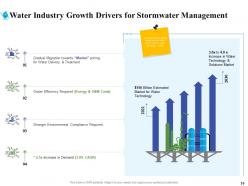
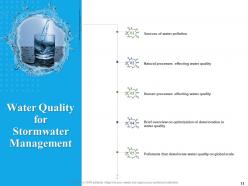
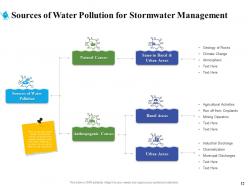
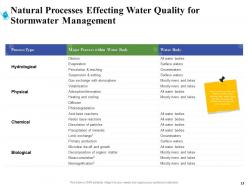

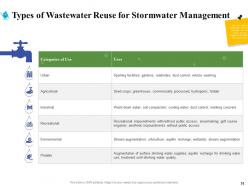
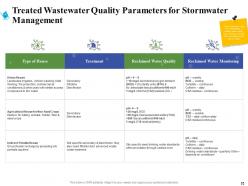
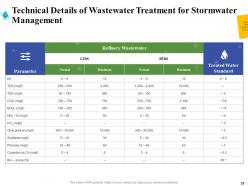
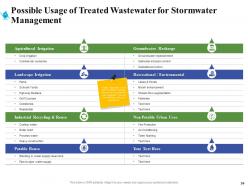
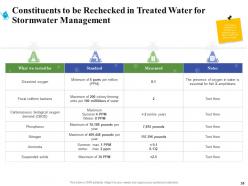
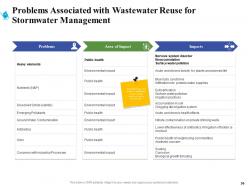
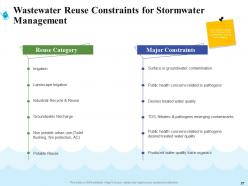
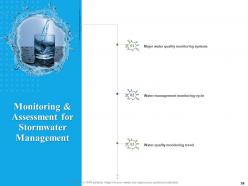
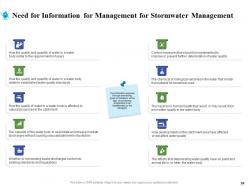
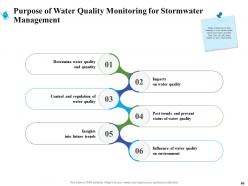
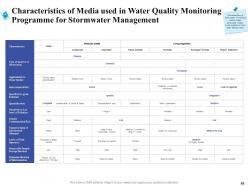
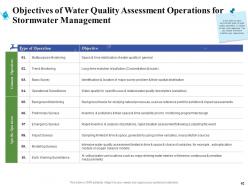


FAQs for Stormwater management
So you're basically trying to control flooding, protect water quality, and stop erosion. Instead of letting water go crazy everywhere (trust me, learned this one the hard way), you want to slow down runoff and filter pollutants before they reach natural waterways. Also reduces how much water slams your infrastructure at once. Design needs to handle regular rain plus those nasty big storms. Honestly, start by mapping your site's natural drainage first - that's gonna drive everything else. Makes the whole process way smoother when you work with what's already there.
So basically when you cover natural ground with concrete and asphalt, all the rainwater that used to soak into soil now just rushes straight into storm drains. Forests and wetlands? Gone. Now you've got flooding and erosion problems because that water's moving way too fast and picking up garbage and chemicals as it goes. Compacted soil makes things worse too - I learned that the hard way in my own yard. If you're working on any development stuff, definitely push for things like permeable pavement and rain gardens. Natural areas are your friend here.
Start by mapping where your water flows and spotting trouble zones - that's honestly the most important step. Green roofs and permeable pavement help cut runoff right at the source. Then you need good conveyance systems to move water safely during storms, plus treatment facilities to clean it before discharge. Detention basins handle flood control too. Here's the thing though - maintenance is make-or-break for these systems. I've seen expensive setups fail completely because nobody kept up with them. Don't skip monitoring protocols either, since you'll need to track performance and stay compliant. Prioritize based on what gives you the biggest bang for your buck.
So green infrastructure is basically copying what nature already does instead of fighting it. Rain gardens, permeable pavement, bioswales - they soak up stormwater right where it hits instead of just rushing it into pipes. Way smarter if you ask me. You'll get less flooding, cleaner water since it filters out nasty stuff, and it recharges groundwater too. Oh, and your neighborhood actually looks better with all the green spaces. Birds love it. Even small changes help - like adding a rain garden in that soggy spot in your yard. Start there and see what happens.
So permeable pavement is basically like turning your driveway into a giant sponge. Water soaks right through instead of rushing off to storm drains. Pretty neat idea, honestly. You can cut runoff by 30-50% compared to regular concrete or asphalt. It's like creating these mini infiltration spots that help recharge groundwater and prevent flooding downstream. Just make sure you get a percolation test first - learned that one the hard way when my neighbor didn't check his soil conditions beforehand. Don't want water just sitting there with nowhere to go.
So basically rain gardens work like natural filters - when stormwater runs through them, the soil and plants grab all the nasty stuff like oil and sediments before it hits storm drains. Way prettier than those ugly concrete basins too, honestly. You'll want native plants with deep roots and about 18-24 inches of that special engineered soil mix (my neighbor skipped this step and regretted it). First thing is figuring out where water naturally flows on your property. Then just plop the garden right in that path so it catches everything.
So there's tons you can do! Rain gardens and permeable pavement are awesome because water just soaks right in instead of flooding everywhere. Retention ponds work great for bigger areas. Green roofs are pretty cool too - though honestly they're kinda pricey. Bioswales along roads are another solid option. The trick is figuring out where your water actually flows first. Map that out and you'll see exactly where to put stuff. Way better than just guessing! Green infrastructure beats the old concrete approach every time. It's like working with nature instead of fighting it, you know?
Honestly, stormwater stuff can make or break local wildlife. When it's done wrong, you get all this nasty runoff - fertilizers, oil, random trash - flowing straight into streams and rivers. Fish die, habitats get wrecked. Plus the erosion and flooding tears up those areas where trees meet water (forgot what they're called... riparian zones?). But here's the thing - good stormwater design actually helps biodiversity. Rain gardens and constructed wetlands don't just manage water, they create new habitats. Birds love them, frogs breed there, beneficial bugs move in. It's like getting two wins from one project. If you're working on anything stormwater-related, definitely throw in some native plants and think about making it wildlife-friendly too.
Honestly, the money side works out pretty well. Your property value jumps 5-10% with decent stormwater management, which is nice. Insurance gets cheaper too. But the real savings? Avoiding those crazy emergency bills when storms wreck everything - I've seen towns get hit with millions in damage they could've prevented. Most places break even in 7-10 years, sometimes faster with tax breaks for green projects. Oh, and you're not constantly fixing busted infrastructure every few years. I'd grab a cost-benefit analysis first though, just to see your actual numbers.
So basically you want to put sensors in your storm drains and pipes - they track water levels, flow rates, all that stuff. Pretty cool actually. The data goes to a dashboard that can predict floods and tell you when maintenance is due. Some cities are going crazy with AI to forecast problems before they happen. Your crews get heads up alerts instead of scrambling when things go sideways. Honestly beats the old "hope for the best" approach. I'd say start with just a few monitoring spots to see if it's worth the investment, then expand from there.
Ugh, stormwater regs are such a mess depending on where you're working. Here in the US you've got the Clean Water Act and EPA's NPDES permits as your baseline. But then every state piles on their own rules too. Europe uses the Water Framework Directive, Australia has their National Water Quality Management thing - honestly I always get confused which country has what. My advice? Start local first since cities usually have the strictest rules anyway. Then figure out what the state wants, federal comes last. Oh and don't forget construction permits if you're doing any site work.
Honestly, getting residents involved is a game changer. People become way more invested when they help identify flooding problems and plan solutions themselves. They'll actually maintain those rain gardens and permeable surfaces instead of just ignoring them. Locals know their neighborhoods better than anyone - they catch issues you'd totally miss. Plus they're more likely to do the small stuff like disposing yard waste properly. The trick is making participation super easy and showing people how their efforts directly help their own block. Works way better than just telling people what to do.
Honestly, space is your biggest nightmare - there's just nowhere to put new stuff in dense cities. Ripping up what's already there costs a fortune too. Those old combined sewer systems? Total disaster waiting to happen with how crazy rainfall has gotten lately. Politics make everything worse since you're juggling like five different agencies who all hate each other. Engineering around existing utilities is a pain, plus you can't mess with traffic flow or people lose their minds. My advice? Go for the easy wins first - permeable pavement in parking lots, maybe some bioswales. Save the big reconstruction headaches for later.
So vegetated swales are like shallow grassy ditches but way more functional. They slow down stormwater runoff and filter out nasty stuff like sediment and nutrients before it hits storm drains. The plants and soil do most of the heavy lifting - honestly they're pretty clever systems. Water soaks into the ground instead of just rushing off your property. During big storms they really help with peak flows too. Just make sure you size them right for your drainage area and pick native plants that won't die when it's dry or get swamped when it's wet. My neighbor installed one last year and it's worked great.
Dude, climate change is totally screwing with stormwater design. We're getting these crazy intense downpours that just demolish old infrastructure, then weeks of nothing, then BAM - another flood. Those "100-year storm" calculations your grandpa used? Completely worthless now. Green infrastructure is where it's at - bigger retention basins, systems that can roll with the punches. I'd honestly add like 20% extra capacity to whatever you're planning, maybe more. Check your local rainfall data trends first though. The patterns are wild compared to even 10 years ago.
-
The Designed Graphic are very professional and classic.
-
Easy to edit slides with easy to understand instructions.
-
I discovered this website through a google search, the services matched my needs perfectly and the pricing was very reasonable. I was thrilled with the product and the customer service. I will definitely use their slides again for my presentations and recommend them to other colleagues.
-
Presentation Design is very nice, good work with the content as well.
-
Easily Understandable slides.
-
Appreciate the research and its presentable format.
-
Great quality slides in rapid time.
-
Great experience, I would definitely use your services further.
-
Really like the color and design of the presentation.
-
Nice and innovative design.
-
Page:
- You're currently reading page 1
- Page 2
-
