


Water resource management powerpoint presentation slides




Try Before you Buy Download Free Sample Product
 Impress Your
 Audience
 100%
100% Editable
 Save Hours
 of Time


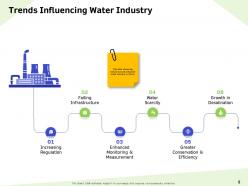
Discuss the process of planning, developing, and managing the optimum use of water resources by using Water Resource Management PowerPoint Presentation Slides. This Water resource system PowerPoint slideshow can be used to explain the overview of market size, growth rate, and capital expenditure of the water industry. You can present the survey data for determining water quality by using the water cycle management PPT slideshow. Demonstrate the division of the wastewater treatment market by editing our content-ready water quality monitoring PowerPoint slide deck. You can easily edit our water resources presentation to highlight the natural processes and human processes that affect water quality. Showcase the leading factors that will affect the performance of the water technology market by using water quality assurance PowerPoint visuals. Key trends that will influence the water industry in the future such as increasing regulation, failing infrastructure, greater conservation, and efficiency, etc. can also be presented with the help of our ready-to-use water management PPT visuals. Discuss how you can design an effective water quality monitoring program by downloading our professionally designed water resource management PowerPoint slides.
People who downloaded this PowerPoint presentation also viewed the following :
Content of this Powerpoint Presentation
Did you know that water covers about 71% of our planet? Are you aware that 95% of that water is too salty and just 3% is fresh? These stats are a reason we all need a better water management plan. When water is used smartly, it leads to less wastage and more efficiency.
Over 770 million people worldwide don’t have a water source close to their homes, so it’s high time we all thought of a water management plan. The following slides by SlideTeam can help you create a comprehensive presentation on the topic and make your audience understand why you need a better water management plan right now.
Water management is essential for businesses too as it helps show that a business is focused on climate change and wants to play a role in a better situation for the future generations.
Do you want information on the key challenges in water resource management, too? These slides by SlideTeam are helpful.
Want to take steps towards the optimum use of water resources by developing and managing a detailed plan? These slides by SlideTeam may provide the answers you seek.
Water Resource Management PowerPoint Presentation
Template 1: Water Market Overview
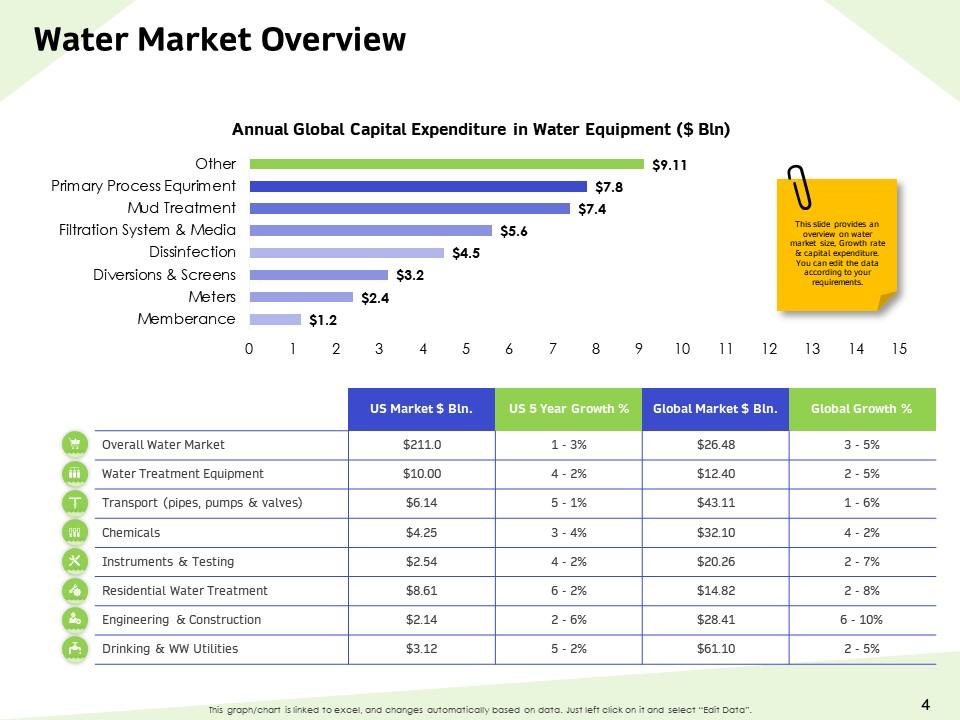
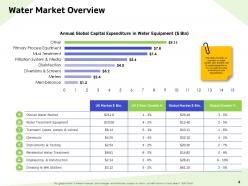
Any discussion on water resource management has to begin with a market overview as it helps to get a clear picture. This unique and detailed slide helps with it. It shares vital data and stats like the overall water market, the worth of the water treatment equipment used for water purification, and the worth of the residential water treatment products industry. It also focuses on how each element of this huge industry is growing across the globe. For instance, the number of instruments and testing materials is growing at 2-7% rates.
Template 2: Global Water Treatment Market by Industry
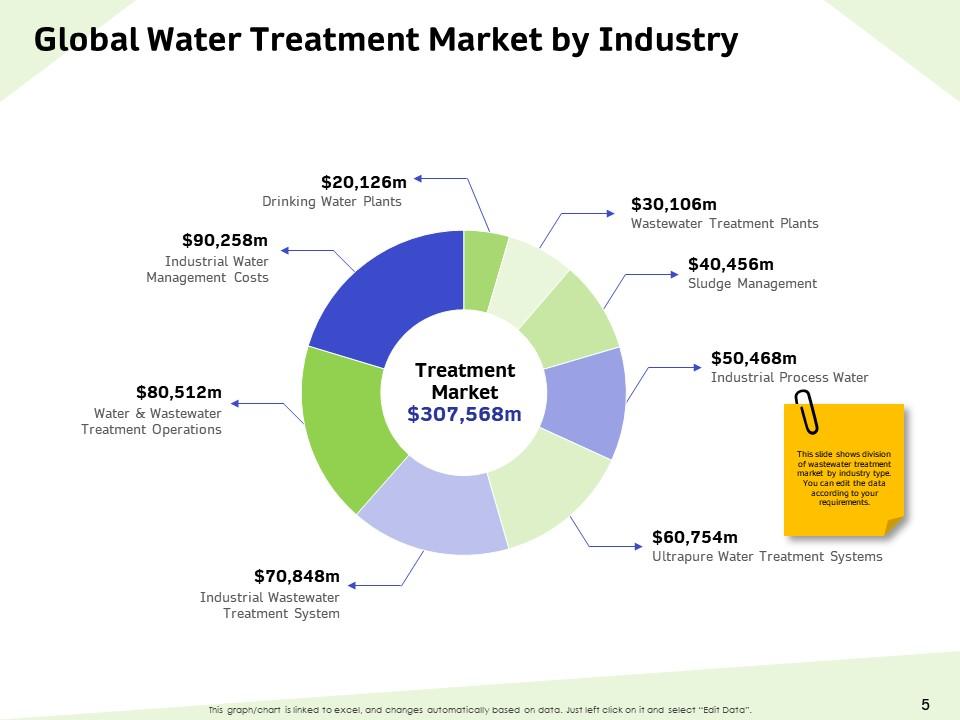
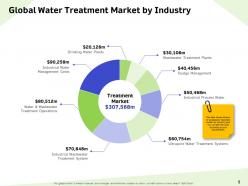
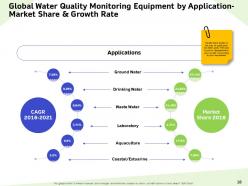
If you are interested in global water management, you also need to focus on the key industries that make up the entire global water treatment market. These include but are not limited to drinking water plants, industrial process water, wastewater treatment, sludge management, etc. The market share and worth of each of those industries are shared in the abovementioned slide by SlideTeam. We verify every number we put in the slides.
Template 3: Sources of Water Pollution
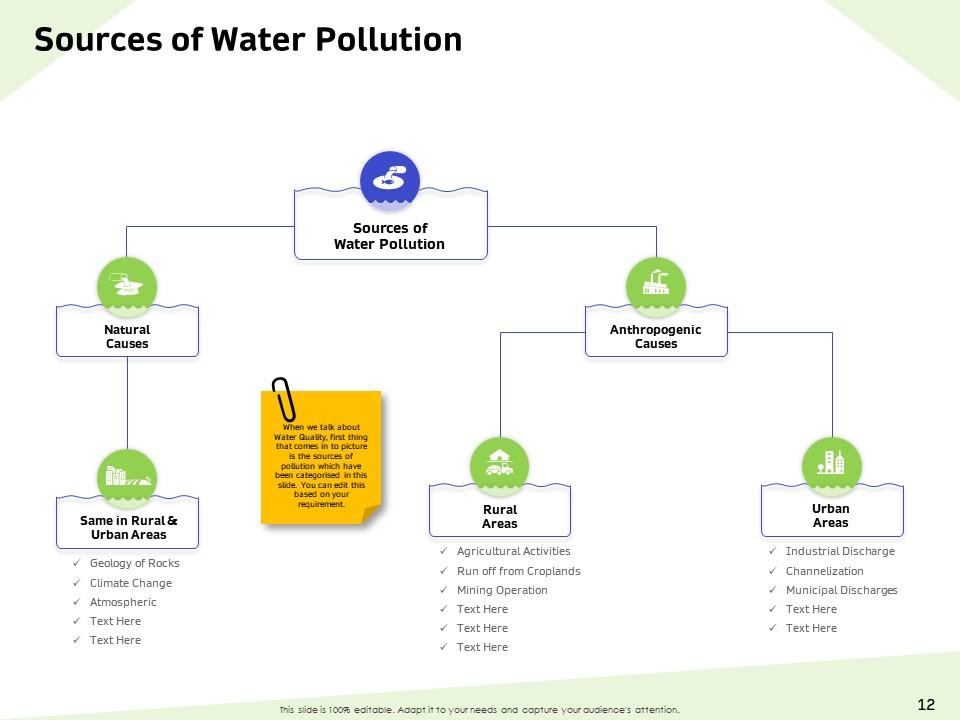
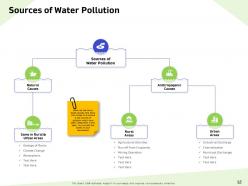
When discussing water resources, missing out on sources of water pollution is not possible. This slide takes care of it by mentioning the key sources of water pollution. These vary on the basis of the location, such as in rural or urban areas. They can also vary based on natural and anthropogenic causes. Read about them in detail in this slide. You can also add more if you wish.
Template 4: Natural Processes Affecting Water Quality
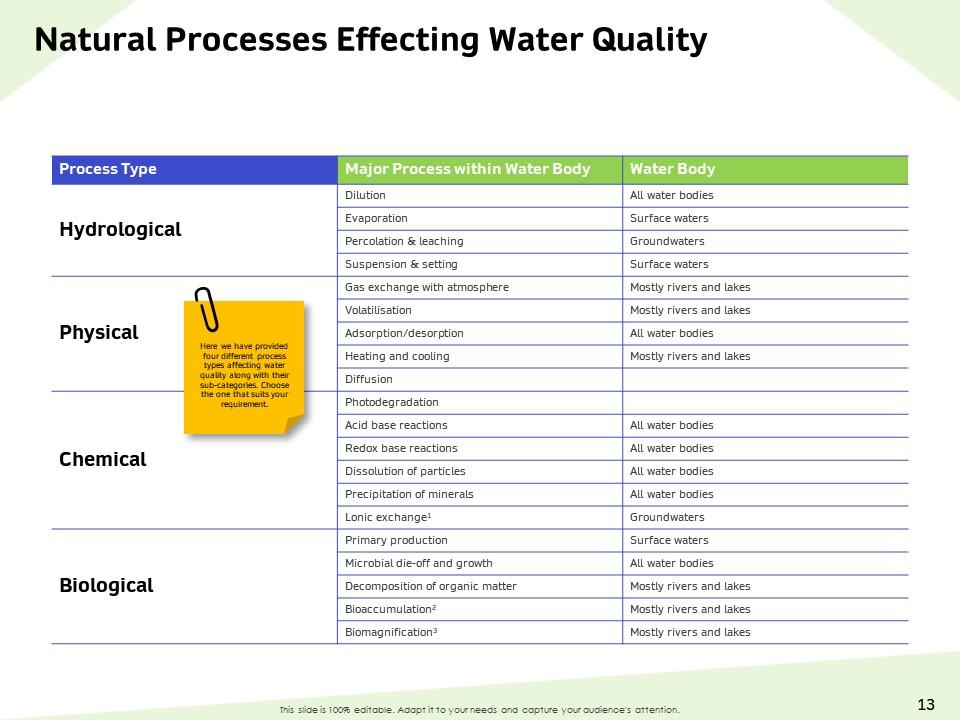
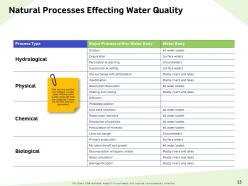
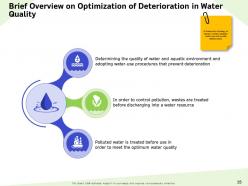
Many processes affect water quality. Examples include chemical processes like acid-base reactions or particle dissolution that affect all water bodies or biological processes like the decomposition of organic matter that affects lakes and rivers. This slide by SlideTeam covers plenty of physical, biological, chemical, and hydrological processes while defining the types of water bodies they impact.
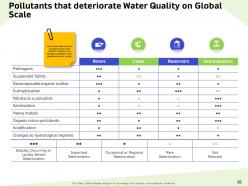
Template 5: Pollutants That Deteriorate Water Quality on a Global Scale
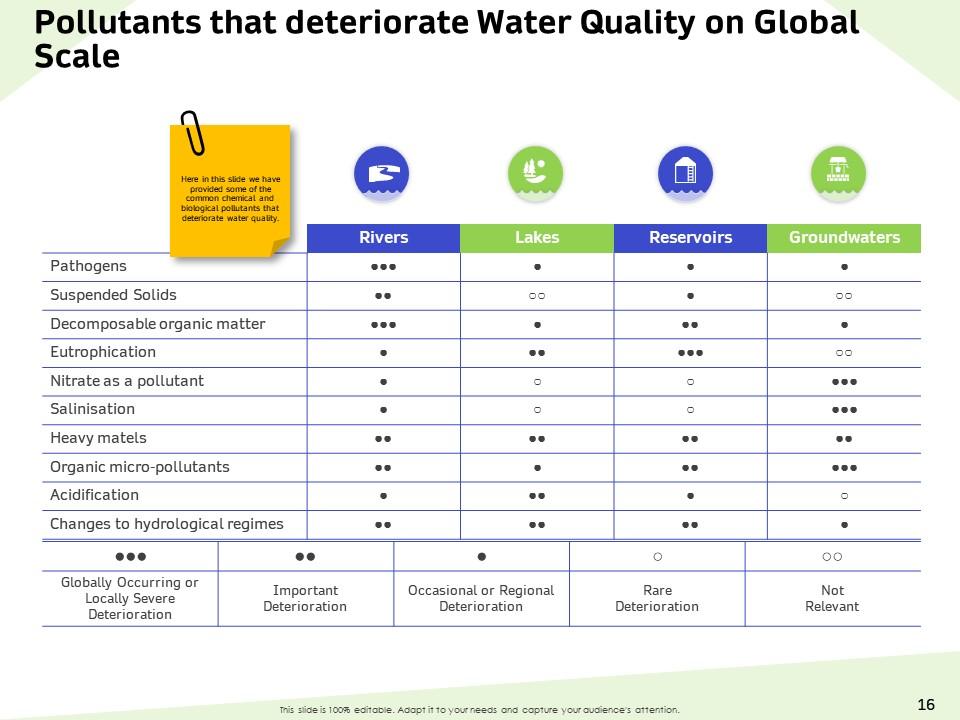
Many pollutants deteriorate water quality on a global level. Examples include heavy metals, pathogens, salinization, acidification, etc. They impact several lakes, rivers, groundwater, and even reservoirs. This slide covers important aspects like important deterioration, rate deterioration, regional deterioration, and occasional deterioration, among others.
Template 6: Wastewater Reuse Framework
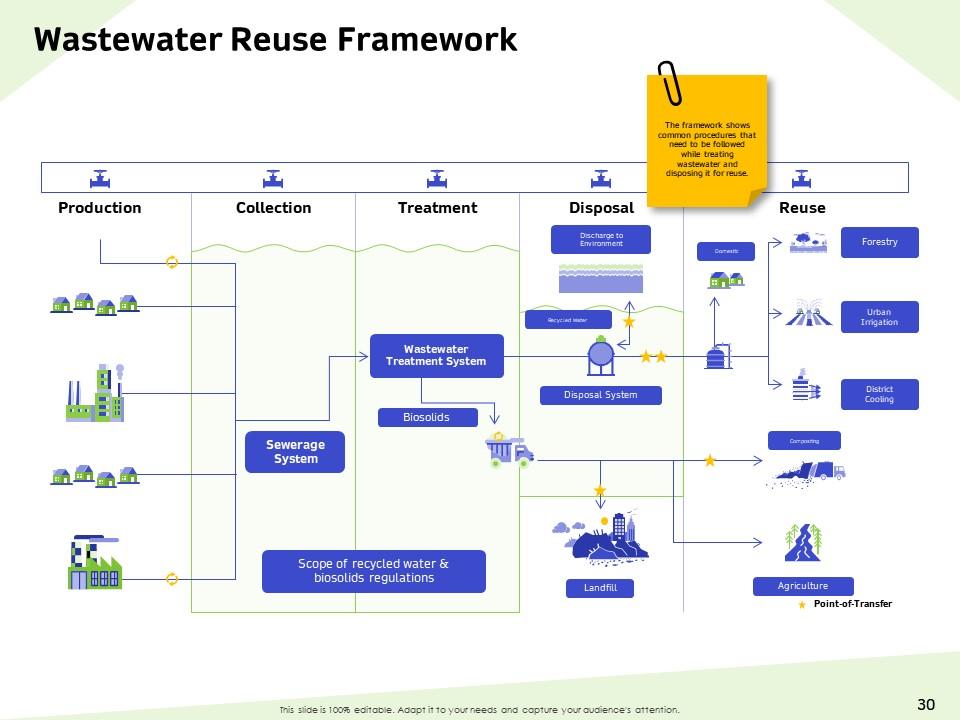
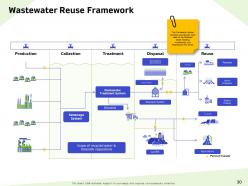
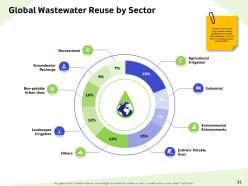
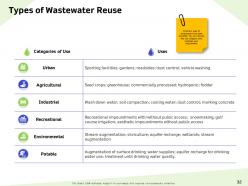
One of the simplest things you can do to avoid water shortage and play a role in preserving water is to reuse wastewater. This slide provides a detailed framework for wastewater reuse and covers every stage that begins from production and moves to collection, treatment, and disposal, and ends at reuse. Investing in a wastewater treatment system that has a sewerage system and disposal system is essential.
Template 7: Constituents to be Rechecked in Treated Water
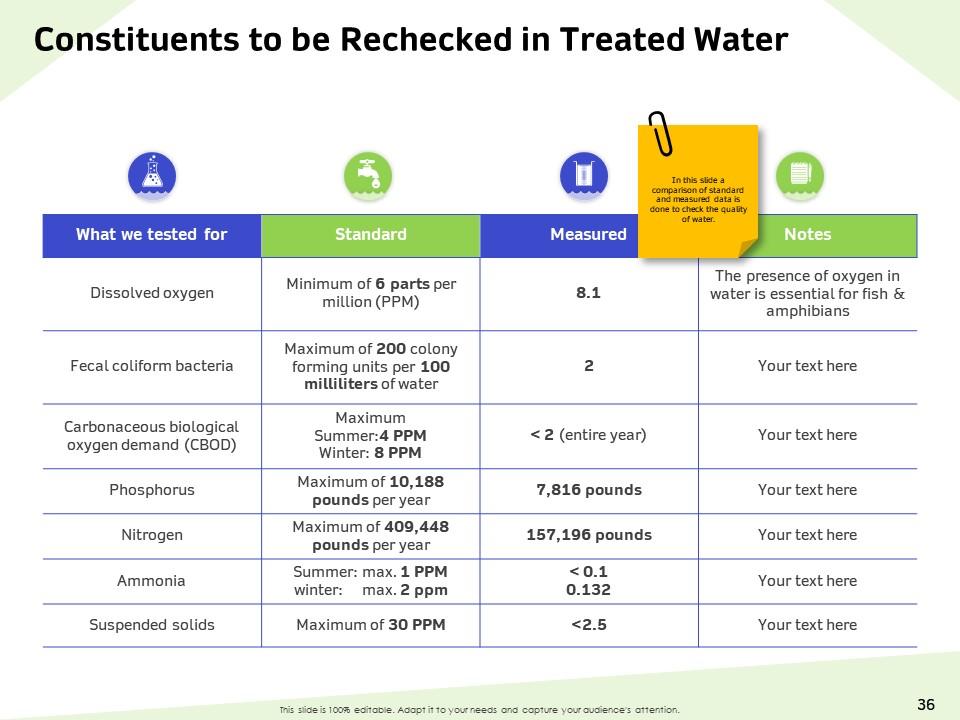
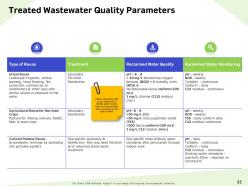
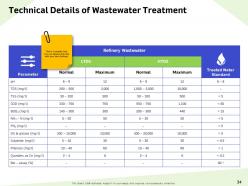
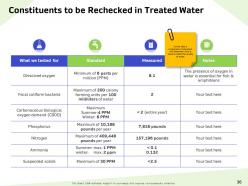
Using treated water isn’t complicated. You need to test for various components like nitrogen, ammonia, dissolved oxygen, suspended solids, etc., all of which are covered in this slide. You can also use the space for standards and measurements to decide whether the criteria are being met. The slide also has a room for notes relevant to the treated water quality.
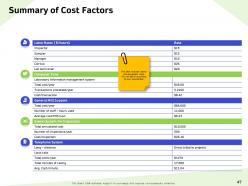
Template 8: Summary of Cost Factors

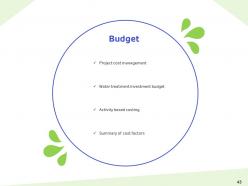
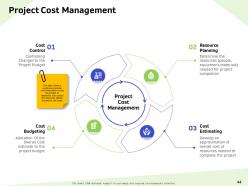
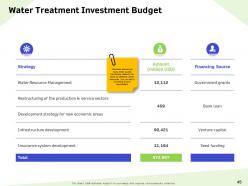
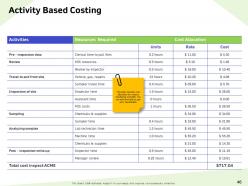
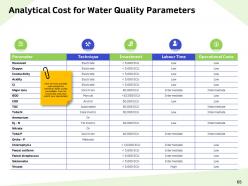
The cost of treating water varies based on different components. These vary from inspectors' labor rates to the use of the telephone system. You can have a look at all the critical costs here in this slide and add any costs that you want to add. Doing a complete cost analysis would help you decide the overall cost of treating water and help ensure that you stay within the set budget.
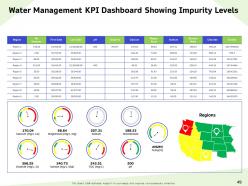
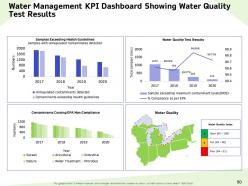
Template 9: Water Management KPI Dashboard Showing Water Quality Test Results
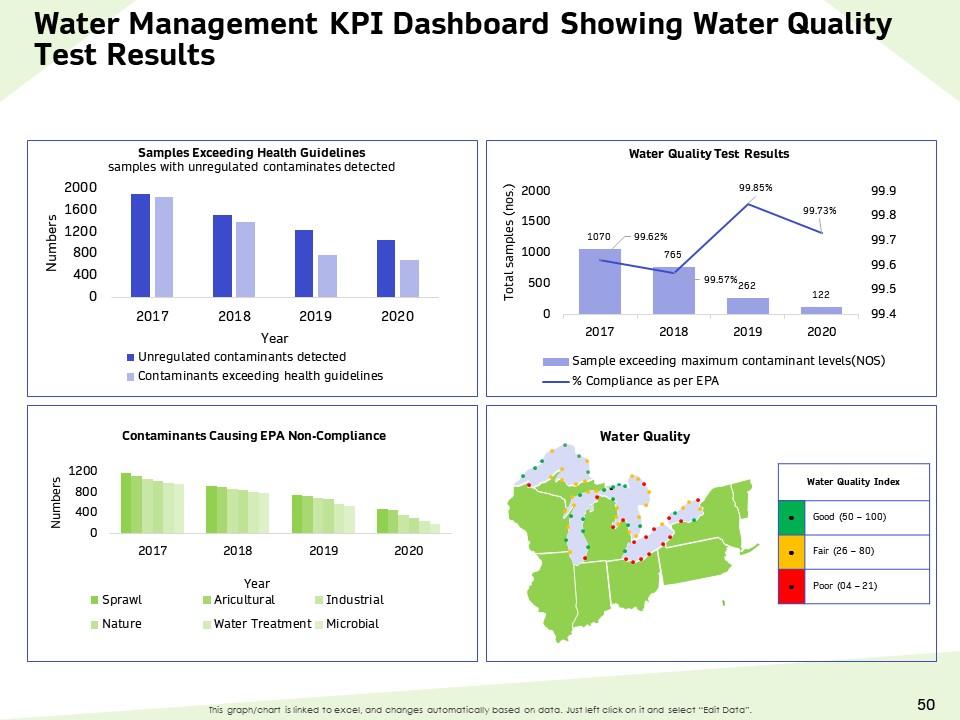
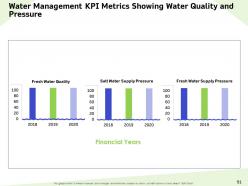
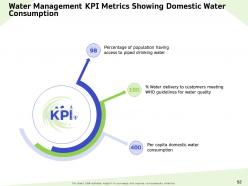
One of the smartest things you can do when analyzing water quality is to create a KPI dashboard that covers all key elements, such as water quality, a list of contaminants that worsen water quality, water quality test results, and the list of samples that exceed the health guidelines. When you have all the numbers in front of you, your decision-making process will be more efficient and swifter.
Template 10: Characteristics of Water Quality Assessment Operations
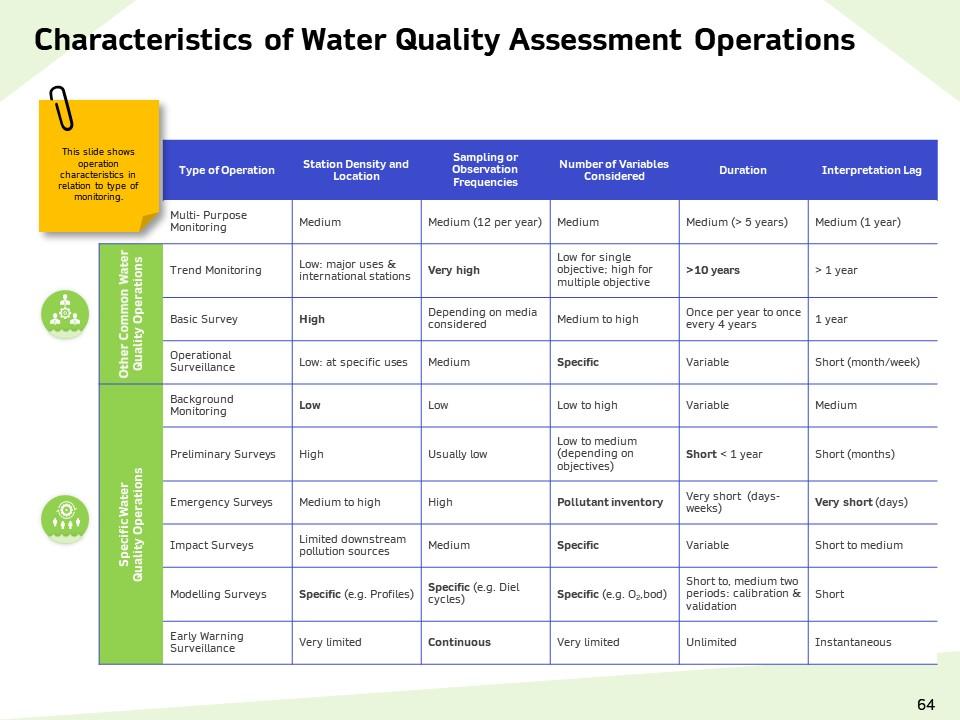
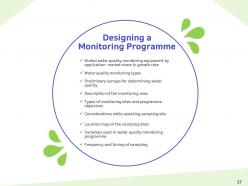
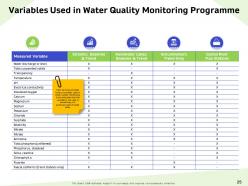
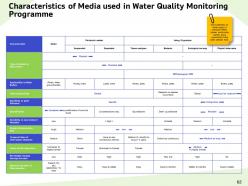
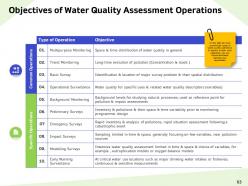
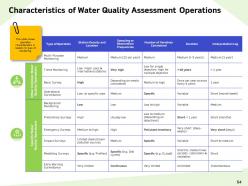
Water quality assessment is vital when planning water resource management. This slide lets you focus on different types of operations, define the station density and location, sampling, number of variables, duration, and interpretation lag, and add or remove columns to make it simpler to understand for people new to the world of water quality assessment.
Final Word
All in all, planning water resource management is quite a complicated task as you have to adhere to several regulations and get rid of many contaminants. The aforementioned slides by SlideTeam might help you plan water resource management better, ensure that you talk with your audience precisely, and make them understand even the difficult concepts simply. Isn't that great? Download the slides now and make your presentation on water resource management impressive and effective.
Water resource management powerpoint presentation slides with all 74 slides:
Use our Water Resource Management Powerpoint Presentation Slides to effectively help you save your valuable time. They are readymade to fit into any presentation structure.




FAQs for Water resource management
Dude, the water situation is pretty messy right now. Climate change is screwing with rain patterns everywhere. Our pipes and treatment plants are ancient - some of this infrastructure is from like the 1950s, which is wild. More people means everyone's fighting over the same sources, and pollution keeps contaminating stuff faster than we can fix it. Then there's all the political drama with states and countries arguing over who gets what water. Honestly? If you're dealing with this professionally, build systems that can handle chaos instead of assuming things will stay predictable.
So basically IWRM gets everyone - cities, farmers, industries, all those groups - actually working together instead of hoarding water resources. The whole point is coordination across different sectors while balancing economic stuff with environmental protection. You're planning long-term instead of just reacting to immediate needs. Honestly, it prevents those obvious screwups like draining groundwater or contaminating your own supply. Water's all connected anyway, so you might as well treat it that way rather than having separate departments doing their own thing. Start by figuring out who's using what in your area and where the tension points are.
Honestly, the tech stuff happening with water management right now is pretty incredible. Smart sensors can track water quality as it's happening, and AI actually predicts when demand will spike. Satellite imagery shows groundwater levels too - which sounds kind of sci-fi but it works. IoT sensors catch leaks immediately instead of you finding out from a crazy high bill (been there). There's also these advanced filtration systems making nasty water usable again. My advice? Start with smart metering if you're thinking about upgrading. The data you'll get shows exactly where you're wasting water and money.
Check if your town has water advisory committees you can join - those are gold mines for getting stuff done. River cleanups are cool, but the real action happens at boring town meetings where water decisions get made. Show up to those consistently and you'll actually influence policy. Citizen monitoring programs let you test water quality yourself, which is pretty satisfying honestly. Watershed groups are everywhere once you start looking. Push your neighborhood for better stormwater rules or conservation ordinances. The bureaucratic jargon takes getting used to, but you'll pick it up fast.
Honestly, climate change is wrecking freshwater supplies everywhere. Some places get hit with crazy droughts while others flood so badly the water becomes unusable. Temperature spikes make everything evaporate faster, and precipitation patterns go haywire - so rivers and lakes you could count on before? Not anymore. The glacier/snowpack situation is probably the weirdest part though. They're melting way faster, which sounds helpful but actually screws up seasonal water flow for billions of people. Mountains are getting hammered since they're basically giant water storage systems. If you're planning anything long-term, I'd start looking into backup water sources now.
Fix leaks right away - that's huge. Low-flow fixtures help a ton too. Your city should do tiered pricing where heavy users pay way more. Smart irrigation is amazing, unlike my neighbor's stupid sprinkler that runs during thunderstorms lol. Greywater systems let you reuse water for stuff like toilets. Public campaigns work if you hit people's wallets, not just guilt them. Honestly, you need both - upgrade the infrastructure AND make it expensive to waste water. That combo actually changes behavior.
Look, the main thing is getting everyone to actually work together - farmers, enviro groups, the whole crew. Tiered water pricing works great because it rewards conservation while funding restoration stuff. Smart irrigation is honestly a game-changer, cuts water use by 20-30% without killing yields. Water markets are brilliant too - let farmers trade unused allocations so they've got real money incentives to save water. Oh, and definitely start small with pilot programs in a few watersheds first. You don't want to mess up something huge right off the bat. Getting people in rooms together early makes all the difference.
Get your system on the biggest roof section you've got. First-flush diverters are clutch - they skip all that nasty initial runoff. Size your tanks based on actual rainfall patterns, not just going massive (learned that one the hard way). Permitting is honestly the worst part but deal with it early or you'll regret it later. Don't forget overflow management and keep those gutters spotless. Oh, and here's the math: roof area × rainfall × 0.623 gives you gallons per inch. Filtration before storage is non-negotiable too.
Water treaties are honestly like relationship counselors for countries. Nations that figure out how to share rivers and lakes together? They usually end up being diplomatic buddies in other areas too. It builds this trust where they've already proven they can negotiate and compromise on tough stuff. But flip side - when countries can't agree on water, everything else tends to go downhill fast. I always think it's wild how something as basic as water becomes this huge geopolitical thing. If you want to predict how stable a region is, just look at their water agreements first. It's surprisingly accurate.
So basically watershed management is like your best bet for keeping water clean. You're protecting the whole area where water flows into rivers and lakes before it gets nasty. Way smarter than trying to fix polluted water later - trust me on that one. It covers everything from farm runoff to how cities develop to forest coverage (which honestly people don't think about enough). The whole idea is stopping contamination upstream so you don't have downstream headaches. Prevention beats cleanup every single time, plus it's cheaper.
So here's the thing - people actually care about water conservation when you make it feel relevant to *them*. Show your neighbors how their shower time affects local supplies, then give them easy fixes they can actually do. Skip the preachy tone though (seriously, nobody wants a lecture about their bathroom habits). Focus on stuff like patching leaks, cutting shower time, maybe switching to drought-friendly plants. Oh, and definitely mention the money they'll save on bills - that always gets attention. Keep it simple and relatable. People will jump in if you don't make it feel like homework.
Look, stakeholders are pretty much everything when it comes to water policy. Local communities, farmers, environmental groups, industry folks - they all see things differently than some bureaucrat behind a desk. Without getting their input early on, policies just don't work in the real world. These people actually know what's happening with water shortages, environmental stuff, economic impacts. I've seen too many policies crash and burn because they skipped this step. You can't just throw together a policy and ask for feedback at the end. Get the right mix of voices involved from day one, or you'll regret it later.
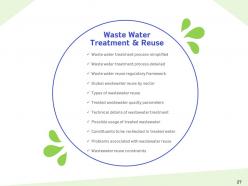
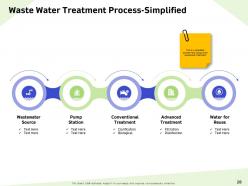
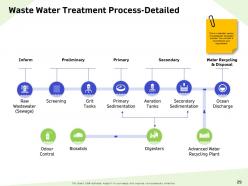
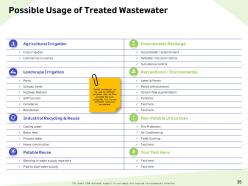
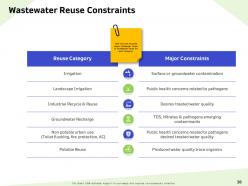
So you know how wastewater treatment basically lets you reuse water that'd normally go down the drain? Pretty smart move honestly. You can cut way back on fresh water usage while dealing with waste disposal - two problems solved. Irrigation, industrial stuff, even drinking water if you treat it right. Makes your whole operation tougher during droughts too, which is huge these days. I'd start by looking at where you're currently using fresh water and see what could be swapped out for recycled. Honestly surprised more places don't do this already.
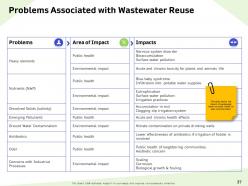
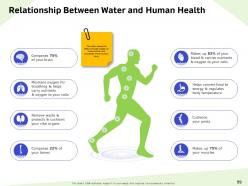
Ugh, water scarcity is such a mess for public health. People end up drinking contaminated water, which obviously leads to waterborne diseases. Kids and elderly get hit worst with dehydration issues. Basic hygiene goes out the window when there's no clean water around. Food production tanks too, so malnutrition becomes a real problem. The stress alone is brutal - imagine constantly worrying about where your next clean drink comes from. Oh, and heat-related illnesses spike like crazy. If you're dealing with water management stuff, definitely focus on keeping those minimum flow standards for health systems first.
Dude, indigenous communities have figured out some brilliant water management stuff over hundreds of years. Rainwater harvesting, predicting seasonal flows by watching environmental signs, working WITH natural cycles instead of fighting them. Way more elegant than a lot of our over-engineered approaches tbh. Plus they look at the whole picture - cultural and ecological connections matter too. You should check out what indigenous groups in your area traditionally did. Might find some proven, cheap methods that'd work alongside whatever you're already doing. Sometimes the old ways just make more sense, you know?
-
Great product with effective design. Helped a lot in our corporate presentations. Easy to edit and stunning visuals.
-
Graphics are very appealing to eyes.
-
It saves your time and decrease your efforts in half.