

Tourism Marketing Powerpoint Ppt Template Bundles




Try Before you Buy Download Free Sample Product
 Impress Your
 Audience
 100%
100% Editable
 Save Hours
 of Time


Our Tourism Marketing Powerpoint Ppt Template Bundles are topically designed to provide an attractive backdrop to any subject. Use them to look like a presentation pro.
People who downloaded this PowerPoint presentation also viewed the following :
Tourism Marketing Powerpoint Ppt Template Bundles with all 25 slides:
Use our Tourism Marketing Powerpoint Ppt Template Bundles to effectively help you save your valuable time. They are readymade to fit into any presentation structure.







FAQs for Tourism Marketing Powerpoint
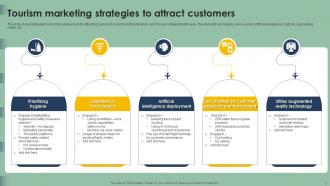
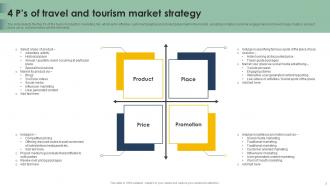
Honestly, tourism marketing comes down to four big things. First, really understand who you're trying to attract - like, actually know them. Then focus on storytelling because people aren't buying a place, they're buying the experience and the dream. Multiple channels work best - social media, influencers, SEO, whatever fits your crowd. Oh and partner with local businesses like hotels and restaurants, that's clutch. The storytelling piece is probably the most important though - it's what separates boring destination ads from stuff people actually share. Just make sure you're tracking your ROI because tourism budgets can spiral quickly. I'd start with mapping out your ideal visitors first, then build everything around that.
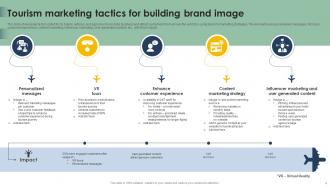
Honestly, social media is like word-of-mouth on steroids for travel. People scroll through their feeds and see friends posting from amazing places - that's what actually gets them booking trips, not some fancy ad campaign. Trust me, one Instagram story from someone's vacation in Thailand does more than any travel brochure ever could. TikTok and Instagram make wanderlust spread like wildfire because everything's so visual. Your best bet? Get your happy customers to post authentic stuff about their trips. Those real, unpolished posts from actual travelers convert way better than whatever your marketing team puts together. It's all about that genuine vibe.
Honestly, storytelling is everything in tourism marketing. You're not selling beaches or museums - you're selling the feeling of being there. Like, people don't want to just visit a castle, they want to picture themselves walking those halls and feeling connected to the history, you know? Start collecting real stories from visitors and locals who've actually been there. Then craft your content around those authentic experiences instead of boring feature lists. Maybe follow someone's actual day exploring your destination. Trust me, a good narrative beats "historic sites and beautiful scenery" every single time. People remember stories way better than facts anyway.
So basically you need to figure out what makes your place special and just hammer that home everywhere. Like, what's your thing? Adventure stuff, amazing food, cool history? Iceland crushed it by going all-in on that "epic nature but also hygge vibes" angle. Dubai just said screw it, we're the fancy playground destination. Pick whatever makes you different from everyone else and don't try to be everything to everybody - that never works. Just stay consistent across all your marketing so people automatically connect that experience with your spot.
Instagram and TikTok are where it's at - that's where millennials are actually scrolling and finding travel inspo. YouTube's solid too for longer destination videos that really hook people. Email still works surprisingly well, just don't make it sound all corporate-y. Facebook's kinda dying for this age group tbh, but their ad targeting is still decent if you're paying. Oh, and definitely focus on authentic visual stories instead of obvious ads - millennials have zero patience for fake marketing crap. Start with Instagram Stories and get users posting their own content.
Honestly, getting guests to post about their stay is like hitting the marketing jackpot - way better than any fancy ad campaign. Create a branded hashtag and make it super obvious everywhere. When people share photos, repost the good ones (but ask first, obviously). Instagram story highlights work great for showing off guest content. Photo contests are clutch too - even small prizes get people excited to participate. The trick is checking your mentions daily so you don't miss anything good. Oh, and make sure your hashtag is actually memorable, not some weird jumble of words nobody will remember.
Honestly, experiential marketing in tourism is all about getting people involved instead of just watching stuff happen. Cooking classes with locals are gold - way better than another generic food tour, you know? Behind-the-scenes access works really well too. Everyone's obsessed with Instagram stories these days, so build in those shareable moments. Interactive cultural workshops are another winner. Personalization matters big time based on what each traveler actually wants. I'd start by looking at what you're already doing and figure out where you can throw in more hands-on elements or authentic local connections. It becomes organic marketing when done right.
So timing is huge with travel marketing - you've gotta think like 2-3 months ahead since people book early. Push ski stuff in fall, beach destinations around late winter. I learned this the hard way lol. Your messaging should shift too - adventure trips for summer, cozy cabin vibes in winter. Honestly, it's just like retail where timing makes or breaks you. Start digging into your booking data by month. You'll spot patterns pretty quick, and then you can get ahead of the demand instead of chasing it.
Track your website traffic and social media stuff first - that's the easy part. But honestly? Those numbers don't mean much if nobody's actually booking. Set up UTM codes so you can see which channels are bringing in real inquiries and revenue. Cost per acquisition is huge too - you need to know if you're bleeding money. Brand awareness surveys are nice I guess, but focus on connecting your marketing spend to actual guests showing up. That's where the real money is. Short sentences mixed with longer ones work better for tracking this stuff properly.
Working with local businesses is honestly a game-changer for tourism marketing. They've already got customers who trust them, so when they recommend your stuff, it actually means something. Plus locals know the hidden gems - not just the basic tourist spots everyone hits. You can do simple things like content swaps or joint Instagram posts. Their restaurant plugs your museum, you feature their food. It's way more authentic than typical marketing, which is what travelers want anyway. I'd start small though - maybe reach out to places that match your vibe and see what happens.
Honestly, just start with whatever sustainable stuff you're already doing and make it the star of your marketing. People are hunting for eco-friendly travel options - especially younger travelers who actually care about this stuff. Show off your carbon offsets, local partnerships, conservation work, whatever. But skip the cheesy "green" buzzwords that sound totally fake. Partner with local artisans or conservation groups for authentic content. Real stories work way better than generic environmental claims. I'd audit your current practices first, then build campaigns around the genuine efforts. Your locally-sourced restaurant or wildlife programs should be front and center, not buried in fine print somewhere.
Dude, you really can't mess around with cultural stuff in tourism ads. Avoid stereotypes at all costs and actually show places how they are, not some weird Western fantasy version. I've watched companies get completely destroyed online for using sacred symbols in ads or whatever. Work with people from those communities - like actual consultants who know what they're talking about. The big question is always: would locals see your ad and feel proud, or would they cringe? Honestly, just test everything with people from there before you launch. It's way better to be safe than sorry with this stuff.
Basically, you can track how people behave on your site and what they've booked before to create super targeted campaigns. Segment your customers by age, where they've traveled, how much they spend - even what they browse but don't book (that's actually huge). It's like how Netflix knows you'll watch another true crime doc. If someone always books adventure trips, show them hiking tours instead of beach resorts, right? You can automate personalized destination suggestions and deals that actually match what each group wants. Start with tracking pixels on your website and dig into your customer database first. The patterns are probably already there waiting.
Honestly, the whole industry's shifted toward hyper-local stuff - people want authentic experiences, not touristy garbage. Health protocols still matter big time, so make those visible. Everyone's booking last-minute now and expects flexible cancellations (which is kinda annoying but whatever). Digital booking is obviously the standard - nobody calls anymore. Focus on unique local partnerships for your marketing. Social proof with recent guest photos builds trust way better than fancy copy. Oh, and travelers are definitely avoiding crowded spots still. The off-the-beaten-path angle is huge right now.
VR's actually pretty cool for travel marketing. People can explore hotels, beaches, museums - whatever - right from their couch before booking anything. Honestly, some of the 360-degree stuff I've seen lately is incredible. Tourism boards are using it to show off destinations, and hotels do virtual room tours now. The whole thing helps when people are nervous about visiting somewhere new or unfamiliar. You can show them what the weather's like, seasonal events they'd miss, all that good stuff. Don't overthink it though - even basic 360 videos on social platforms will bump up your engagement and bookings pretty noticeably.
-
They helped us design the pamphlets for our church’s food drive! The people loved the design, and I’m happy to say it was successful. Thank you, SlideTeam!
-
Wow, never been this impressed with any online service provider. Really appreciate the customer support all along from the navigation to purchasing the right products.