Value proposition product benefits powerpoint slide download

Rating:
80%
Slide 1 of 7
Favourites Favourites

Try Before you Buy Download Free Sample Product

Audience Impress Your
Audience
Editable 100%
Editable
Time Save Hours
of Time
The Biggest Sale is ending soon in
0
0
:
0
0
:
0
0
Rating:
80%
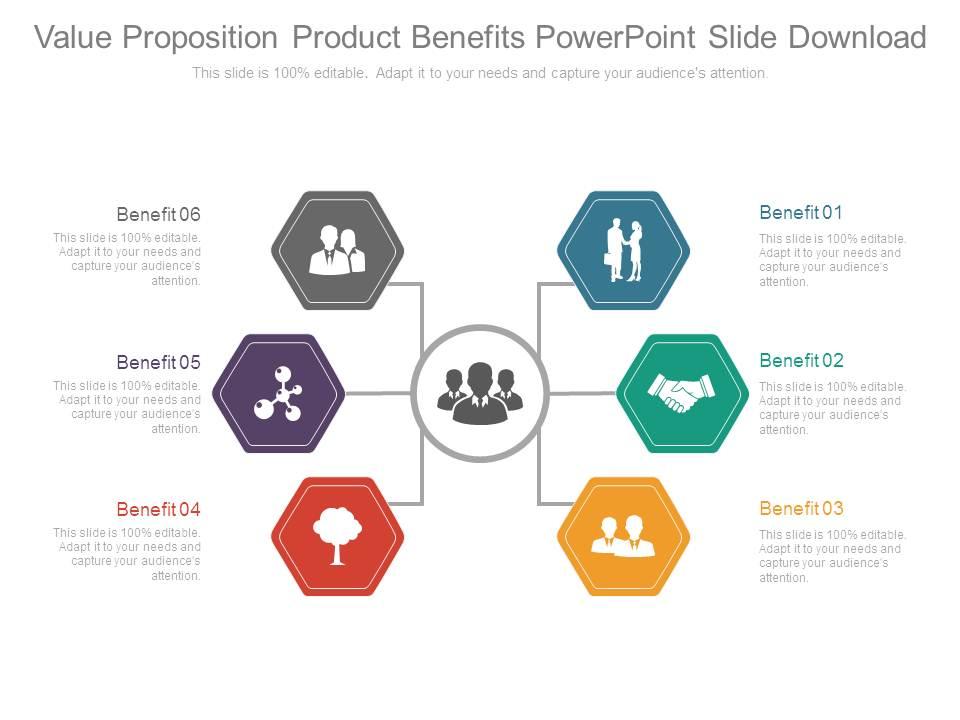
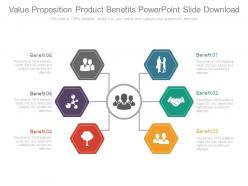
Presenting value proposition product benefits powerpoint slide download. This is a value proposition product benefits powerpoint slide download. This is a six stage process. The stages in this process are benefit, marketing, business, strategy, management.

People who downloaded this PowerPoint presentation also viewed the following :

FAQs for Value proposition product benefits

Focus on the time-saving angle first - that's what hooks people. Nobody wants to blow their whole weekend on slide layouts when they could be doing literally anything else. Your templates need to look professional enough for big meetings while being super customizable. Cover different industries so you're not limiting yourself, and make sure people can easily swap out colors, fonts, whatever. Platform compatibility is huge too. Oh, and throw in some bonus stuff like icons or chart templates. Honestly, busy presenters just want something that cuts hours off their prep time but still looks polished. That's your winning combo right there.

Think of your value prop like a translator - it takes your template and speaks each audience's language. Busy executives? Hit them with time-saving benefits. Creative teams want customization options instead. Netflix does this perfectly, honestly - same platform but totally different trailers based on what you actually watch. Your template doesn't change, but your messaging does. Identify 2-3 pain points per segment, then show how you solve those specific problems. Test different angles until something clicks. It's way more effective than generic messaging that tries to please everyone.

Honestly, just talk to your customers directly first - surveys, interviews, focus groups. That's where the real stuff is. Check social media too since people love to vent there! Your support team's logs are pure gold for seeing where people actually struggle. Oh and scope out competitors to find what they're missing. Customer journey mapping helps catch those annoying friction points you'd probably overlook. Mix all these together though - don't just rely on one method or you'll get a skewed view of what's actually bothering people.

Look, visuals can totally make or break your pitch. Good graphics and clean design? They back up what you're saying and help people actually understand your benefits. But throw in some random stock photo of people pointing at laptops (ugh, why do those exist?) or use clashing colors, and suddenly everyone's distracted by how messy everything looks. Your audience won't even hear your value prop. I've seen it happen so many times. Every visual needs to support your main message - if it doesn't help explain why you're awesome, just ditch it. Simple as that.

Honestly, testimonials are like gold for templates. Real people saying "this saved me 5 hours" or "doubled my pitch success rate" - that's way more powerful than any sales copy you could write. It's the restaurant recommendation thing, you know? When buyers see actual results instead of just features, they start thinking "what could this do for me?" rather than just "what am I buying?" I always tell people to lead with the results-focused ones that show specific time savings or business wins. Makes your template feel like a proven tool instead of just another pretty design.

Honestly, pricing is like a quality signal to customers - mess it up and you're screwed either way. Go too cheap and people assume your templates suck, even when they don't. Too expensive? You'll just chase everyone away. What you want is that middle ground where the price actually matches what you're giving them - the time they'll save, how professional it'll make them look, that kind of stuff. I'd peek at what your competitors are doing first, then maybe test a few different price points? See what clicks with people.

Okay so here's the thing - you can't just say "easy to use" because literally everyone does that. What specific problem do you solve that nobody else does? Like, do your templates actually save people 10+ hours of work? Are you the only one making stuff for a weird niche industry? Check out what your competitors are actually offering first. Then find the gaps they're missing and plant your flag there. The goal is someone sees your stuff and immediately thinks "oh shit, this is exactly what I needed." You want that instant click, you know? Your unique angle should be obvious within like 3 seconds of them landing on your page.

Focus on the basics first - click-through rates on your previews, how long people actually look at templates, and download/purchase numbers. User feedback is honestly where the real insights are though, way better than staring at charts all day. A/B test different headlines to see which messaging hits. Track the whole journey from someone first seeing your stuff to actually using a template. Oh and time spent viewing is huge - if people bounce immediately, your value prop isn't connecting. Start simple with these metrics, then get fancier once you know what's actually driving results.

Yeah, definitely don't just set your value prop and call it a day. Market stuff changes constantly - like during recessions, everyone suddenly cares about saving money, but when times are good they want the flashy innovative features instead. I've watched companies basically rebrand the exact same product like 3 times depending on what's trendy. Honestly, it's kinda smart though. You gotta stay on top of what your customers actually want right now, not what worked two years ago. Regular surveys help, and definitely peek at what competitors are saying - that'll tell you when it's time to switch up your messaging.

Dude, stop being so vague with your value prop. "Professional templates" means nothing when literally everyone claims that. Get specific - what exact problem are you solving and for who? Also, don't just list features like "includes 50 slides, custom fonts, blah blah." Nobody cares about your feature dump. Focus on the actual outcome instead. Honestly? Most people hide their real value behind boring corporate speak that makes me want to scroll away immediately. Figure out your user's biggest presentation headache first, then explain how you fix it. Be concrete about it.

Look, nobody wants to read another boring product description. Stories actually make people care about your template. Don't just say your invoice has "customizable fields" - tell them how it helped some freelancer get paid 40% faster because clients finally understood their bills. Way more compelling, right? People remember stories, not feature lists. Even tiny wins count as success stories. Start collecting them now and work them into your descriptions. Honestly, it's the difference between someone scrolling past or actually downloading your stuff.

Honestly, good design makes people think your template is worth way more than it actually costs. If someone can jump in and immediately figure out how to use it without getting frustrated, they're gonna love it. Simple navigation means they're not wasting time hunting for basic features - instead they're actually creating stuff. That's when they feel like they got a steal. Bad UX just pisses people off and makes them focus on what's broken instead of what they're building. I've seen templates that look amazing but are such a pain to customize that nobody wants to use them twice.

Here's the thing - you've gotta know who's actually using your templates. Are they stressed marketers? Small biz owners drowning in tasks? Once you figure that out, your messaging hits way different. Instead of some vague "saves time" BS, you can say "turns 3 hours of client presentation prep into 30 minutes." That specificity? Pure gold. I'd honestly just call up 5-10 people who already use your stuff and ask about their biggest template nightmares. Their exact words will tell you everything about what problems you're really solving and how to talk about it.

Honestly, just hit them with your best selling point right away - nobody's scrolling down to find the good stuff. Skip the fluffy "we'll boost your efficiency" nonsense and throw actual numbers at them instead. Testimonials are gold because let's face it, people trust strangers over salespeople. Show the transformation, not just what your thing does. Before/after shots work way better than paragraphs of text (which reminds me, I should probably use more visuals myself). Test different messages on small groups first. Bottom line: make it crystal clear why they should give a damn within like 3 seconds.

Honestly, you gotta figure out what your customers actually care about first - not what you *think* they should care about. Survey them, do interviews, check out your competitors. See what's just basic stuff everyone does vs. what could actually set you apart. I mean, why would you brag about something that's already standard? Find where your strengths match up with problems customers have that nobody else is solving. That's your goldmine right there. Oh, and definitely test your messaging with real people before you go live with it - saves so much headache later.

Ratings and Reviews

80% of 100
Write a review
Most Relevant Reviews
  1. 80%

    by Dwayne Matthews

    Thanks for all your great templates they have saved me lots of time and accelerate my presentations. Great product, keep them up!
  2. 80%

    by Dusty Hoffman

    Excellent work done on template design and graphics.

2 Item(s)

per page: