


Marketing growth strategy powerpoint presentation templates





Try Before you Buy Download Free Sample Product
 Impress Your
 Audience
 100%
100% Editable
 Save Hours
 of Time


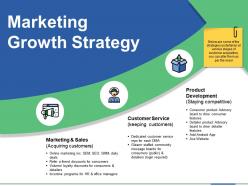
Generate the desired intensity with our Marketing Growth Strategy Powerpoint Presentation Templates. Get folks deeply interested in your endeavor.
People who downloaded this PowerPoint presentation also viewed the following :
Marketing growth strategy powerpoint presentation templates with all 5 slides:
Ensure efficient damage control with our Marketing Growth Strategy Powerpoint Presentation Templates. Establish a firm grip on the extent of destruction.

FAQs for Marketing growth strategy
Start with knowing your customers inside and out - that's everything. Market research, figuring out who you're actually talking to, checking what competitors are doing. Don't rely on just one marketing channel though, seriously. I've seen too many businesses crash when Instagram changed their algorithm or whatever. Content strategy matters, but honestly the analytics piece is what separates people who succeed from people who just throw money around. Keep your messaging consistent everywhere. Oh and build in ways to test stuff quickly - if something's not working after a few weeks, pivot.
Track both leading and lagging indicators - you need the full picture. Leading ones like website traffic and email sign-ups show momentum building. Lagging metrics (revenue, customer acquisition cost) tell you what actually worked. Honestly, most people track way too much stuff and get overwhelmed. Pick 3-5 metrics that directly connect to your growth goals. I'd set up weekly dashboard updates so you're not waiting around for monthly reports. Oh, and make sure those metrics actually matter for whatever stage you're at right now - seed stage vs Series A metrics are totally different beasts.
Look, market segmentation is a game changer - it stops you from wasting money on generic ads that nobody cares about. You can actually focus on what different groups want instead of hoping something sticks. Better conversion rates, higher ROI, all that good stuff. Honestly, I wish more businesses would figure this out sooner. You'll spot opportunities you totally missed when treating everyone the same. Just dig into your customer data first and find 3-4 clear groups, then write messages that speak directly to each one. Way more effective than the spray-and-pray approach.
Digital marketing is honestly your best bet for growth these days. Way cheaper than old-school ads and you can actually see what's working instead of just crossing your fingers. Social media, Google ads, email stuff - all way more targeted than throwing money at billboards (which never made sense to me anyway). The cool part? You get real data showing which campaigns actually bring in customers. Pick maybe 2-3 channels where your people actually hang out. Test small first, then pump more money into whatever's converting. Don't spread yourself too thin trying everything at once though.
Honestly, content marketing is where it's at because it just keeps working for you. Your blog posts from six months ago? Still bringing in leads while you sleep. Paid ads are great but the second you stop spending, traffic dies. With content though, you're building this library of helpful stuff that positions you as the go-to person in your field. Makes selling way easier later on. Oh, and here's the thing most people miss - just write about what customers actually ask you. Those random questions you get? Perfect blog material. Stay consistent and focus on being genuinely helpful instead of pushy.
Honestly? Most people try to scale way too early - like before they even know what's actually working. Super common mistake. You'll probably get distracted by flashy metrics that don't mean anything for revenue. Also don't hire a bunch of people or dump money into ads until your core numbers are solid. Testing takes forever too, way longer than you think. Oh and everyone obsesses over getting new users while their current ones are leaving. Just start small and only scale what's consistently working. Sounds boring but it's not sexy going broke either.
Honestly, data analytics is a game-changer for figuring out what your customers actually do (not what you think they do). Track stuff like acquisition costs, lifetime value, and conversion rates across different channels. Most people just wing it with their marketing budget which is... not smart. Find where people are dropping off in your funnel and what messages actually get them to convert. Then just do more of whatever's working and scrap the rest. I'd start by looking at your current data sources - pick maybe 3-4 key metrics to focus on first so you don't get overwhelmed.
Look at your current customers first - find similar groups you're not reaching yet. That's your safest bet. Geographic expansion is solid if things are working well locally already. Don't be like those companies that chase whatever demographic is trending without actually researching first. I've watched too many burn through budget that way. Try going vertical into new industries or horizontal across different age groups. Start small though - run a pilot campaign on one segment before you dump serious money into it. Test demand, see what sticks, then scale up from there. Way less risky than going all-in right away.
Dude, customer feedback is huge for growth marketing. It's basically your roadmap for what actually works vs what you think works. Without it, you're just guessing at messaging and channels - which is a waste of money, honestly. The best campaign ideas I've seen come directly from how customers describe their problems or talk about products. Plus it shows you which pain points to hit and how to position stuff so it converts. Maybe I'm biased but surveys and direct customer convos beat gut instincts every time. Set up some regular feedback loops through reviews and surveys.
Honestly, just get both teams on the same page about what counts as a "qualified lead" - saves you from so much drama later. Set up shared revenue goals and make sure everyone's using the same CRM data so there's no "well my numbers show..." nonsense. Weekly meetings help but keep them quick, focus on pipeline stuff. Sales needs to tell marketing which leads actually suck, and marketing should walk sales through what campaigns are working. Oh, and make sure marketing gets your sales stages - they're often clueless about that part. Pick one metric you both actually care about (usually pipeline contribution) and start there.
Honestly, stop trying to be everywhere at once - it's exhausting and doesn't work. Pick 1-2 platforms where your people actually are. Share stuff that's genuinely helpful, not just "buy my thing" posts all the time. Most brands just shout into the void without actually listening, which drives me nuts. Use each platform differently too - Instagram Stories for casual behind-the-scenes stuff, LinkedIn for more professional content. Don't get obsessed with likes. Comments and shares tell you way more about what's actually hitting. Oh, and definitely check out what your competitors are doing well, then find the gaps they're missing.
Think of brand positioning as your growth compass - it shows customers exactly how you're different from everyone else. Once that's locked down, picking the right marketing channels and messages becomes way easier. No more throwing stuff at the wall to see what sticks (trust me, I've wasted money doing that). You'll know which audiences to chase and what actually matters to them. Honestly, most companies skip this step and wonder why their marketing feels all over the place. Figure out your unique angle and who you're talking to first - everything else flows from there.
Honestly, influencer partnerships are a game changer for growth. You're borrowing someone else's trust and credibility instead of starting from scratch. Traditional ads? People scroll right past them now. Find influencers whose followers actually match who you want to reach - follower count isn't everything. Micro-influencers are where I'd start. Better engagement, way cheaper, and you can test different messages without blowing your budget. I learned this the hard way after initially going after bigger names that didn't convert at all.
Look, you've gotta get scrappy and hit the tiny niches big companies totally ignore. Find those micro-communities and actually engage with them - not in a fake corporate way. Partner with smaller influencers who have real followers. Create content that's maybe a bit edgy but genuinely useful. Oh, and make your onboarding experience so ridiculously smooth people tell their friends about it. Big companies can't move fast enough to copy this stuff. Don't try everything at once though - pick like two things, nail them completely, then expand what's working.
Honestly, traditional and digital marketing work way better together than separately. Print ads or radio can push people straight to your website or socials - I've seen some clever billboard QR codes that actually work. Your digital data also helps you figure out where to place those traditional campaigns (which is pretty useful). Just keep your messaging consistent across everything. Oh, and definitely add digital CTAs to whatever traditional stuff you're already doing. Easy way to connect the dots without starting from scratch. The trick is tracking how they're influencing each other so you know what's working.
-
Appreciate the research and its presentable format.
-
Excellent template with unique design.