

Building blocks





Try Before you Buy Download Free Sample Product
 Impress Your
 Audience
 100%
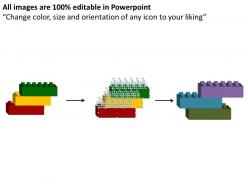
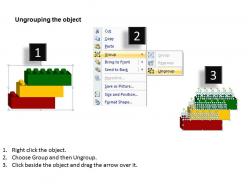
100% Editable
 Save Hours
 of Time


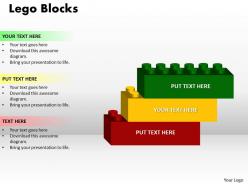
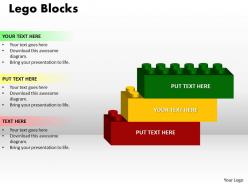
Engage with your audience on a higher level. Forceful design solutions with our Building Blocks place you at the top of your game.
People who downloaded this PowerPoint presentation also viewed the following :
Building blocks with all 5 slides:
Integrate our compelling Building Blocks design into your next presentation. High design for projects with lofty goals.
FAQs for Building blocks
Modular construction and carbon-negative stuff like mycelium insulation are huge right now. Mass timber's exploding too – crazy how strong engineered wood actually gets. Energy-positive buildings are becoming standard where the structure generates more power than it uses. 3D printing cuts waste by 60% on some projects, which is honestly pretty impressive. Oh, and clients are way more into sustainability metrics for their ROI now. If you're bidding on new work, definitely pitch these approaches. It's not just trendy anymore – people actually expect it.
So BIM is like having everyone work on the same 3D model at once - architects, engineers, contractors, the whole crew. Pretty neat actually. You'll spot problems before they blow up your budget on site, which is huge. The team can see exactly what's happening and when. Plus you can run simulations and track materials instead of everyone scrambling with different versions of plans. Honestly, once you see a building come together digitally first, it's kind of addictive. I'd say try it on just one project initially - yeah there's a learning curve but it clicks fast.
Dude, get a good PM - trust me on this one. They'll track all the moving pieces so your trades aren't stepping on each other and suppliers actually show up when they're supposed to. Someone needs to spot problems before they blow up your timeline, you know? Weather hits, materials are late, whatever - a solid PM adjusts the schedule instead of letting everything pile up. Communication is huge too since everyone seems to assume someone else handled the important stuff. Yeah it costs money upfront, but way less than dealing with delays and going over budget later.
Dude, check zoning laws FIRST - seriously can't stress this enough. They control what you can build and where, so if your project doesn't match the zone (residential vs commercial etc), you're screwed before you start. Height limits, setbacks, how much of the lot you can cover - all that stuff varies by area. I learned this the hard way watching my neighbor try to add a second story lol. Don't buy land or finalize designs until you confirm it's compatible. Hit up the local planning department early. Trust me, it's way better than finding out later during permits that your whole plan is toast.
Definitely start with basic PPE - hard hats, safety glasses, steel-toe boots, high-vis stuff. Daily safety briefings are honestly a pain but they catch problems before they happen. Set up solid lockout/tagout for electrical, scaffolding rules, fall protection for anything over 6 feet. My buddy's crew swears by having safety officers who can actually shut things down when needed. Emergency plans too, but make sure people know them - not just some binder collecting dust. Oh, and do a hazard assessment first since every site's different. That's probably where I'd begin anyway.
So modular construction saves you money in a bunch of ways. Labor costs drop since workers are way more efficient in factories - no rain delays or dealing with mud, you know? Materials get wasted way less too, like 15-20% less which is pretty crazy. The timeline being shorter means you're not paying financing costs forever, sometimes cutting that by 30-50%. Quality control is actually better in the factory setting, so fewer expensive fixes later. Oh and definitely get some quotes on your next project to see the real savings - numbers don't lie.
Honestly, LEED certification is kind of a hassle with all the paperwork, but it's totally worth it. Your energy bills drop noticeably, air quality improves, and you use way less water. Clients expect it now too - especially for commercial stuff. The real win though? Third-party proof your building actually works, not just some greenwashing BS. Oh, and start collecting your materials data early or you'll hate yourself later. The documentation process is brutal if you wait. But yeah, the marketing boost alone pays for itself most of the time.
Dude, spread your suppliers around - never rely on just one source. COVID taught me that lesson when our lumber guy vanished overnight! Build up some buffer stock for your must-have materials too. Multiple vendor relationships are lifesavers when stuff hits the fan. Oh, and stop waiting until the last second to tell clients about delays - nobody likes surprises. I always track lead times obsessively now. Started ordering 2-3 weeks earlier than I used to, which honestly feels excessive but saves my butt every time. Keep those supplier relationships warm year-round.
Honestly, start by figuring out where you're bleeding time - that's usually your biggest win. Better scheduling stops crews from standing around waiting for materials or the next task. Your people need solid training too, keeps them sharp and way safer (injury delays are the absolute worst). Technology helps a ton - project management apps cut down on miscommunication and redo work. Oh, and don't cheap out on equipment if you can help it. The trick is hitting all these areas consistently instead of just fixing one thing. Focus on your worst bottlenecks first though.
So basically you're getting a flying camera that does regular site visits - daily, weekly, whatever works. Progress tracking becomes way easier since you can compare footage to your timeline. Issues get spotted before they turn into money pits, which honestly saves so much headache later. The time-lapse videos are kind of addictive to watch, and clients eat that stuff up. You'll also use them for surveying work, measuring material piles, and keeping records for safety stuff. Best part? No more sending someone to walk the entire site every time you need a quick update.
Dude, 3D printing for construction is actually pretty sick. Way faster builds and you'll waste way less material. The design stuff you can do is insane - like geometries that would cost a fortune normally. Labor costs plummet since you don't need as many people on site. Though real talk, there's definitely a learning curve since it's still new tech. The precision is nuts too, so fewer screwups and do-overs. Oh and you can often use sustainable materials which is cool. Honestly if you're thinking about it, maybe try something small first? Like decorative pieces or whatever.
Start with climate risk assessments for each site - flood zones, weather patterns, all that stuff. Elevated foundations are your friend. So are reinforced structures and materials that won't fall apart when storms hit. Honestly, passive cooling systems save you money long-term too. Don't just meet today's building codes - think about what'll happen in 20 years. Oh, and definitely work with climate scientists from the get-go. I know it sounds like overkill, but trust me, it's way cheaper than retrofitting later when everything's already built.
Honestly, it's brutal out there right now. Your margins get crushed when material costs spike like this. Clients are gonna push back hard on higher bids - some are even delaying projects hoping prices drop. A bunch of contractors I know are literally refusing fixed-price jobs because it's too risky. The whole housing market slows down when this happens, which sucks for everyone. My buddy learned this the hard way last year, but you gotta start adding cost escalation clauses to your contracts. Also try locking in prices with suppliers when you can. It's not perfect but beats getting burned.
Look, when everyone's actually talking to each other - owners, architects, contractors, all of them - you catch problems before they blow up your budget. Clear communication means no one gets hit with random schedule changes or surprise costs later. I've seen too many projects go sideways because someone didn't loop in the right people. Set up regular check-ins from day one and stick to them. Yeah, it sounds boring, but trust me - those updates save your ass when things inevitably go wrong. Teams adapt way faster when they're not constantly playing catch-up on what's happening.
Honestly, the game-changers right now are IoT sensors everywhere doing real-time monitoring and AI project management platforms that actually work. Drone surveying is huge too. BIM tech has gotten insane - you can literally walk through buildings before they exist. 3D printing components isn't just hype anymore, it's happening on real projects. Autonomous vehicles are rolling onto bigger sites, and AR/VR went from flashy demo stuff to standard training tools. My buddy's company started using VR last year and says it's saved them tons on safety incidents. Check what your competition's testing - most of this tech is actually moving timelines now, not just burning budget.
-
Informative presentations that are easily editable.
-
Out of the box and creative design.