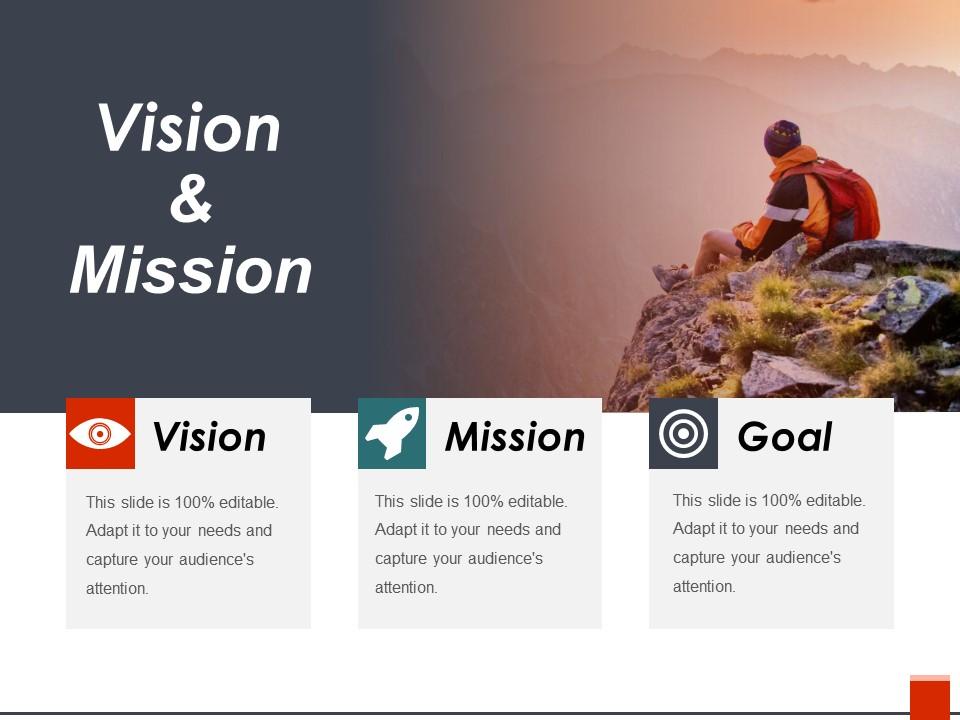
Visions- und Missionspräsentationsbilder

Rating:
90%
Slide 1 of 5
Favourites Favourites

Try Before you Buy Download Free Sample Product

Audience Impress Your
Audience
Editable 100%
Editable
Time Save Hours
of Time
The Biggest Sale is ending soon in
0
0
:
0
0
:
0
0
Rating:
90%

Merkmale dieser PowerPoint-Präsentationsfolien:

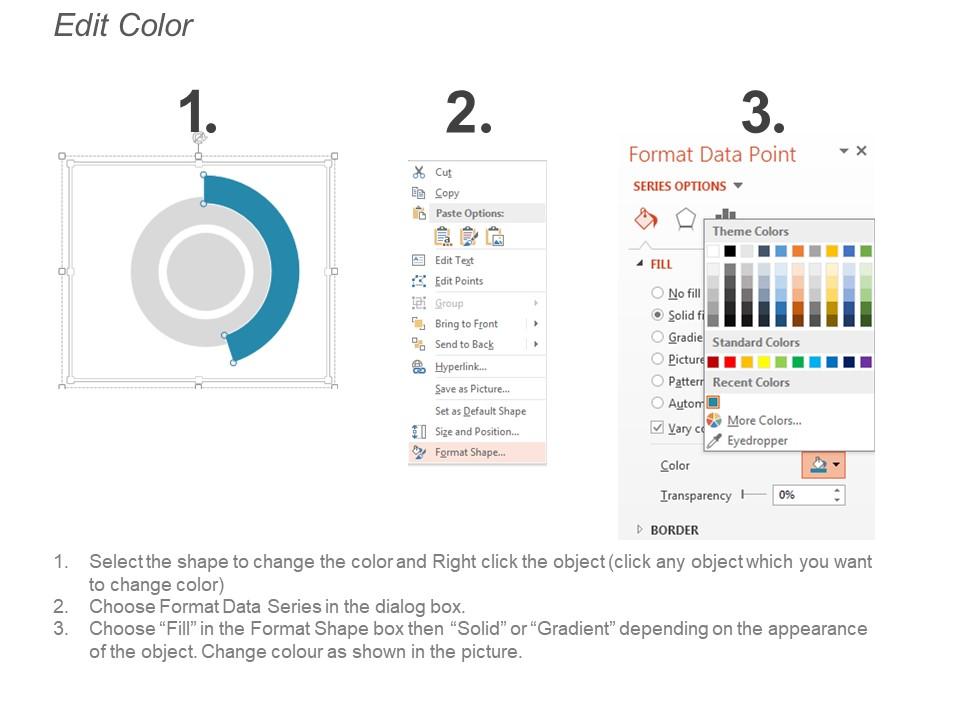
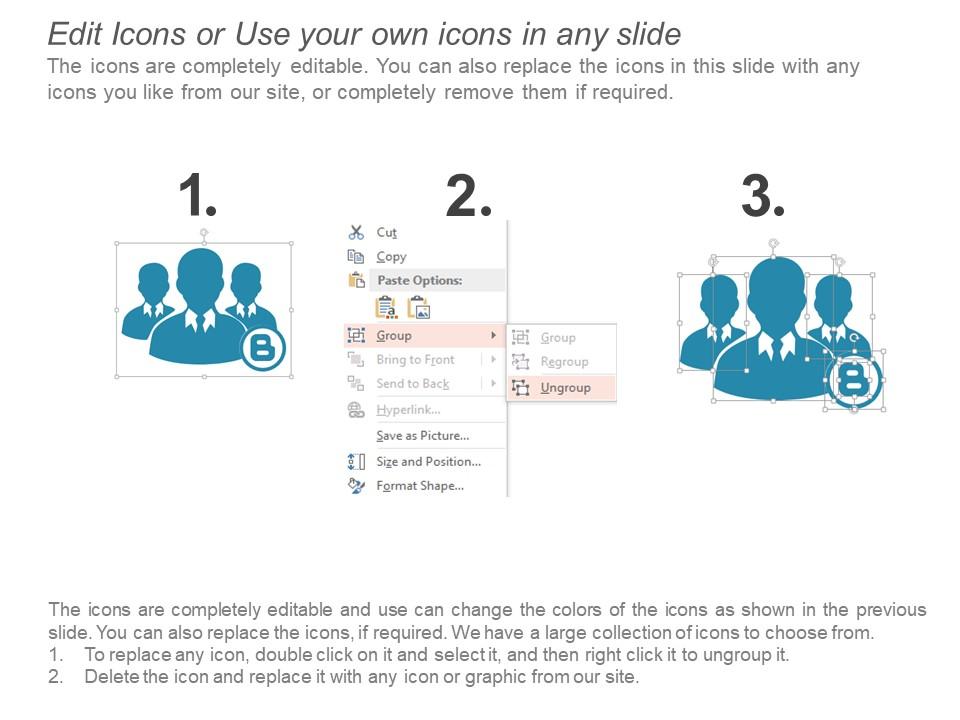
Präsentation von Visions- und Missionspräsentationsbildern PowerPoint-Folie. Es ist mit Google Slides kompatibel und mit einem Klick leicht zugänglich. Diese PPT-Vorlage ist in den Seitenverhältnissen 4:3 und 16:9 verfügbar. Sie können Schriftgröße, Schrifttyp, Schriftfarbe und -formen nach Ihren Wünschen ändern, da unser PowerPoint-Layout vollständig bearbeitbar ist. Sie können dieses PPT in verschiedenen Formaten wie PDF, JPG und PNG herunterladen.

People who downloaded this PowerPoint presentation also viewed the following :

FAQs for Vision and

Key elements include a clear, concise mission statement, inspiring vision declaration, core values integration, compelling visual hierarchy, and strategic alignment indicators. These components work together by establishing organizational purpose, communicating long-term aspirations, and reinforcing brand identity, with many companies finding that well-designed vision-mission slides enhance stakeholder engagement and drive meaningful organizational alignment.

Visuals enhance vision and mission clarity by transforming abstract concepts into memorable, accessible formats through infographics, icons, diagrams, and visual metaphors that employees can quickly grasp and retain. These visual elements streamline communication across diverse teams, minimize misinterpretation, and create emotional connections, with many organizations finding that visual mission statements increase employee engagement and alignment significantly.

**INPUT**: What types of graphics are most effective for representing mission statements? **OUTPUT**: Effective mission statement graphics include infographic layouts with key values, visual metaphors representing core purposes, timeline graphics showing organizational evolution, icon-based designs highlighting service pillars, and collaborative imagery depicting stakeholder relationships. These visual approaches streamline communication by transforming abstract concepts into memorable formats, enhancing stakeholder understanding, and reinforcing brand identity, with many organizations finding that strategic visual representation ultimately delivers stronger employee alignment and clearer external messaging. **Word count: 60 words**

Color psychology significantly influences vision perception by triggering emotional responses, conveying brand values, establishing trust levels, and communicating strategic positioning. Through carefully selected color palettes, companies enhance credibility, reinforce their mission alignment, and create stronger stakeholder connections, with many organizations finding that strategic color choices ultimately deliver improved brand recognition and deeper audience engagement across all touchpoints.

Typography significantly influences vision and mission statement presentations through font selection, hierarchy, readability, spacing, and emotional resonance. Strategic typography choices enhance message clarity, reinforce brand personality, and create visual impact, with many organizations finding that consistent typographic systems across leadership presentations, strategic documents, and stakeholder communications ultimately strengthen organizational identity and improve message retention.

Infographics simplify complex mission statements by breaking down abstract concepts into visual elements, using clear hierarchies, icons, and digestible text chunks that enhance comprehension. Through strategic design choices, organizations streamline communication across diverse stakeholder groups, from employees to investors, ultimately delivering clearer brand understanding and stronger organizational alignment.

Creative approaches include value-symbol mapping, visual metaphor frameworks, integrated infographic designs, storytelling illustrations, and interactive timeline presentations that connect values to vision milestones. These methods enhance organizational alignment by transforming abstract concepts into compelling visual narratives, with many companies finding that strategic visual integration across departments strengthens employee engagement and stakeholder understanding.

Companies should revisit their vision and mission visuals every 2-3 years, or during major strategic shifts, leadership changes, or market disruptions. This strategic refresh enables organizations to maintain alignment with evolving business goals, brand identity, and stakeholder expectations, while ensuring visual elements remain compelling and relevant in an increasingly competitive marketplace.

Feedback mechanisms include employee surveys, focus groups, leadership assessments, visual engagement analytics, and performance correlation studies. Through structured feedback sessions and digital tracking tools, organizations can measure comprehension rates, emotional resonance, and behavioral alignment, with many companies finding that regular feedback loops enhance visual communication effectiveness and ultimately strengthen organizational culture and strategic execution.

Storytelling transforms vision and mission presentations by weaving compelling narratives around organizational purpose, using customer success stories, founder journeys, and employee experiences to illustrate values in action. Through visual narratives, case studies, and testimonials, companies create emotional connections with stakeholders, ultimately making abstract concepts tangible and memorable while inspiring greater engagement and organizational alignment.

Common mistakes include using generic stock imagery, overcrowding slides with excessive text, inconsistent branding elements, poor color contrast that reduces readability, and abstract concepts without clear visual connection to organizational values. These design pitfalls undermine message clarity and employee engagement, with many organizations finding that simplified, branded visuals with strategic white space and authentic imagery significantly enhance comprehension and organizational alignment.

Animated visuals improve engagement with vision and mission content by capturing attention, simplifying complex concepts, and creating memorable emotional connections through dynamic storytelling elements. These animations enable organizations to transform static corporate statements into compelling narratives, with companies across healthcare, technology, and financial services finding that animated presentations increase retention rates and employee alignment while delivering stronger stakeholder buy-in.

Cultural differences significantly impact visual representations of vision and mission through varying color meanings, symbolic interpretations, reading patterns, and aesthetic preferences across different societies. Organizations operating globally must carefully adapt their visual communications, with many multinational companies finding that localized imagery, culturally appropriate color schemes, and region-specific design elements enhance stakeholder engagement and organizational alignment across diverse markets.

Companies use templates to standardize vision and mission presentations through consistent fonts, color schemes, layouts, and messaging frameworks across all departments and locations. These standardized formats enable organizations to maintain brand integrity, streamline communication processes, and ensure unified messaging, with many corporations finding that template-driven approaches significantly reduce preparation time while enhancing professional credibility.

**INPUT**: What are the best practices for aligning stakeholders with visually presented missions? **OUTPUT**: Best practices include creating clear visual hierarchies, using consistent brand elements, incorporating stakeholder-specific messaging, ensuring accessibility across platforms, and providing interactive engagement opportunities. These approaches streamline communication by reducing ambiguity, enhancing retention, and enabling measurable feedback, with many organizations finding that visual mission presentations ultimately deliver stronger stakeholder buy-in and accelerated strategic implementation. [Word count: 54 words]

Ratings and Reviews

90% of 100
Review Form
Write a review
Most Relevant Reviews
  1. 80%

    by Charles Peterson

    Editable templates with innovative design and color combination.
  2. 100%

    by Williams Morales

    Excellent work done on template design and graphics.

2 Item(s)

per page: