


Vision and mission statement chart ppt slide examples




Try Before you Buy Download Free Sample Product
 Impress Your
 Audience
 100%
100% Editable
 Save Hours
 of Time


Establish your impressive credentials with our Vision And Mission Statement Chart Ppt Slide Examples. Give them an inkling of your expertise.
People who downloaded this PowerPoint presentation also viewed the following :
Vision and mission statement chart ppt slide examples with all 7 slides:
Harvest their goodwill with our Vision And Mission Statement Chart Ppt Slide Examples. Enduring friendships will crop up.

FAQs for Vision and mission statement chart
You want three main things: a clear outcome you're shooting for, language that actually gets people excited, and concrete details about what winning looks like. Make it ambitious but not totally unrealistic - more "stretch goal," less "we'll colonize Mars by Tuesday." Honestly, if your team forgets it by next week, you've failed. Keep it short and punchy. Focus on the impact you want, not the nitty-gritty of how you'll get there. Oh, and definitely look 5-10 years out when you're brainstorming - gives you room to dream big without sounding delusional.
Think of your mission statement like a GPS for big decisions. Does this new project actually get us closer to our 5-year vision? If not, maybe skip it. I've seen too many companies chase every shiny opportunity and end up scattered. Your mission helps you stay focused on what actually matters. Short sentences work better for this stuff. When you're planning strategy, just check - does this align with our core purpose? It's honestly the best filter for saying no to distractions. Try mapping your current goals against your mission statement. You'll probably find some gaps that need fixing.
Your vision statement is basically your team's behavioral GPS. When it emphasizes innovation, people start pitching wild ideas and taking bigger risks. Customer-focused vision? Everyone filters decisions through that lens. It shapes daily choices, priorities, even who you hire - honestly, I've seen teams completely transform just from getting their vision right. The key is making sure it reflects the culture you actually want to build. Don't just pick something that sounds impressive in meetings. Your vision becomes everyone's shared compass, so it better point where you really want to go.
Look, most companies write these once and never touch them again - don't be like that. I'd say revisit your vision and mission every 3-5 years, but honestly? Big changes like new leadership or market shifts mean it's time for a refresh regardless of timeline. Your team will tell you when it feels stale. During strategic planning sessions, ask if these statements still fit who you are now. If people are rolling their eyes when you read the mission aloud, that's your answer right there. Oh, and actually put a reminder in your calendar - otherwise you'll forget like everyone else does.
Look, vision and mission statements are like your business compass - they stop you from making random decisions that go nowhere. Vision is where you want to end up. Mission explains what you actually do every day and why you exist. Without these? You're basically throwing darts blindfolded. They help you figure out which projects matter, how to spend your budget, and - this is huge - when to say no to shiny opportunities that'll just distract you. Next time your team's debating strategy, ask "does this actually move us toward our vision?" Game changer. Start there, then worry about tactics.
Look at Tesla's mission - "to accelerate the world's transition to sustainable energy." Super clear, right? Google's is similar: "to organize the world's information and make it universally accessible." Disney wants "to be one of the world's leading producers and providers of entertainment" which honestly, duh, but it works. The magic happens when your mission is specific enough to actually guide decisions but flexible enough for growth. My old boss used to call it the "elevator test" - if you can't explain your company's purpose in 30 seconds, it's probably too complicated. Keep it simple.
Skip the expensive consultants - honestly, they'll just overcomplicate things. Get your team together (or just do it yourself) and start simple: what problem are you actually solving and why should people care? Your vision is where you want to be in like 5-10 years, mission is what you're doing daily to get there. Some of my favorite mission statements came from random brainstorming sessions with takeout food. Keep both under 25 words each - if it's too complex, nobody will remember it anyway. Test them on friends or customers before you commit.
Don't be vague - saying you want to "be the best" means nothing if you can't define what that actually looks like. Skip the buzzword nonsense that sounds fancy but says zero about your business. Keep it short too. Nobody remembers those paragraph-long mission statements that drone on forever. And honestly? Stop copying what Nike or Apple does - their playbook won't work for your corner coffee shop. The real test is whether your team gets it. Run it by them first and see if they actually connect with what you wrote.
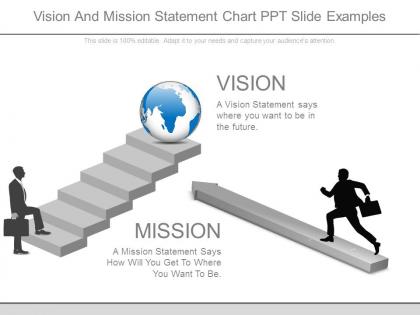
Okay so vision is like your dream goal - where you wanna be in 10 years. Mission is what you're actually doing right now to get customers through the door. I always get these backwards lol. Vision = future aspirations, mission = today's reality. So if you're making that chart, stick vision up top as your big shiny goal. Mission goes underneath since that's your current game plan. Short sentences help too. Think of it this way: vision is "we want to revolutionize coffee" while mission is "we brew artisan coffee for busy professionals downtown." Does that make sense?
Mix up your approach - visual stuff like infographics and videos really work. Town halls are solid for getting people talking face-to-face. But honestly? The boring stuff matters too - keep repeating it in emails and newsletters. I've noticed the best leaders just work these statements into normal conversations about decisions. That's when people actually get it, you know? Oh, and don't give everyone the same spiel. Tailor your examples to what each group cares about. Makes it way more relevant.
Think of your mission and vision as your brand's backbone - they literally shape how people see you. Mission covers what you do and why. Vision shows where you're going. Honestly, I've watched so many businesses skip this part then complain their messaging feels all over the place! These statements end up guiding everything... your marketing voice, product choices, the whole thing. Without them, you're just winging it. Oh, and definitely check if your current stuff actually matches what these statements say. You'd be surprised how often they don't line up.
Okay so basically when people know the "why" behind what they're doing, they actually give a damn about their work. Your vision and mission statements connect someone's boring Tuesday tasks to something that feels meaningful. Short sentences work. People want to feel like they're part of something bigger than just making some exec's bonus target, you know? It creates this shared identity where everyone's rowing in the same direction. But here's the thing - you can't just slap these statements on the wall and call it done. Reference them in meetings, bring them up when making decisions. Otherwise they're just expensive office decorations that nobody reads.
Get everyone together - video call works fine if people are remote. Have them brainstorm solo first about what success looks like and what values actually matter. Then you'll share ideas and hunt for the stuff everyone's nodding about. Honestly, the overlapping concepts are where the gold is. Don't stress if the wording sucks at first - took us like three tries to get ours right. Use Google Docs or whatever so people can mess with the language together. Oh, and make sure someone's actually responsible for each piece afterward, otherwise it just sits there.
Employee surveys are your best bet - just ask if people actually remember your mission without Googling it first. Check engagement scores and retention rates too. If it's really working, you'll notice people bringing it up in meetings naturally, not because they have to. Customer feedback helps since they should feel the vibe externally. Honestly though? Most places just slap these on conference room walls and call it done. The real test is whether it shows up in hiring choices and daily decisions. Oh, and if your team can't recite it, that's telling you something right there.
Honestly, visuals are a game-changer for mission and vision stuff. People's eyes just glaze over those text-heavy blocks. Throw in some brand colors, maybe icons that actually mean something, or break it down with simple charts. Infographics work well too if you're not overdoing it. Short sentences help. The whole point is making it easy to scan – otherwise people just pretend they read it and move on. I'd do like a one-page layout where your main statements really pop, then add graphics that back up what you're saying. Way better than another bullet list nobody reads.
-
Easy to edit slides with easy to understand instructions.
-
Informative design.
-
Top Quality presentations that are easily editable.
-
Best Representation of topics, really appreciable.