


Vision and mission strategic management powerpoint presentation with slides
Need an inspiration readymade vision and mission strategic management complete PPT model? You have come to the right place. We have conceptualized this exclusive PowerPoint slide deck so that you can easily portray your organization’s objectives. Furthermore, our vision and mission PPT sample proves handy in giving strategic directions to employees for easy decision-making process. Apart from this, with help of our PPT sample file you can also cast spotlight on why the mission and vision are important in helping to shape organizational strategy. All in all, you can effectively craft a visual communication motivating employees to straightway move towards ultimate goals for their quick accomplishment. Big picture here is that to make your next PowerPoint show more penetrative, we have included exclusive slide templates like strategic management process, factors shaping strategic decisions, core concept, short term vs. long term objectives etc. In short, it is the ideal time to create something awesome with our pre built business vision and mission strategic management presentation deck. Don’t wait! Just click to download instantly. Encourage interracial exchange with ourvision and mission powerpoint presentation With Slides. Get folks accustomed to different cultures.
Need an inspiration readymade vision and mission strategic management complete PPT model? You have come to the right place...























-

- Google Slides is a new FREE Presentation software from Google.
- All our content is 100% compatible with Google Slides.
- Just download our designs, and upload them to Google Slides and they will work automatically.
- Amaze your audience with SlideTeam and Google Slides.
-

Want Changes to This PPT Slide? Check out our Presentation Design Services
-

- WideScreen Aspect ratio is becoming a very popular format. When you download this product, the downloaded ZIP will contain this product in both standard and widescreen format.
-

- Some older products that we have may only be in standard format, but they can easily be converted to widescreen.
- To do this, please open the SlideTeam product in Powerpoint, and go to
- Design ( On the top bar) -> Page Setup -> and select "On-screen Show (16:9)” in the drop down for "Slides Sized for".
- The slide or theme will change to widescreen, and all graphics will adjust automatically. You can similarly convert our content to any other desired screen aspect ratio.
Compatible With Google Slides

Get This In WideScreen
You must be logged in to download this presentation.


Do you want to remove this product from your favourites?
PowerPoint presentation slides
Complete package of 53 template themes. Best for experts of strategy planning, decision making, marketing and business analysis. Original and high resolution PPT graphics giving tons of play value. Manual editing option makes it wonderful tool to design as per need. Vibrant colored graphics, comparison tables and designs to enliven a show. Easy to insert company logo, trademark, animation and more. Instantly syncs with all modern software’s. The stages in this process are strategic management, mission statement, vision statement, organization objectives, internal decision making, business terms.

People who downloaded this PowerPoint presentation also viewed the following :
Content of this Powerpoint Presentation
Slide 1: This slide introduces Vision & Mission Strategic Management. State Your Company Name and get started.
Slide 2: This is an Agenda slide. State your agendas here.
Slide 3: This is The Vision slide. State company Vision here.
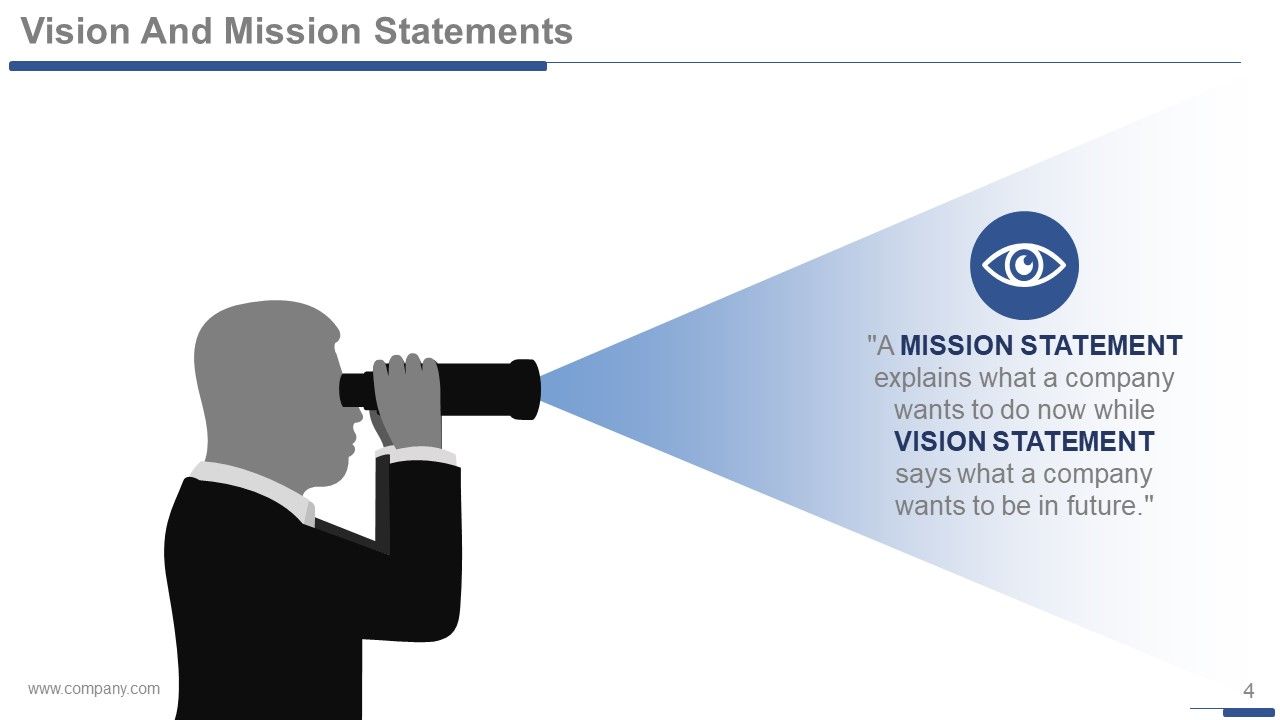
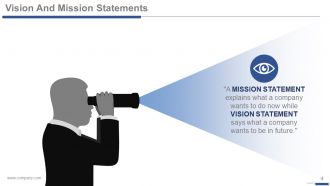
Slide 4: This is a Vision and Mission Statements slide. State them here.
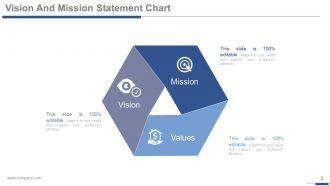
Slide 5: This is a Vision and Mission Statement chart. State in details here your company/organization vision and mission.
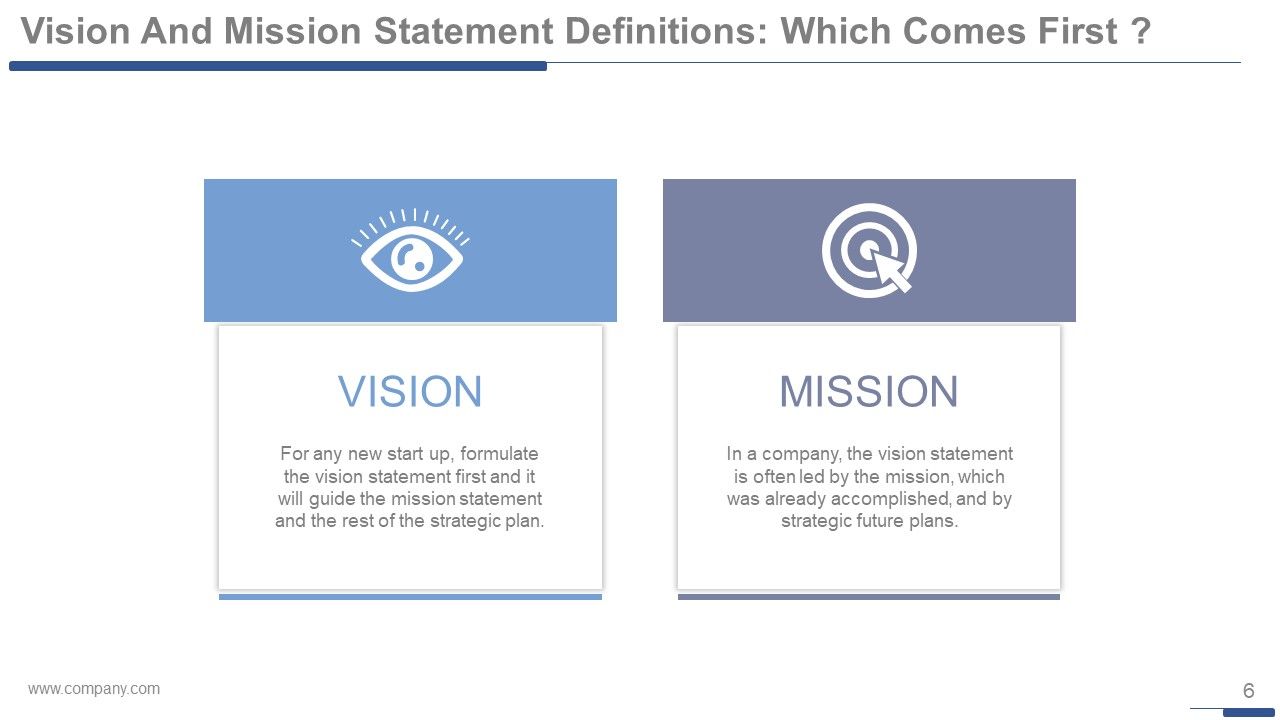
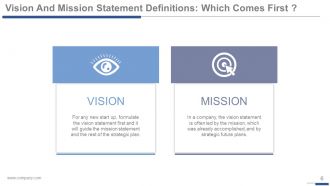
Slide 6: This is another variation slide on Vision and Mission. State in details here your company/organization vision. State the importance of Which Comes First ?
Slide 7: This slide presents What Is Our Business? State specifications of your service, products etc. in 'Our Business' subheading.
Slide 8: This slide presents What Do You Want To Become in terms of company/product goals etc.
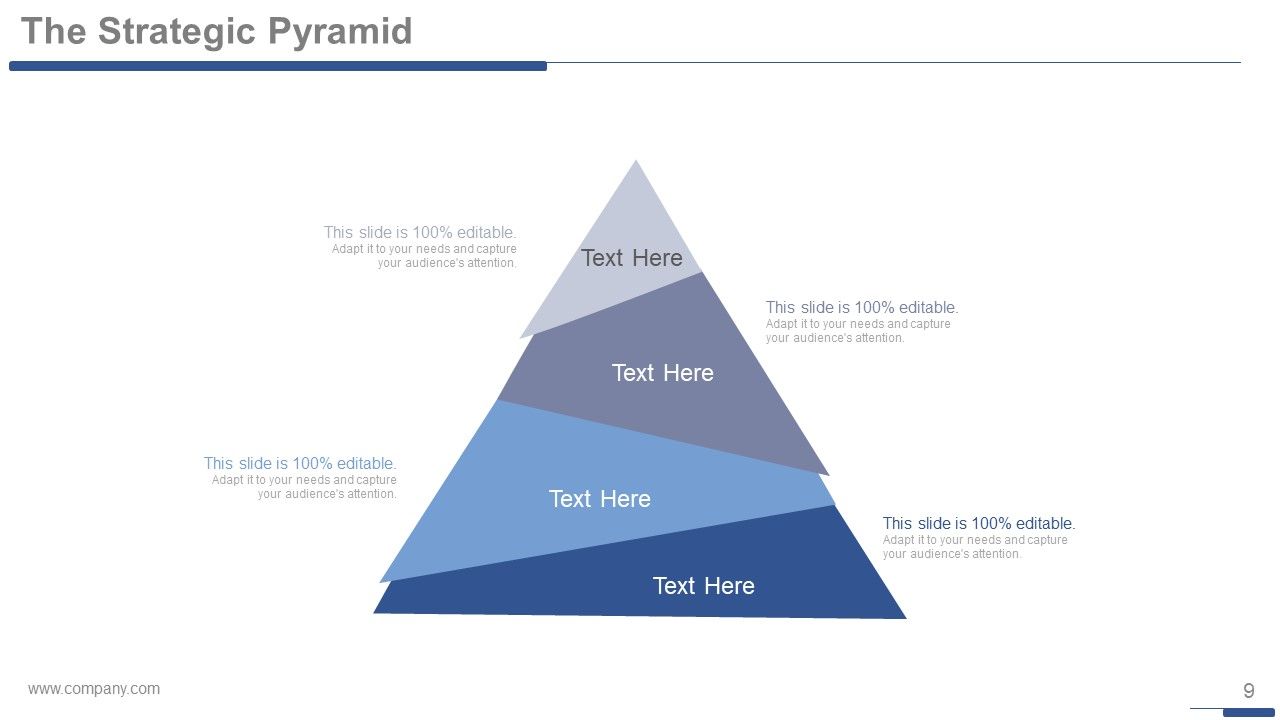
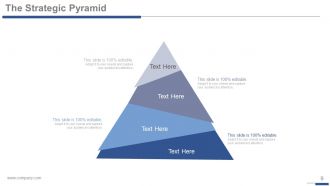
Slide 9: This slide presents a Strategic Pyramid. Show strategies, tactics or important managerial decisions etc. here.
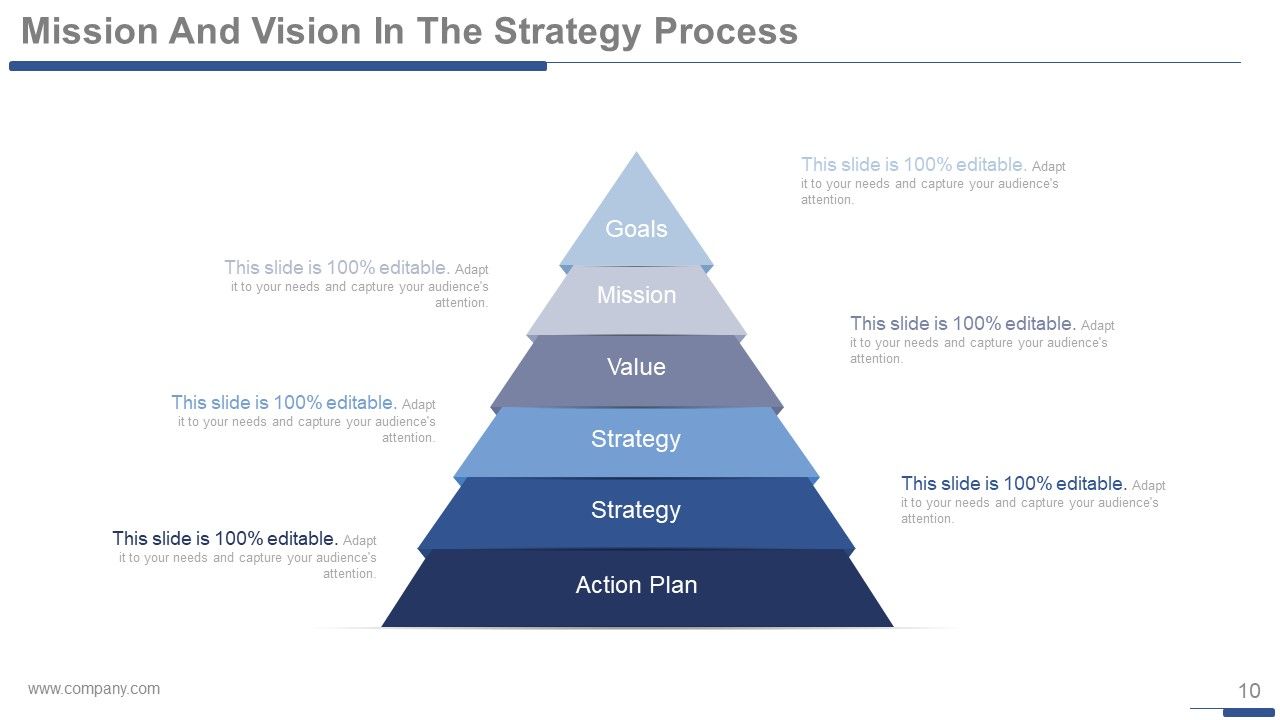
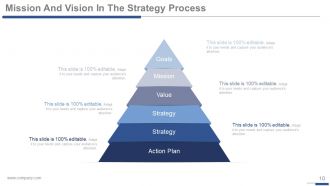
Slide 10: This slide presents Mission And Vision In The Strategy Process with- Goals, Mission, Value, Vision, Strategy, Action Plan. State them separately here.
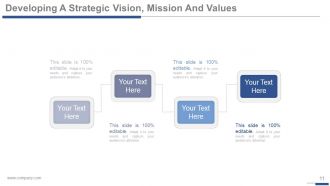
Slide 11: This slide shows Developing a Strategic Vision, Mission and Values. Write relevant text here.
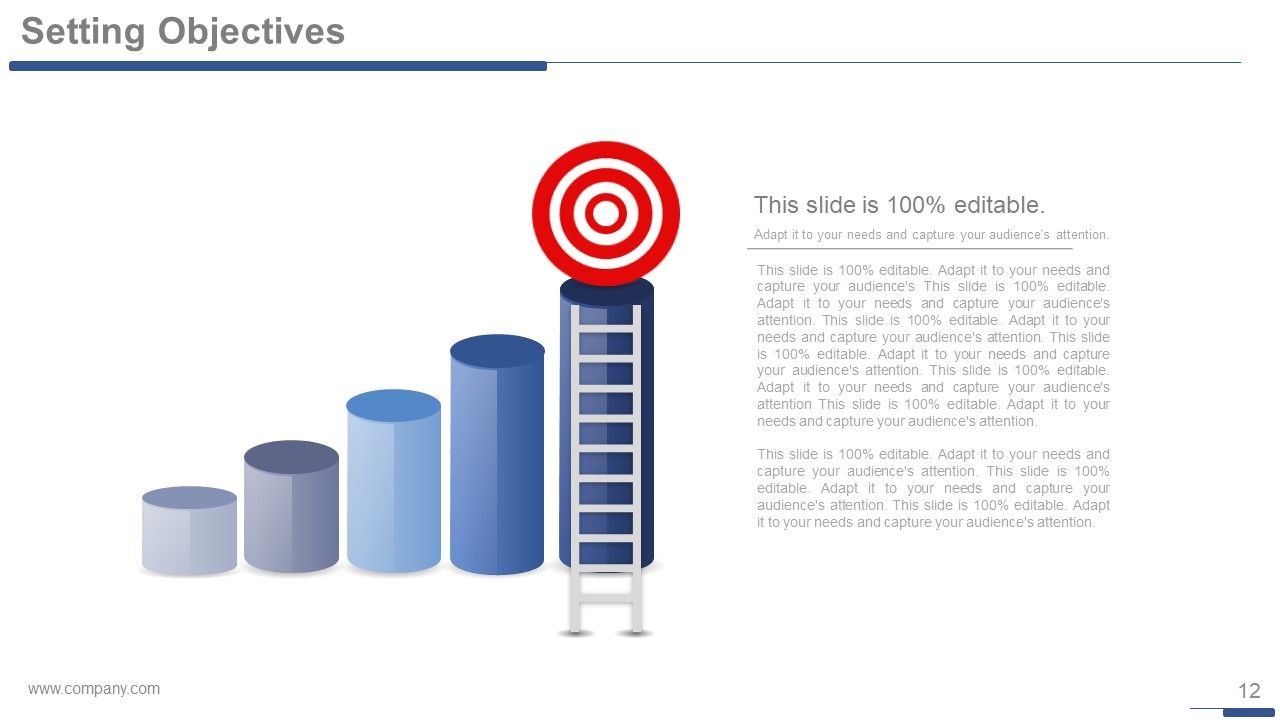
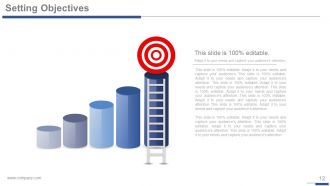
Slide 12: This slide showcases Setting Objectives. State about them here.
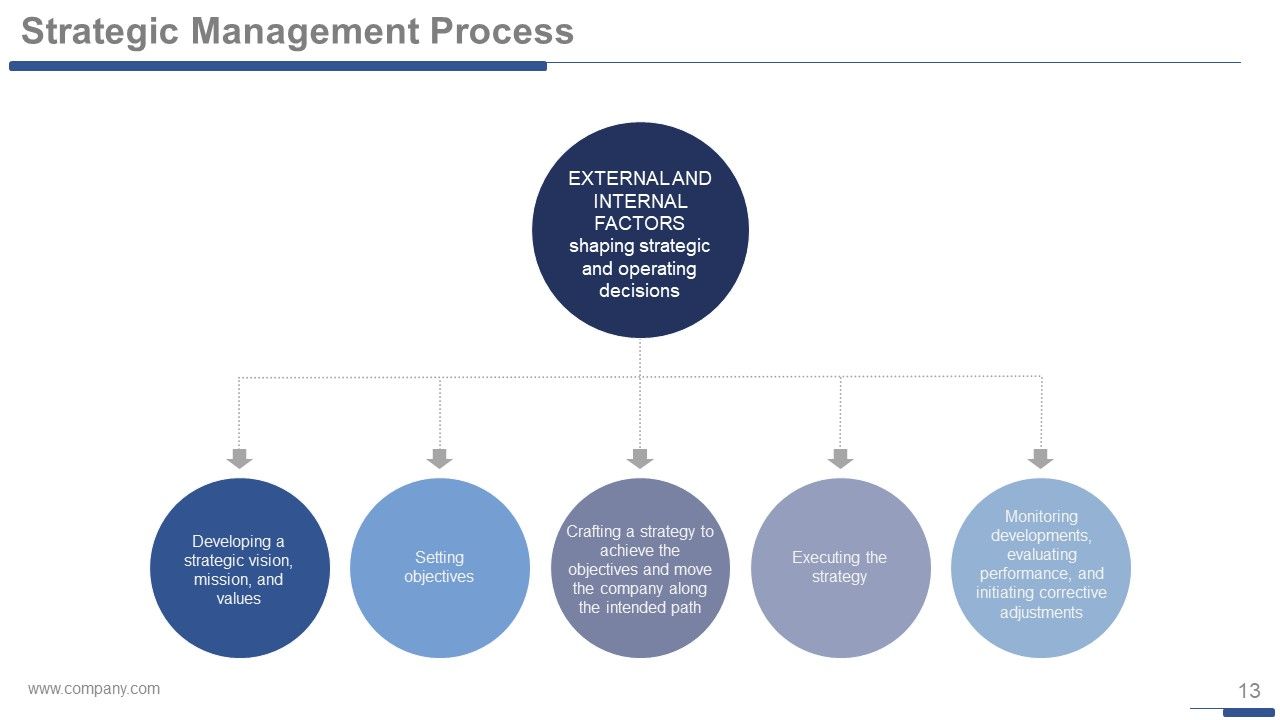
Slide 13: This slide presents Strategic Management Process showcasing- Developing a strategic vision, mission, and values. Setting objectives, Executing the strategy, Monitoring developments, evaluating performance, and initiating corrective adjustments, Crafting a strategy to achieve the objectives and move the company along the intended path, EXTERNAL AND INTERNAL FACTORS shaping strategic and operating decisions.
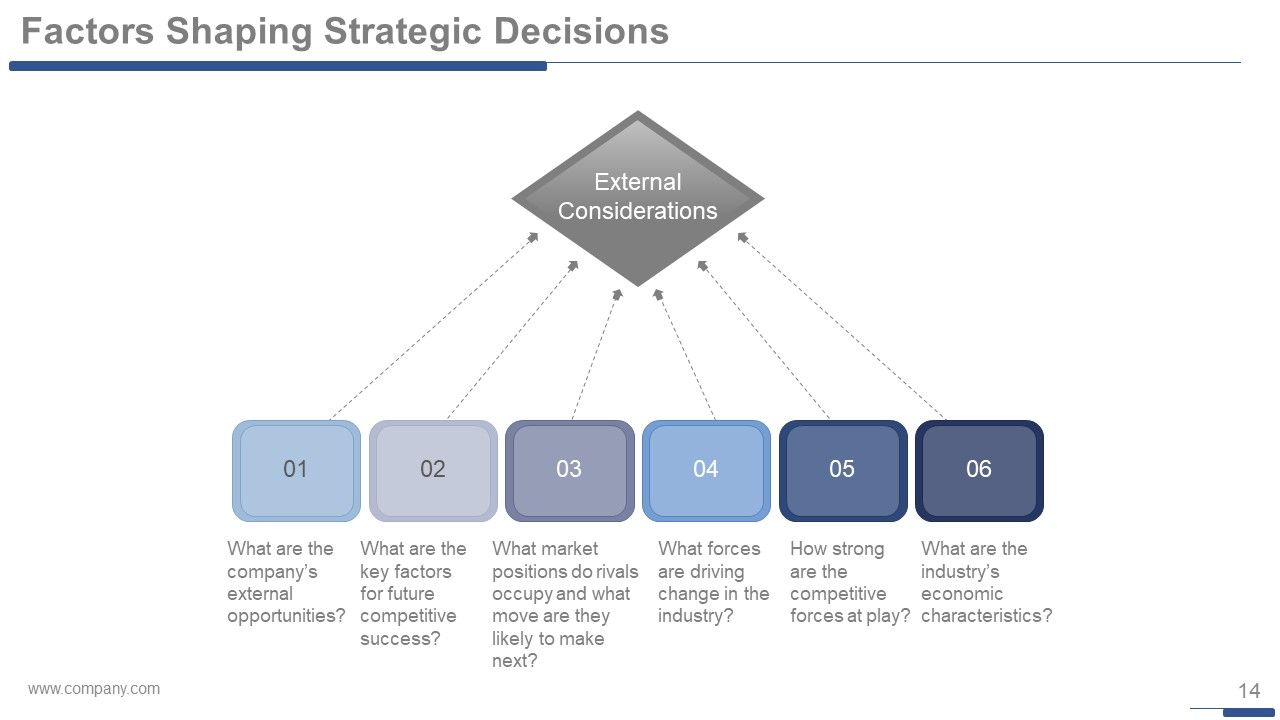
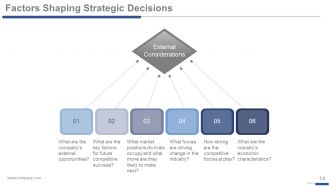
Slide 14: This slide presents Factors Shaping Strategic Decisions with the main subheading- External Considerations consisting of- What are the company’s external opportunities? What are the key factors for future competitive success? What are the industry’s economic characteristics? What market positions do rivals occupy and what move are they likely to make next? How strong are the competitive forces at play? What forces are driving change in the industry?
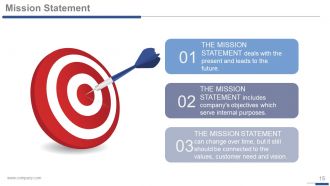
Slide 15: This slide presents Mission Statement expnaded as- Deals with the present and leads to the future. Includes company's objectives which serve internal purposes. Can change over time, but it still should be connected to the values, customer need and vision.
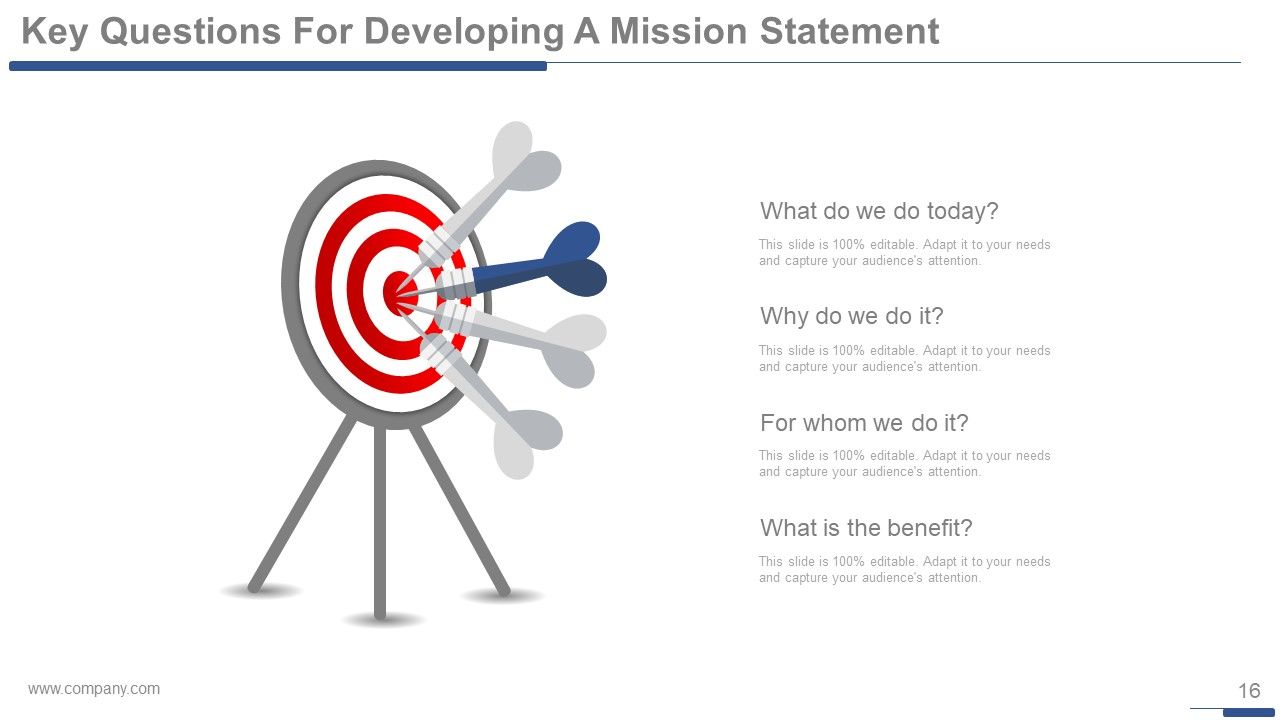
Slide 16: This slide displays Key Questions For Developing A Vision Statement like- Where Do You Want To Be Going Forward? When Do You Want To Reach That Stage? How Do We Want To Do It?
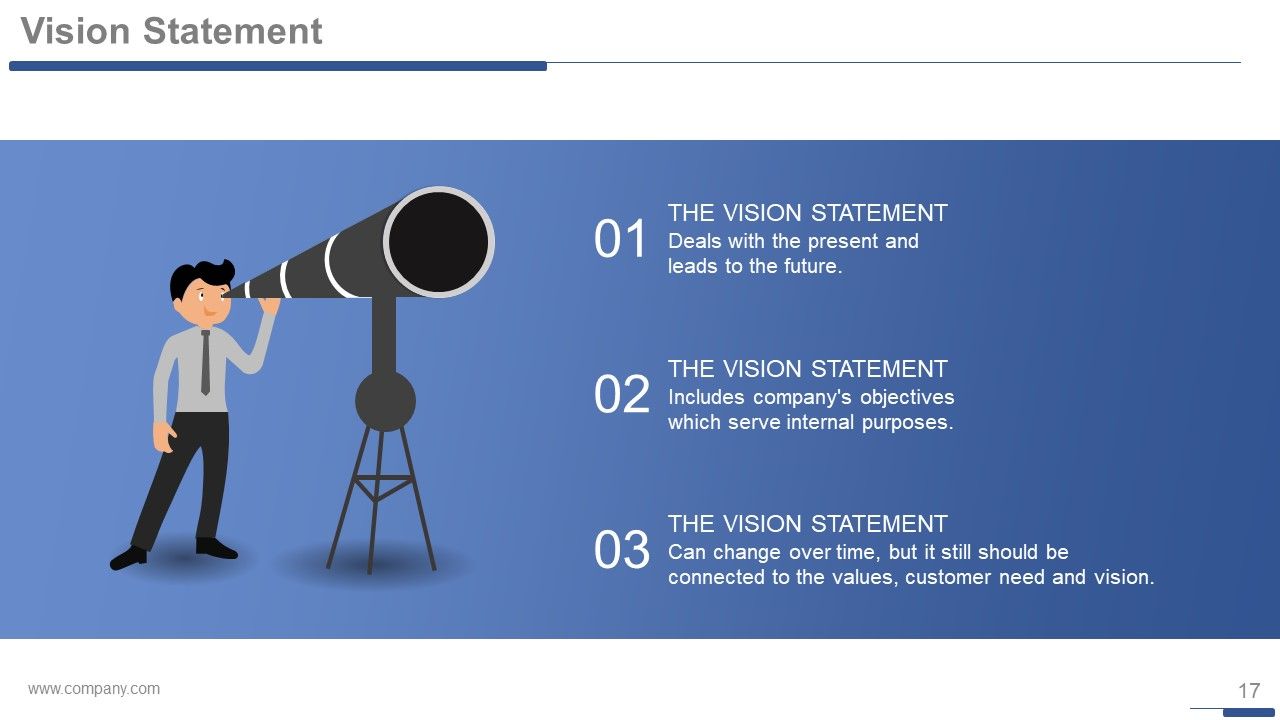
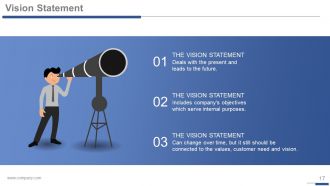
Slide 17: This slide presents Vision Statement expnaded as- Deals with the present and leads to the future. Includes company's objectives which serve internal purposes. Can change over time, but it still should be connected to the values, customer need and vision.
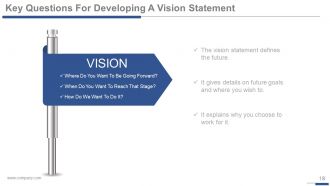
Slide 18: This slide displays Key Questions For Developing A Vision Statement like- Where Do You Want To Be Going Forward? When Do You Want To Reach That Stage? How Do We Want To Do It?
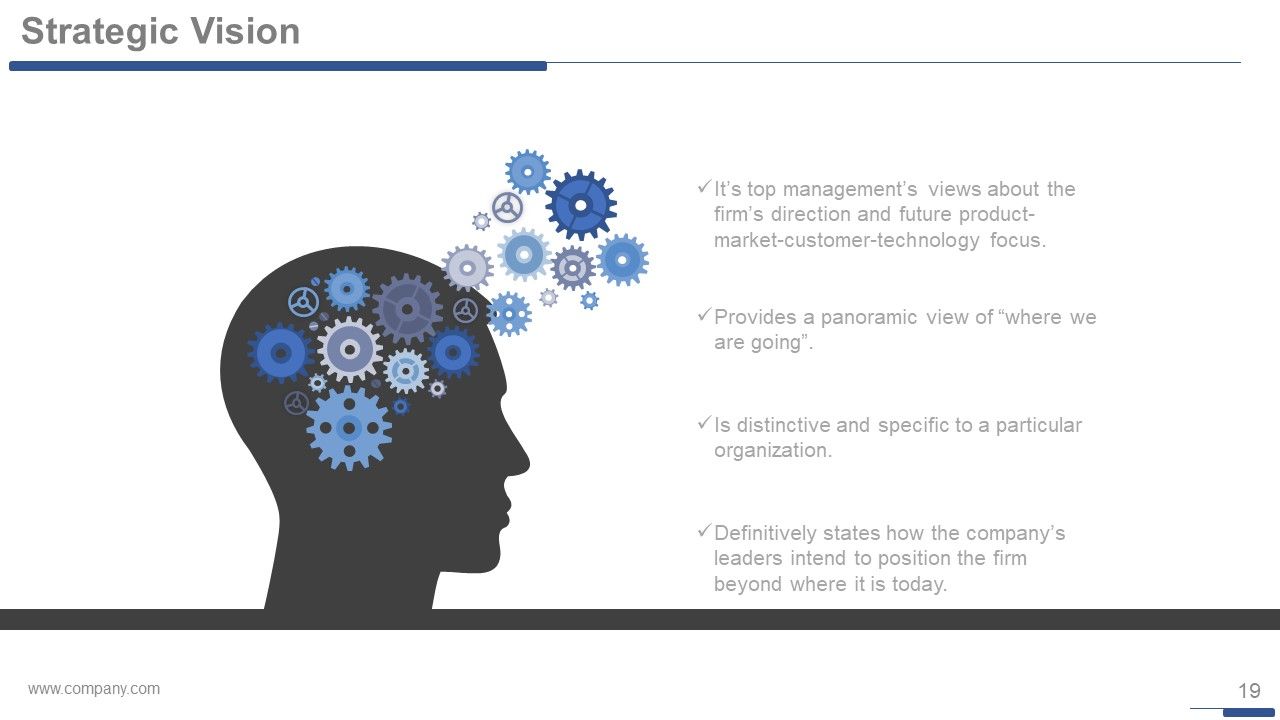
Slide 19: This slide presents Strategic Vision with example points- It’s top management’s views about the firm’s direction and future product-market-customer-technology focus. Provides a panoramic view of “where we are going”. Is distinctive and specific to a particular organization. Definitively states how the company’s leaders intend to position the firm beyond where it is today.
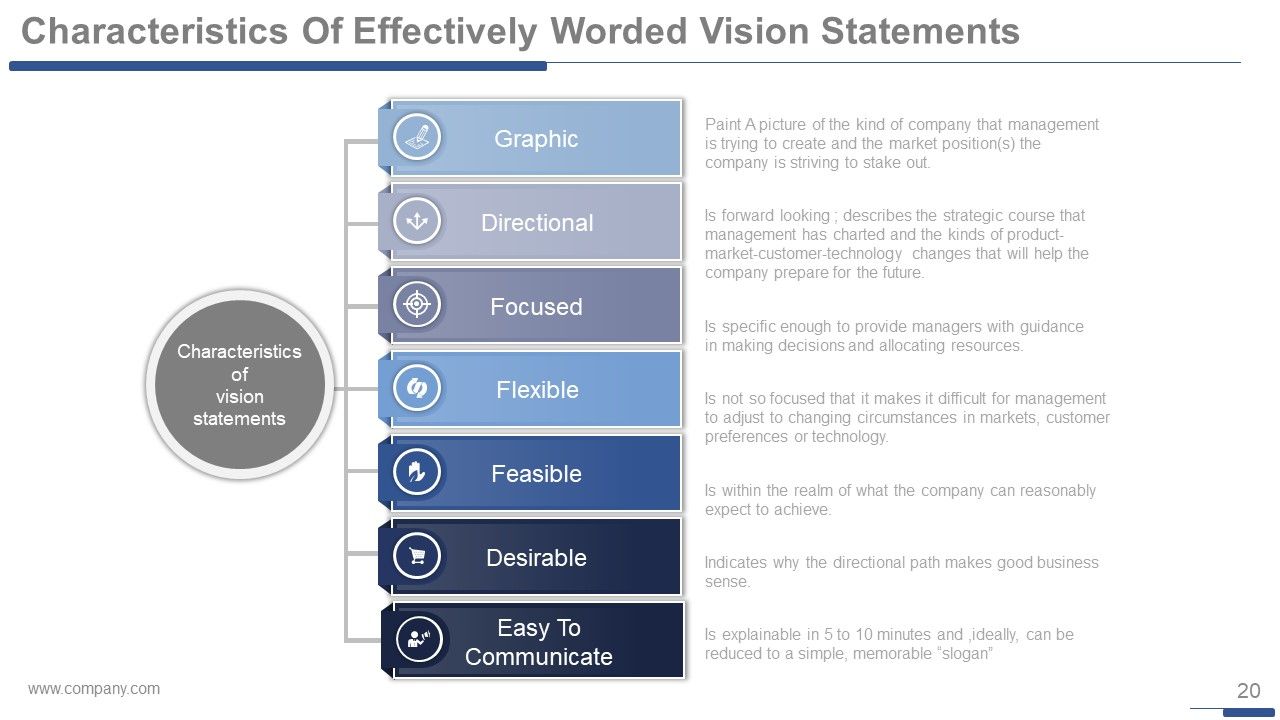
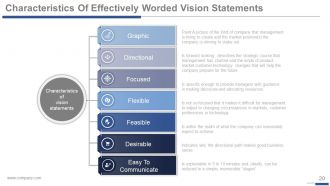
Slide 20: This slide presents Characteristics Of Effectively Worded Vision Statements subheaded under- Graphic, Focused, Desirable, Easy To Communicate, Feasible, Flexible, Directional as the main driving characteristics.
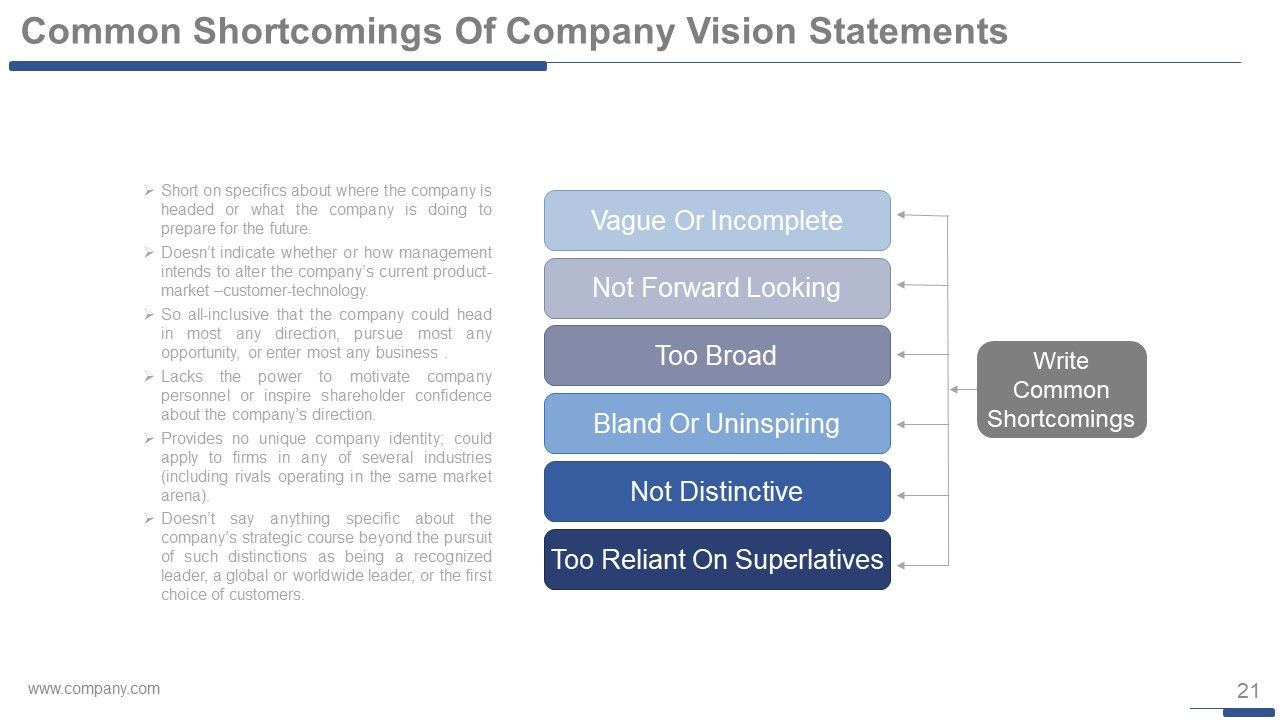
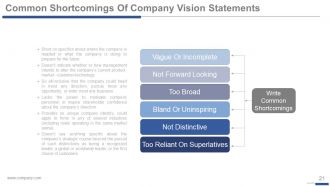
Slide 21: This slide showcases Common Shortcomings Of Company Vision Statements- Vague Or Incomplete, Not Forward Looking, Too Broad, Bland Or Uninspiring, Not Distinctive, Too Reliant On Superlatives.
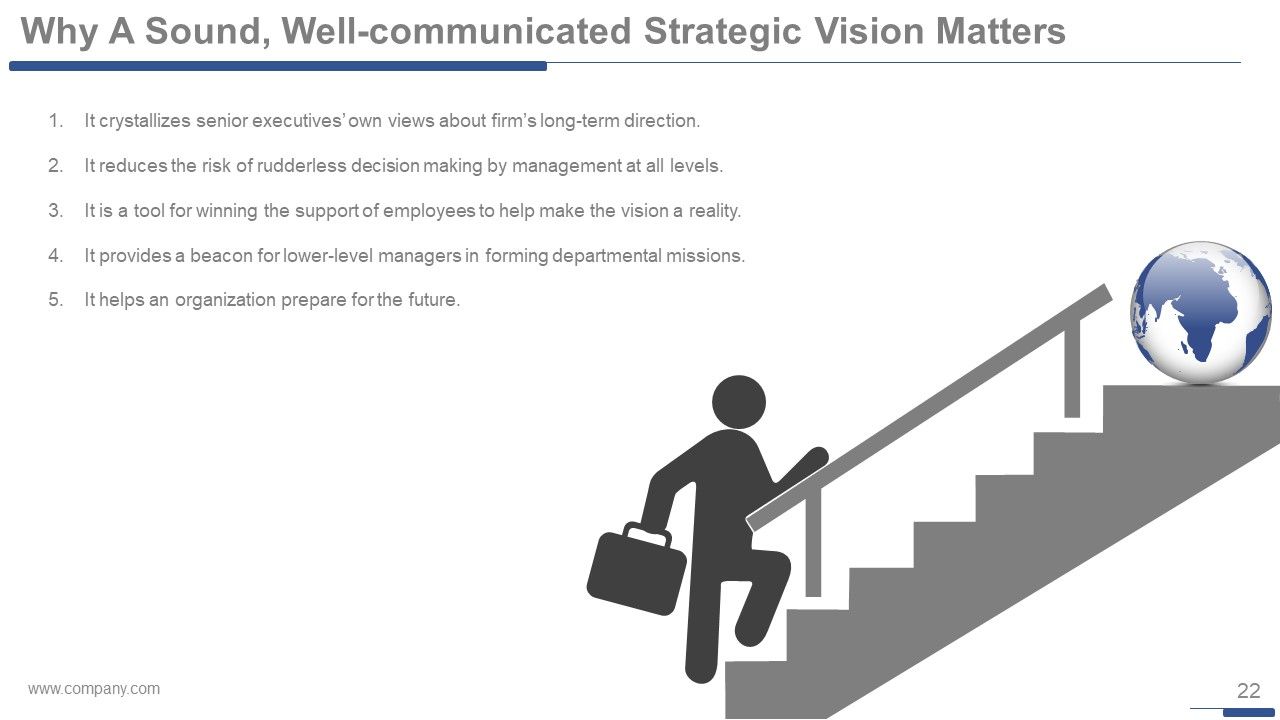
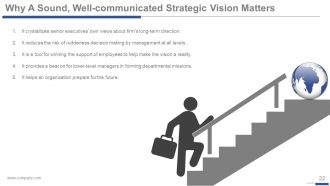
Slide 22: This slide showcases Why A Sound, Well-communicated Strategic Vision Matters. Some exemplary points are- It crystallizes senior executives’ own views about firm’s long-term direction, It reduces the risk of rudderless decision making by management at all levels, It is a tool for winning the support of employees to help make the vision a reality, It provides a beacon for lower-level managers in forming departmental missions, It helps an organization prepare for the future.
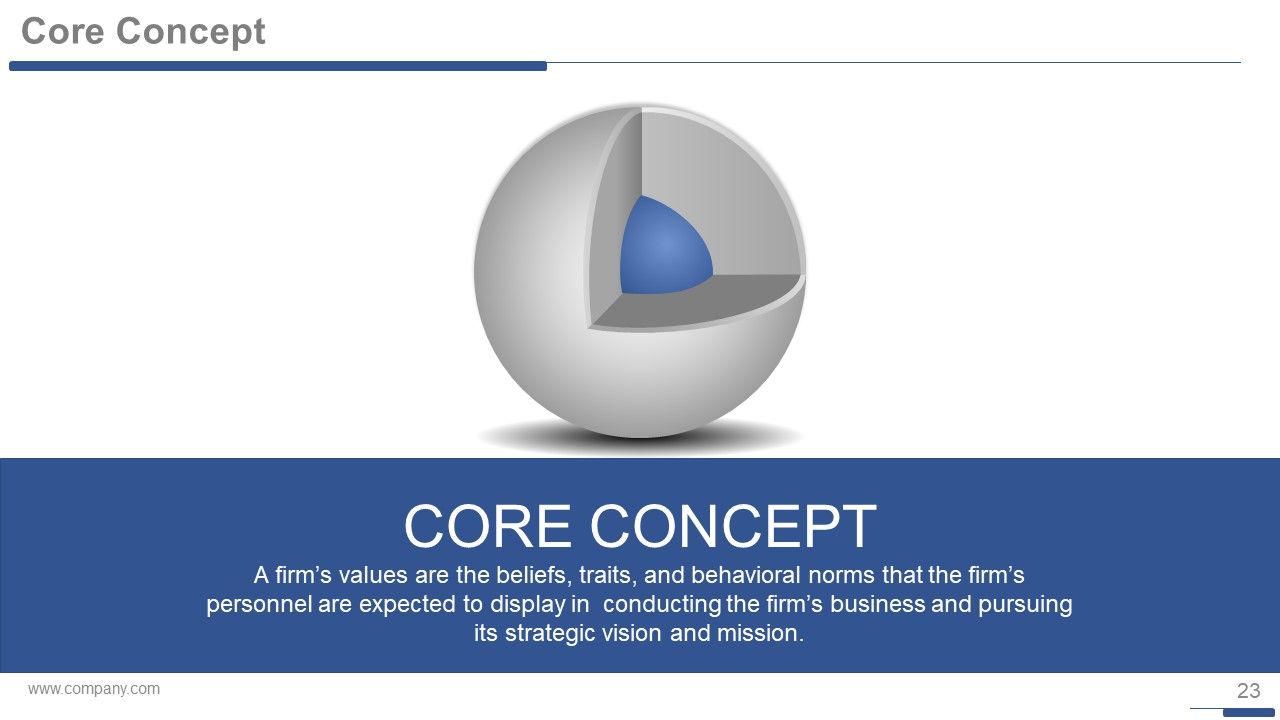
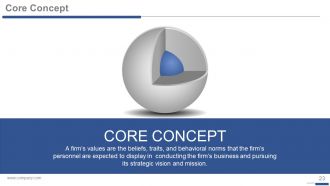
Slide 23: This slide presents Core Concept of a company. State about it here.
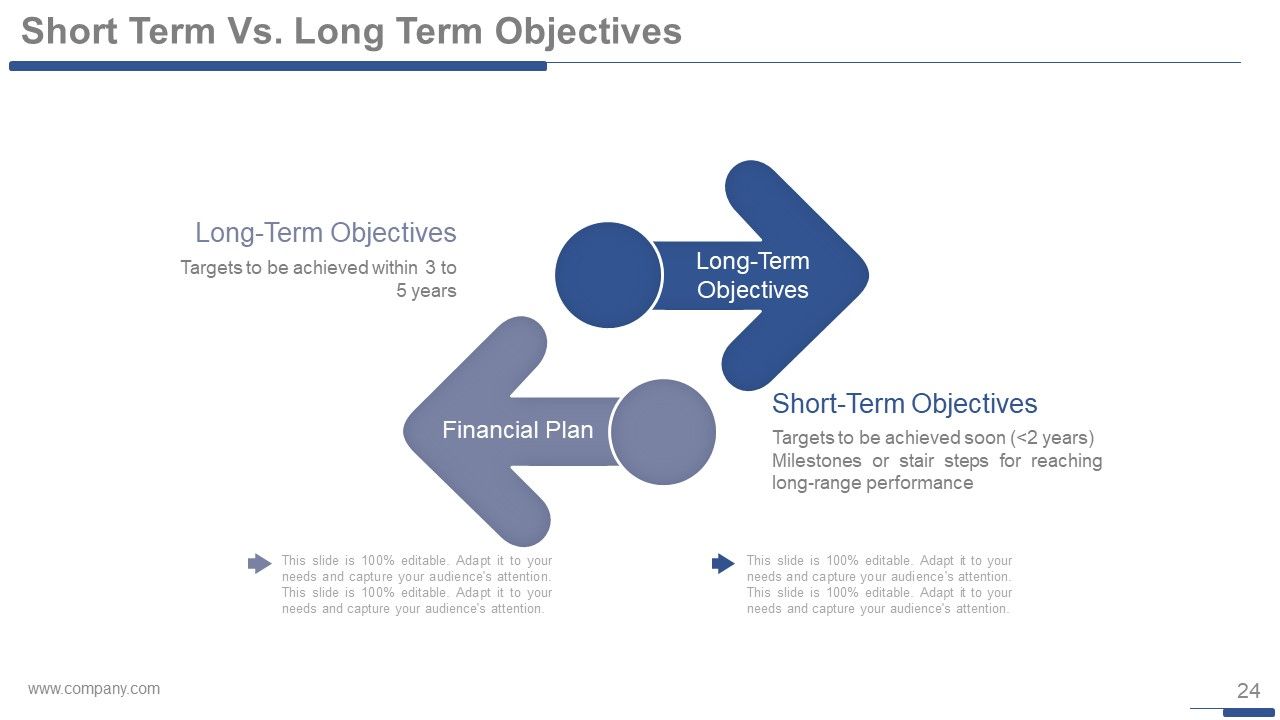
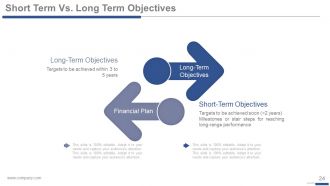
Slide 24: This slide presents Short Term Vs. Long Term Objectives. State them here.
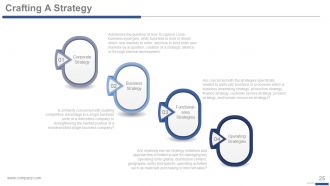
Slide 25: This slide shows Crafting A Strategy for- Corporate Strategy, Business Strategy, Functional-Area Strategies, Operating Strategies.
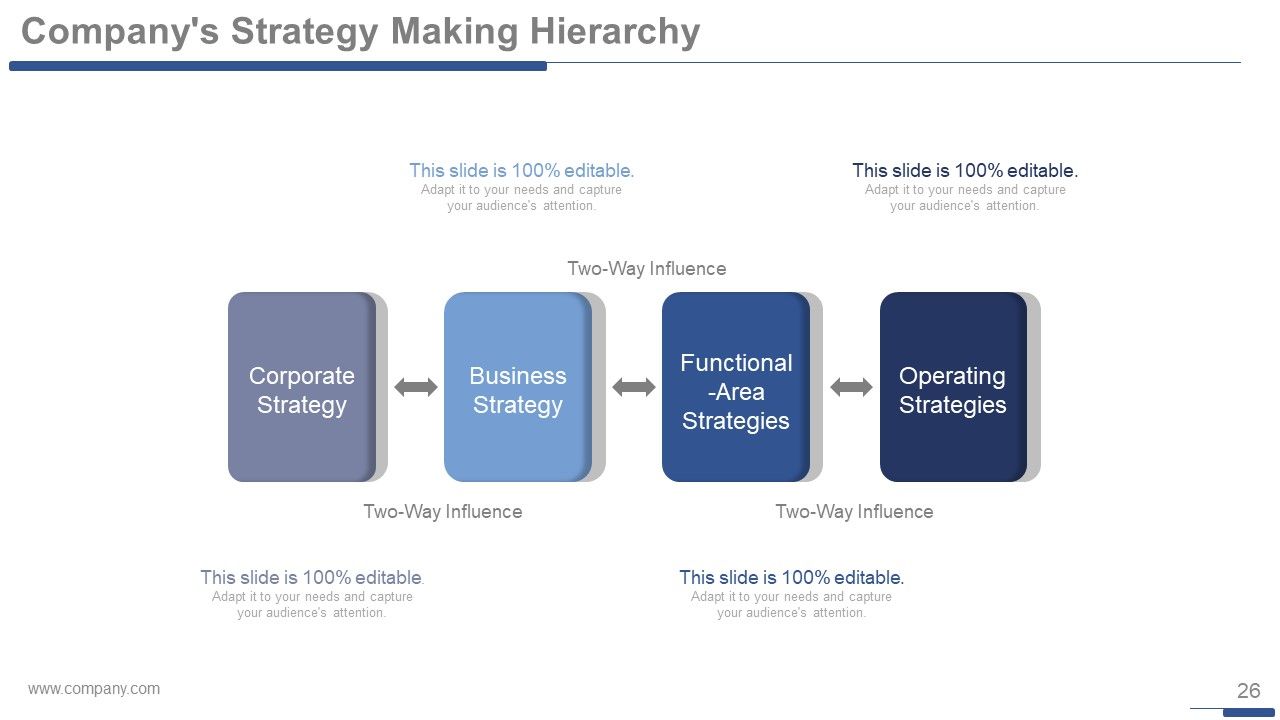
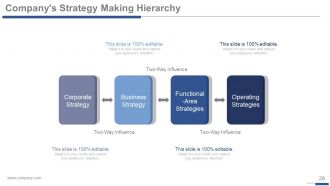
Slide 26: This slide showcases Company's Strategy Making Hierarchy with the follwoing points- Corporate Strategy, Business Strategy, Functional-Area Strategies, Operating Strategies.
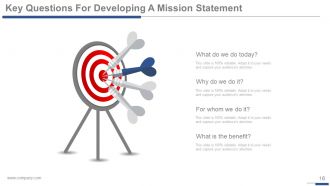
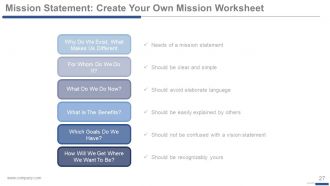
Slide 27: This slide presents Mission Statement: Create Your Own Mission Worksheet with the following points- Why do we exist, what makes us different (Needs of a mission statement), For whom do we do it? (Should be clear and simple), What do we do now? (Should avoid elaborate language), What is the benefits? (Should be easily explained by others), Which goals do we have? (Should not be confused with a vision statement), How will we get where we want to be? (Should be recognizably yours).
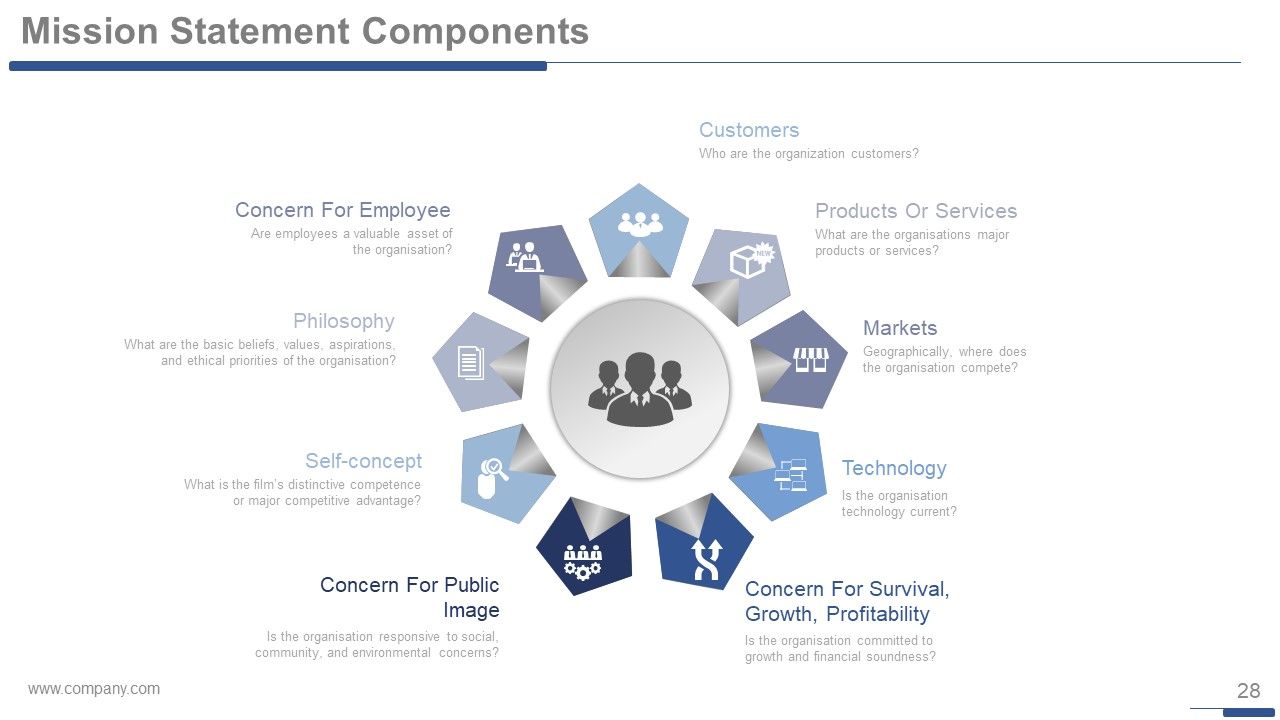
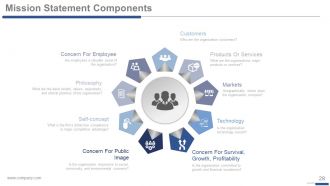
Slide 28: This slide shows Mission Statement Components in terms of- Philosophy, Customers, Products Or Services, Markets, Technology, Concern for Survival, Growth, Profitability, Concern For Public Image, Concern For Employee.
Slide 29: This slide showcases Values And Philosophy of a company/organization. State about it in terms of Our Philosophy here.
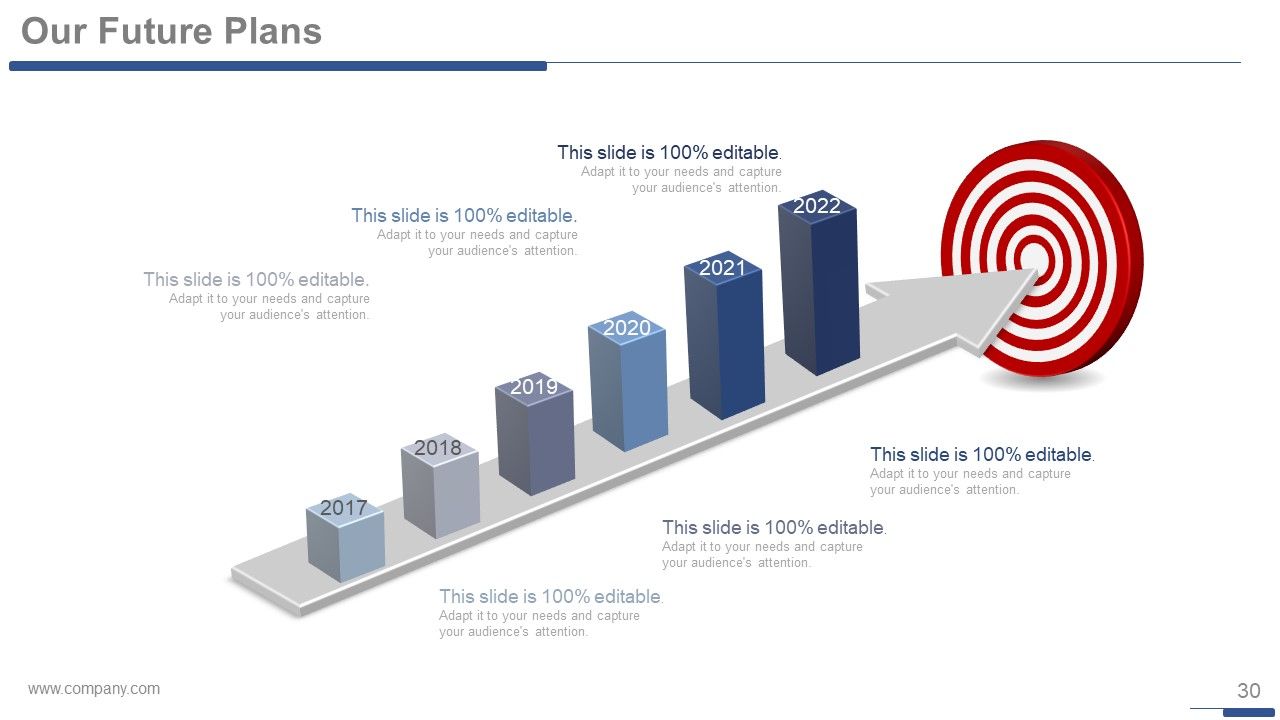
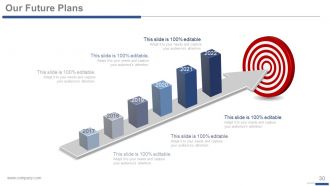
Slide 30: This slide presents Our Future Plans with target imagery. State future plans/goals etc. here.
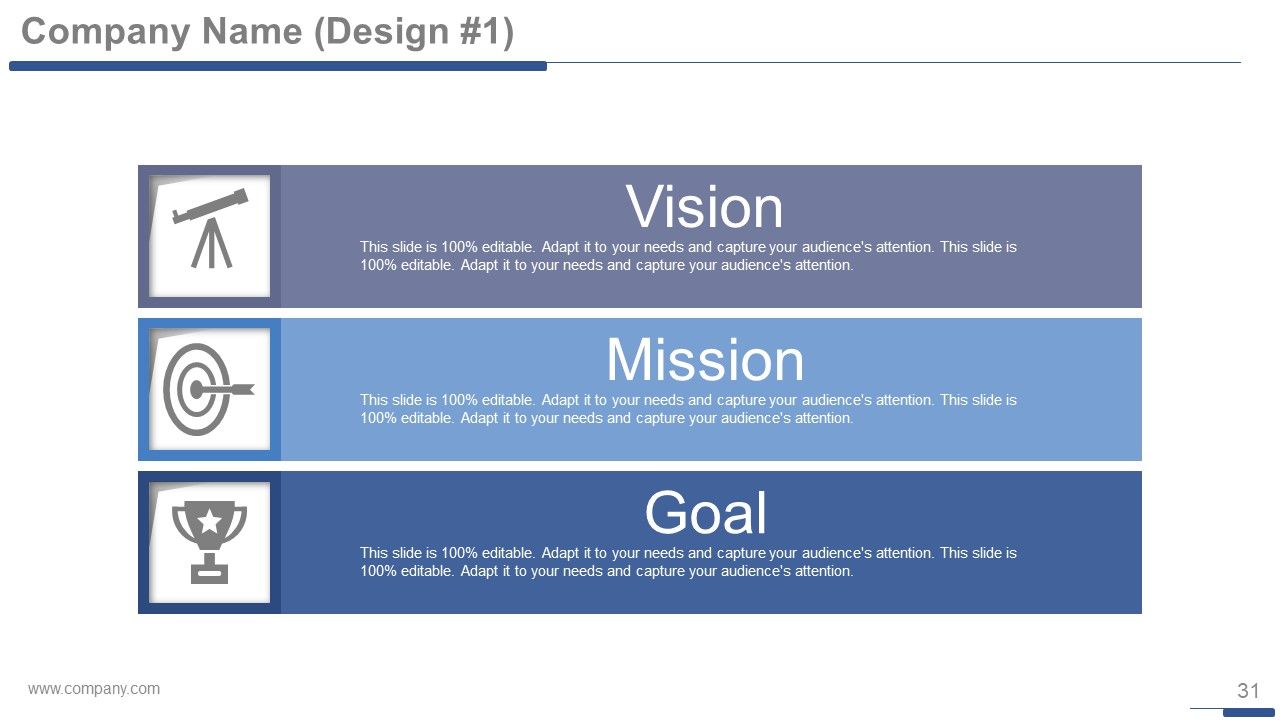
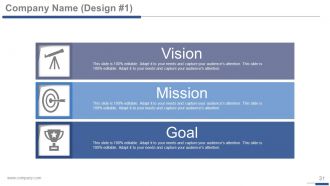
Slide 31: This slide shows the first variation design of Company Name with- Vision Mission and Goal.
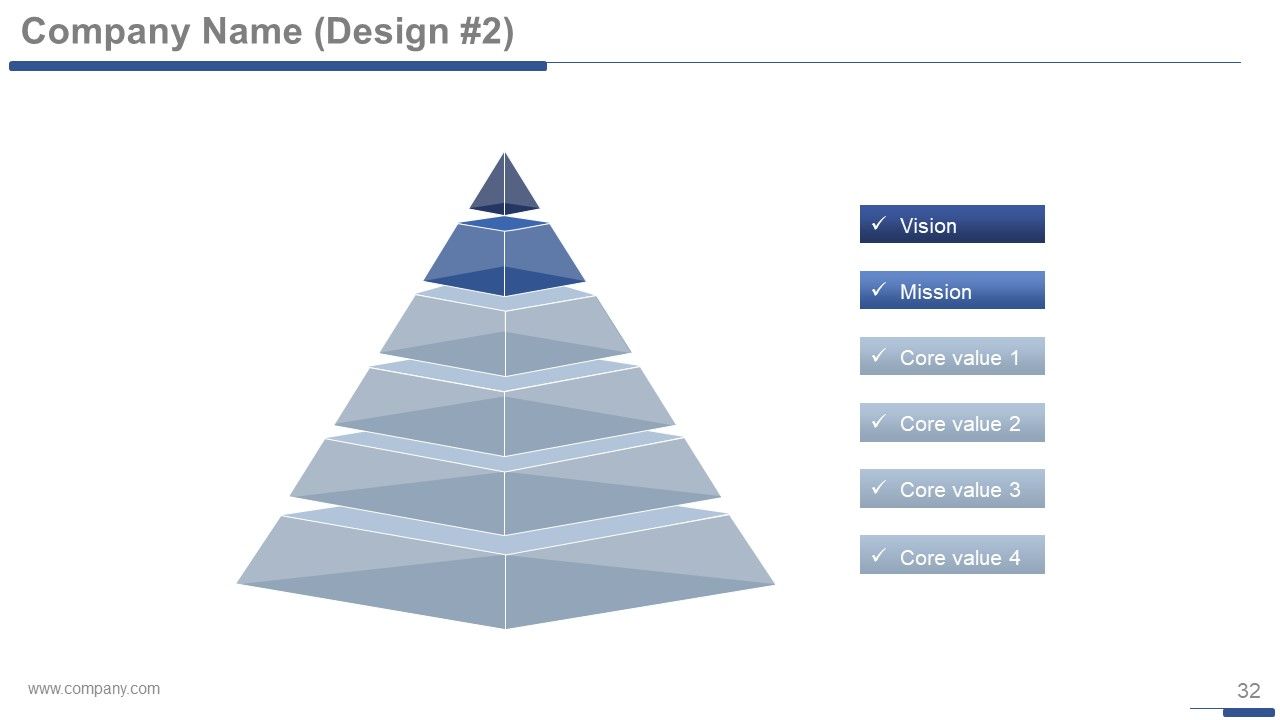
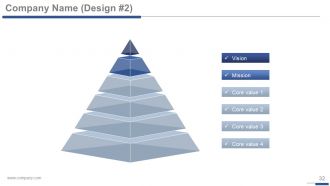
Slide 32: This slide shows the second variation design of Company Name with- Vision Mission and Core value.
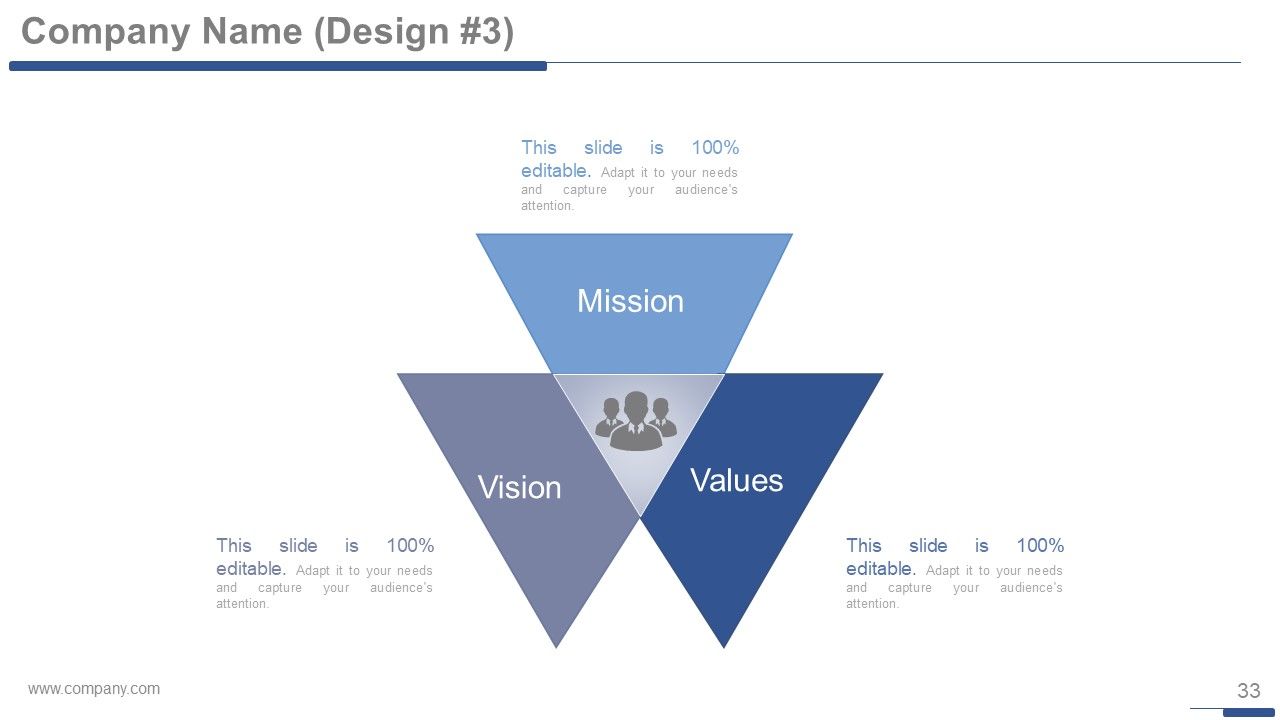
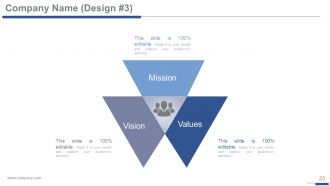
Slide 33: This slide shows the third variation design of Company Name with- Mission, Values, Vision.
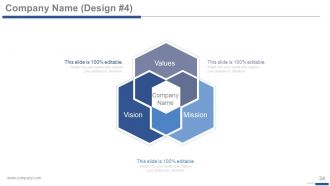
Slide 34: This slide shows the fourth variation design of Company Name with- Mission, Values, Vision.
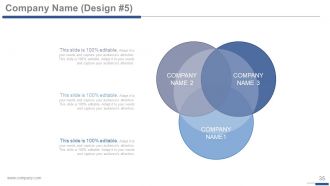
Slide 35: This slide shows the fifth variation design of Company Name in venn diagram form.
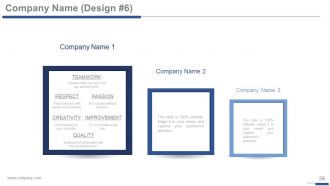
Slide 36: This slide shows sixth variation design of Company Name with- Teamwork, Quality, Creativity, Improvement, Respect and Passion.
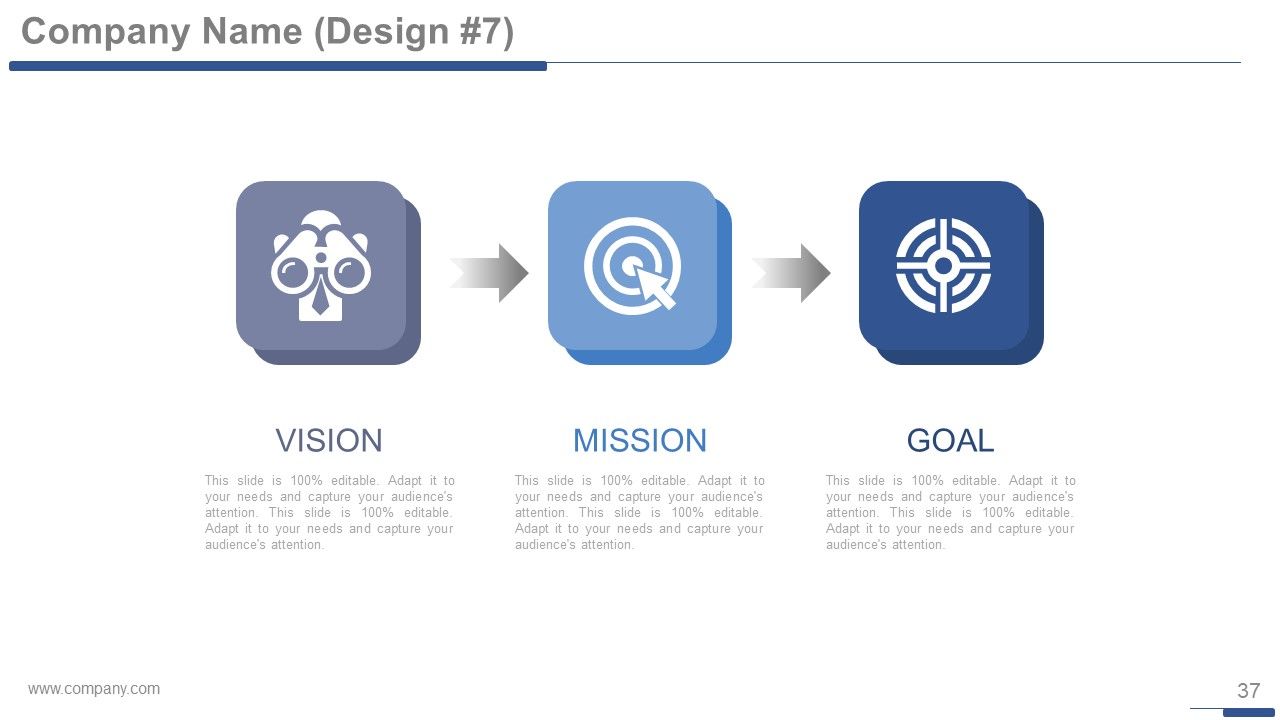
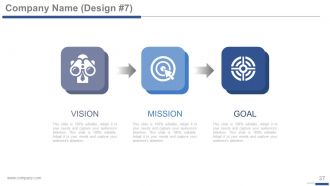
Slide 37: This slide shows seventh variation design of Company Name with- Vision Mission and Goal.
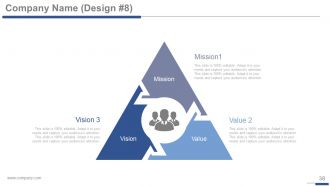
Slide 38: This slide shows eighth variation design of Company Name with- Value, Vision, Mission.
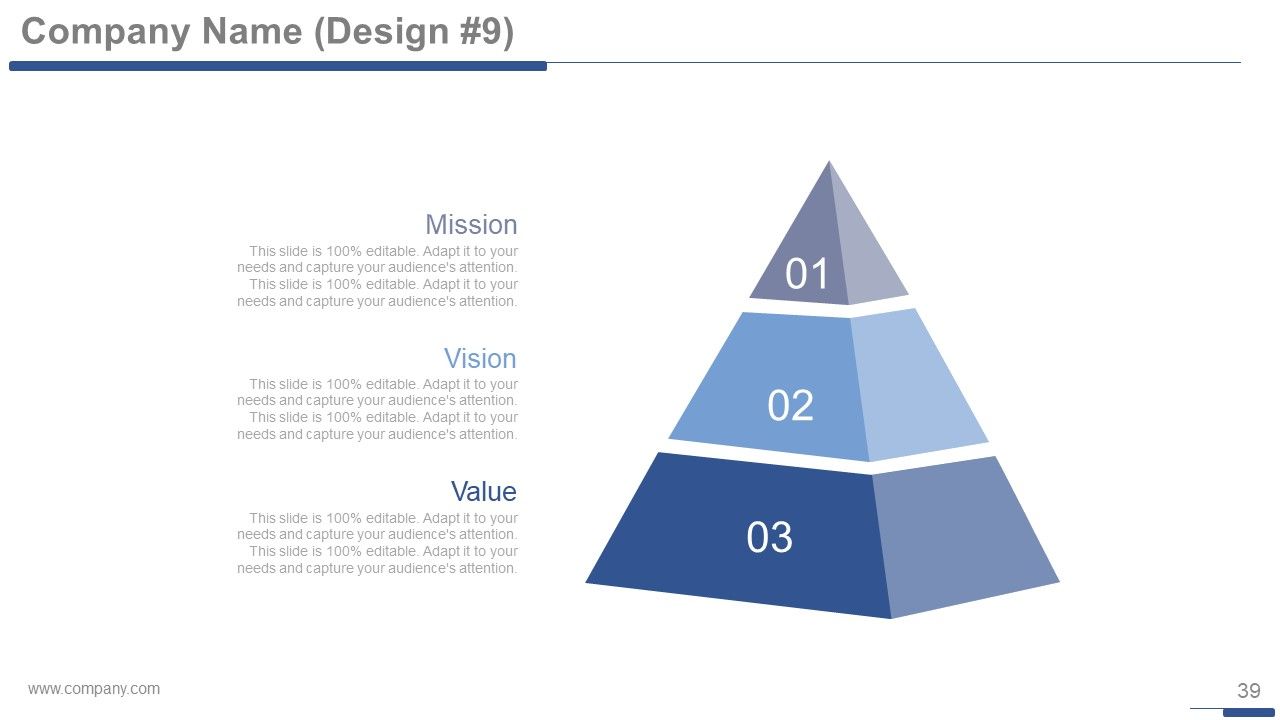
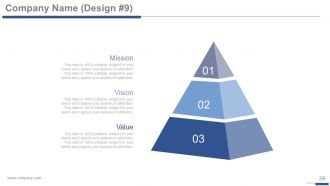
Slide 39: This slide shows ninth variation design of Company Name with- Value, Vision, Mission.
Slide 40: This slide is titled Additional Slides to move forward. You can change/alter the slide content as per need.
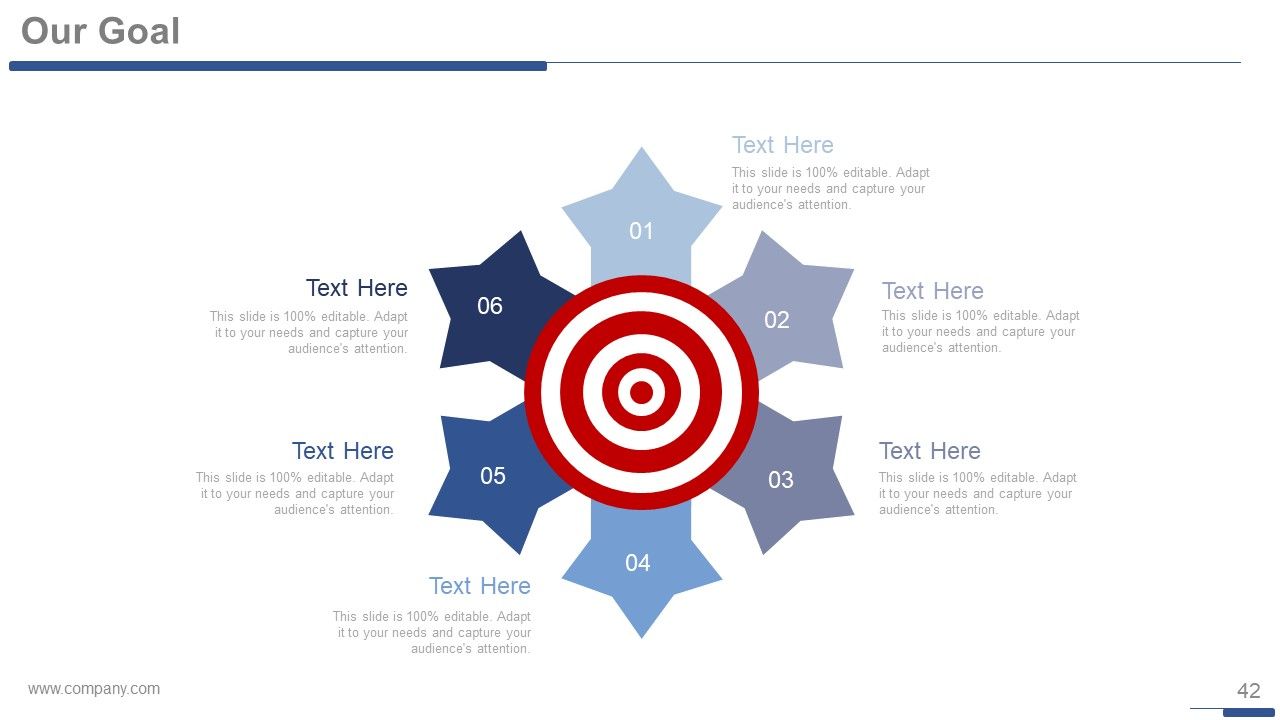
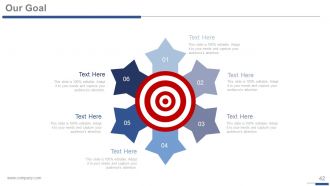
Slide 42: This Our Goal slide. State goals etc. here.
Slide 43: This is a Quotes slide to convey company messages, beliefs etc. You can change the slide contents as per need.
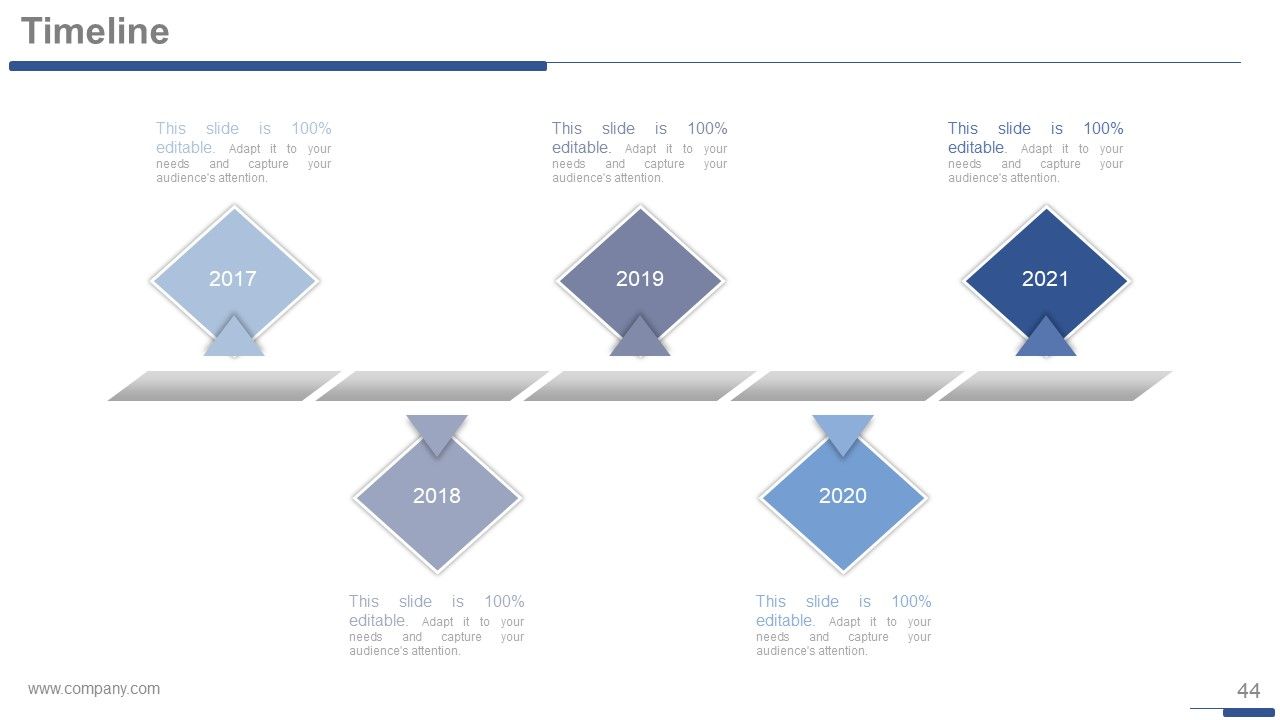
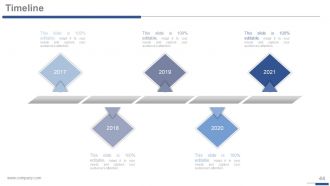
Slide 44: This is a Timeline slide to show evolution, growth, milestones etc.
Slide 45: This is an Important Notes slide to mark events, important information etc.
Slide 46: This is a Puzzle image slide to show information, specifications etc.
Slide 47: This is a Target image slide. State targets, etc. here.
Slide 48: This is a Circular image slide to show information, specifications etc.
Slide 49: This is a Venn diagram image slide to show information, specifications etc.
Slide 50: This is a Mind map image slide to show information, specifications etc.
Slide 51: This is a Bulb or Idea image slide to show information, specifications, innovative aspects etc.
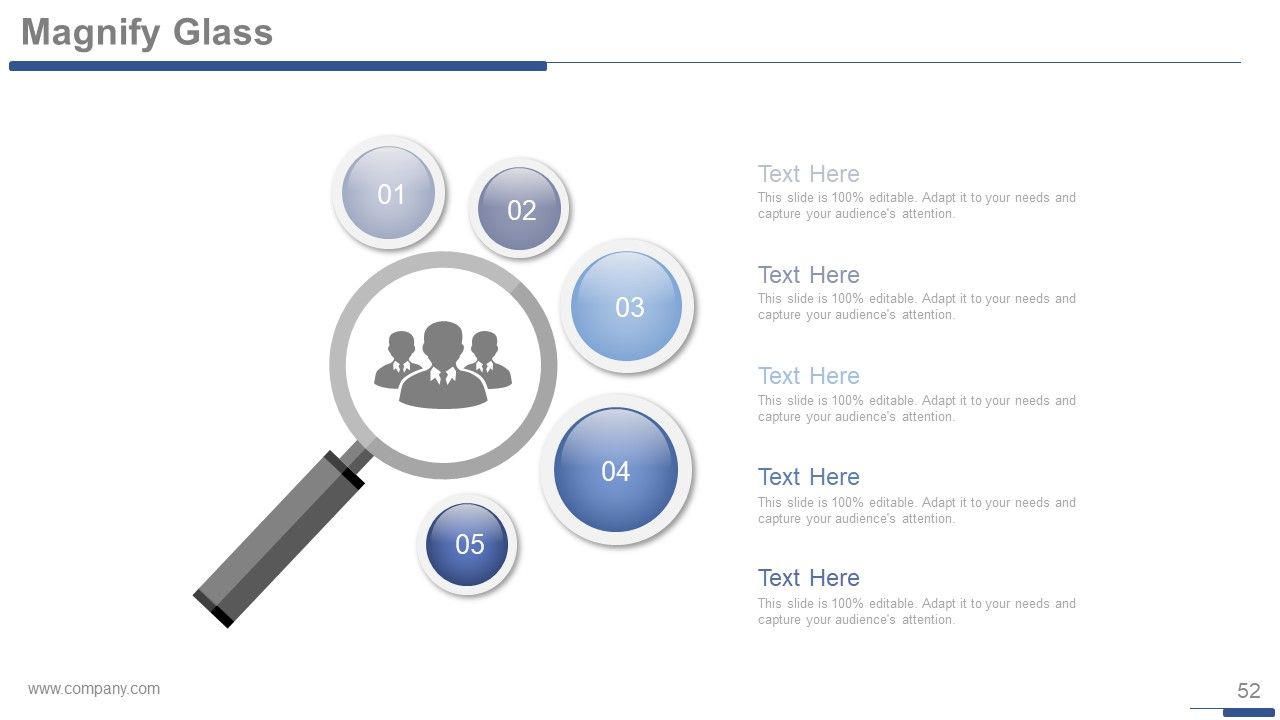
Slide 52: This is a Magnify glass image slide to show information, specifications etc.
Slide 53: This is a Thank You slide with Address# street number, city, state, Contact Numbers, Email Address.
Vision and mission strategic management powerpoint presentation with slides with all 53 slides:
Give your thoughts extra flourish. Our Vision And Mission Strategic Management Complete Powerpoint Deck With Slides add to the drama.
-
Its great work I've get very goo information.
-
I discovered this website through a google search, the services matched my needs perfectly and the pricing was very reasonable. I was thrilled with the product and the customer service. I will definitely use their slides again for my presentations and recommend them to other colleagues.
-
Awesome presentation, really professional and easy to edit.
