


Wordpress web design proposal powerpoint presentation slides
WordPress has promoted easy setup of webpages for numberless businesses around the planet. No wonder WP is the world’s favorite application for content management. However, WordPress service providers continue to struggle when it comes to lead conversion. If you are a WordPress website developer who wants to expand business horizons, this proposal PPT is dedicated to you. SlideTeam gives you- Web Design Proposal ppt. Be it solicited or otherwise, consolidating a responsive business proposal necessitates experience. Our team of developers is well-tuned to the preferences of B2B clients. SlideTeam have innovated 1M+ slides (and counting). The design featured in this WordPress web development business proposal PPT theme is a refined over a series of trial and error. The cover letter is the soul of any business proposal. Therefore, a concise format that hooks your client from the very first word is included. The content of our WordPress web design business proposal industry experts collect PowerPoint slideshow. Elucidate an ideal overview of the project by showcasing how your approach aligns the best client’s requirements. Acquaint your prospective clients with web development tools and technologies as per the production process. Walk your audience through the scope of your development services. Use a linear diagram to break down the project timeline into phases. Illustrate the tasks and duration related to each phase. Such details keep your customers informed and satisfied. Demonstrate the deliverables of the WP website development project. Preserve business transparency by compiling the pricing structure. Gain your customer’s trust by presenting a brief introduction to your company. Familiarize your client with the key project personnel along with their roles. Reveal your proficiency through a case study. Moreover, you can communicate the terms and conditions of the project through this easy-to-comprehend PPT. Download our business proposal PPT layout to gain access to several diagrams to incorporate for visual effects.
WordPress has promoted easy setup of webpages for numberless businesses around the planet. No wonder WP is the world’s favo..











-

- Google Slides is a new FREE Presentation software from Google.
- All our content is 100% compatible with Google Slides.
- Just download our designs, and upload them to Google Slides and they will work automatically.
- Amaze your audience with SlideTeam and Google Slides.
-

Want Changes to This PPT Slide? Check out our Presentation Design Services
-

- WideScreen Aspect ratio is becoming a very popular format. When you download this product, the downloaded ZIP will contain this product in both standard and widescreen format.
-

- Some older products that we have may only be in standard format, but they can easily be converted to widescreen.
- To do this, please open the SlideTeam product in Powerpoint, and go to
- Design ( On the top bar) -> Page Setup -> and select "On-screen Show (16:9)” in the drop down for "Slides Sized for".
- The slide or theme will change to widescreen, and all graphics will adjust automatically. You can similarly convert our content to any other desired screen aspect ratio.
Compatible With Google Slides

Get This In WideScreen
You must be logged in to download this presentation.


Do you want to remove this product from your favourites?
PowerPoint presentation slides
Presenting WordPress Web Design Proposal PowerPoint Presentation Slides. Download this complete PPT deck and gain access to 36 visually-stunning templates. Each PowerPoint slide features 100% customizable design elements. Modify colors, font, text, images, patterns, background, and orientation to create a completely personalized presentation. You can even change the file format into PDF, PNG, or JPG as and when suitable. Use standard or widescreen resolutions to access the presentation. It is also compatible with Google Slides.

People who downloaded this PowerPoint presentation also viewed the following :
Content of this Powerpoint Presentation
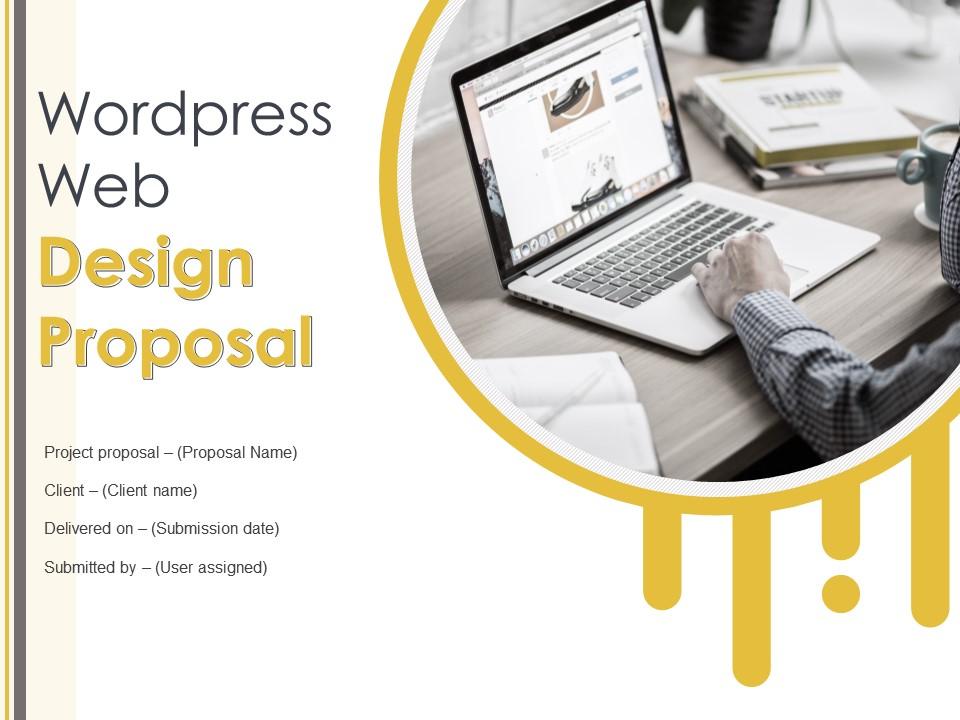
Slide 1: This slide introduces Wordpress Web Design Proposal. Mention Proposal name, Client name, Submission date.
Slide 2: This slide displays Cover Letter for WordPress Website Design Services.
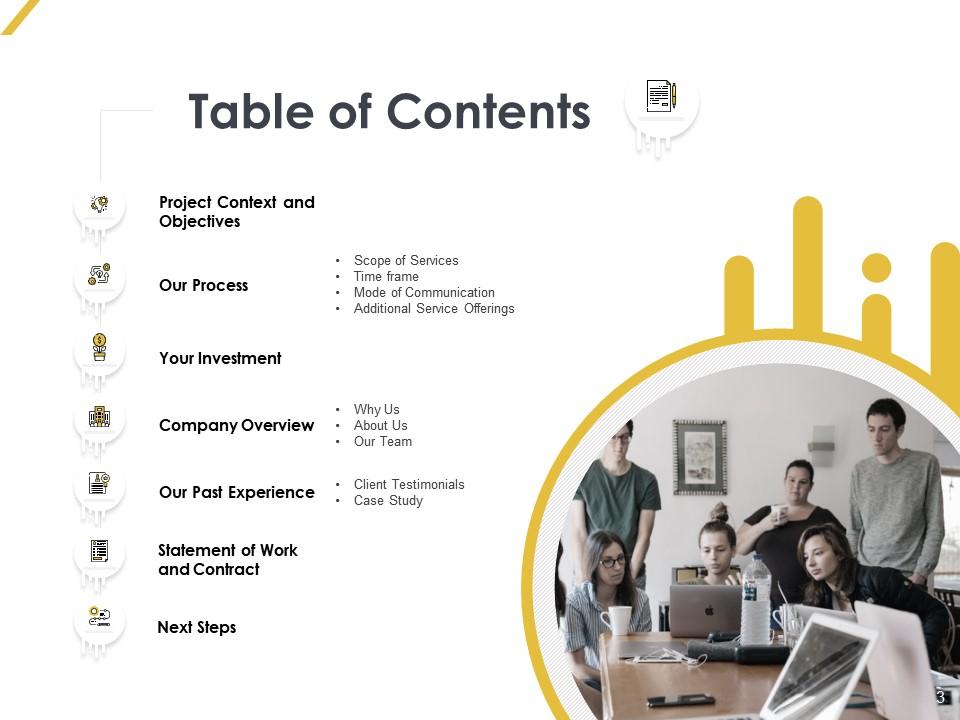
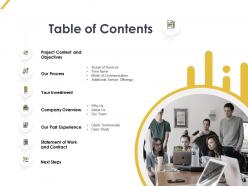
Slide 3: This slide displays Table of Contents
Slide 4: This slide depicts Project Context and Objectives.
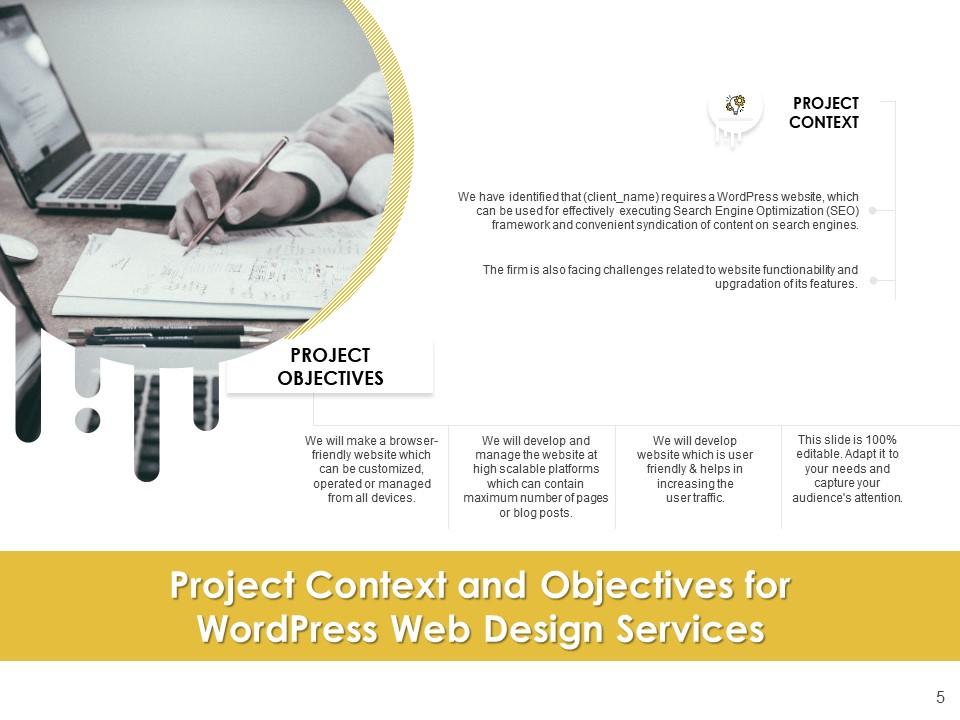
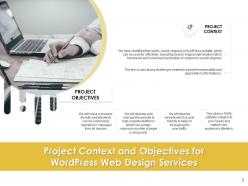
Slide 5: This slide showcases Project Context and Objectives for WordPress Website Design Services.
Slide 6: This slide displays Table of Contents with- Our Process, Scope of Services, Time frame, Mode of Communication, Additional Service Offerings.
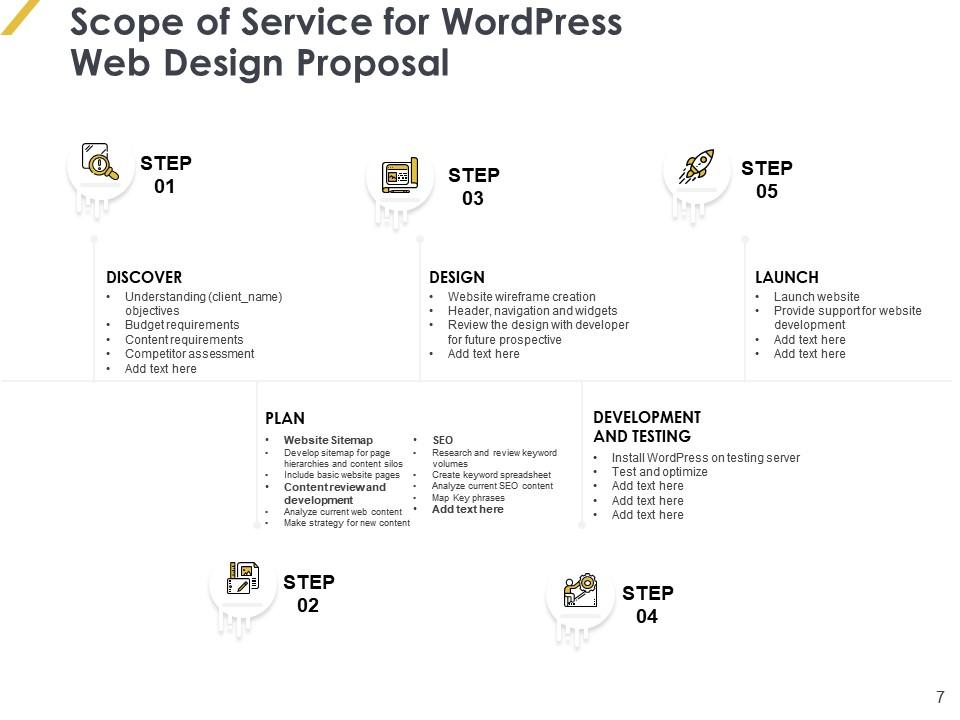
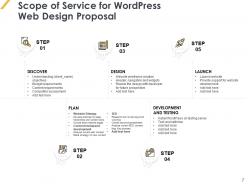
Slide 7: This slide displays Scope of Service for WordPress Website Design.
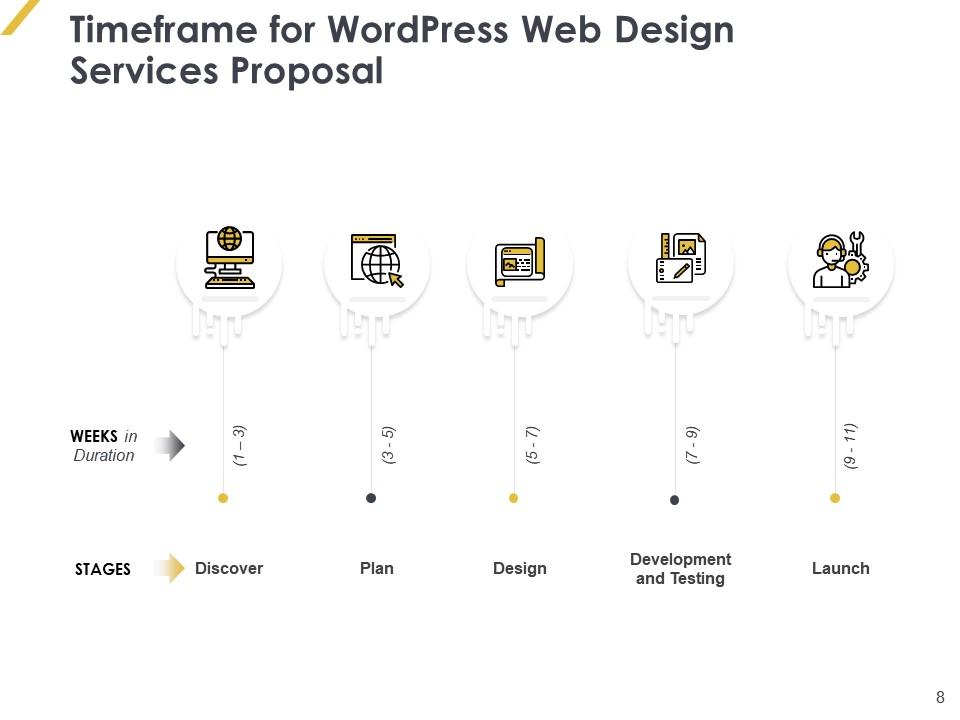
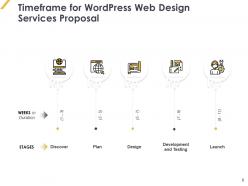
Slide 8: This slide depicts Timeframe for WordPress Website Design Services.
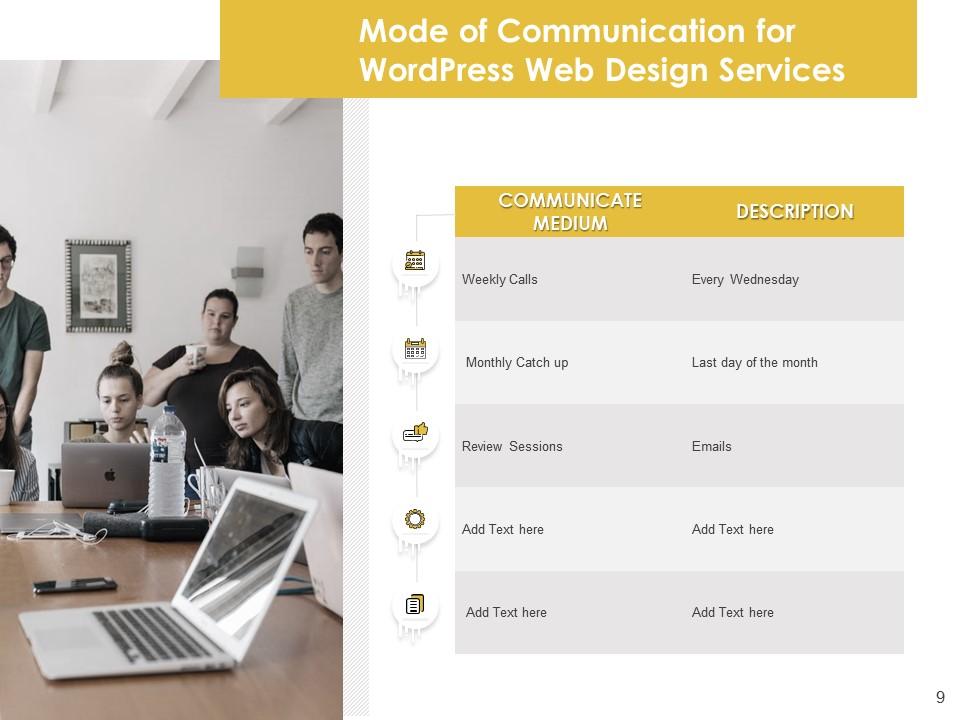
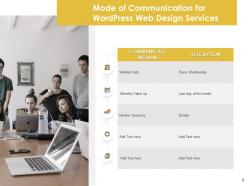
Slide 9: This slide depicts Mode of Communication for WordPress Website Design Services.
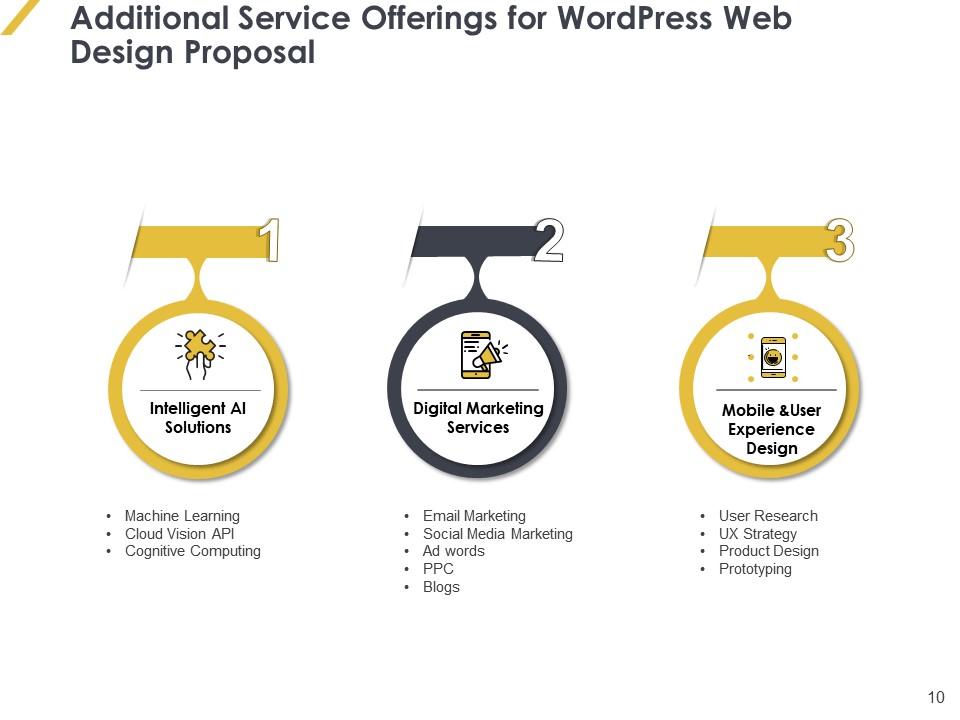
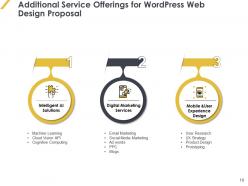
Slide 10: This slide displays Additional Service Offerings for WordPress Website Design and Development.
Slide 11: This slide displays Table of Contents with- Your Investment
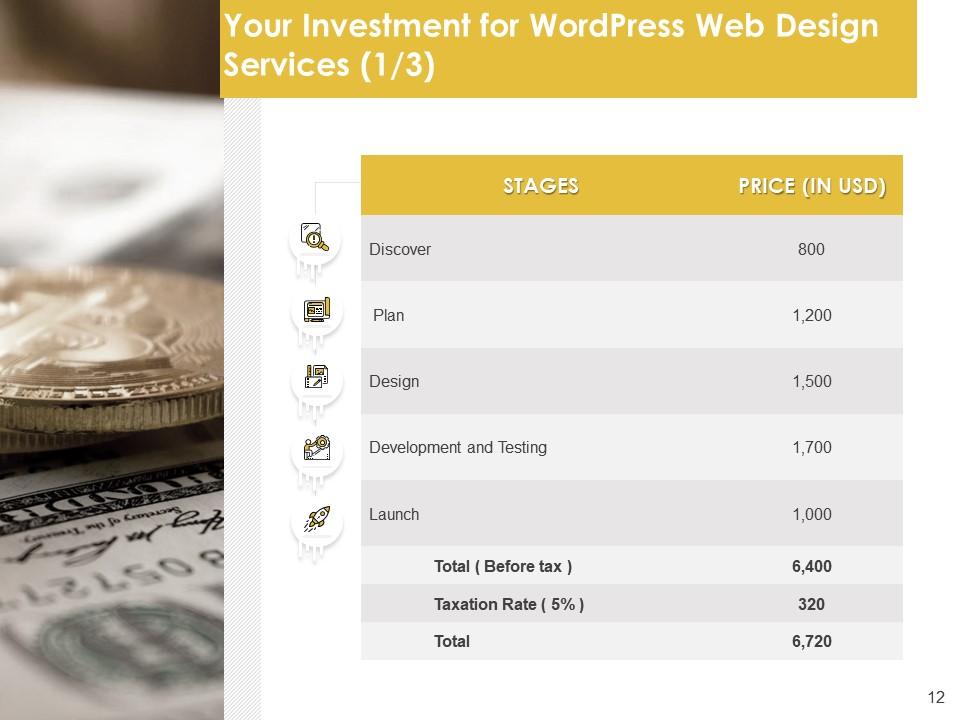
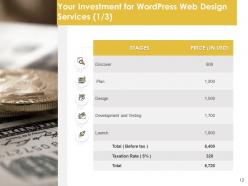
Slide 12: This slide depicts Your Investment for WordPress Website Design and Development Services.
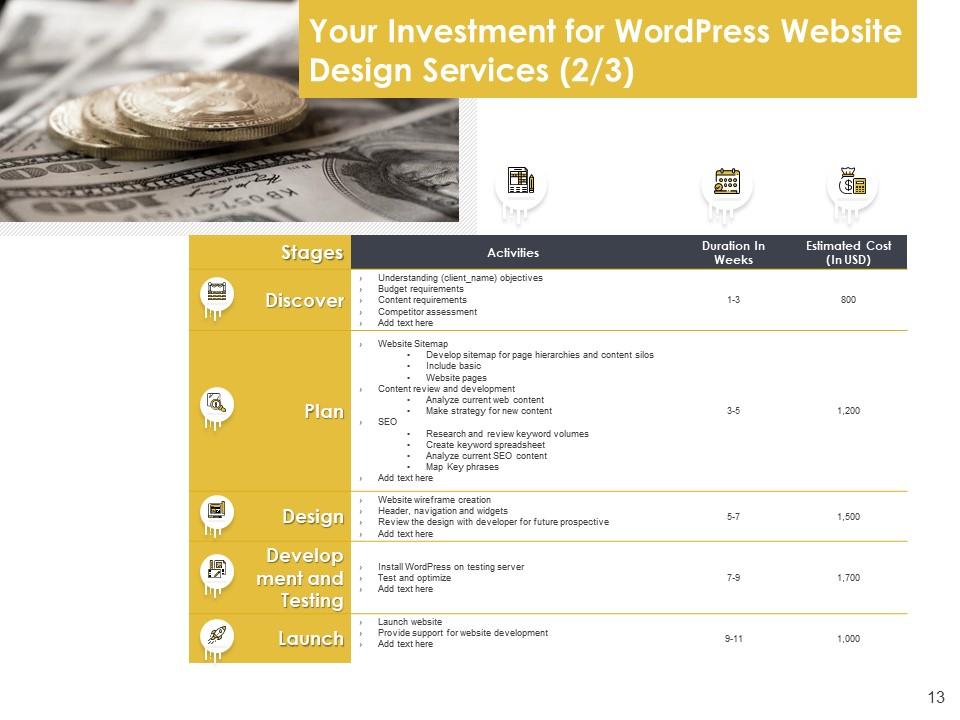
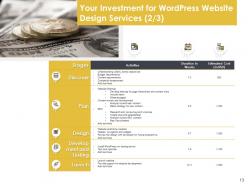
Slide 13: This slide shows Your Investment for WordPress Website Design and Development Services.
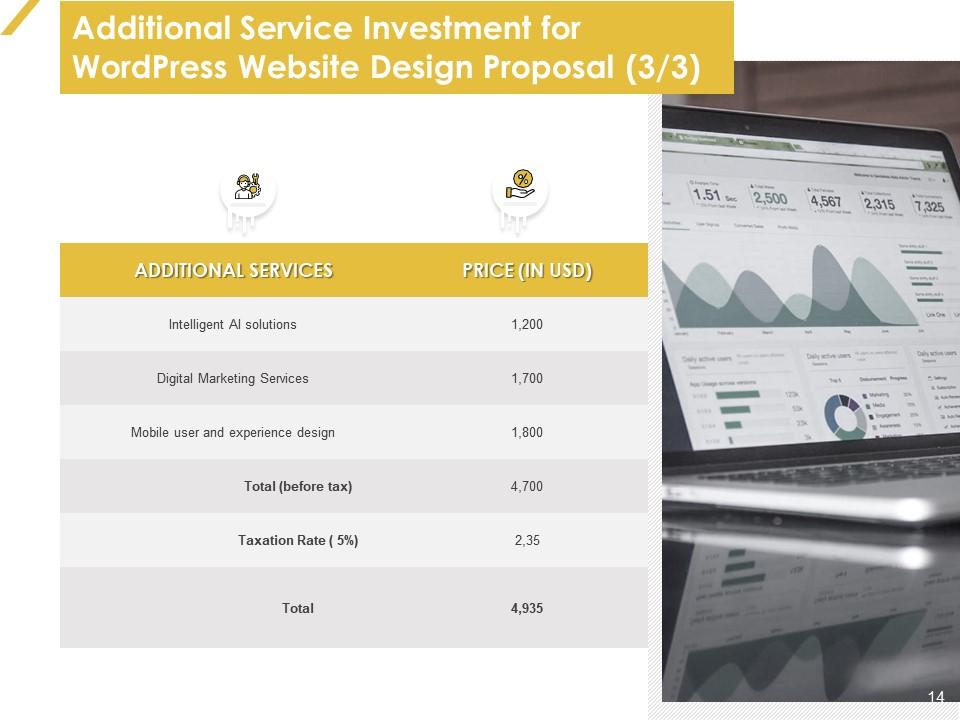
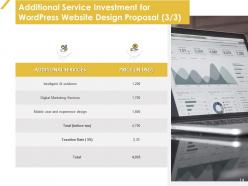
Slide 14: This slide displays Additional Service Investment for WordPress Website Design Services.
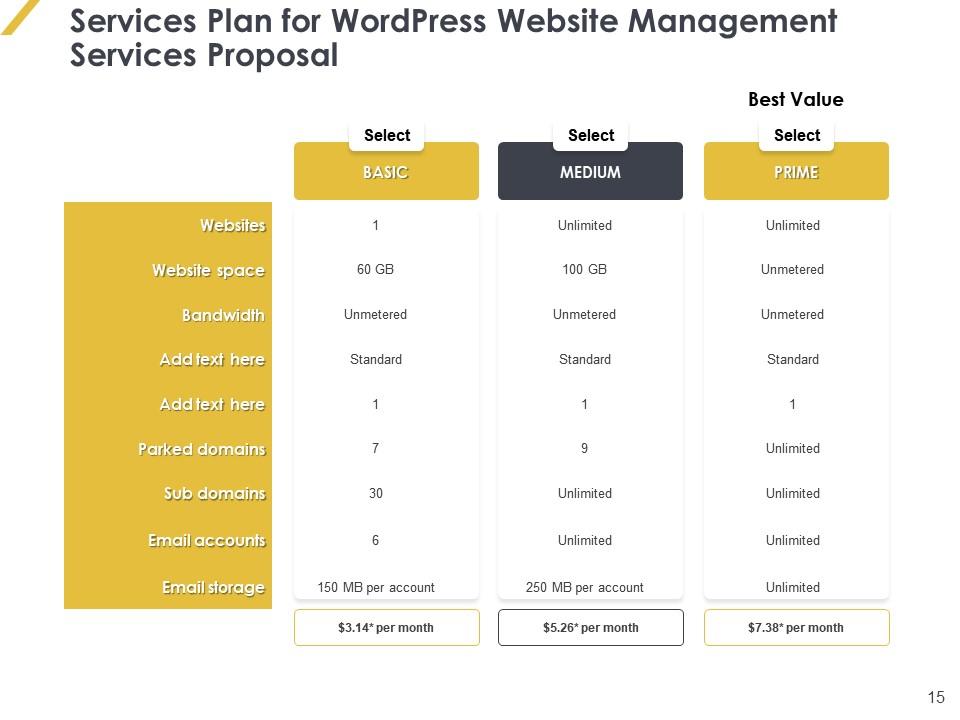
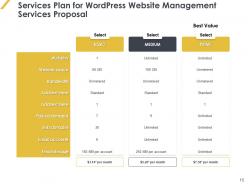
Slide 15: This slide depicts Services Plan for WordPress Website Design services.
Slide 16: This slide displays Table of Contents containing- Company Overview, Why Us, About Us, Our Team.
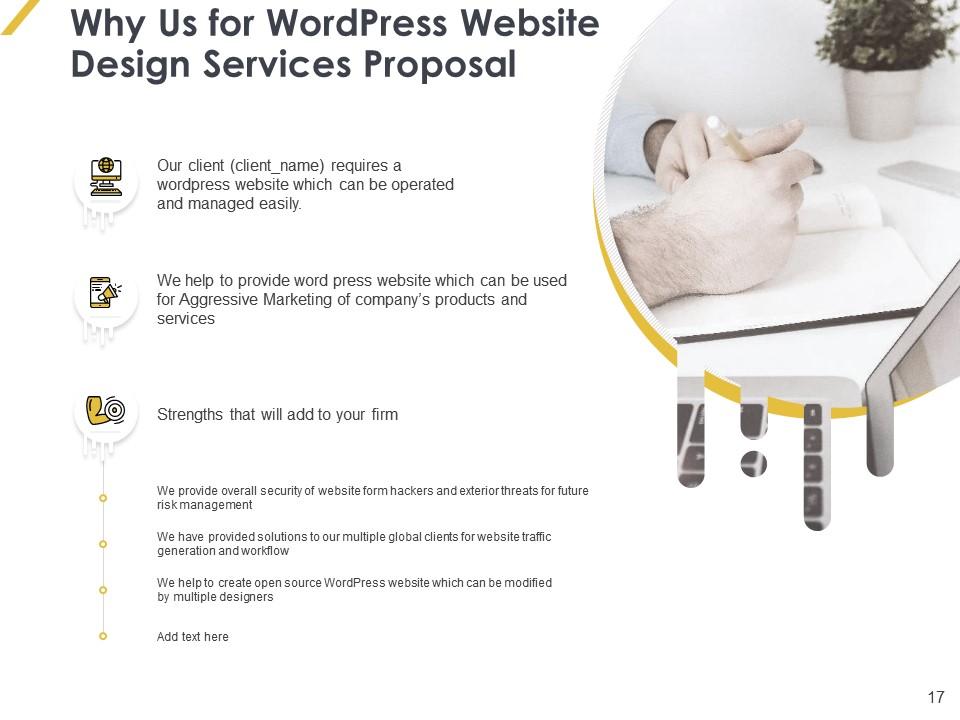
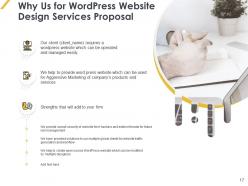
Slide 17: This slide describes reasons for choosing Our Company for WordPress Website Design Services.
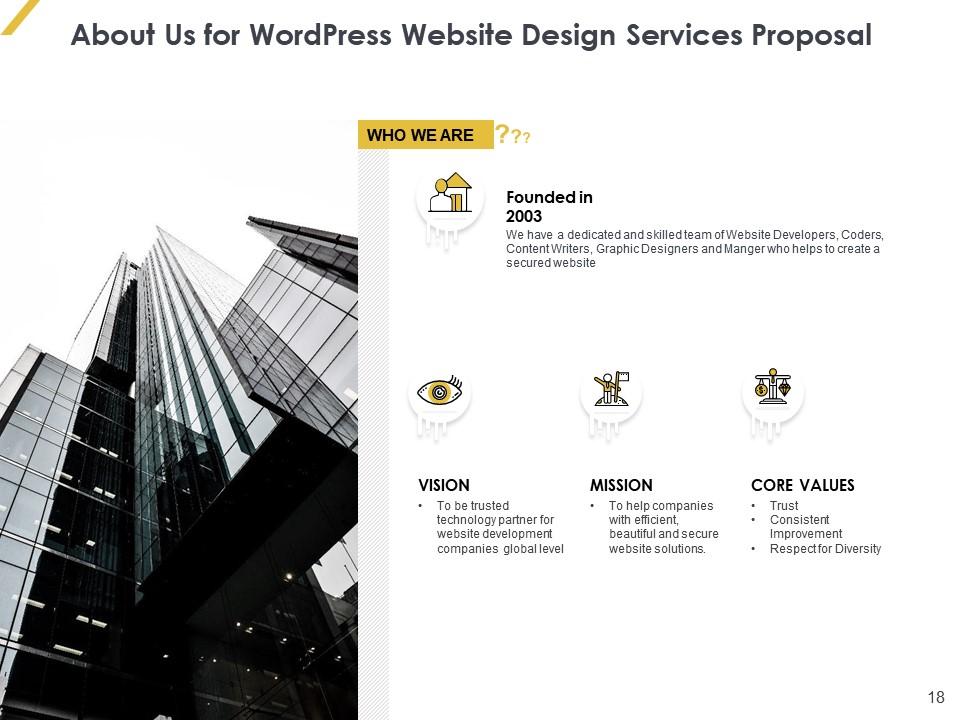
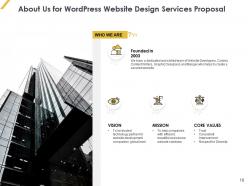
Slide 18: This is About Us slide to showcase Company specifications.
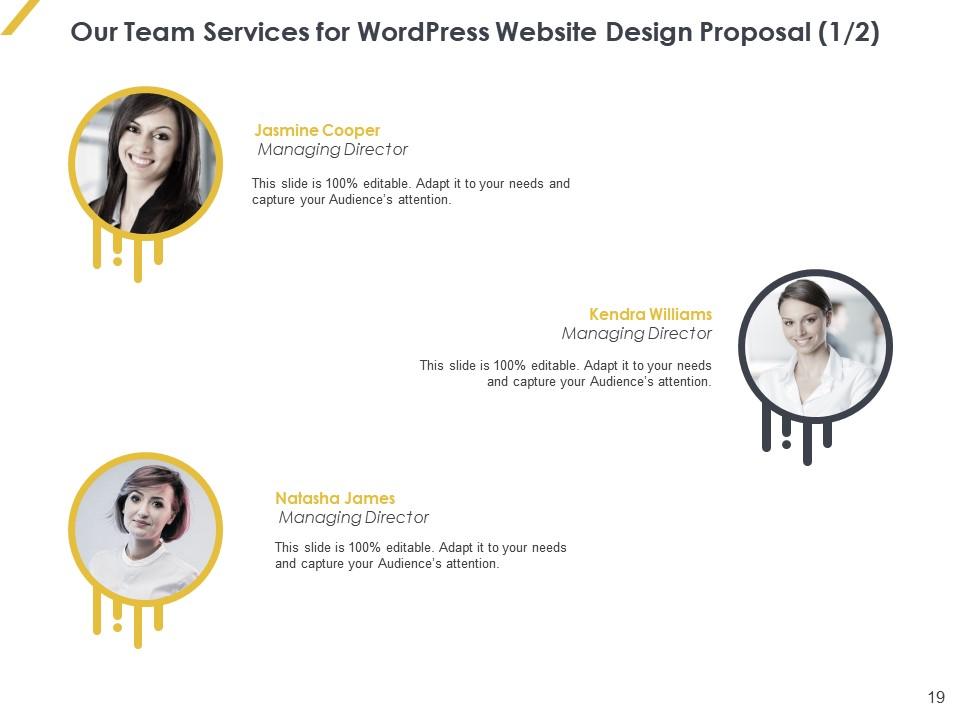
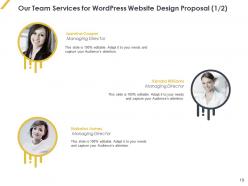
Slide 19: This is Our Team slide with Names and Designations.
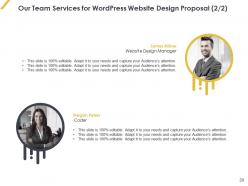
Slide 20: This is Our Team slide with Names and Designations.
Slide 21: This slide displays Table of Contents with- Our Past Experience, Client Testimonials, Case Study.
Slide 22: This slide displays Client Testimonials for WordPress Website Design.
Slide 23: This slide showcases Client Testimonials for WordPress Website Design.
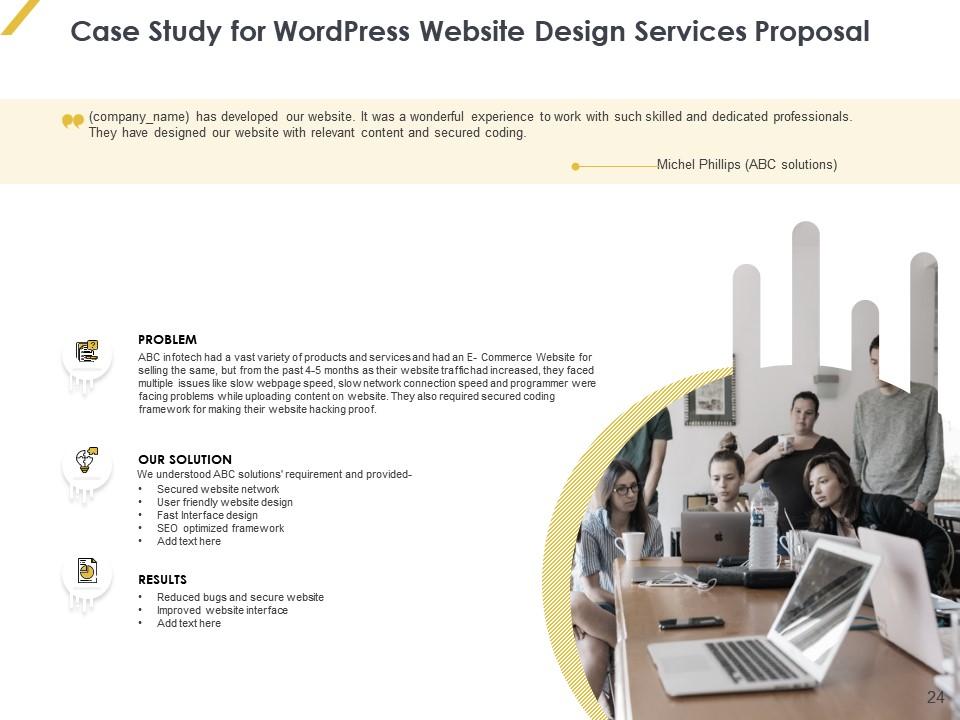
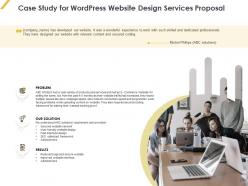
Slide 24: This slide shows Case Study for WordPress Website Design Services.
Slide 25: This slide displays Table of Contents with- Statement of Work and Contract
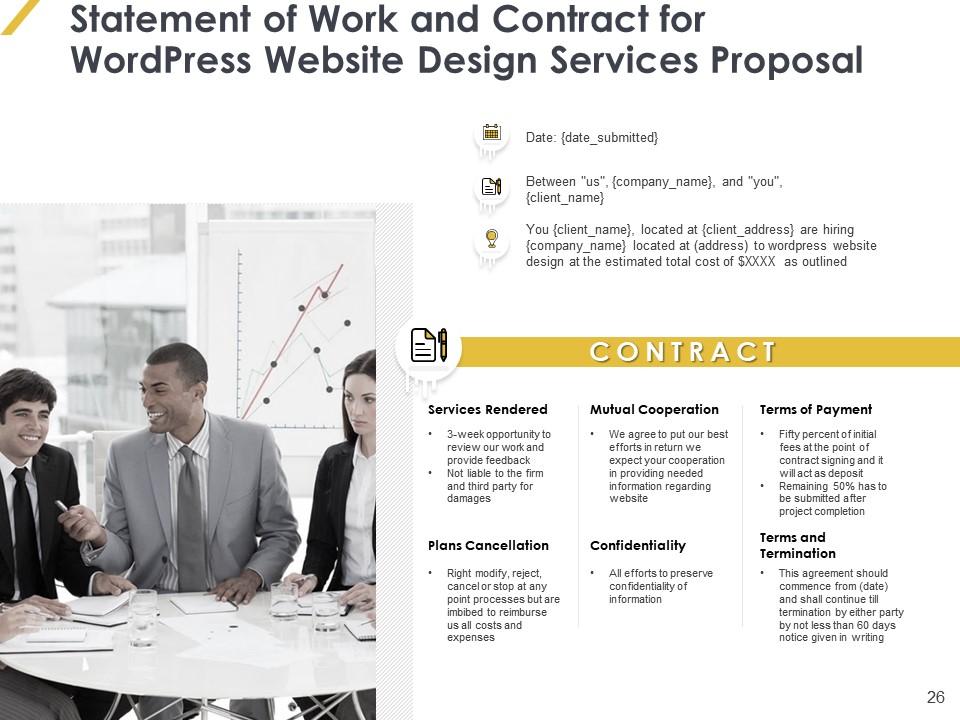
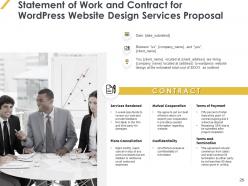
Slide 26: This slide explains Statement of Work and Contract.
Slide 27: This slide displays Table of Contents with- Next Steps.
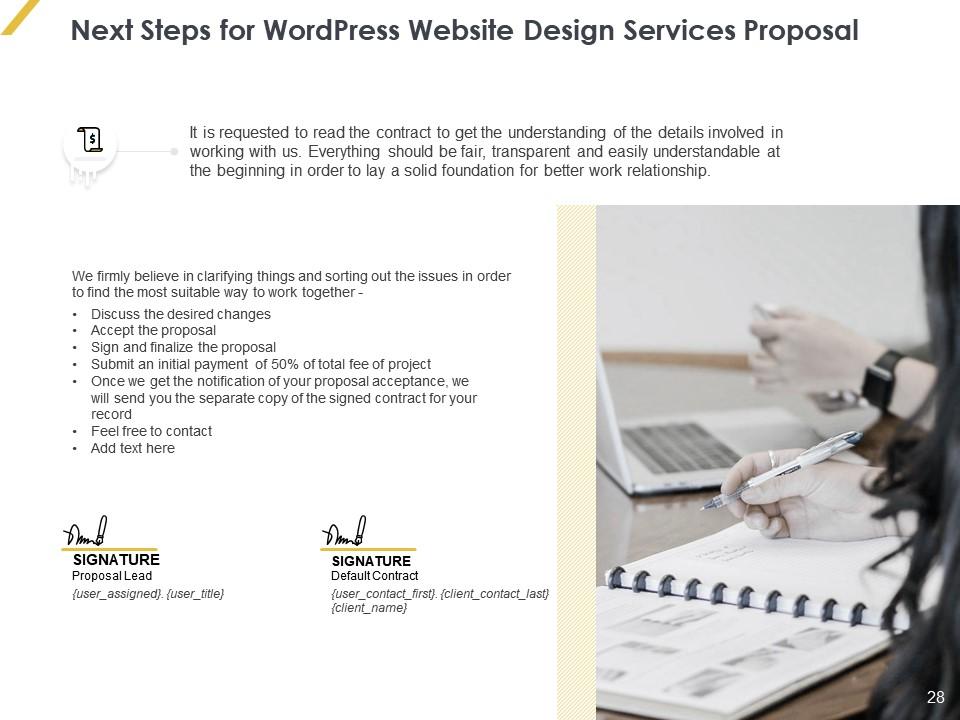
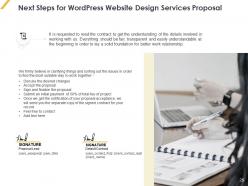
Slide 28: This slide shows Next Steps for WordPress Website Design Services.
Slide 29: This is Contact Us slide with Company address, Contact numbers, Email address.
Slide 30: This is Icons Slide for Wordpress Website Design Proposal.
Slide 31: This slide is titled as Additional Slides for moving forward.
Slide 32: This is about us slide for Wordpress Website Design Proposal.
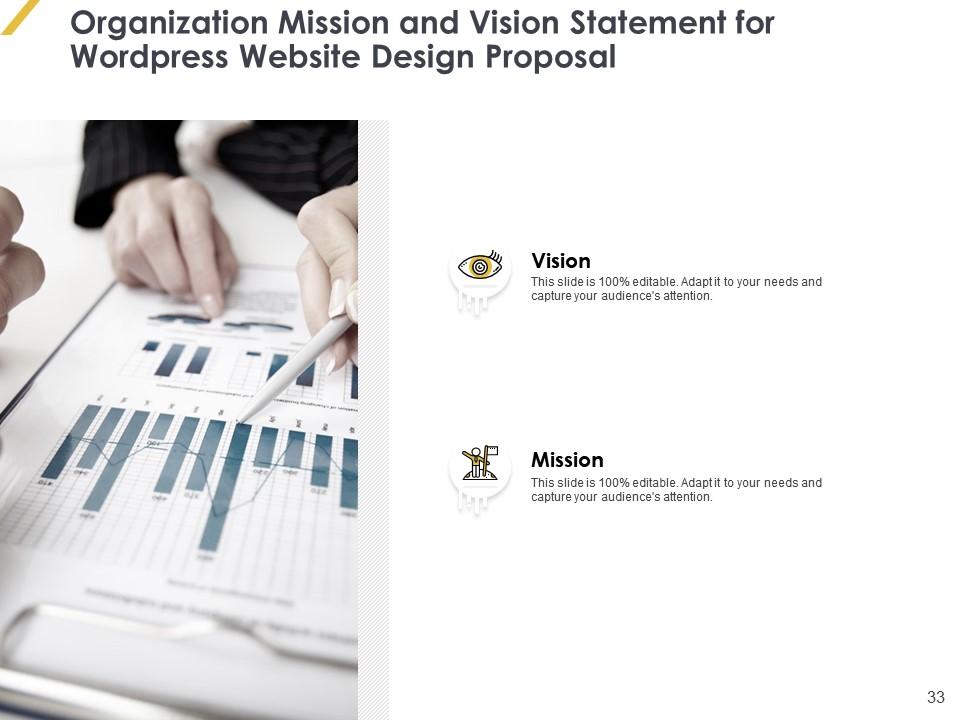
Slide 33: This slide displays Organization Mission and Vision Statement.
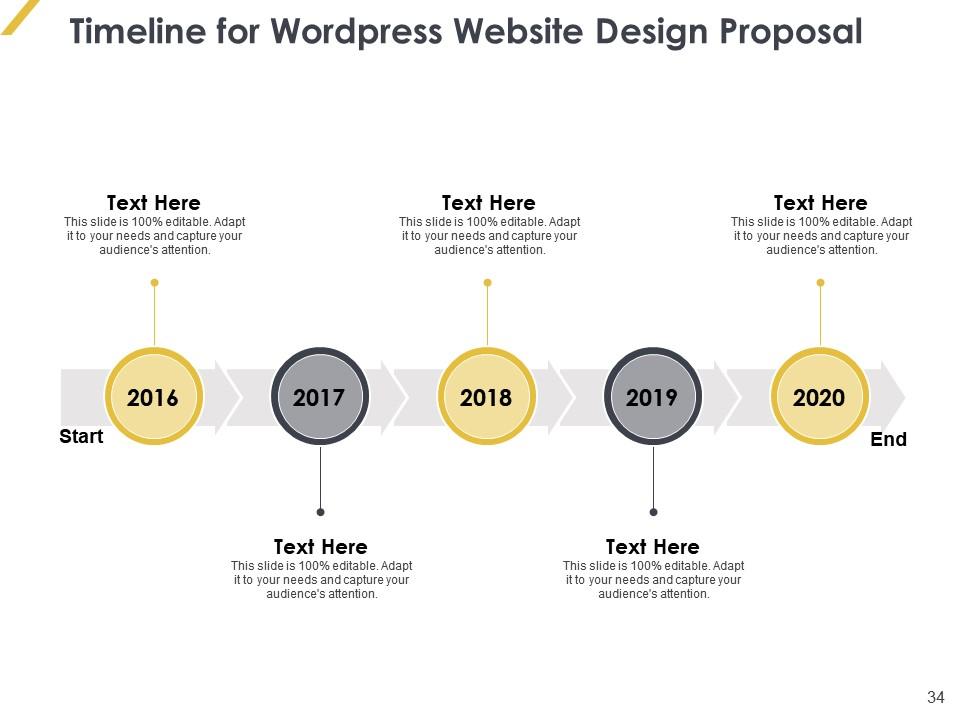
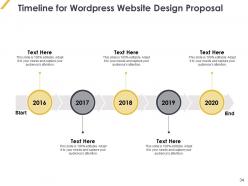
Slide 34: This slide shows Timeline for Wordpress Website Design Proposal.
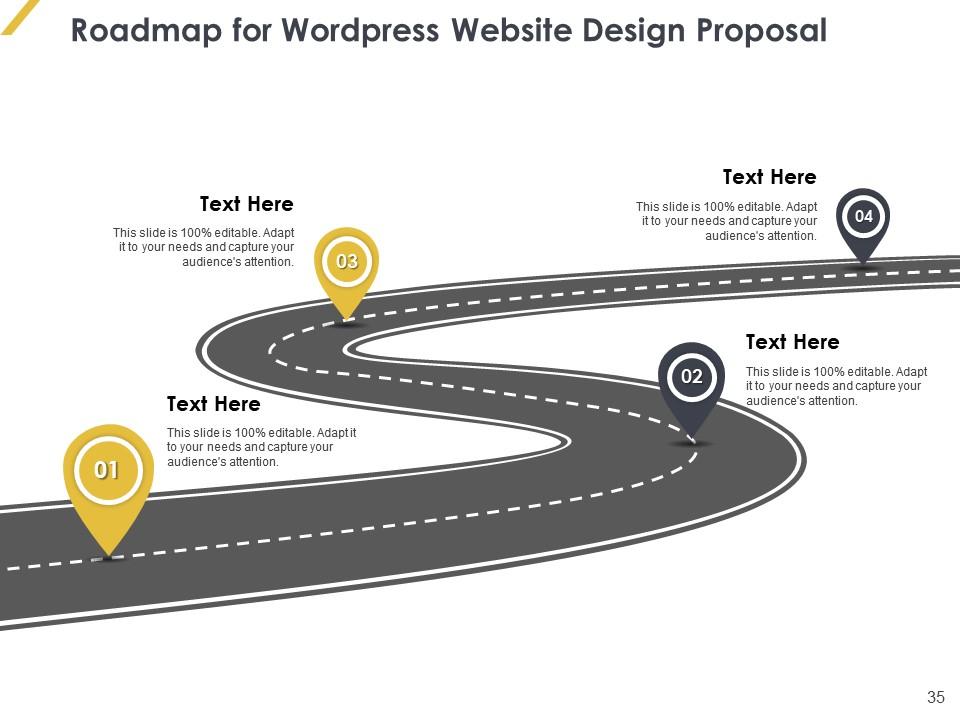
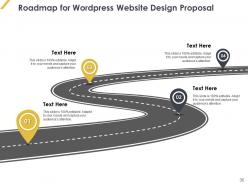
Slide 35: This slide depicts Roadmap process.
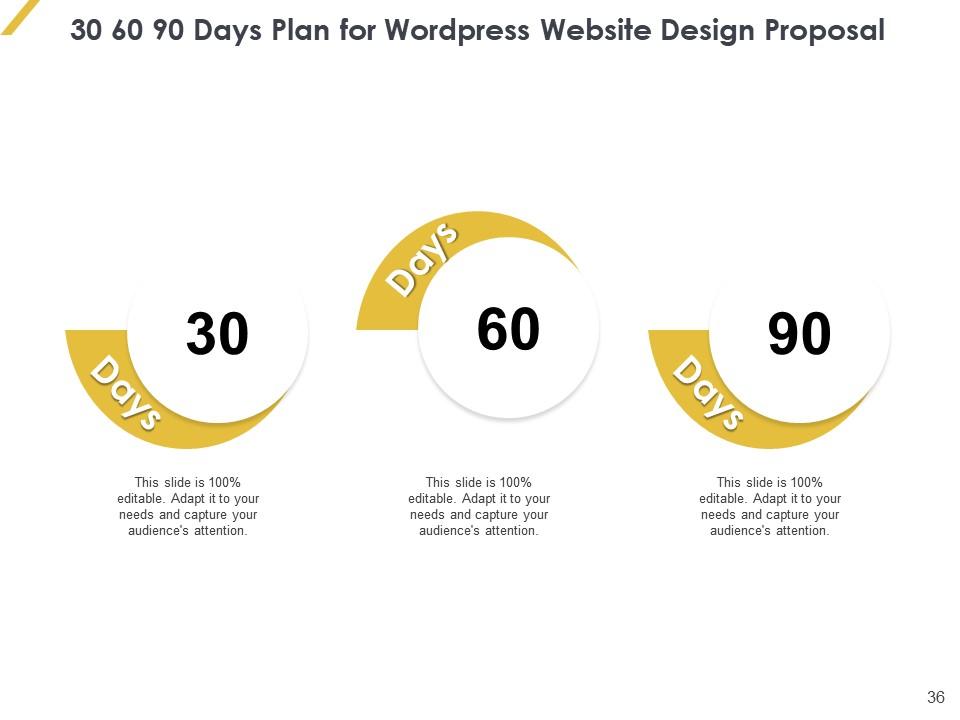
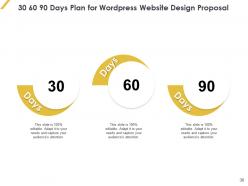
Slide 36: This slide displays 30 60 90 Days Plan.
Wordpress web design proposal powerpoint presentation slides with all 36 slides:
Use our Wordpress Web Design Proposal Powerpoint Presentation Slides to effectively help you save your valuable time. They are readymade to fit into any presentation structure.
-
Very well designed and informative templates.
