

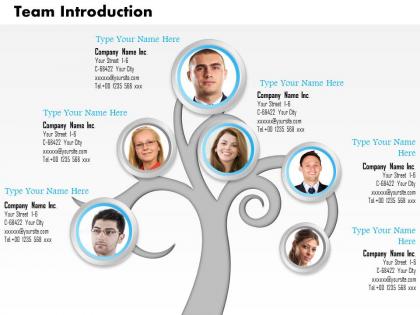
0514 tree structure for team introduction




Try Before you Buy Download Free Sample Product
 Impress Your
 Audience
 100%
100% Editable
 Save Hours
 of Time


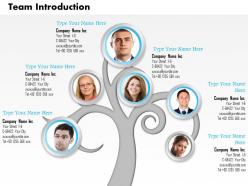
Present your business group in the ideal way with our tree structure for team introduction PowerPoint template slides. The team introduction PPT template highlights the idea of corporate administration group among the shareholders, business accomplices, colleagues or even customers. This Business Diagram template is designed with tree structure for introduction of any business team. Use this graphic diagram for team introduction presentation. To keep up great business organize you need to show the subtle elements identified with the important representatives. Our planning group has made this innovative PPT format with awesome assurance for your utilization. Valuing the administrations of the representatives and making them feel that they are a significant piece of the organization is critical to guarantee the better business prepare. This introduction format empowers you to present your group in the nearby and worldwide market. Worker engagement is additionally imperative of business process and that you can without much of a stretch highlight with this PowerPoint outline. Download this 0514 tree structure for team introduction with just a click and ease your presentation work. Clientele grows with our 0514 Tree Structure For Team Introduction. Give a big boost to your customer base.
People who downloaded this PowerPoint presentation also viewed the following :
0514 tree structure for team introduction with all 3 slides:
Disclose your plans on our 0514 Tree Structure For Team Introduction. Ensure they understand every aspect.
FAQs for 0514 tree structure
Honestly, it comes down to three main things. First, make sure everyone knows exactly what they're responsible for - sounds basic but I've seen so many teams where this gets messy. Communication is huge too. Set up regular check-ins so people actually talk to each other instead of working in silos. Then figure out your decision-making process upfront. Who calls the shots? Is it consensus or does leadership decide? I'd start by literally mapping out who does what on your team. You'll probably find weird gaps or people stepping on each other's toes.
Oh man, team structure totally changes everything about how people actually talk to each other at work. Flat structures? Way faster communication since you're not playing telephone through five different managers. Hierarchical ones can be such a pain - I swear I've spent half my career waiting for someone's boss's boss to approve stuff. Though I'll give them this: at least you know who makes the calls. Cross-functional teams are where the magic happens though. Different backgrounds bouncing ideas off each other? That's how you get the good stuff. Really depends what you're after - quick moves mean go flat, but if you need someone to blame when things go sideways, hierarchy's your friend.
Honestly, flat structures are pretty great for faster decisions - you don't have to wait for approval from like 6 different managers. Your team gets way more ownership too, which people love. Communication actually works since you're not playing that annoying telephone game through endless layers. The tricky part? Things can get messy without clear roles defined. But most teams I've seen do way better with the extra freedom and engagement. Oh, and collaboration goes through the roof when people feel they can actually speak up directly. If you're gonna try it, maybe start by cutting some of those ridiculous approval processes first.
Look for T-shaped people - they're deep in one thing but can work across different areas. Map out what skills your team has right now, then figure out where the gaps are. Your core technical roles definitely need specialists, but cross-training helps a ton. I've rotated people through projects before and it's honestly one of the better ways to build that flexibility. Pair your specialists with more generalist types too. The trick is balancing deep expertise (so quality doesn't tank) with enough broad knowledge that you're not screwed when priorities change. Which they always do, obviously.
Honestly, remote work flips everything upside down. Hierarchies get way flatter since people just message whoever they need directly - no more corner office politics. Meetings actually have agendas now (finally!), but you miss those random coffee conversations where the good ideas happen. Everyone becomes more specialized because you can't just lean over and ask for help. Building trust is harder when you're not seeing faces every day. Oh, and you absolutely have to nail down how your team communicates from day one. Regular check-ins become crucial or people just... disappear into their home offices.
You're basically building the whole thing from scratch, right? Map out who's doing what first - that's huge. Set clear expectations so nobody's confused about their role. When things change (and trust me, they will), you've gotta adapt the structure. Your communication style? It totally shapes how everyone talks to each other. Don't just let it happen randomly though - be intentional about checking in. See if what you set up actually works for people. Sometimes the best plan looks great on paper but falls apart in real life.
You know how when everyone thinks the same way, you end up with the same tired solutions? That's why diverse teams are amazing - different backgrounds means people catch things you'd totally miss. Someone from marketing sees problems differently than an engineer, right? They'll challenge your assumptions (which honestly can be annoying but it's so worth it). The trick is actually making people feel safe to speak up. Like, really safe - not just "we value different perspectives" lip service. Short sentences work. But you also need longer ones that let ideas breathe and connect naturally. Otherwise people just stay quiet and you lose all that good stuff.
Honestly, the worst part is when departments can't agree on priorities and timelines. Communication breaks down fast - like, marketing wants something yesterday while IT needs three weeks. Nobody knows who's actually making the final call, so decisions just... don't happen. Oh, and everyone speaks their own weird work language which makes everything take forever. Here's what actually works though: pick one person to be the main contact point, nail down who does what from day one, and schedule regular check-ins so people can't just ghost the project.
So basically Agile tosses out the whole "wait for your boss's boss to approve everything" thing. Teams become way more mixed up - like developers working directly with designers instead of staying in their own little silos. Everyone makes decisions together, which honestly feels weird at first but you get used to it. Daily check-ins and sprint reviews keep everything moving fast. People focus more on what the team accomplishes rather than covering their own ass. The whole thing makes you way more flexible when stuff changes (and it always does). I'd start by figuring out who should actually be working together day-to-day, then just get everyone talking regularly.
Track your delivery speed and quality first - that's the obvious stuff. But honestly? Team satisfaction matters just as much, maybe more. Send out monthly surveys asking how people feel about collaboration and workload. Watch your turnover rates too. Communication bottlenecks will kill you faster than missed deadlines, so keep an eye out for silos forming between teams. I do a quick pulse check each month - half project metrics, half "how's everyone doing" vibes. Sounds cheesy but it actually works. You need both sides of the picture.
So your company culture basically decides what team structure will actually work. Collaborative, high-trust places? You can do flat teams and cross-functional stuff no problem. More traditional or risk-averse companies need clear reporting lines and specialized roles - just how it is. I've watched companies crash and burn trying to force "innovative" structures onto old-school cultures. It's awkward as hell, like showing up in flip-flops to a wedding. Design your teams to work with your culture, not against it. Otherwise you're just creating a mess where nobody knows what they're supposed to be doing.
Cross-training is huge - get people comfortable switching between roles so you're not screwed when someone's out. Project pods work way better than those rigid department setups too. You can actually move fast and put the right people together for whatever comes up. Oh, and communication has to flow everywhere, not just up the chain. Bureaucracy will absolutely murder your flexibility before you know it. Maybe start small though? Pick a few roles that make sense to cross-train this quarter and see how it goes.
So basically you start with everyone doing everything - super flat, probably reporting straight to the founders. Pretty chaotic but it works when you're tiny. Then boom, suddenly you need actual departments with real managers because nobody can keep track of who's supposed to do what anymore. Engineering gets their own thing, marketing splits off, sales becomes its own beast. Later you might get fancy with those cross-functional teams where people have like two bosses (which honestly sounds like a nightmare to me). The trick is planning these changes instead of just winging it when everything's already falling apart.
Honestly, the way you set up your team makes a huge difference in how people actually feel about work. Flat structures? People love them - they get to make decisions and feel like their voice matters. Hierarchies can be soul-crushing if folks feel trapped with no say in anything. Cross-functional teams are pretty cool for keeping things fresh, but don't go overboard with the matrix stuff. Nobody wants to report to half the company! You want that sweet spot where people have autonomy but still know what's going on. Just ask your team what's bugging them - they'll tell you.
Honestly, the best tech just gets out of your way so you can actually work together. We use Slack for quick updates - way better than drowning in emails. Tools like Asana are clutch for tracking who's supposed to be doing what (because let's be real, someone always forgets). Video calls obviously beat typing everything out. Here's the thing though - don't just grab whatever app everyone's talking about. Figure out what's actually driving you crazy first. Is it messy communication? Lost deadlines? Then find something specific to fix that problem. You'll save yourself from app overload.
-
Good research work and creative work done on every template.
-
Excellent Designs.