


0614 prokaryotic cells biology medical images for powerpoint




Try Before you Buy Download Free Sample Product
 Impress Your
 Audience
 100%
100% Editable
 Save Hours
 of Time


Our 0614 Prokaryotic Cells biology Medical Images For PowerPoint allow only the best. They are driven by a culture of excellence.
People who downloaded this PowerPoint presentation also viewed the following :
0614 prokaryotic cells biology medical images for powerpoint with all 10 slides:
Get on the gazette with our 0614 Prokaryotic Cells biology Medical Images For PowerPoint. Boldly announce your arrival to the audience.

FAQs for 0614 prokaryotic cells biology medical
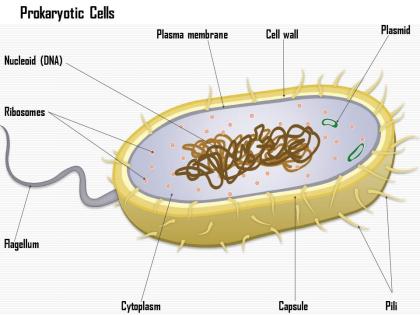
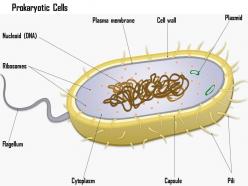
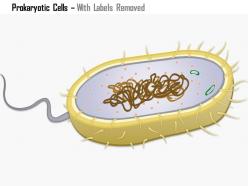
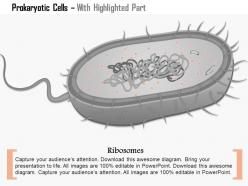
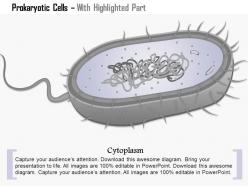
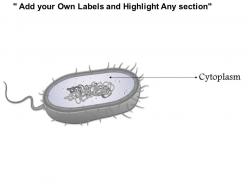
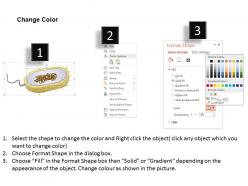
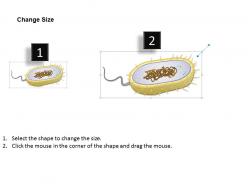
Prokaryotic cells lack membrane-bound organelles and a nucleus, with genetic material freely floating in the cytoplasm, while featuring a rigid cell wall, ribosomes, and often flagella for movement. These streamlined cellular structures enable prokaryotes like bacteria to reproduce rapidly, adapt efficiently to diverse environments, and perform essential functions in biotechnology, pharmaceuticals, and environmental remediation processes.
Prokaryotic cells reproduce primarily through binary fission, a process where the cell duplicates its genetic material and divides into two identical daughter cells, enabling rapid population growth and genetic consistency. This mechanism allows prokaryotes like bacteria to double populations every 20-30 minutes under optimal conditions, making them invaluable in biotechnology applications, pharmaceutical production, and research environments where fast, reliable cellular multiplication delivers significant operational advantages.
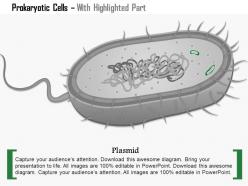
Plasmids are small, circular DNA molecules that exist independently of chromosomal DNA in prokaryotic cells, carrying genes for antibiotic resistance, metabolic functions, and virulence factors. In biotechnology, these versatile genetic tools enable scientists to engineer bacteria for pharmaceutical production, gene therapy applications, and industrial processes, with companies increasingly leveraging plasmid-based systems to streamline drug development and enhance manufacturing efficiency.
Prokaryotic cell walls vary significantly between Gram-positive and Gram-negative bacteria, with Gram-positive cells containing thick peptidoglycan layers and Gram-negative cells featuring thin peptidoglycan surrounded by outer membranes. These structural differences enable distinct antibiotic resistance patterns, metabolic pathways, and environmental adaptations, with many biotechnology applications leveraging these variations for targeted treatments and industrial processes.
Prokaryotic cells utilize aerobic respiration, anaerobic respiration, fermentation, photosynthesis, and chemosynthesis as their main metabolic pathways, enabling remarkable environmental adaptability. These diverse metabolic strategies allow prokaryotes to thrive in extreme conditions from deep ocean vents to acidic environments, with many organisms switching between pathways based on resource availability, ultimately delivering competitive advantages in colonizing virtually every ecological niche.
Prokaryotic cells achieve genetic diversity through horizontal gene transfer mechanisms including transformation, conjugation, and transduction, along with mutations and transposable elements. These processes enable bacteria to rapidly acquire new traits like antibiotic resistance or metabolic capabilities, with many bacterial populations demonstrating remarkable adaptability that enhances survival advantages across diverse environmental conditions.
Prokaryotic cells communicate through quorum sensing, direct contact, horizontal gene transfer, chemical signaling molecules, and biofilm formation. Through quorum sensing, bacterial communities coordinate behaviors like virulence, antibiotic resistance, and metabolic processes by detecting population density, enabling hospitals and pharmaceutical companies to develop targeted therapies that disrupt pathogenic coordination, ultimately enhancing treatment effectiveness.
Extremophiles demonstrate prokaryotic adaptability through specialized cellular mechanisms like heat-shock proteins, modified membrane compositions, and unique metabolic pathways that function in extreme temperatures, pH levels, and salinity conditions. These adaptations enable prokaryotes to thrive in environments from volcanic vents to arctic ice, with industries increasingly leveraging extremophile enzymes for biotechnology applications, pharmaceuticals, and industrial processes, ultimately delivering enhanced operational efficiency and competitive advantages.
Biofilms are structured communities of prokaryotic cells encased in protective polymer matrices that enhance survival, antibiotic resistance, and coordinated metabolic activities. These formations present both challenges and opportunities in healthcare settings, with hospitals and medical device manufacturers finding that while biofilms complicate infection treatment, understanding their mechanisms enables better sterilization protocols and innovative antimicrobial strategies.
Prokaryotic cells drive essential nutrient cycling through nitrogen fixation, decomposition, and biogeochemical processing, with specialized bacteria converting atmospheric nitrogen into ammonia that plants can utilize. These microorganisms enable sustainable agricultural systems, enhance soil fertility in farming operations, and support ecosystem productivity, with many agricultural enterprises finding that understanding prokaryotic contributions streamlines crop management and ultimately delivers improved yields and reduced fertilizer costs.
Common techniques for culturing and identifying prokaryotic organisms include streak plating, selective media preparation, gram staining, biochemical testing, and molecular identification methods like PCR analysis. These laboratory approaches enable researchers and diagnostic facilities to isolate specific bacterial strains, determine antibiotic sensitivities, and characterize microbial properties, with many clinical laboratories finding that combining traditional culturing with modern molecular techniques delivers faster identification and more accurate treatment recommendations.
Prokaryotic cells develop antibiotic resistance through genetic mutations, horizontal gene transfer, enzymatic degradation of antibiotics, and efflux pump mechanisms that expel drugs from cells. This resistance presents significant challenges for healthcare institutions, pharmaceutical companies, and medical researchers, ultimately driving innovation in combination therapies, targeted drug development, and personalized treatment protocols across clinical settings.
Synthetic biology advancements in prokaryotic engineering include CRISPR-based genome editing, metabolic pathway optimization, biosensor integration, and modular genetic circuits for industrial applications. These technologies streamline manufacturing processes by enabling bacteria to produce pharmaceuticals, biofuels, and specialty chemicals more efficiently, with biotechnology companies finding that engineered microorganisms significantly reduce production costs while delivering scalable, sustainable solutions.
CRISPR revolutionizes prokaryotic genetics research by enabling precise gene editing, accelerated strain development, and enhanced metabolic engineering capabilities. Through targeted modifications, researchers streamline antibiotic production, biofuel development, and therapeutic protein synthesis, with biotechnology companies and pharmaceutical organizations finding that CRISPR delivers faster innovation cycles and more cost-effective genetic modifications.
Ethical considerations include informed consent for medical applications, environmental impact assessments, equitable access to biotechnological benefits, safety protocols, and regulatory compliance. These considerations enhance responsible innovation by ensuring transparent research practices, minimizing ecological risks, and promoting fair distribution of therapeutic advances, with many biotechnology companies finding that robust ethical frameworks ultimately deliver stronger public trust and sustainable competitive advantage.
-
Awesome use of colors and designs in product templates.
-
Best way of representation of the topic.