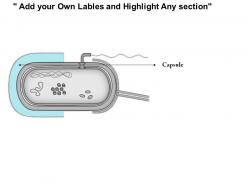
0614 structure of the bacterial cell membrane medical images for powerpoint

Rating:
80%
0614 structure of the bacterial cell membrane medical images for powerpoint
Slide 1 of 11
Favourites Favourites

Try Before you Buy Download Free Sample Product

Audience Impress Your
Audience
Editable 100%
Editable
Time Save Hours
of Time
The Biggest Sale is ending soon in
0
0
:
0
0
:
0
0
Rating:
80%
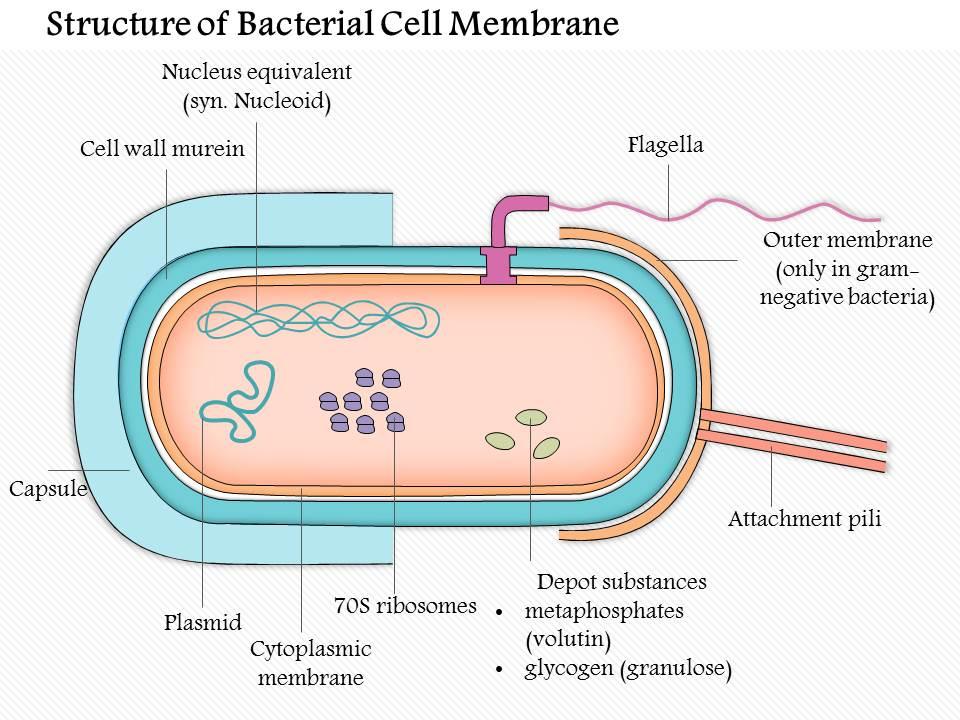
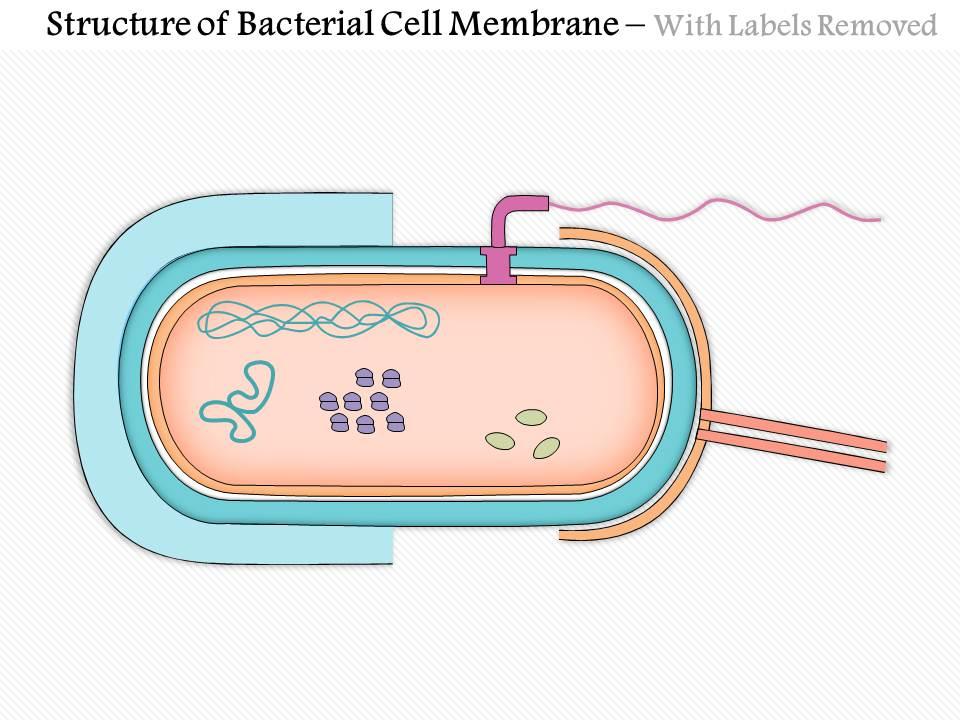
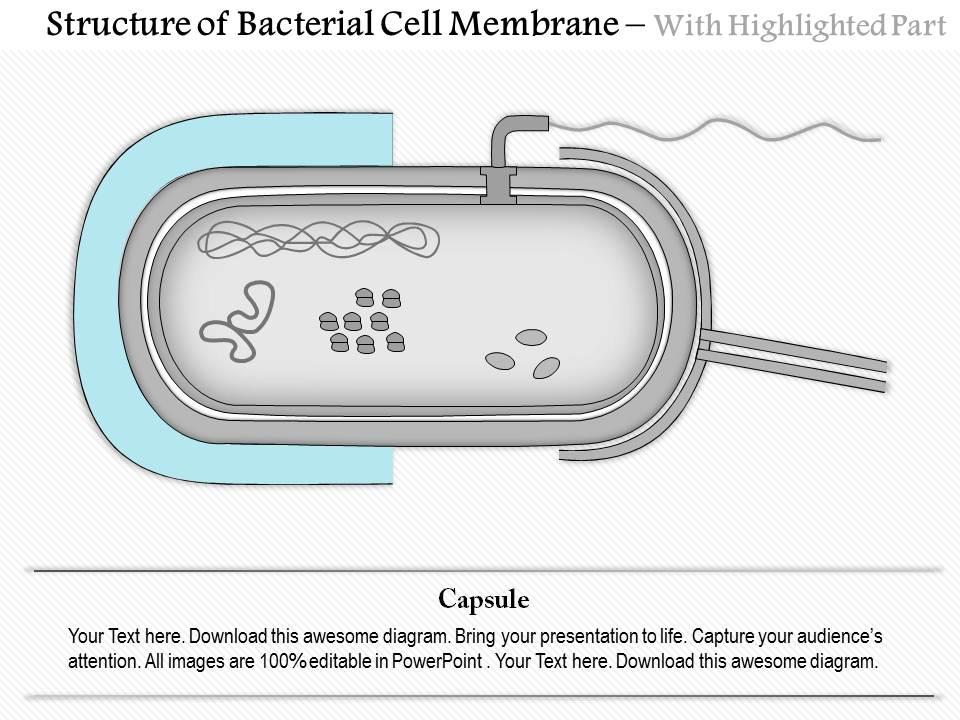
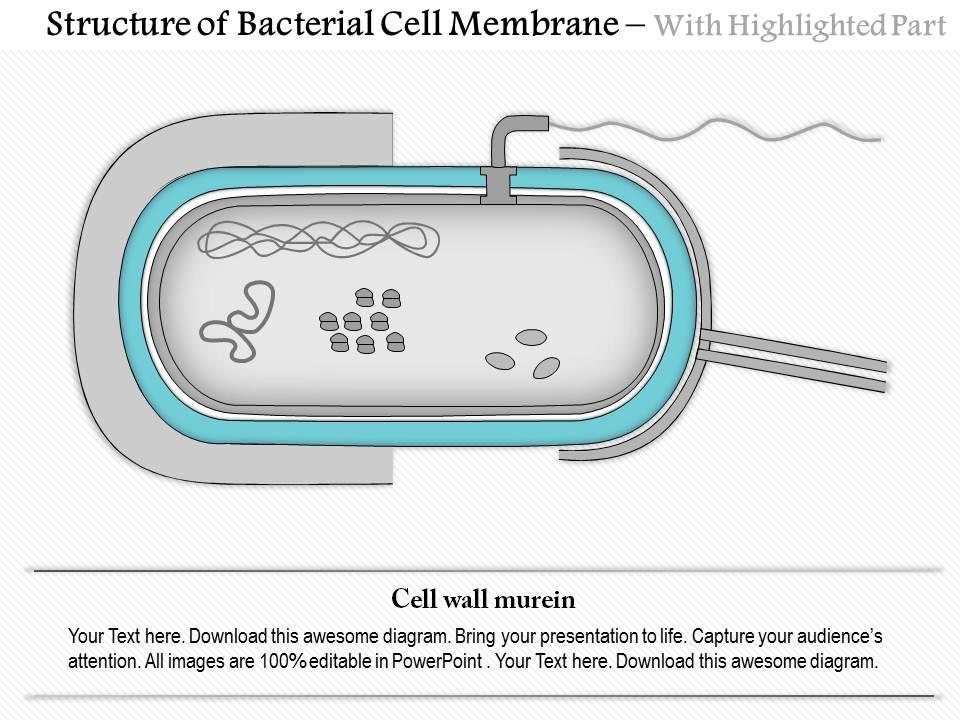
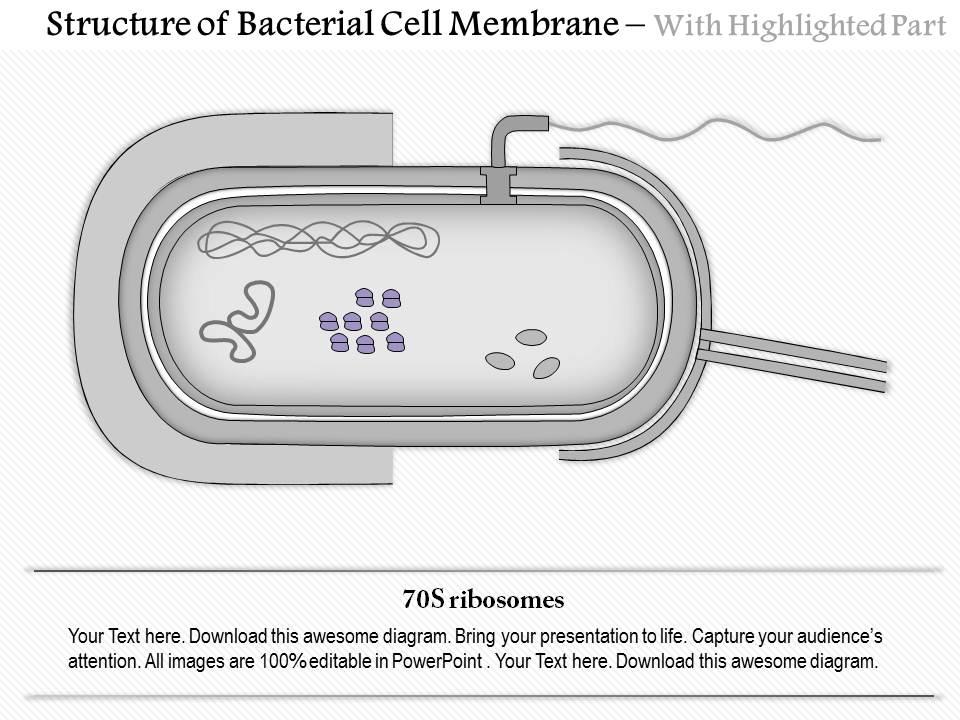
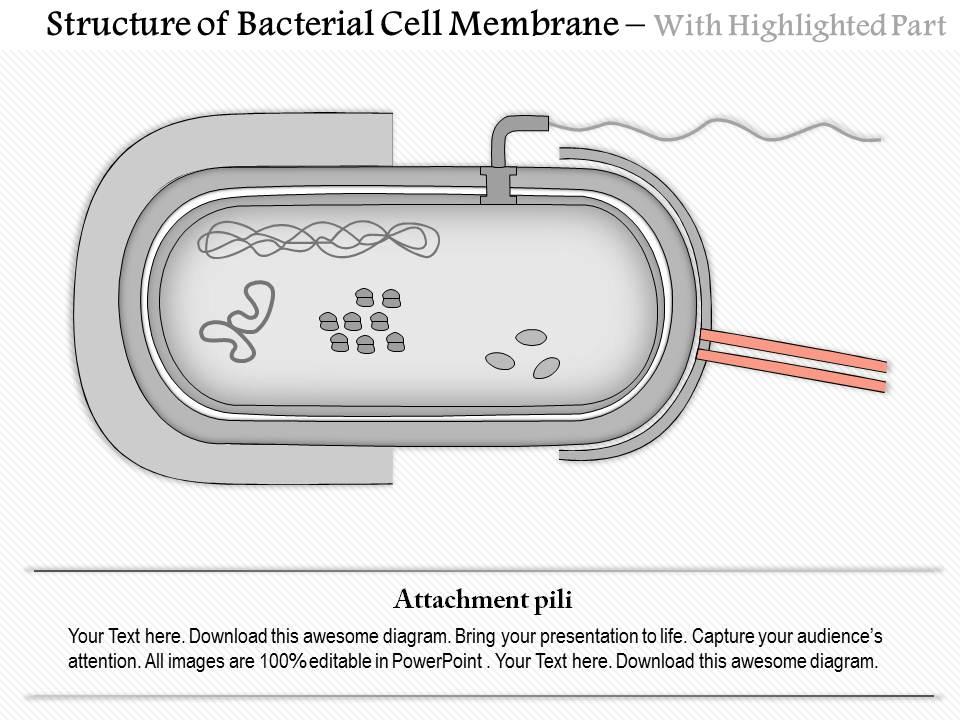
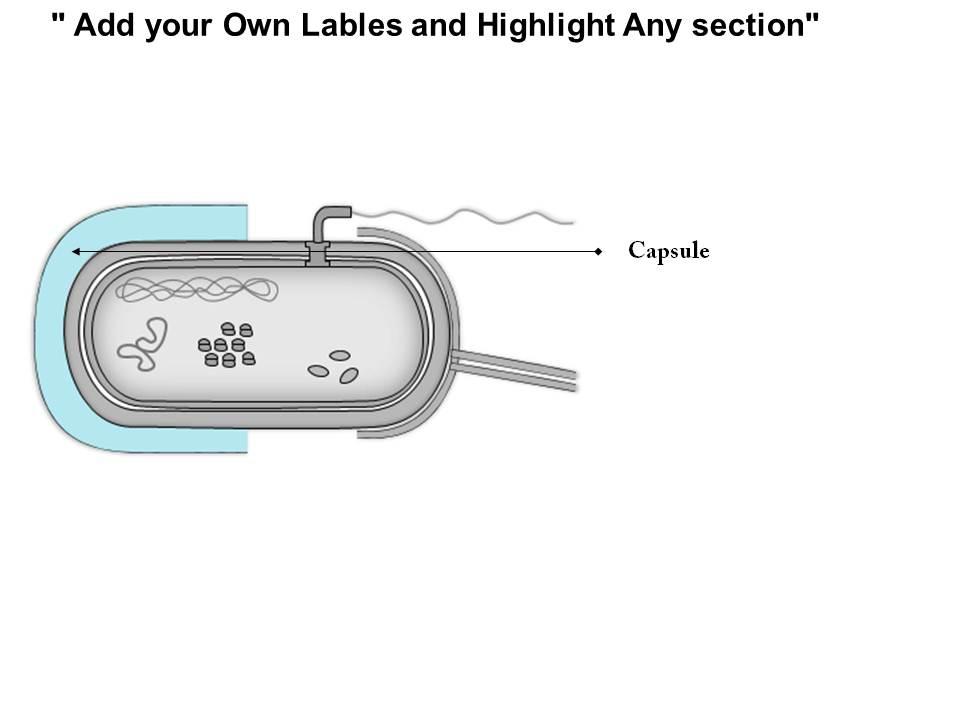
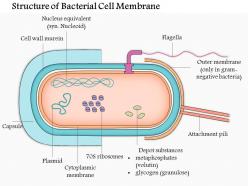
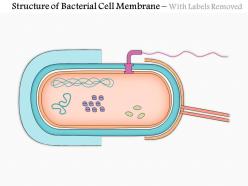
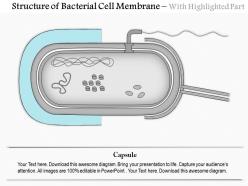
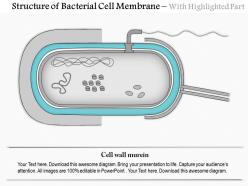
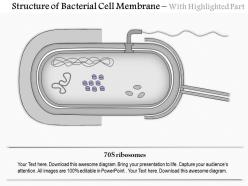
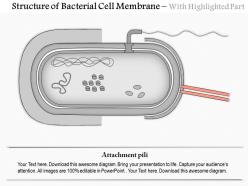
We are proud to present our 0614 structure of the bacterial cell membrane medical images for powerpoint. This unique Medical Power Point template is designed with structure of bacterial cell membrane graphic. Use this template and get good remarks from your seniors during presentation.

People who downloaded this PowerPoint presentation also viewed the following :

FAQs for 0614 structure of the bacterial cell membrane medical

So bacterial membranes are way simpler - just phospholipids, no cholesterol. They use hopanes instead for stability. Eukaryotic ones? Total opposite. Packed with cholesterol, sterols, tons of different lipid types. The sterol difference is huge functionally. Bacteria have their own weird lipids too, like cardiolipin - you won't see that in regular eukaryotic cells. Oh, and if you're isolating membranes in lab, bacterial ones break apart easier since they don't have cholesterol holding everything together. Learned that the hard way freshman year.

So basically, bacterial membranes stay fluid by tweaking their phospholipid mix and how saturated their fatty acids are. Pretty smart actually - they adjust this ratio when temps change. Fluidity matters because membrane proteins need it to work right, plus nutrients have to get in and waste needs to get out. Too stiff? Transport shuts down. Too loose? The whole thing falls apart. It's that Goldilocks thing again. Oh, and bacteria with branched fatty acids usually have tougher membranes. When you're troubleshooting membrane problems, I'd check fluidity issues first.

So basically, bacterial membrane proteins are what make the whole thing work - without them you'd just have a useless lipid bubble. Transport proteins shuttle stuff in and out. Enzymes handle metabolic reactions right there in the membrane. Then you've got receptors picking up signals from outside. Some proteins are totally embedded in the bilayer, others just chill on the surface. It's honestly wild how much is happening there. These proteins handle everything from making ATP to - this is kinda scary - developing antibiotic resistance. When you're analyzing membrane function, focus on the proteins first since they're what actually determine the cell's capabilities.

So bacteria are actually pretty smart about this stuff. They'll literally change their membrane composition on the fly when conditions get rough. Hot temps? More saturated fats. Cold hits them? Time for unsaturated ones. They've also got these hopanoids - think bacterial cholesterol basically - that help keep things stable. Salt stress is where it gets interesting though, because they start messing with their lipid headgroups and piling up compatible solutes. It's like constant renovation to keep the right permeability balance. If you're tracking this, watch the lipid changes - that's your goldmine for seeing how they're actually handling stress.

So peptidoglycan is basically the bacterial cell's skeleton - keeps it from exploding under pressure. In gram-positive bacteria it's this thick layer outside the membrane, but gram-negatives sandwich it between two membranes. It's made of sugars and amino acids woven together like a mesh. Here's the genius part: antibiotics like penicillin mess with how bacteria build their peptidoglycan, which totally wrecks them. But it won't hurt us since we don't even have the stuff. Oh and when bacteria get resistant? They're usually tweaking their peptidoglycan somehow.

Antibiotics mess with bacterial membranes in three main ways. Beta-lactams break down peptidoglycan, polymyxins literally punch holes in membranes, and others target essential membrane proteins. What's neat is that bacterial membranes are built differently than ours, so the drugs can be selective. But bacteria aren't dumb - they fight back by changing their membrane makeup or boosting their pump systems to kick out antibiotics. That's honestly why resistance is such a pain now. You've got to know what bugs are hanging around locally and sometimes hit them with multiple drugs at once.

So bacteria have a few ways to move stuff around - passive diffusion, facilitated diffusion, and active transport. The main thing is they don't have all those fancy organelles like we do, so everything's happening at that one plasma membrane. Primary active transport burns ATP or uses proton gradients. Secondary transport is actually pretty cool - it piggybacks solute movement onto ion gradients. They can't do endocytosis though since their cell walls are too rigid (which honestly makes sense when you think about it). If you're studying this stuff, definitely focus on electrochemical gradients - that's where all the interesting action happens.

So bacterial cell membranes are where all the action happens for signal detection. Most sensor proteins live there - they pick up on environmental changes like nutrient levels or pH shifts. The main players are these two-component systems: histidine kinases in the membrane sense the stimulus, then they phosphorylate response regulators inside the cell. Chemotaxis receptors hang out there too, helping bacteria navigate toward nutrients and dodge harmful stuff. What's interesting is that even the membrane's lipid makeup can mess with how these proteins work. Honestly, if you're diving into bacterial signaling, I'd start with those membrane sensor kinases - they're doing most of the heavy lifting anyway.

So membrane-bound enzymes are pretty clever - they hang out right in the cell membrane where all the good stuff happens. Picture ATP synthase and those respiratory complexes just chilling there, grabbing substrates as they pass through. It's honestly genius positioning because they can immediately turn electron transport into ATP without any lag time. Creates those proton gradients too, which bacteria need for like everything. I always think of it as having your workspace right where the materials arrive - no wasted motion. When you're mapping bacterial energetics (which you probably are), just track where these enzymes actually sit. Makes way more sense that way.

So basically bacteria get sneaky with their membranes in a few ways. They pump antibiotics out faster than the drugs can get in - which is honestly pretty annoying from a medical standpoint. Plus they'll change up their fatty acid ratios to keep things flowing smoothly under stress. Some species mess with their lipopolysaccharide layers too. The big ones to know are multidrug resistance pumps (super clinically relevant), different phospholipid synthesis, and completely rebuilding outer membrane proteins. Oh and sometimes they restructure everything - bacteria don't mess around. I'd start with efflux systems if you're studying this stuff.

So LPS molecules are basically what make gram-negative bacteria such a pain to deal with. They sit in the outer membrane with their lipid A part stuck in the membrane and the O-antigen sticking out. Think of it like molecular velcro - the lipid A anchors everything while those polysaccharide chains form this crazy dense barrier. Most antibiotics just bounce right off, which is why these bugs are way trickier to treat than gram-positives. Honestly makes you appreciate how clever bacteria can be! That outer membrane is your biggest headache when treating infections.

So basically the fluid mosaic model just means bacterial membranes aren't rigid - they're super flexible. Proteins can actually slide around in the lipid bilayer, which is honestly pretty wild when you think about it. This lets bacteria adjust their membrane makeup when temps change or conditions get rough. All that movement? It's what makes nutrient transport and energy production work. Cell division too. If proteins got stuck in one spot, the whole system would crash. Oh and don't think of membranes as just walls - they're more like active control centers that respond to whatever's happening around them.

Honestly, fluorescence microscopy with membrane dyes is probably your best bet to start - it's way more accessible than the fancy stuff and you can actually watch what's happening in real time. Electron microscopy (TEM/SEM) will give you those crisp structural details if you need them. Oh, and atomic force microscopy is pretty cool for surface stuff at crazy high resolution. Cryo-electron tomography is incredible but good luck getting equipment time unless you're at a big research place. Confocal with lipid probes works great for functional studies too. I'd definitely go fluorescence first though - gives you both structure and dynamics without breaking the bank.

Oh this is actually super cool stuff! Bacteria are like little membrane engineers - they totally redesign their cell walls based on what's happening around them. Hot temperatures? They'll pack in more saturated fats to keep everything stable. Cold hits and they switch to unsaturated ones so things don't freeze up. pH swings make them throw in branched-chain fatty acids for extra armor. The speed is honestly wild. Just heads up though - if you're growing cultures, any temp or pH changes will mess with your membrane preps. Learned that one the hard way!

Dude, the tech for studying bacterial membranes has gotten insane lately. Cryo-EM is probably your best bet for detailed structures - doesn't mess up the cells either. Super-resolution fluorescence lets you actually watch what's happening in real-time, which is pretty wild. Mass spec has improved so much for identifying lipids and proteins. Oh, and atomic force microscopy is cool because you can basically poke membranes to see how they respond. I swear the resolution now would've seemed impossible ten years ago. Start with cryo-EM for structure, then add some fluorescence imaging if you want to see dynamics.

Ratings and Reviews

80% of 100
Write a review
Most Relevant Reviews
  1. 80%

    by Craig Moreno

    Excellent template with unique design.
  2. 80%

    by Delbert Palmer

    Great designs, Easily Editable.

2 Item(s)

per page: