


0614 the ti plasmid as a vector in plant genetic engineering medical images for powerpoint




Try Before you Buy Download Free Sample Product
 Impress Your
 Audience
 100%
100% Editable
 Save Hours
 of Time


Keep eminent company with our 0614 The Ti Plasmid As A Vector In Plant Genetic Engineering Medical Images For Powerpoint. You will be welcome at any gathering.
People who downloaded this PowerPoint presentation also viewed the following :
0614 the ti plasmid as a vector in plant genetic engineering medical images for powerpoint with all 9 slides:
Blow away dark clouds with our 0614 The Ti Plasmid As A Vector In Plant Genetic Engineering Medical Images For Powerpoint. The day will become bright and cheerful.

FAQs for 0614 the ti plasmid as a vector in plant genetic engineering medical
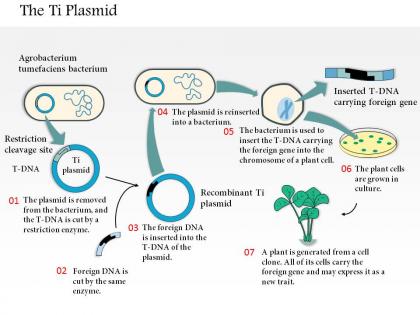
So Ti plasmids have three main parts you gotta know. T-DNA is where your gene of interest goes - that's the stuff that actually transfers into plant cells. Then you've got vir genes, which are basically the delivery truck that recognizes plant signals and moves everything around. Honestly the whole system is pretty cool when you think about it. Oh and there's opine synthesis genes too - they make these weird amino acids that plants can't normally produce. Most of the time though you'll use disarmed versions where they've stripped out the tumor-causing bits but kept the transfer machinery intact.
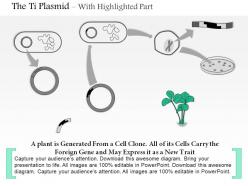
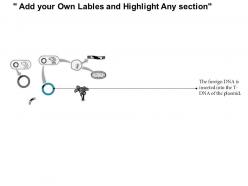
So basically the Ti plasmid is this super clever little genetic thief. It waits for a plant to get wounded, then Agrobacterium swoops in and literally injects its T-DNA straight into the plant's chromosomes. Wild stuff. The plant doesn't even realize what's happening - it just starts expressing those foreign genes like they're its own. Here's the cool part though: you can swap out the tumor genes for whatever you actually want to insert. Just make sure you're using the "disarmed" version or you'll end up with some gnarly plant tumors (learned that one the hard way in undergrad).
So A. tumefaciens is basically the MVP of plant genetic engineering. The Ti plasmid naturally shoves DNA into plant genomes - scientists just replace the tumor genes with whatever they want (herbicide resistance, better nutrition, etc.). Pretty clever hijacking a pathogen like that! You keep the transfer machinery but swap the cargo. Then those transformed cells grow into full transgenic plants. Honestly, if you're doing plant biotech this is probably your best bet for getting stable integration. Way more reliable than trying to force DNA in mechanically or whatever.
So basically they stripped out all the tumor-causing genes from the Ti plasmids but kept the T-DNA borders - those are what actually get the DNA into plant cells. Pretty neat hack of nature's own system, honestly. You just stick your gene between those borders and Agrobacterium still does its thing, transferring everything into the plant genome. No tumors though since the nasty oncogenes are gone. Just make sure you're using the disarmed binary vectors for any transformation work, not the wild-type ones (learned that the hard way in grad school!).
Honestly, Ti plasmids are your best bet for plant work. They naturally slip into plant chromosomes, so you get stable inheritance without beating up your cells. No expensive equipment that's always breaking down either - looking at you, particle bombardment setup. The integration uses the plant's own machinery, which is way more precise than forcing DNA in with electricity or metal particles. You can also cram bigger DNA fragments in there. Just modify the plasmid first to ditch the tumor genes while keeping the transfer bits. Trust me, start here if you're serious about plant engineering.
So basically the T-DNA chunk from the Ti plasmid just randomly inserts wherever it wants in your plant's genome. Agrobacterium uses these VirD2 and VirE2 proteins to smuggle the DNA across the cell membrane - honestly pretty cool mechanism. Once it's inside, the plant's repair systems don't really know what hit them and accidentally stitch the foreign DNA right into the chromosome. But here's the annoying part: since you can't control where it lands, you'll end up screening tons of transformants. Some will express well, others might have insertions that mess up important genes. It's kind of a numbers game.
So Ti plasmids are pretty solid but they've got some annoying quirks. They basically hate monocots - good luck getting them to work on corn or wheat. The vectors are huge and clunky to work with in lab, which honestly makes cloning a nightmare sometimes. Plus transformation takes forever and success rates are all over the place. Your gene just randomly inserts wherever it wants, so expression can be wonky. I still use them though since they're reliable for dicots. Just have a backup plan ready and don't expect quick results - learned that the hard way!
So you'd basically hijack the Ti plasmid by loading it up with Bt toxin genes - those pest-resistant proteins from *Bacillus thuringiensis*. When *Agrobacterium* infects your plant cells, it dumps those genes right into the genome. Pretty neat trick, honestly. The plant starts cranking out the toxins 24/7, so bugs can't touch it without getting sick. Way better than spraying pesticides constantly. Oh, and definitely follow whatever transformation protocol works for your specific crop - each one's got its quirks and you don't want to waste time troubleshooting.
So the big ethical stuff with Ti plasmids? Environmental risks are huge - you could accidentally create super weeds or mess with ecosystems through gene transfer. Food security's another worry. Honestly, the "playing God" argument feels kinda weak since we've been tweaking crops forever anyway. What really bugs me is how biotech companies patent everything and control who gets seeds. That creates serious inequality issues. Oh, and there's always weird unexpected effects on insects or whatever. Just make sure you're thinking beyond the lab when you do risk assessments - this stuff has real-world consequences.
So the T-DNA will randomly integrate into chromosomes, which honestly works better than episomal stuff anyway. Pick transformants using antibiotic resistance markers that go in with your target gene. Screen multiple independent lines - this part's crucial for finding stable events. Don't use sequences that might recombine or get excised later. Then run those transformants through several generations while keeping selection pressure on. That's how you confirm the genes actually stick around and keep expressing properly. Way more reliable than hoping for the best.
So Ti plasmids are like your secret weapon for turning plants into little drug factories. You engineer them to produce vaccines, therapeutic proteins, whatever you need right in the plant tissue. Pretty crazy stuff honestly. The whole setup is way cheaper than traditional cell cultures - and plants can do complex protein folding that bacteria just can't pull off. I mean, who knew corn could be better at making medicine than a lab? Anyway, if you're looking into biologics production, plant molecular farming with modified Ti plasmids is definitely worth checking out.
So the Ti plasmid works because of how it's set up - you've got the T-DNA part that actually goes into plant cells, then separate vir genes handling the transfer process. What's cool is you can mess with the T-DNA contents without screwing up the delivery system. Those vir genes detect when plants are wounded and prep the T-DNA for insertion. Meanwhile, your T-DNA can carry whatever you want. Think of it like a delivery truck - same driver, different packages each time. Oh, and don't forget to keep those T-DNA borders intact when you're cloning, that's where the actual transfer happens.
So the vir genes are basically what make the whole thing work - they're like the machinery that actually gets the T-DNA into plant cells. VirA and virG detect when plants are wounded and kick everything off. Then virD and virE do the heavy lifting with DNA processing and transfer. Without them, your Agrobacterium just sits there useless. I've seen people mess this up before - if your transformation efficiency tanks, check that your strain's vir genes aren't screwed up. It's honestly pretty wild how bacteria figured out this whole plant hijacking system in the first place.
Ti plasmids are actually perfect for this stuff. They naturally insert genes into plant chromosomes, so you can engineer crops to produce way more oils, starches, or cellulose - basically souped-up biofuel material. Some people are making plants that break down their own cell walls easier (which honestly seems kind of brutal but whatever). You could target specific metabolic pathways to boost energy compounds. There's cool work happening with plants that make particular fatty acids for biodiesel too. First step is figuring out which pathway you want to mess with, then build your construct from there.
Ti plasmids are getting crazy precise these days - way better at targeting exactly what we want to change. CRISPR combo stuff is honestly where it gets exciting. Disease resistance and nutrition improvements are already looking solid, plus yields keep getting better. Regulations are finally starting to make sense too, which helps. The tech itself? Pretty much there already. Public opinion is still the real roadblock though - people get weird about genetic modifications even when the science is sound. Those new vector designs coming out are insanely accurate compared to what we had before.
-
Informative design.
-
Helpful product design for delivering presentation.