


0614 endoplasmic reticulum biology medical images for powerpoint




Try Before you Buy Download Free Sample Product
 Impress Your
 Audience
 100%
100% Editable
 Save Hours
 of Time


Our 0614 Endoplasmic Reticulum biology Medical Images For PowerPoint are an excellent funnel. Ensure your thoughts get a free flow.
People who downloaded this PowerPoint presentation also viewed the following :
0614 endoplasmic reticulum biology medical images for powerpoint with all 10 slides:
Keep your cool in freaky conditions. Our 0614 Endoplasmic Reticulum biology Medical Images For PowerPoint ensure it goes like a breeze.


FAQs for 0614 endoplasmic reticulum biology medical
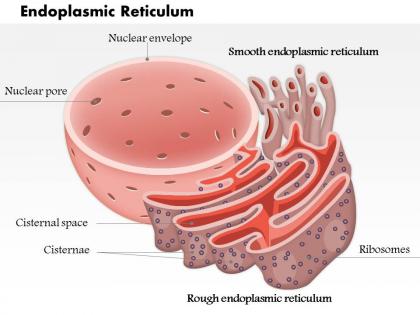
So rough ER is basically your protein factory - all those ribosomes stuck to it are cranking out proteins for secretion or membrane stuff. Smooth ER does way more random things though. Lipid synthesis, making steroid hormones, detox work, plus it stores calcium which muscles need to contract properly. Honestly the names make it pretty easy to remember - rough has the bumpy ribosomes, smooth doesn't. Just think protein factory vs. the multipurpose workshop that handles fats and cleanup. That connection between structure and function is like 90% of what they'll test you on anyway.
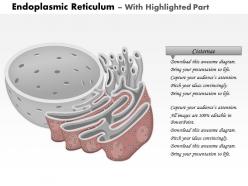
So the ER is basically like cellular plumbing with all these folded membranes everywhere. Rough ER has ribosomes stuck on it for protein-making, while smooth ER handles lipids and detox stuff. All those folds and wrinkles? They're actually genius - you get massive surface area crammed into tiny cellular space. Materials can flow through the connected tubes super efficiently too. Honestly, it's one of those things that just makes sense once you see it under the microscope. The more wrinkled it looks, the more multitasking it's doing.
So basically the ER is like your cell's protein factory - ribosomes stick to the rough ER and pump out proteins directly into it. Pretty cool system honestly. Once they're in there, the ER folds them up properly and adds stuff like sugar groups. If a protein gets messed up during folding, the ER either tries to fix it or just tags it for destruction. It's way more organized than you'd think! The whole thing works like a conveyor belt - proteins get made, shaped up, and then shipped out to wherever they need to go.
So the ER is like your cell's quality control hub - handles protein folding, makes lipids, stores calcium. When proteins get messed up, it either fixes them or just kills the whole cell (kinda brutal honestly). Calcium gets stored and released whenever the cell needs it for different stuff. Oh, and the smooth ER also does detox work which is pretty cool. If you're looking at cellular stress or metabolic issues, definitely check the ER first. That's usually where things start going wrong before it spreads everywhere else.
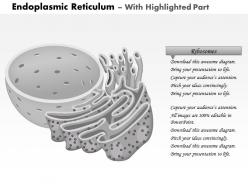
So basically, rough ER has ribosomes stuck all over it - that's what makes it look bumpy under the microscope. Smooth ER doesn't have any. Because of the ribosomes, rough ER cranks out proteins that'll either get shipped out of the cell or become part of membranes. Smooth ER does totally different stuff though - lipid production and detoxing chemicals. I always think of it like rough ER is the protein assembly line while smooth ER is more... idk, like a chemistry lab? Just focus on ribosomes = rough = proteins and you'll be fine.
OK so basically your ribosomes make proteins that need to get out of the cell, right? First stop is the rough ER where they get folded and tweaked a bit. Then little vesicles basically carry them over to the Golgi - think like a molecular Uber ride lol. That's where the real magic happens though. Golgi does all the heavy lifting with processing and adding sugar groups and sorting everything out. After that, more vesicles ship them wherever they need to go. It's actually pretty smooth how it all works together - like a well-oiled assembly line but for tiny proteins.
So the ER membrane's makeup is super important for protein folding and making lipids. Your ER has these specific phospholipids and way less cholesterol than other membranes, which keeps things fluid enough for proteins to move through properly. Pretty cool system honestly. Ribosomes stick to the rough ER better because of this composition, plus it affects the enzymes that handle lipid stuff. Oh, and if you're looking into ER stress or those protein misfolding diseases - membrane changes totally mess with these processes, so that's worth tracking.
So when your ER gets flooded with misfolded proteins, it basically panics and triggers this thing called the unfolded protein response. First thing it does? Slams the brakes on making new proteins while cranking out more chaperones to fix the mess. It's actually pretty smart - also expands the ER and clears out damaged stuff. But if things get too crazy, the cell just gives up and kills itself instead. You see this a lot in diabetes and those nasty neurodegenerative diseases. Definitely worth checking UPR markers if you're looking at cellular stress - saved my butt on my last experiment.
ER dysfunction shows up in tons of nasty diseases. Type 2 diabetes is huge - the stress totally screws with how your cells respond to insulin. Alzheimer's and Parkinson's happen when misfolded proteins start piling up because the ER's quality control goes haywire. Cancer's weird though, since ER stress can either kill tumor cells OR help them survive depending on the situation. Heart disease involves it too, plus various liver issues. Honestly, if you're diving into research on any of these, ER stress pathways are where all the cool therapeutic work is happening right now.
So the ER is where your cell makes most of its lipids - phospholipids, cholesterol, steroid hormones, all that stuff. Smooth ER does the heavy lifting since it doesn't have ribosomes cluttering it up. It's got all the right enzymes for synthesis. Cholesterol gets turned into bile acids there too, plus lipoproteins get put together before they ship out. Rough ER makes the proteins that control lipid metabolism, which is honestly pretty neat how they work together. Oh and if you're looking at metabolic disorders - definitely check out ER stress pathways because they get messed up when lipid stuff goes haywire.
So chaperone proteins are like molecular helpers that guide other proteins through proper folding in the ER. They grab newly made proteins and walk them through the whole process - kind of like having a really patient tutor. When things go wrong and a protein misfolds, chaperones either try to fix it or just give up and mark it for destruction (brutal but effective). The main ones you'll see everywhere are BiP, calnexin, and calreticulin. Oh, and if you're having trouble with protein expression - boosting chaperone levels sometimes saves the day and improves your yields.
Think of the ER as your cell's calcium storage unit. Stores tons of Ca2+ until the cell needs it for something. Special receptors open channels that dump calcium into the cytoplasm - boom, now you've got muscle contractions, neurotransmitter release, all that stuff happening. Honestly the whole thing is kind of brilliant when you think about it. Then pumps work overtime to suck the calcium back in so everything resets. I swear like 90% of what cells do comes back to calcium somehow. Just remember whenever you're looking at cellular processes, the ER's probably pulling strings somewhere.
So there's a bunch of ways to tackle this. Fluorescence microscopy with ER markers is great if you want to see what's happening in real time - that's probably where I'd start. Electron microscopy gives you crazy detailed structure shots, though it's more work to set up. Oh and immunofluorescence is clutch for tracking specific proteins. You can also do cell fractionation to pull out ER bits for biochemical stuff, plus there's functional assays for measuring protein folding and calcium dynamics. Really depends what you're after though - dynamics vs structure, you know?
So the ER is where autophagy gets started - it donates membrane material to build autophagosomes, which are these double-walled bubbles that grab cellular garbage for recycling. Specific ER spots called omegasomes become launch pads when cells get stressed or hungry. Also stores calcium that controls autophagy signals. Honestly, the ER's pretty impressive with all its jobs. But here's the thing - if you're looking into autophagy problems, definitely check ER shape and function too since they're connected. Makes troubleshooting way easier.
So basically what happens is your cells' protein factories (the ER) get totally swamped with junk proteins - think amyloid plaques in Alzheimer's or the alpha-synuclein mess in Parkinson's. This triggers stress sensors like PERK and IRE1 that just won't shut off in sick neurons. Here's the wild part though: it's not just a side effect of the disease, it actually makes everything worse and speeds up cell death. There are some cool trials happening right now with drugs that target ER chaperones - honestly might be our best shot at slowing these diseases down.
-
Awesome use of colors and designs in product templates.
-
Very well designed and informative templates.