


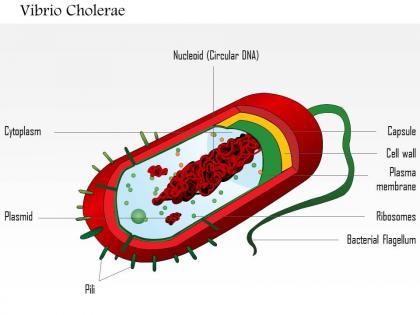
0614 vibrio cholerae medical images for powerpoint




Try Before you Buy Download Free Sample Product
 Impress Your
 Audience
 100%
100% Editable
 Save Hours
 of Time


You may have all the facts but presentations are not only made up of facts. There is more to presentation than facts as our 0614 Vibrio Cholerae Medical Images For Powerpoint will make you see.
People who downloaded this PowerPoint presentation also viewed the following :
0614 vibrio cholerae medical images for powerpoint with all 11 slides:
Weld your thoughts with our 0614 Vibrio Cholerae Medical Images For Powerpoint. They will form a strong connection.
-
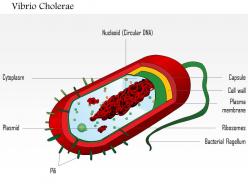
0614 vibrio cholerae medical images for powerpoint
-
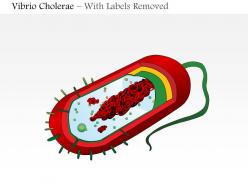
0614 vibrio cholerae medical images for powerpoint
-
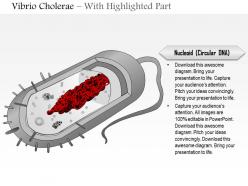
0614 vibrio cholerae medical images for powerpoint
-
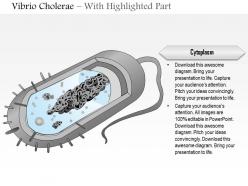
0614 vibrio cholerae medical images for powerpoint
-
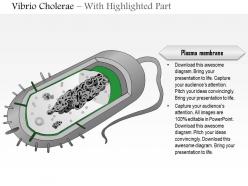
0614 vibrio cholerae medical images for powerpoint
-
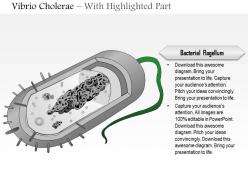
0614 vibrio cholerae medical images for powerpoint
-
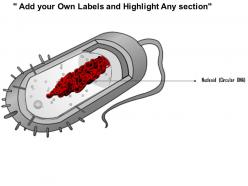
0614 vibrio cholerae medical images for powerpoint
-
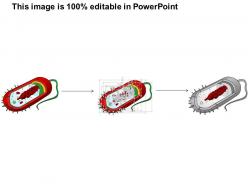
0614 vibrio cholerae medical images for powerpoint
-

0614 vibrio cholerae medical images for powerpoint
-
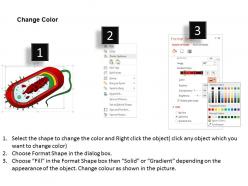
0614 vibrio cholerae medical images for powerpoint
-
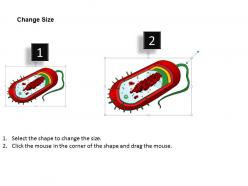
0614 vibrio cholerae medical images for powerpoint
FAQs for 0614 vibrio cholerae medical
So basically it all comes down to cholera toxin - that's what causes the insane watery diarrhea. The toxin latches onto these GM1 receptors in your intestines and cranks up cAMP levels through adenylyl cyclase. This makes chloride dump into the gut, water follows, and boom - you're losing liters of fluid. There are other nasties like TCP pili for attachment, but honestly the toxin does most of the damage. What's wild is it's pure secretion, not invasion, so treatment's all about replacing that massive volume loss. Pretty scary how efficient it is.
So basically, V. cholerae loves warm, salty water - it literally thrives in those conditions. Coastal tropical areas get hit worst because the bacteria can hang out in estuaries and rivers for ages. Colder freshwater kills it off pretty quick, so temperate regions usually see shorter outbreaks. Though honestly, with climate change, that's getting messier to predict. The scary part? In warmer places, you're not just dealing with person-to-person spread - the environment itself becomes this ongoing source of contamination. Makes water treatment way trickier, especially for coastal communities.
So the main cholera nasty stuff is actually on the chromosome - that's where the toxin genes live. Plasmids are more like add-ons though. They carry extra virulence factors and antibiotic resistance that can make strains worse to deal with. Clinical isolates especially - you'll see plasmids helping them survive antibiotics and sometimes boost colonization too. I always tell people not to skip checking plasmid content when analyzing isolates. Core pathogenicity? That's chromosomal. But plasmids can explain why some strains act weird or are harder to treat than you'd expect.
Only O1 and O139 strains cause real epidemic cholera - everything else just gives you regular food poisoning basically. El Tor biotype totally took over from classical because it's way hardier in the environment. O139 was this weird thing that showed up in Asia during the 90s, caused some nasty outbreaks, then just... disappeared? Nobody really talks about it anymore. The other non-O1/non-O139 strains don't pump out enough cholera toxin to trigger those crazy dehydrating epidemics you read about. When you're doing surveillance, you've gotta separate O1/O139 from the rest since your whole response changes.
So for V. cholerae detection, qRT-PCR is honestly your best bet - super fast and reliable. Target ctxA or ompW genes for solid identification. LAMP is pretty cool too since it works at one temperature and you get results in like 45 minutes. Way better than waiting days for culture results, which is painfully slow. Some fancier labs use DNA microarrays but that's probably overkill for most situations. If you're doing fieldwork, definitely go with portable qPCR or LAMP setups. You'll have answers in 1-2 hours instead of sitting around for 18-72 hours with traditional methods.
So cholera toxin basically hijacks your gut cells' cAMP pathway - pretty nasty stuff. It latches onto these GM1 ganglioside receptors and cranks up adenylyl cyclase activity. We're talking cAMP levels shooting up like 100x higher than normal, which forces those CFTR chloride channels wide open. Chloride pours out, dragging sodium and water along for the ride. That's where you get the insane watery diarrhea - several liters a day, no joke. The crazy part? Your intestinal lining stays totally intact. It's just a functional mess-up, which is actually why oral rehydration therapy works so well.
Basically, it all comes down to dirty water and crappy sanitation - that's where cholera loves to hang out. Warm weather makes it worse, and flooding is like a perfect storm situation. Coastal areas get hit hard too since the bacteria thrives in water. I mean, it's pretty much always an infrastructure problem when you think about it. Overcrowded places without clean water access? Yeah, they're screwed. Natural disasters that mess up water treatment just make everything ten times worse. If you're trying to figure out risk, just look at their water quality first.
So the big thing with cholera is fixing water and sanitation - honestly that's where most of the money should go. They'll set up water treatment, build actual toilets, get waste management going. The weird thing is dehydration kills you faster than the disease itself, so getting oral rehydration salts out there is critical. Contact tracing helps stop it spreading, and they do mass vaccination campaigns during outbreaks (though those are more short-term fixes). You really can't just treat people and call it done - gotta fix the underlying water problems or it'll just keep coming back.
So basically, O1 and O139 are the scary ones. O1's caused all seven cholera pandemics in history - that's pretty wild when you think about it. Then O139 showed up in the '90s and wreaked havoc across Asia. Both pack the cholera toxin that makes people seriously sick and spreads like crazy. Yeah, there's like 200+ other V. cholerae types floating around, but they're mostly just regular food poisoning stuff. Nothing too dramatic. When you're checking outbreak data or whatever, just focus on those two serogroups - they're the real troublemakers that'll actually go pandemic on us.
Ugh, so basically V. cholerae is constantly mutating and that makes vaccine development super tricky. Different strains have different levels of the main antigens - cholera toxin and lipopolysaccharide - so a vaccine might crush one strain but totally miss another. The O1 and O139 types cause most outbreaks, but there's still tons of variation even within those groups. That's why current oral vaccines only work like 60-70% of the time and get weaker over years. Honestly, researchers should probably focus more on the parts of the bacteria that don't change much between strains.
So for V. cholerae control, chlorination works great for drinking water. UV disinfection is solid too, especially smaller setups. Marine environments are honestly a pain - the bacteria live there naturally, so you can't really eliminate them completely. Temperature and salinity monitoring helps predict when outbreaks might happen though. Warmer months are when they really go crazy. Your best approach is setting up good surveillance systems to catch population spikes early. Oh, and definitely protect water intakes around coastal areas - proper sanitation makes a huge difference there.
So climate change is basically giving cholera bacteria the best possible conditions to multiply and spread everywhere. Warmer oceans mean more bacterial growth, plus all these floods and extreme weather events are contaminating water sources left and right. Places that used to be too cold or dry for cholera? They're suddenly dealing with outbreaks. Coastal regions are getting slammed because warmer seas = way more vibrio in seafood and drinking water. Honestly, it's pretty terrifying how fast this is escalating. Anyone doing public health work needs to start planning for cholera showing up in places we never expected it before.
Cholera hits communities like a wrecking ball economically. Healthcare costs explode while sick workers can't earn money. Tourism disappears instantly - horrible news for developing countries that really need those dollars. Schools and markets close down, families blow through their savings just trying to get clean water or medical help. The worst part? Recovery takes months even after the outbreak ends. Trade gets disrupted when areas go into quarantine mode. Short sentences, long consequences. If you're working in those regions, honestly water infrastructure is where you'll make the biggest difference long-term.
Honestly, it's all about beating the fluid loss - you're literally racing against it. Mild cases? ORS works fine. But severe dehydration needs IV stat. We're talking Ringer's lactate or saline, sometimes 100ml/kg in those first 3 hours for adults. The turnaround is actually wild once you get ahead of their losses. Doxycycline helps cut duration and bacterial shedding, but that's secondary. Your main thing is matching input to that crazy output - and man, don't underestimate the volumes these patients need. Monitor like crazy.
Ugh, cholera vaccines are tricky because there are like 200+ different serogroups of V. cholerae, but only O1 and O139 actually cause the big outbreaks. Even worse, O1 has different subtypes that need totally different immune responses. Dukoral works decently for O1 but barely touches O139. The bacteria evolve crazy fast and swap genes around, so the surface proteins that vaccines target keep changing. Honestly, even getting cholera naturally doesn't give you lifelong immunity, which is frustrating. Right now we're stuck with oral vaccines for high-risk spots while scientists hunt for better targets.
-
Presentation Design is very nice, good work with the content as well.
-
Great product with highly impressive and engaging designs.