

0814 common bacteria infecting human medical images for powerpoint





Try Before you Buy Download Free Sample Product
 Impress Your
Audience
 100%
Editable
 Save Hours
of Time


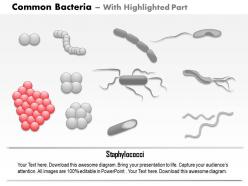
There are bacteria all over the place around us, and in the infinite quantities, some are good, some are neutral, some are bad ones and some are essential for human life let’s review how 0814 common bacteria infecting human medical images for PowerPoint slide. This PPT slide will help us analyze some bacterial infections are common in humankind such as strep throat and ear infection while others may cause major diseases, such as tuberculosis, plague, syphilis and cholera. This presentation slide will help you evaluate how bacterial infections spread through impure water, with contaminated food, through the air, when infected people cough or sneeze, through contact with animals and by touching infected people. This presentation theme is representation of various kinds of bacteria like Streptococci, Chain Of bacilli, Flagellate rode and Spirochetes have been displayed in this image and can be used to correlate wide variety of information. Download this template and for more visit our website. Generate a gush of enthusiasm with our 0814 Common Bacteria Infecting Human Medical Images For Powerpoint. Everyone will feel greatly activated.
People who downloaded this PowerPoint presentation also viewed the following :
Content of this Powerpoint Presentation
Description:
The image is an educational illustration titled "Common Bacteria," categorizing bacteria into three main groups based on their shapes: Cocci, Bacilli, and Others. Each group is further divided, with examples such as Diplococci and Streptococci for Cocci; a chain of bacilli for Bacilli; and Vibrios, Spirilla, and Spirochaetes for Others. It's a visual guide commonly used in microbiology to help identify and understand the different morphologies of bacteria.
Use Cases:
This image can be valuable across multiple sectors that deal with microbiology, health, and sanitation.
1. Medical Education:
Use: Teaching students about bacterial morphology.
Presenter: Biology Professor
Audience: Students, Trainee Healthcare Professionals
2. Healthcare:
Use: Training staff on infection control and pathogen recognition.
Presenter: Infection Control Specialist
Audience: Medical Staff, Laboratory Technicians
3. Pharmaceutical Research:
Use: Discussing antibiotic efficacy against various bacterial shapes.
Presenter: Microbiologist
Audience: Research Scientists, Development Teams
4. Public Health:
Use: Educating about common infectious agents and prevention methods.
Presenter: Public Health Educator
Audience: Community Members, Public Health Workers
5. Biotechnology:
Use: Explaining genetic engineering applications in bacteria.
Presenter: Biotechnologist
Audience: Industry Professionals, Investors
6. Water Treatment:
Use: Training on bacterial contaminants and purification methods.
Presenter: Environmental Engineer
Audience: Facility Operators, Municipal Workers
7. Food Industry:
Use: Instructing on foodborne pathogens and safety protocols.
Presenter: Food Safety Manager
Audience: Quality Control Personnel, Food Handlers
0814 common bacteria infecting human medical images for powerpoint with all 11 slides:
Complete the circle with our 0814 Common Bacteria Infecting Human Medical Images For Powerpoint. Your thoughts will get all round coverage.




FAQs for 0814 common bacteria infecting human medical
So the main ones you'll run into are respiratory stuff - pneumonia, bronchitis, that whole mess. UTIs are huge too, plus skin infections and GI bugs. Honestly, strep throat has to be the worst because it feels like everyone catches it eventually. Most of these come from the usual suspects: Strep, Staph, E. coli, Salmonella. Respiratory and urinary infections probably win for most common overall. Oh, and this stuff varies by where you work obviously, but these patterns give you a decent starting point for figuring out treatment before lab results come back.
So basically, babies and old people get hit the hardest with bacterial stuff - their immune systems are either not ready or kinda worn down. Kids actually recover pretty quick, but they'll spike these crazy high fevers that'll make you panic as a parent. With adults it's more straightforward, like what you'd read in a textbook. Here's the weird part though - sometimes little kids and elderly folks have really subtle symptoms that don't seem like much. That's why doctors get more worried about those age groups faster.
So antibiotics work by either killing bacteria outright or stopping them from reproducing - pretty straightforward. The scary part though? We're creating these "superbugs" that don't respond to treatment anymore. It happens when people don't finish their full prescription or bug their doctor for antibiotics when they've just got a cold (which is viral, btw). Those surviving bacteria basically learn how to fight back and teach their offspring the same tricks. That's why some infections are getting really hard to treat now. Always take the whole course even if you're feeling better halfway through.
Yeah, there are actually quite a few! Pneumococcal vaccine is probably your best bet since pneumonia hits adults pretty hard. You can also get shots for meningitis, whooping cough, tetanus/diphtheria, and Haemophilus influenzae type b. Most people got these as kids but forgot about them. Adults need tetanus boosters every 10 years—I always forget until I step on something rusty, then panic. If you're older, definitely get the pneumonia shot. Oh, and there's a shingles vaccine too, though that's technically viral. These bacterial vaccines work really well for prevention.
Honestly, what you eat and how clean you keep yourself makes a huge difference in fighting off infections. When you're not getting enough protein and vitamins, your immune system basically can't do its job properly. Handwashing is clutch - it stops bacteria before they even get started. I swear by keeping cuts clean too, and definitely don't share stuff like towels or razors. Sleep's another big one that people ignore way too much. Short version: decent food, enough sleep, and wash your hands like you're obsessed with it. The basics work.
Blood cultures are your best bet for systemic stuff, and urine cultures work perfectly for UTIs. Culture tests, rapid antigen tests, and PCR are what you'll be using most. Honestly, don't sleep on gram staining - that old technique still tells you so much immediately. Rapid strep tests give you quicker answers when you need them. Procalcitonin levels help sort out bacterial vs viral too, which is clutch. Oh, and clinical presentation is huge - like, sometimes more important than the actual lab numbers. Always match what you're seeing in the patient with your results. Makes all the difference.
So immunocompromised patients are tricky because their infections look way different. They don't get the usual fever or high white count - their immune system just can't mount that response. Makes diagnosis a nightmare honestly. These patients pick up weird bugs that wouldn't bother you or me, and everything spreads faster. Sepsis can hit them before you even realize they're sick. I always tell people to have a low threshold for starting antibiotics early rather than waiting around for textbook symptoms that might never show up.
Warm compresses work great for mild skin infections - keep it clean with antibacterial soap too. Neosporin's solid for cuts and small wounds. Tea tree oil actually helped me once, has antimicrobial stuff in it. But listen, anything deeper like UTIs or chest infections? You'll need real antibiotics from a doc. Home remedies just don't work for that serious stuff. My sister tried to treat strep with honey once... didn't go well lol. Watch for it getting worse though. If the infection spreads, don't mess around - get medical help.
COVID was such a mess for bacterial infections, honestly. Community stuff like strep and UTIs plummeted because everyone was masking and staying home. Makes sense, right? But hospital infections got way worse - all those COVID patients stuck in ICUs for weeks with tubes everywhere just bred resistant bugs. What really worries me though is all the people who skipped doctor visits during lockdowns. Some probably had infections that just festered untreated. So now when they finally show up, you're dealing with way more advanced cases than usual. I'd definitely watch for that in anyone who went radio silent during 2020-2021.
Rural places get screwed on bacterial infections honestly - limited labs, cultures take forever to get results, and patients wait way too long before coming in because of distance or money. Cities have faster testing and specialists nearby, but they're drowning in patients and dealing with nastier resistant bugs from all the hospital exposure. So rural docs end up guessing more without confirmation. Urban ones can test quickly but face crazy resistance patterns. My cousin's an ER doc and deals with this constantly. Build up good local antibiogram data and find ID consultants who'll take calls remotely.
Yeah, probiotics can definitely help fight bacterial infections! They basically crowd out the bad bacteria and boost your immune system. The good bacteria also strengthen your gut barrier so harmful stuff can't get through as easily. Studies show they're really good for preventing UTIs and those nasty infections you sometimes get after antibiotics (ugh, those are the worst). Your gut microbiome is like having a personal army, honestly. If you keep getting infections, maybe try a decent probiotic? Just run it by your doctor first though.
You've gotta move fast on surveillance and contact tracing - find those cases quick and map out who's spreading it to who. Get people on targeted antibiotics to cut down bacterial load. Honestly, just reminding folks to wash their hands actually works better than you'd think! Beef up sanitation and food safety protocols too. Isolate the worst cases and roll out vaccines if you have them. The timing thing is huge though - these outbreaks snowball crazy fast, so every hour counts when you're trying to contain it.
So basically you want to clean wounds really well and keep them covered - that's your best defense against infection. Moist wounds heal way faster than letting them dry out (learned that one the hard way too). Change the dressings regularly though, because old bandages just become bacteria hotels. The tricky part is making sure patients don't mess it up at home - you can do perfect wound care in the clinic but if they're not following through, you're back to square one. It's honestly all about being consistent with the cleaning and covering routine.
Oh yeah, infections totally mess with chronic stuff like diabetes and heart disease. Your immune system's already working overtime with diabetes, so you catch things easier. Then boom - your blood sugar goes crazy high from fighting the infection. Heart disease is similar - all that inflammation from being sick puts extra stress on your heart. Honestly, people don't realize how much a "simple" UTI can derail their diabetes control for weeks. My aunt learned this the hard way last year. Bottom line: jump on any infection fast and watch your numbers like a hawk while you're recovering.
Ugh, antibiotic-resistant bacteria are literally turning into superbugs that laugh at our normal meds. Routine infections could kill people again - it's honestly terrifying. Hospital stays get longer, costs skyrocket, and more people die worldwide. The real problem? We're burning through effective antibiotics way faster than scientists can make new ones. Only use antibiotics when actually needed, finish the whole bottle even if you feel better, and never take them for the flu or colds. Better infection control helps too. Honestly, stricter protocols need to happen yesterday.
-
Great quality slides in rapid time.
-
Awesome presentation, really professional and easy to edit.