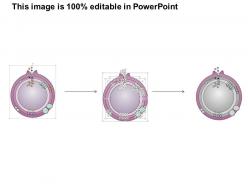
0614 streptococcus pneumoniae medical images for powerpoint

Rating:
90%
0614 streptococcus pneumoniae medical images for powerpoint
Slide 1 of 11
Favourites Favourites

Try Before you Buy Download Free Sample Product

Audience Impress Your
Audience
Editable 100%
Editable
Time Save Hours
of Time
The Biggest Sale is ending soon in
0
0
:
0
0
:
0
0
Rating:
90%
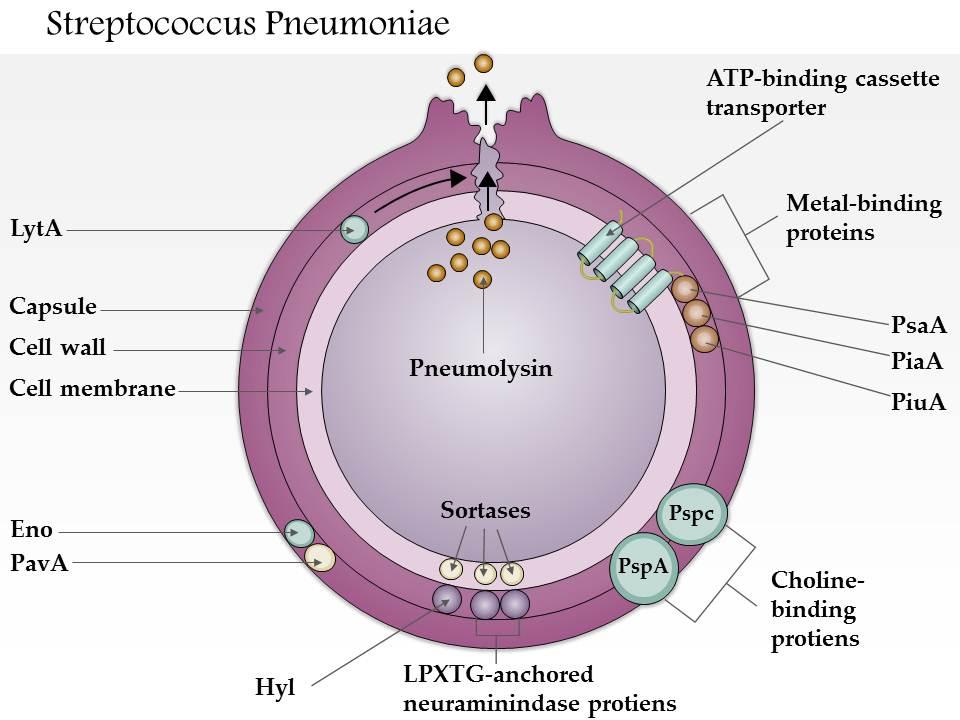
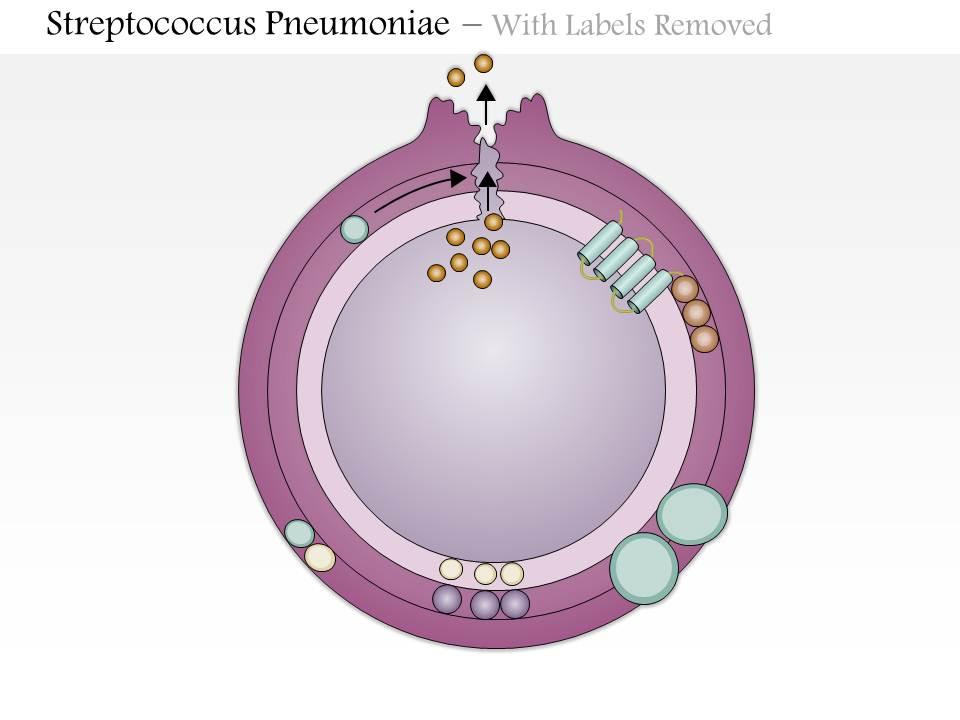
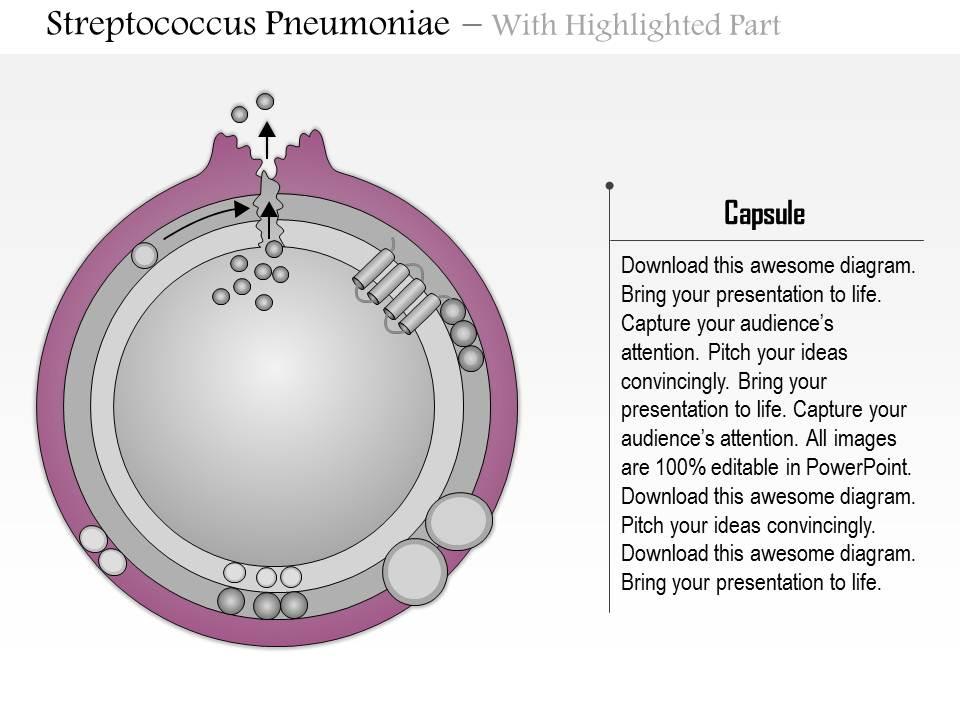
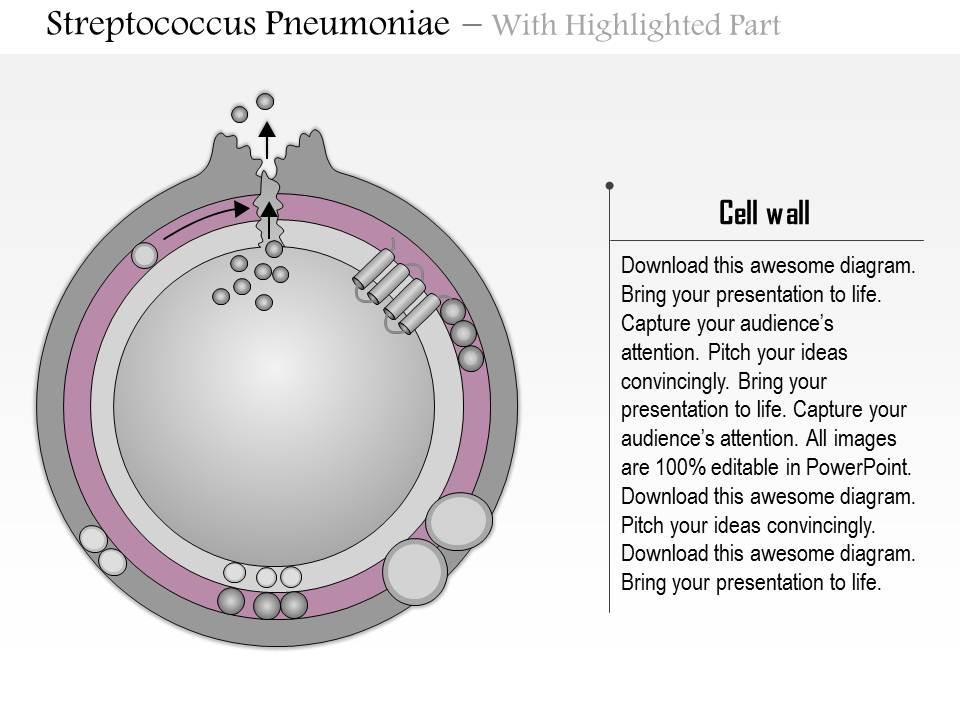
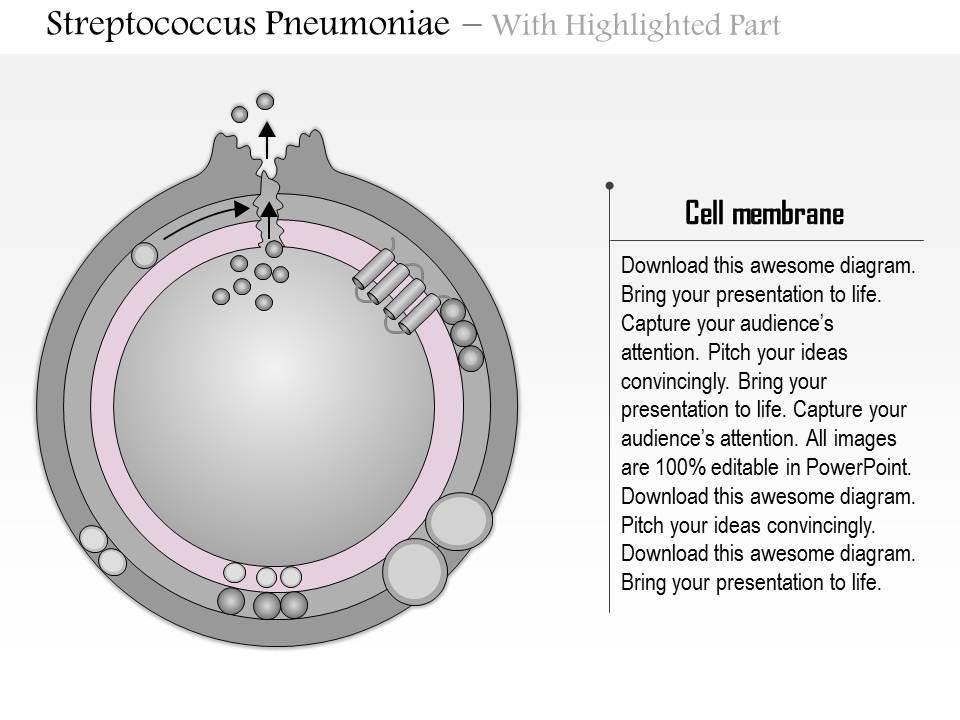
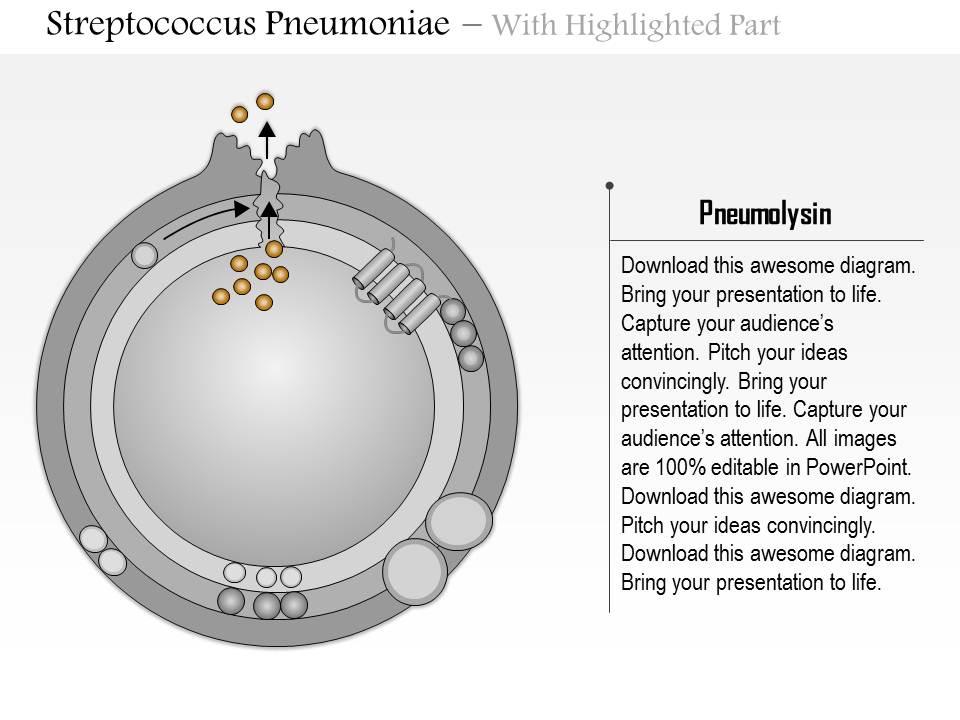
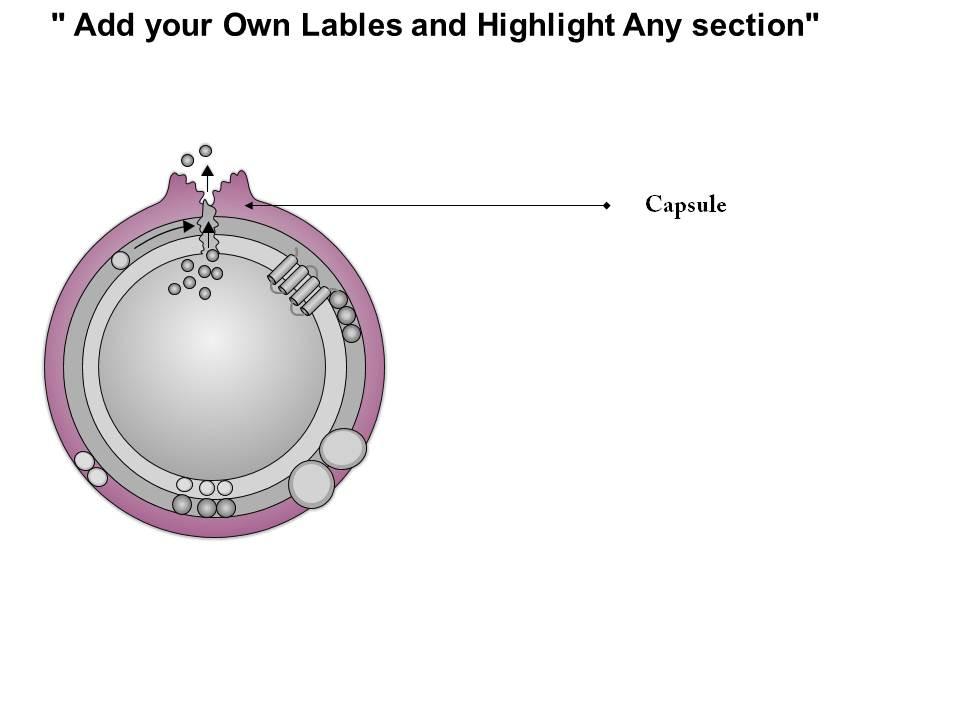
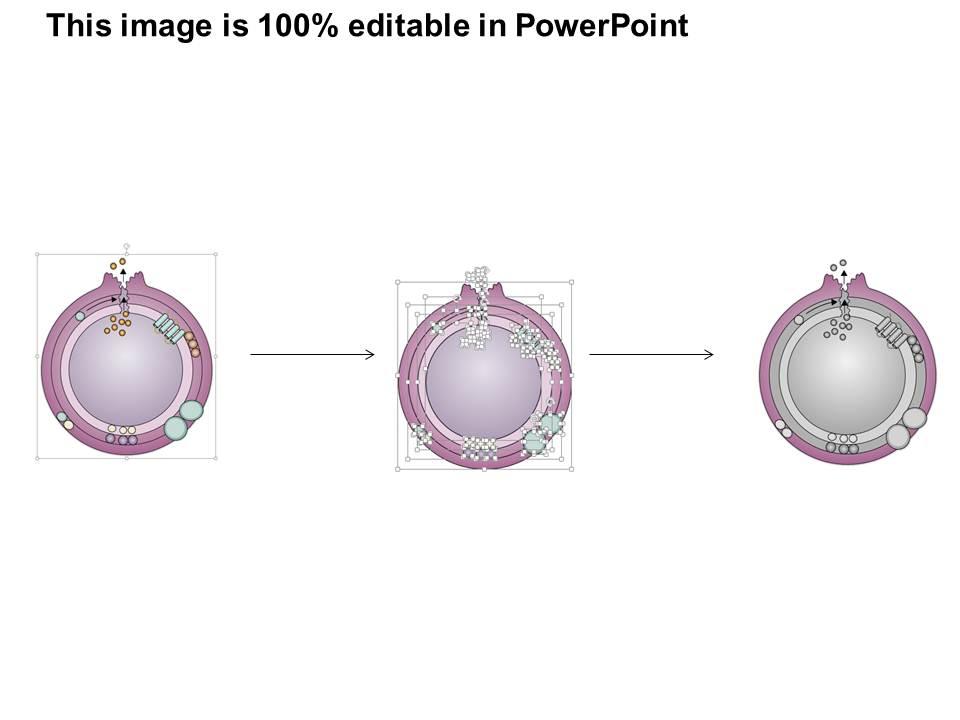
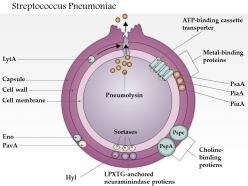
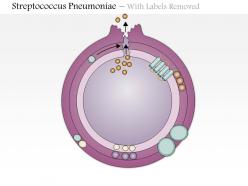
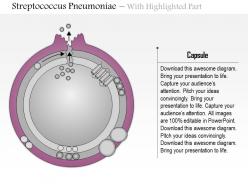
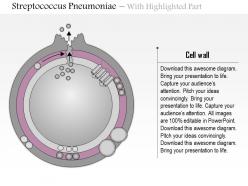
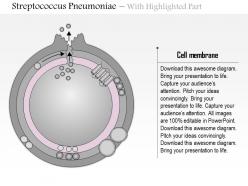
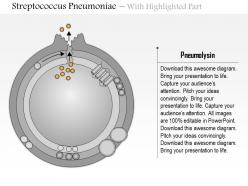
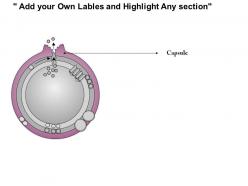
We are proud to present our 0614 streptococcus pneumoniae medical images for powerpoint. This Medical Power Point template is designed with 3d graphic of streptococcus pneumonia diagram. This Medical Power Point template is well suitable for various Medical presentation. Use this template and become successful.

People who downloaded this PowerPoint presentation also viewed the following :

FAQs for 0614 streptococcus pneumoniae medical

So pneumococcus has a few nasty moves. That polysaccharide capsule basically makes it invisible to your immune cells - honestly pretty clever for a bug. It sticks to your respiratory tract with adhesins, then pneumolysin toxin starts poking holes in cell membranes. The really annoying part? It does phase variation, constantly switching up its surface proteins so your immune system can't keep up. Different capsule types hit harder than others too, which is why some strains are nastier. Oh and vaccine coverage depends on the specific type you're dealing with.

So basically, genetic differences make some pneumococcus strains way nastier than others. Serotypes 1, 3, and 19A? Those are the real troublemakers - their capsules are like invisibility cloaks against your immune system. Horizontal gene transfer keeps mixing things up too, swapping virulence genes around like trading cards. Some strains just hang out in your nose doing nothing, while others go straight for invasive disease. It's honestly pretty wild how different they can be. That's why surveillance programs can't just lump all pneumococci together - the genetic background totally matters for vaccines and treatment.

So there's PCV13 (Prevnar 13) and PPSV23 (Pneumovax 23) - those are the main ones. PCV13 covers 13 types but works way better for kids and immunocompromised people. PPSV23 hits 23 types though it's not as effective in some groups. Adults 65+ usually get both in sequence. There's also PCV20 now which honestly might make things easier since it covers more than PCV13 - though I'm still getting used to that one being around. Just check what your hospital wants you to do. Age, immune status, and vaccination history are what you're really looking at when picking.

Ugh, pneumococcal resistance is such a pain now. Gone are the days when penicillin was your go-to for everything - tons of strains just laugh at it basically. For serious stuff like meningitis or bloodstream infections, you're looking at ceftriaxone, vancomycin, or those respiratory quinolones instead. Susceptibility testing is clutch here since you really need to know what you're dealing with. I always peek at our local resistance patterns first - they vary so much by region it's crazy. Bottom line: don't assume anything works until you've got the data.

So pneumococcus is basically the worst one - causes most community pneumonia cases and tons of ear/sinus infections too. Unlike viral stuff that just makes you feel crappy, this bacteria actually invades deep into your lungs. Way more aggressive than other respiratory bugs like H. flu (weird name, I know). The thing about pneumococcus is it has this capsule that basically tricks your immune system. That's why it hits so hard. When you see someone with high fever and that rusty-colored sputum, pneumococcus should be your first guess. It's just more invasive than the others.

Honestly, you've got plenty of good options for diagnosing pneumococcus. Start with gram stain and culture if you can - classic gram-positive diplococci with that alpha-hemolytic growth. The optochin test is money for confirmation since pneumococcus is weirdly sensitive to it. Urine antigen tests are clutch when patients are already on antibiotics and your cultures keep coming back negative. PCR's getting more popular too, faster results. I always think culture first if possible, but throw in antigen testing when you need answers quickly. Oh, and don't sleep on the bile solubility test either.

Yeah, environmental stuff totally matters with S. pneumoniae. Winter's the worst since everyone's cooped up indoors and low humidity helps the bacteria stick around longer in droplets. Daycare centers are honestly nightmare scenarios for this - crowded spaces with poor ventilation are perfect breeding grounds. Air pollution makes things worse too because it messes with your respiratory defenses. Oh, and household crowding obviously increases exposure risk. I'd say focus on better ventilation wherever possible, especially during flu season. The seasonal patterns are pretty predictable once you know what to look for.

Basically it's the usual suspects - kids under 2 and adults over 65 are the big ones. Anyone immunocompromised gets hit hard too. COPD, diabetes, heart disease patients? They're screwed if they catch it. Oh and people without spleens are sitting ducks since they can't clear those encapsulated bugs. Cochlear implants weirdly increase risk too, same with CSF leaks. The whole thing's pretty predictable honestly - young, old, or sick immune system equals bad time. Check their vaccine status though, that actually helps a ton and half these people probably haven't gotten it.

So pneumococcal pneumonia basically slams you out of nowhere - high fever, crazy chills, and that gross "rusty" colored sputum when you cough. Sharp chest pain that gets worse when you breathe deep or cough is pretty classic too. People look absolutely miserable, which honestly makes sense. You'll also get headaches, feel like garbage overall, maybe some nausea. The sudden onset thing is huge for diagnosis - it's not like those sneaky atypical pneumonias that build up slowly. This one's dramatic and announces itself right away, which actually helps doctors figure out what they're dealing with.

Oh man, pneumococcus is basically a master manipulator. First off, it's got this polysaccharide capsule that makes it super slippery - your macrophages literally can't get a good grip on it. Then it releases this toxin called pneumolysin that just tears holes in your immune cells and tissue barriers. Honestly pretty brutal when you think about it. The bacteria can even switch up its surface proteins to fool antibodies you've already built against it. That's why you usually see these infections hit hard after you've had a cold or flu - your respiratory defenses are already beaten down.

Honestly, the newer fluoroquinolones like levofloxacin and moxifloxacin have been huge for penicillin and macrolide resistance. Linezolid's fantastic for severe cases - just costs a fortune. For invasive stuff, vancomycin still does the job well. What's really helped though is rapid diagnostic testing. You can spot resistance patterns way faster instead of just guessing with empirical treatment. Oh, and definitely push for cultures and susceptibilities early on. Makes de-escalation so much easier once you know what you're actually dealing with.

Honestly, it's wild how different things look depending where you are. Sub-Saharan Africa and parts of Asia get absolutely hammered - way worse than what we see in developed countries. Little kids under 2 and older adults are always the most vulnerable, but here's what's really fascinating: the bug types circulating totally depend on local vaccination patterns. Europe and North America knocked down the vaccine-covered strains pretty well, but then other serotypes just move right in to fill the gap. Nature finds a way, I guess? Definitely check your local surveillance data though - global averages won't tell you what's actually floating around your area.

Oh man, it's such a pain because people can carry it without even knowing they're sick and just spread it everywhere. Respiratory droplets make it super contagious in hospitals too. What really gets me is how the bacteria keeps getting resistant to antibiotics - like we don't have enough problems already. Plus you know how it is with staff sometimes not following hand hygiene perfectly. Honestly though, your best shots are really pushing vaccines for high-risk patients and just constantly reinforcing those basic infection control habits with everyone.

So basically you breathe it in when someone coughs or sneezes near you - super appetizing, right? Once it's in your nose/throat area, the bacteria just sticks to your cells and camps out there. Most people actually carry it around without any symptoms, which is wild when you think about it. Your immune system usually keeps it under control though. Winter's when it spreads like crazy since everyone's packed indoors together. The thing is, just having the bacteria doesn't mean you're sick. It'll just chill there unless something weakens your defenses.

Honestly? I'd focus on two big areas right now. First is next-generation vaccines - researchers are ditching the old capsular polysaccharide approach for universal vaccines that target conserved proteins instead. Way more promising for broader serotype coverage. The antimicrobial resistance stuff is equally huge though. We're finally getting better at understanding how pneumococci actually develop resistance, plus there's cool work happening with novel targets like virulence factors. The whole field just feels different lately, like we're on the verge of some real breakthroughs. If you're making funding calls, protein-based vaccine platforms and resistance surveillance are where I'd put my money.

Ratings and Reviews

90% of 100
Write a review
Most Relevant Reviews
  1. 100%

    by Dong Santos

    Wonderful templates design to use in business meetings.
  2. 80%

    by Dante Wells

    Professional and unique presentations.

2 Item(s)

per page: