


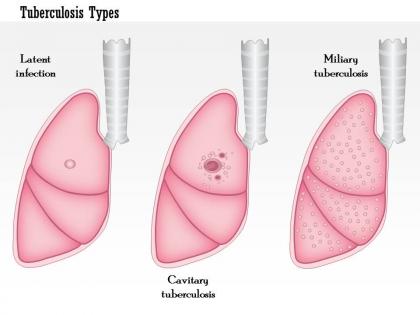
0914 tuberculosis types medical images for powerpoint




Try Before you Buy Download Free Sample Product
 Impress Your
 Audience
 100%
100% Editable
 Save Hours
 of Time


Take a bow with our 0914 Tuberculosis Types Medical Images For PowerPoint. The applause will be almost deafening.
People who downloaded this PowerPoint presentation also viewed the following :
0914 tuberculosis types medical images for powerpoint with all 10 slides:
Comedy can refocus serious thought. Our 0914 Tuberculosis Types Medical Images For PowerPoint can help with some comical content.
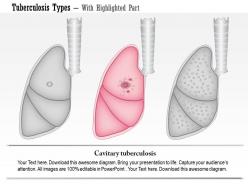
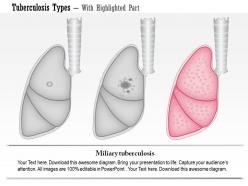
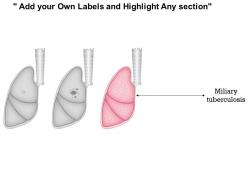
FAQs for 0914 tuberculosis types medical
So there's basically two types - pulmonary TB hits your lungs, extrapulmonary is everywhere else (bones, kidneys, brain, you name it). The lung version is what you actually need to stress about for spreading - it goes airborne when people cough or sneeze. Pretty contagious stuff. But extrapulmonary? Won't spread person to person since it's not in the breathing system. Oh wait, laryngeal TB acts weird and spreads like the lung type. Anyway, if someone's got active pulmonary TB, they need airborne precautions until they've had treatment for a couple weeks.
So latent TB is like having it dormant in your body - no symptoms, can't pass it on. Active TB? That's when you get the whole package: coughing that won't quit, fevers, night sweats, losing weight without trying. Plus you're contagious then. For latent, they'll put you on preventive antibiotics for maybe 3-9 months to keep it from flaring up. Active TB is way more intense - multiple antibiotics for at least 6 months. Here's the thing though: about 1 in 10 people with latent TB will end up getting the active version if they don't treat it. So definitely don't skip treatment if they recommend it.
People who had TB before are highest risk, especially if they bailed on treatment early. HIV patients get hit hard too. Healthcare workers and anyone living with MDR-TB cases are super vulnerable. Prison populations are basically sitting ducks - the way it spreads in those tight quarters is honestly nuts. Oh, and certain geographic hotspots have way higher rates. Don't assume regular meds will work with these groups. Push for that drug testing right away instead of wasting time on standard treatment that might not touch it.
Extrapulmonary TB is tricky because it hits organs outside the lungs and symptoms are all over the place. Lymph nodes get it most - usually neck ones that swell up painlessly. Bones hurt like hell and can fracture, while GU infections look just like regular UTIs or kidney problems. The CNS stuff scares me though - that's when you get meningitis symptoms. TB's weirdly good at hiding anywhere in your body. I'd honestly suspect it more in high-risk patients since it doesn't show up with the obvious lung symptoms everyone thinks about.
TB rates are crazy high in poor areas - poverty, crowded living conditions, and crappy healthcare access basically create perfect storm conditions. People can't afford treatment early on, so you get way more severe pulmonary cases. The extrapulmonary stuff? Often goes completely missed. Malnutrition makes everything worse, and when you throw HIV into the mix (which happens a lot in these communities), the whole disease pattern shifts. I mean, it's kind of a mess honestly. Any real solution has to tackle the social stuff first - just treating the medical side won't cut it.
So basically, you've gotta match your strategy to what type of TB you're dealing with. Active pulmonary cases? Drop everything - isolate immediately and start contact tracing because those people are spreading it like crazy. With latent TB though, you're playing the long game with screening programs to catch it early. Drug-resistant stuff is honestly the worst - needs completely different treatment protocols and way more monitoring. I'd say start by figuring out what types you're seeing most in your area first. Then you can decide where to put your money, how to train staff, all that. It's kinda like tailoring your whole approach to the enemy you're actually fighting.
So for TB testing, you've got a few main options. Sputum microscopy and culture are your basics for finding the bacteria, and chest X-rays catch pulmonary cases pretty well. GeneXpert is honestly the way to go now - way faster than old school cultures and picks up drug resistance too. For TB outside the lungs, you'll need samples from wherever it's hanging out - pleural fluid, spinal fluid, lymph nodes, that kind of thing. TST and IGRA help with latent cases but they're annoying because they can't tell you if it's active or just dormant. You really need to combine tests though since none of them tell the whole story alone.
So pulmonary TB loves the lungs because of all that oxygen - literally munches through tissue and creates those classic cavities you see on imaging. But extrapulmonary TB? That's when it spreads through blood to random places like lymph nodes, bones, your brain even. Same inflammatory process happening, just different locations. Here's the thing though - without the lung's drainage system, you get way more granulomas and less of that cavitation. Oh and definitely think outside the lungs if symptoms seem weird or don't match the typical respiratory stuff.
Look, the M72/AS01E vaccine is the big one to watch - it hit 50% efficacy in Phase 2b trials for pulmonary TB. Pretty solid numbers. There's also VPM1002, which is basically BCG but genetically tweaked to actually work better than that ancient vaccine we've been stuck with forever. What's really exciting though is they're finally targeting latent TB specifically, since that's where most infections just sit and wait. Honestly, it's about time researchers ditched the generic approach and started making vaccines for different TB types. The Phase 3 results for M72 should be interesting - could totally flip how we handle TB prevention.
Ugh, HIV-TB co-infection is seriously complicated. You're basically juggling two diseases that mess with each other constantly - drug interactions, side effects that overlap, and this weird thing called immune reconstitution syndrome where treating HIV can actually make TB symptoms worse at first. The patient's CD4 count is huge for deciding timing. HIV patients get extrapulmonary TB way more often too, which means longer treatment. Plus they develop drug resistance more easily. I always start TB meds first, then add HIV drugs 2-8 weeks later depending on their numbers. It's honestly like playing medical whack-a-mole sometimes.
Okay so here's the thing everyone gets wrong - not all TB spreads the same way. Only the lung kind (pulmonary TB) actually spreads through coughing and sneezing. The other types? Like when it's in your bones or kidneys? Not contagious at all through normal contact. I swear, people freak out thinking any TB patient is dangerous. You're only at risk if someone has active lung TB and isn't getting treated yet. My cousin actually had kidney TB last year - totally different story. Before you panic about airborne precautions, just check if it's actually the lung type first.
Okay so primary TB is sneaky - lots of people have zero symptoms or just feel kinda crappy with a lingering cough. They think it's nothing. Secondary TB though? That's the scary one with all the classic stuff: coughing up blood, drenching night sweats, losing weight without trying, fever that hits every afternoon like clockwork. Miliary TB is just brutal - spreads everywhere and makes you really sick. Here's the thing that gets doctors sometimes: primary can be completely silent. Someone walks in feeling totally fine but still has it. Pretty wild honestly. You gotta look at everything, not just what they're complaining about.
So you'll want contact tracing and isolation protocols set up first. Pulmonary TB needs respiratory isolation - ventilation is huge in healthcare settings. Drug-resistant cases? Way more aggressive isolation until you know they're not infectious. Honestly, mass screening in places like shelters and prisons is where you'll find most cases anyway. Don't sleep on treating latent TB in contacts though - prevents future outbreaks. Oh, and get your contact investigation protocol figured out before you actually need it. TB outbreaks move ridiculously fast once they start.
So here's the deal with TB - about 85% is the regular drug-susceptible kind, which is manageable. But then you've got MDR-TB at around 3.3% of cases, and honestly? It's a nightmare. Costs like 100x more to treat than normal TB. XDR-TB is even worse but thankfully super rare. Eastern Europe and Central Asia have the highest MDR rates, while sub-Saharan Africa has tons of TB cases but they're mostly the treatable kind. The scary part is how just a few resistant cases can completely wreck a healthcare budget - something to definitely keep in mind for planning.
Yeah, nutrition is huge for TB recovery no matter what type. The disease just wrecks your metabolism and immune system - I've watched patients really struggle when we miss this piece early on. Pulmonary cases lose tons of weight from that constant cough and no appetite, but even extrapulmonary patients deal with the same inflammatory mess that burns through protein stores. Push high-protein, calorie-dense stuff hard. If their BMI hits below 18.5, you'll probably need supplements too. Honestly, getting a dietitian involved and doing weekly weigh-ins makes such a difference in outcomes. Way fewer relapses when we actually feed people properly.
-
Wonderful templates design to use in business meetings.
-
Commendable slides with attractive designs. Extremely pleased with the fact that they are easy to modify. Great work!