

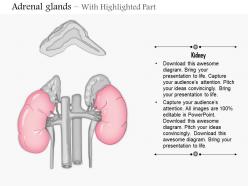
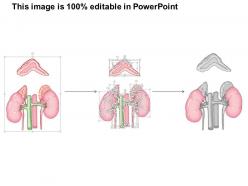
0714 adrenal glands medical images for powerpoint




Try Before you Buy Download Free Sample Product
 Impress Your
 Audience
 100%
100% Editable
 Save Hours
 of Time


Address emotive issues with our 0714 Adrenal Glands Medical Images For Powerpoint. Impress them with your level headed approach.
People who downloaded this PowerPoint presentation also viewed the following :
0714 adrenal glands medical images for powerpoint with all 10 slides:
Get a sturdy leg up with our 0714 Adrenal Glands Medical Images For Powerpoint. Ascend the ladder of success with elan.





FAQs for 0714 adrenal glands medical
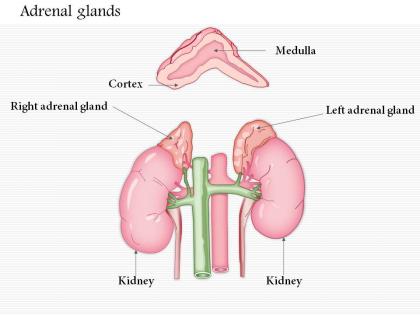
The adrenal glands' primary functions include hormone production, stress response regulation, blood pressure control, metabolism management, and electrolyte balance maintenance. These glands enhance bodily functions by secreting cortisol for stress management, adrenaline for emergency responses, and aldosterone for fluid regulation, ultimately delivering coordinated physiological control and adaptive responses to environmental challenges.
Adrenal hormones like cortisol and adrenaline regulate stress response by increasing heart rate, blood pressure, and glucose levels, while influencing metabolism through enhanced energy production and resource allocation. These hormones enable rapid physiological adaptation during acute stress situations, ultimately delivering improved survival mechanisms and metabolic efficiency, with many healthcare professionals finding that understanding these processes enhances patient care strategies.
Adrenal glands regulate blood pressure by producing hormones like aldosterone, cortisol, and adrenaline that control sodium retention, blood vessel constriction, and heart rate. These hormones work together by managing fluid balance, vascular tone, and cardiac output, with medical professionals increasingly recognizing their critical role in maintaining cardiovascular stability and preventing hypertensive complications.
Adrenal gland dysfunction significantly impacts overall health by disrupting hormone production, affecting energy levels, stress response, blood pressure regulation, and immune function. These imbalances can lead to chronic fatigue, weight fluctuations, mood disorders, and compromised metabolic processes, with many healthcare providers finding that early intervention through comprehensive hormone therapy ultimately delivers improved patient outcomes and enhanced quality of life.
Common adrenal disorders include Addison's disease, Cushing's syndrome, primary aldosteronism, pheochromocytoma, and congenital adrenal hyperplasia. These conditions present both diagnostic challenges and treatment opportunities, with healthcare institutions increasingly finding that early detection through comprehensive hormone testing, imaging protocols, and symptom monitoring ultimately delivers better patient outcomes and more effective therapeutic interventions.
Adrenal tumors disrupt hormone production by causing excessive secretion of cortisol, aldosterone, or adrenaline, leading to conditions like Cushing's syndrome, hyperaldosteronism, or pheochromocytoma. These hormonal imbalances result in high blood pressure, diabetes, weight changes, and cardiovascular complications, with many patients finding that early detection and treatment significantly improve outcomes and restore metabolic balance.
Lifestyle factors influencing adrenal health include chronic stress, inadequate sleep, poor nutrition, excessive caffeine consumption, and sedentary behavior. These factors can disrupt cortisol production and hormonal balance, while stress management techniques, regular exercise, balanced nutrition, and consistent sleep schedules help optimize adrenal function, ultimately supporting energy levels and metabolic health.
Chronic stress continuously elevates cortisol production, leading to adrenal fatigue, hormonal imbalances, and disrupted sleep-wake cycles that compromise overall metabolic function. This sustained activation impairs the body's ability to regulate blood sugar, immune responses, and energy levels, ultimately creating a cascade of health complications including increased inflammation, weight gain, and reduced stress resilience over time.
Common diagnostic tests for adrenal function include cortisol level measurements, dexamethasone suppression tests, ACTH stimulation tests, 24-hour urine collections for hormones, and specialized imaging like CT or MRI scans. These comprehensive assessments enable healthcare providers to identify conditions like Addison's disease, Cushing's syndrome, and adrenal tumors, ultimately delivering accurate diagnoses and targeted treatment plans.
Age and gender significantly influence adrenal hormone levels through natural physiological changes, hormonal fluctuations, and metabolic shifts. Women experience pronounced variations during menstruation, pregnancy, and menopause, while both genders show declining DHEA and altered cortisol patterns with aging, ultimately affecting stress response, metabolism, and overall health outcomes across different life stages.
The adrenal glands regulate circadian rhythm through cortisol production, which peaks in early morning to promote wakefulness and gradually declines throughout the day. This hormonal cycle synchronizes with the body's internal clock, influencing sleep-wake patterns, metabolism, and stress response, with disruptions potentially affecting energy levels, mood, and overall physiological balance.
Nutritional choices support adrenal function through balanced macronutrients, adequate protein intake, complex carbohydrates, healthy fats, and essential micronutrients like vitamin C, B-complex, and magnesium. These dietary strategies help stabilize blood sugar, reduce cortisol spikes, and provide raw materials for hormone production, with many healthcare practitioners finding that consistent meal timing and nutrient-dense foods significantly enhance stress resilience.
Treatments for adrenal gland disorders include hormone replacement therapy, surgical interventions, medication management, lifestyle modifications, and targeted drug therapies depending on the specific condition. These approaches work by restoring hormonal balance, removing tumors, and managing symptoms, with endocrinologists finding that early intervention and comprehensive care plans ultimately deliver better patient outcomes and improved quality of life.
Medications impact adrenal hormone production through various mechanisms, including suppressing cortisol synthesis, blocking hormone receptors, altering feedback loops, and interfering with enzyme pathways. Corticosteroids can suppress natural production, while blood pressure medications and antifungals may disrupt aldosterone and cortisol balance, ultimately requiring careful monitoring and gradual dosage adjustments.
Adrenal health significantly impacts mental well-being through cortisol regulation, stress hormone balance, and neurotransmitter production that affects mood, anxiety, and cognitive function. When adrenal glands function optimally, they enhance emotional stability, improve stress resilience, and support better sleep patterns, with healthcare professionals increasingly recognizing this connection for comprehensive mental health treatment approaches.
-
Attractive design and informative presentation.
-
Great quality slides in rapid time.