

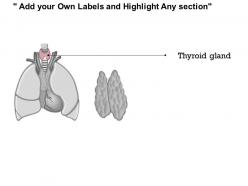
0714 thymus gland medical images for powerpoint




Try Before you Buy Download Free Sample Product
 Impress Your
 Audience
 100%
100% Editable
 Save Hours
 of Time


Our 0714 Thymus Gland Medical Images For PowerPoint are very compelling. They leave your audience with no other choice than to applaud.
People who downloaded this PowerPoint presentation also viewed the following :
0714 thymus gland medical images for powerpoint with all 9 slides:
Feel chuffed with our 0714 Thymus Gland Medical Images For PowerPoint. They will raise some chuckles in the audience.



FAQs for 0714 thymus gland medical
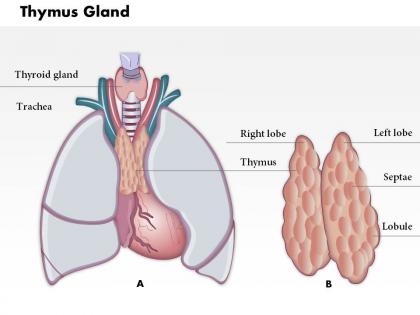
So basically your thymus is like a training ground for T-cells - those immune system fighters. It sits behind your breastbone and teaches immature white blood cells how to tell the difference between your healthy tissue and actual bad stuff like viruses. Without this training, your T-cells might go rogue and attack your own body, which would suck. The whole process is pretty wild when you think about it. Your thymus basically shows these cells what "you" looks like so they don't mess up later when they're out patrolling for real threats.
Ok so the thymus is basically T-cell boot camp. Bone marrow sends these immature T-cells there, and then they go through this crazy intense selection process. Most of them actually die - only like 5% make it through, which is kinda brutal when you think about it. But it's teaching them to recognize what's "you" vs what's foreign, plus weeding out any cells that might attack your own body later. That's how you avoid autoimmune stuff. The whole positive/negative selection thing is honestly the most important part to understand if you're trying to get adaptive immunity.
So your thymus basically peaks during puberty then starts shrinking around 15-20 - it's called thymic involution (fancy term, right?). Here's the thing though: this actually affects your immune system way more than most people realize. Fewer new T-cells get produced as it shrinks, so you're mostly relying on the ones you made when you were younger. That's partly why older people get sicker easier and vaccines don't work as well. Sleep, exercise, good food - all that stuff becomes way more crucial since you can't just pump out fresh immune cells like you used to.
So basically the thymus teaches your T-cells what's "you" vs "foreign invader." When that training goes wrong, boom - autoimmune disease where your immune system starts attacking your own stuff. Picture a bouncer who's had too many drinks and starts tossing out the regulars, you know? Some bad T-cells slip through training or go rogue later. That's why you'll see thymus weirdness in things like myasthenia gravis. Removing it surgically actually helps some autoimmune patients, which honestly surprised me when I first learned that. Worth checking thymus imaging if you're dealing with tricky autoimmune cases.
So the thymus doesn't really boss around other glands like your thyroid does. It's more like... it teams up with your adrenals and that whole hypothalamus thing. Actually, when you're super stressed out, cortisol basically tells your thymus to chill, which is why being constantly stressed makes you sick all the time. Growth hormone also talks to it, especially when you're growing up. But here's the thing - thymic hormones mostly just target your immune cells, not other glands. Think of it as your immune system's personal hormone maker rather than some big endocrine controller. Pretty different setup honestly.
So thymus stuff isn't super common, but there's three main things to watch for. Myasthenia gravis is probably the biggest - basically your immune system goes rogue and attacks muscle receptors, which sucks for patients obviously. Then you've got DiGeorge syndrome in kids where they're born without a thymus, so their immune system is toast. Thymomas are tumors that can go either way. Most thymus problems end up being autoimmune weirdness. Oh, and if you see random muscle weakness or kids getting sick constantly? Definitely worth checking thymus function - I missed one early in residency and felt like an idiot.
Hey! So there's actually a bunch of stuff that helps your thymus work better. Exercise is huge - even just moderate cardio gets those T-cells pumping. Sleep's probably the biggest one though, like 7-9 hours because that's when your thymus does its repair thing. Stress literally makes the gland shrink (crazy, right?), so meditation or whatever chill method works for you is key. Oh, and eating foods with antioxidants, zinc, vitamin D - all good for it. Honestly I'd start with just fixing your sleep schedule first since that's usually the easiest win.
So the thymus is where thymosin gets made - it's like this little hormone factory in your chest. Thymosin's job is training your T-cells to actually work properly. Without it, those immune cells would be pretty useless at fighting off infections. The whole process is honestly kind of fascinating - your thymus just churns out this hormone that basically teaches immature T-cells how to mature and do their thing. I always thought it was weird how we have this tiny gland that's so crucial for immunity, but here we are. If you're studying this stuff, definitely nail down that thymus-thymosin relationship first. Makes everything else click into place way easier.
So basically cortisol and other stress hormones are absolute killers for your thymus gland. They cause tons of T cells to die off and can actually shrink the whole thing. Your thymus is crazy sensitive to hormones anyway - that's why it shrinks during puberty when all those sex hormones kick in. But chronic stress? That's the worst because it keeps your cortisol jacked up constantly. Growth hormone helps support thymus function, but stress suppresses that too. It's honestly wild how connected everything is. Bottom line - managing stress literally protects where your immune system gets trained.
So if they're checking your thymus, CT scans and MRIs are your best bet - they'll show size, location, any weird masses. Blood work's super important too, especially testing for acetylcholine receptor antibodies since most myasthenia gravis patients (like 85%) have thymus problems. PET scans can help tell normal tissue from tumors, though honestly they're not foolproof. Sometimes they'll throw in thyroid tests because autoimmune stuff tends to come in groups, which is annoying. If imaging looks sketchy, you'll probably get sent to a thoracic surgeon for maybe a biopsy or to talk about removing it.
So the thymus is like boot camp for your T-cells - that's where they learn to spot bad guys and fight infections. Most active when you're a kid (honestly explains why my nephew gets sick for like 2 days while I'm down for a week). Your T-cells get trained there, then when you catch something nasty, they jump into action and coordinate your whole immune response. It slows down as you get older but never fully stops working. Without it though? Your body would be completely clueless against new bugs since your adaptive immunity depends on it.
So there's this crazy new research about the thymus - you know, that little gland that shrinks as we get older? Turns out it might be a huge player in how we age. When it shrinks (thymic involution), our immune system basically tanks and inflammation goes up. But here's the cool part: scientists think we can actually regenerate it with stuff like growth hormone therapy, metformin, even certain diets. More thymus = better T-cells = stronger immunity. Honestly didn't expect a random gland to be this important. Good sleep and managing stress help too, which makes sense I guess.
Yeah, it can regenerate but not amazingly well. Your thymus shrinks as you get older anyway - that's just normal aging. But after chemo or radiation damage, it'll try to bounce back. Age matters a ton though. Kids recover way better than adults do. Growth hormone and IGF-1 help the process along. Here's something weird - sex hormones like testosterone actually block regeneration, which is why castrated animals recover better (random but true). If you're looking into treatments, growth hormone therapy and something called keratinocyte growth factor are showing decent results in studies.
So thymic epithelial cells are like drill sergeants for T cells. They show developing T cells what your normal body stuff looks like, then kick out any T cells that might attack your own tissues later. Smart setup, honestly. The good T cells that can spot actual threats get to stay. These cells also pump out hormones like thymosin to help T cells mature properly. When thymic function gets messed up, you're looking at either autoimmune issues or your immune system just... doesn't work right. Worth checking if someone's having weird immune problems.
Thymus stuff is tricky since it's pretty uncommon. With myasthenia gravis, they'll usually do surgery to remove it, plus immunosuppressants and sometimes plasmapheresis to clean out the bad antibodies. Tumors need surgery too - might add chemo or radiation if it looks nasty. Honestly, you don't want to mess around with general doctors for this. Get to a specialist fast, either thoracic surgery or neuro depending on symptoms. These guys see it all the time and know the newest treatments. Regular docs just don't encounter it enough to really know what they're doing.
-
Illustrative design with editable content. Exceptional value for money. Highly pleased with the product.
-
Very unique, user-friendly presentation interface.