

0814 streptococcus pyogenes bacterium medical images for powerpoint




Try Before you Buy Download Free Sample Product
 Impress Your
 Audience
 100%
100% Editable
 Save Hours
 of Time


You may wonder why you need to use 0814 Streptococcus Pyogenes Bacterium Medical Images For Powerpoint created by PowerPoint professionals when you can do one yourself. The simple reason is that professionals create professional presentations that are sure to sell.
People who downloaded this PowerPoint presentation also viewed the following :
0814 streptococcus pyogenes bacterium medical images for powerpoint with all 10 slides:
Cook up a feast with our 0814 Streptococcus Pyogenes Bacterium Medical Images For Powerpoint. Satiate the innermost desires of your audience.
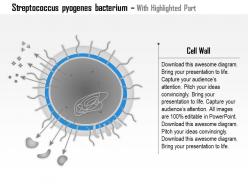
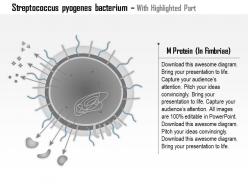
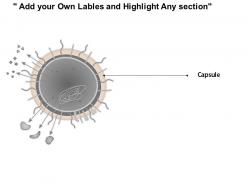
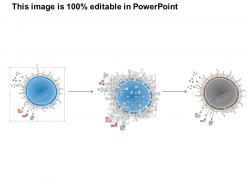


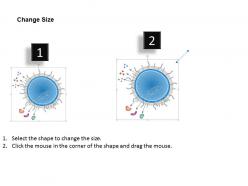
FAQs for 0814 streptococcus pyogenes bacterium medical
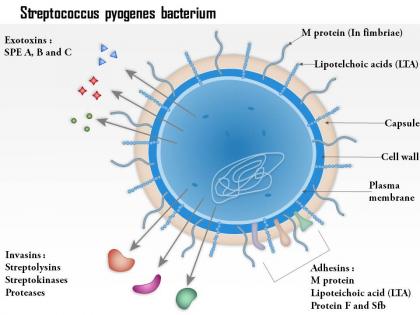
So S. pyogenes - that's your basic strep throat culprit. It's gram-positive, grows in chains, and does beta-hemolysis on blood agar. Group A strep, facultative anaerobe, the whole deal. This thing's got serious range though - goes from simple sore throat to that terrifying flesh-eating disease stuff. M protein is huge for immune evasion and typing strains. Oh, and streptolysin O is another major virulence factor it pumps out. If you're IDing clinical samples, beta-hemolysis plus latex agglutination for Group A antigen should nail it down pretty reliably.
So basically S. pyogenes is nasty because it has all these tricks to mess with your body. The M protein helps it hide from your immune cells, which is honestly pretty impressive for something so tiny. It pumps out toxins like streptolysin O and S, plus these superantigens that make your immune system go completely haywire. Then there's enzymes like hyaluronidase that literally dissolve tissue barriers so it can spread faster. That's why you can go from regular strep throat to something terrifying like necrotizing fasciitis. Get antibiotics ASAP if you suspect strep - this bug doesn't mess around.
So strep pyogenes spreads the usual way - droplets when people cough or sneeze, plus touching contaminated stuff. Schools and households are basically germ factories for this thing. You'll also catch it from sharing drinks or utensils, which honestly people do way too much anyway. Direct contact with infected wounds is another route. Hand washing is clutch here. I'd avoid getting too close to anyone showing symptoms, especially if there's an outbreak going around your workplace. Pretty standard prevention stuff but it actually works.
So strep pyogenes is honestly kind of scary - it does everything from basic strep throat to the really terrifying flesh-eating disease. Most of the time you're just dealing with pharyngitis or maybe some skin infections like impetigo or cellulitis. But then there's the invasive stuff that'll keep you up at night - necrotizing fasciitis, toxic shock syndrome. Rare, but moves crazy fast. Oh, and don't forget about rheumatic fever or kidney problems that can show up later. The trick is catching when someone's going downhill quickly from what seemed like simple strep throat.
For pharyngitis, I usually go with rapid antigen tests first - super quick results but they miss some cases. Blood agar culture is still the gold standard, especially when the rapid test comes back negative but you're pretty sure it's strep. Blood cultures are crucial for invasive stuff. PCR is getting popular now and honestly way more reliable than the old methods. Look for those classic beta-hemolytic colonies that are bacitracin sensitive. Oh, and don't forget you can test antigen on sterile specimens too. Most important thing though - always match up your results with what you're actually seeing clinically.
Okay so for S. pyogenes - the big thing is M protein, that's what helps it dodge your immune cells. Then you've got streptokinase and hyaluronidase breaking down tissues (gross but effective). The hemolysis you see on blood agar? That's from streptolysin O and S. Pyrogenic exotoxins cause scarlet fever's rash and toxic shock. DNases are sneaky - they destroy those DNA traps neutrophils make. Lab identification is pretty straightforward though. Look for beta-hemolysis and bacitracin sensitivity, those are your bread and butter tests. Honestly once you see that clear zone around the colonies, you're basically there.
Penicillin works amazingly well against strep - honestly, it's wild that this bacteria still hasn't figured out how to resist it after all these years. Doctors usually go with penicillin V pills for regular cases, or IV penicillin G if things look serious. Can't take penicillin? No worries, erythromycin or clindamycin work great too. Clindamycin's actually pretty cool because it stops the toxin production in really bad infections. The key thing is getting on antibiotics fast - it'll prevent nasty complications and you won't be spreading it around to everyone.
Wash your hands a lot, especially after you cough or sneeze. Don't share stuff like forks or towels either. Cover your mouth with your elbow when you cough - not your hands obviously. If you've got any cuts, keep them clean and bandaged since the bacteria can get in through broken skin. Avoid people with active strep throat or skin infections if you can. I know it all sounds super basic but honestly these things actually work. My sister never does this stuff and she's always getting sick lol. Just treat it like any other contagious thing and you'll probably be fine.
So basically, S. pyogenes gets resistant when you keep hitting it with antibiotics - the tough ones survive while the weak ones die off. Pretty standard evolution stuff. But here's the sneaky part: these bacteria actually share resistance genes with each other through conjugation and transformation. It's like they're passing cheat codes around. Mutations in ribosomal proteins and cell wall enzymes also play a role. The fix? Proper antibiotic use - right drug, right dose, finish the whole course even when you feel better. I know it's tempting to stop early, but don't.
So basically what happens is the strep bacteria has this M protein that looks way too similar to stuff in your heart and joints. Your immune system fights off the strep infection fine, but then those same antibodies get confused and start attacking your own tissue instead. Pretty crazy, right? That's why doctors are super aggressive about knocking out strep throat with antibiotics - they want it gone before your body has time to develop those confused antibodies. I had no idea a simple throat infection could mess with your heart weeks later, but that's exactly what rheumatic fever is.
Yeah, strep can get really ugly fast. Necrotizing fasciitis is the scary flesh-eating one everyone's heard about. You've also got toxic shock syndrome and post-infectious glomerulonephritis to worry about. Rheumatic fever used to be huge but it's way less common now, thank god - still see it in kids sometimes though. Here's the thing: even basic strep throat can turn into this stuff. If your patient's got systemic symptoms beyond the usual sore throat, don't mess around. Get blood cultures and hit it hard with treatment.
Yeah, there's actually some decent progress happening with Strep A vaccines right now. Most researchers are focusing on the M protein since that's what helps the bacteria dodge our immune systems. The smart approach seems to be either covering multiple M protein types or - and this is pretty cool - targeting conserved regions that work against all strains. Clinical trials are running for a few candidates, but realistically we're looking at 5-10 years before anything hits the market. Definitely worth checking WHO's pipeline updates if you're dealing with high-risk groups though.
So basically your body sends neutrophils first - they're like the emergency responders that rush in and dump antimicrobial stuff everywhere. Then your T-cells and antibodies join the party, targeting strep's proteins (especially this thing called M protein). But here's where it gets weird - some strep strains can actually turn your immune system against you. That's how you end up with rheumatic fever and other autoimmune mess. Honestly, that's why doctors push antibiotics so hard instead of the whole "let your body handle it" approach. Your immune system's great, but strep plays dirty.
Kids get absolutely hammered by Strep pyogenes compared to adults. Their immune systems just can't handle it the same way - you'll see way more nasty invasive stuff like necrotizing fasciitis and toxic shock. Meanwhile adults usually just get pharyngitis or maybe some impetigo. Under-2s have crazy high mortality rates too, which is honestly terrifying. The big takeaway? Don't mess around with pediatric cases. If a kid's showing any signs of invasive strep, be aggressive about treatment and get them admitted fast. Way lower threshold than you'd have with adults.
So basically public health jumps on Strep pyogenes outbreaks with surveillance systems and quick response teams. They track cases through lab reports and investigate clusters - schools and nursing homes are hotspots since it spreads like crazy in close quarters. Contact tracing is huge here. They'll isolate people and sometimes give preventive antibiotics to high-risk contacts. The really nasty invasive types (necrotizing fasciitis - yikes) get priority reporting because they can kill people fast. Honestly, if you suspect an outbreak, call your local health department right away. They've got specialized teams who can move quickly and stop things from spiraling.
-
Excellent Designs.
-
Use of different colors is good. It's simple and attractive.