


0914 coronary angioplasty medical images for powerpoint




Try Before you Buy Download Free Sample Product
 Impress Your
 Audience
 100%
100% Editable
 Save Hours
 of Time


With our 0914 Coronary Angioplasty Medical Images For PowerPoint it's right there in your hand. All the help at your fingertips.
People who downloaded this PowerPoint presentation also viewed the following :
0914 coronary angioplasty medical images for powerpoint with all 8 slides:
Crisis fades away with our 0914 Coronary Angioplasty Medical Images For PowerPoint. Any confusion will begin to clear.


FAQs for 0914 coronary angioplasty medical
Coronary angioplasty is a minimally invasive procedure that opens blocked coronary arteries using a balloon catheter and often a stent, differing from bypass surgery, valve replacement, and ablation procedures through its targeted approach and faster recovery time. Unlike open-heart surgeries that require extensive incisions, angioplasty enables cardiologists to restore blood flow through small arterial access points, ultimately delivering reduced hospitalization costs and quicker patient outcomes.
Primary indications for coronary angioplasty include acute myocardial infarction, unstable angina, stable angina unresponsive to medical therapy, significant coronary stenosis, and failed thrombolytic treatment. These interventions streamline cardiac care by restoring blood flow, reducing hospital stays, and minimizing tissue damage, with many cardiovascular centers finding that timely angioplasty delivers improved patient outcomes and enhanced treatment efficiency.
Coronary angioplasty risks include bleeding at the catheter site, blood clots, artery damage, kidney problems from contrast dye, and rare heart complications like arrhythmias or heart attack. While these complications occur in less than 5% of procedures, healthcare teams minimize risks through advanced imaging, refined techniques, and comprehensive pre-procedure screening, ultimately delivering safer interventions.
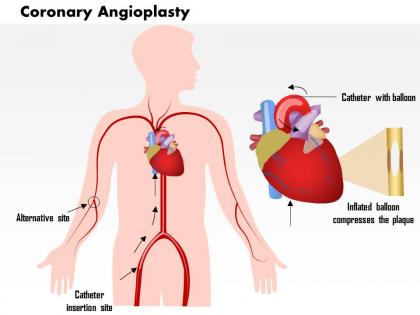
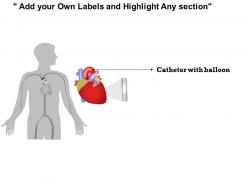
Angioplasty improves blood flow by inflating a tiny balloon inside blocked coronary arteries to compress plaque against vessel walls, widening the narrowed passage. This procedure typically includes stent placement to maintain arterial opening, enabling enhanced oxygen delivery to heart muscle, reducing chest pain, and ultimately restoring cardiac function for improved patient outcomes.
Stents serve as scaffolding devices that keep coronary arteries open after angioplasty, preventing re-narrowing and maintaining blood flow to the heart muscle. These mesh-like tubes include bare metal stents and drug-eluting stents, with many cardiovascular centers finding that drug-eluting varieties significantly reduce restenosis rates, ultimately delivering improved patient outcomes and long-term vessel patency.
Technology has revolutionized coronary angioplasty through drug-eluting stents, advanced imaging systems, robotic-assisted procedures, and biodegradable scaffolds. These innovations enhance precision, reduce complications, and minimize recovery times, with cardiac centers finding that patients experience improved outcomes, fewer repeat procedures, and faster return to daily activities, ultimately delivering better long-term cardiovascular health.
Pre-operative assessments for coronary angioplasty include comprehensive cardiac evaluation, blood work analysis, kidney function testing, medication review, and imaging studies like ECG and echocardiogram. These assessments streamline surgical planning, minimize procedural risks, and enhance patient outcomes, with many cardiac centers finding that thorough pre-operative protocols ultimately deliver faster recovery times and reduced complications.
Post-operative care after coronary angioplasty includes cardiac monitoring, antiplatelet therapy, wound site observation, activity restrictions, and medication adherence protocols. Healthcare facilities streamline recovery through structured monitoring systems, patient education programs, and follow-up scheduling, with many cardiac centers finding that comprehensive care coordination reduces complications while enhancing patient outcomes and hospital efficiency.
Lifestyle changes and rehabilitation significantly enhance coronary angioplasty outcomes by reducing re-blockage rates, improving cardiovascular health, and extending procedural benefits through dietary modifications, exercise programs, and smoking cessation. These interventions enable patients to maintain arterial health, minimize future complications, and achieve sustained recovery, with many cardiac rehabilitation programs finding that structured lifestyle support ultimately delivers better long-term outcomes.
Long-term success rates for coronary angioplasty typically range from 85-95% over five years, with outcomes varying based on patient health, artery complexity, and post-procedure care adherence. Modern drug-eluting stents significantly reduce restenosis rates to under 10%, while comprehensive cardiac rehabilitation programs enhance long-term vessel patency, ultimately delivering improved quality of life and reduced cardiovascular events for most patients.
Coronary angioplasty significantly enhances chronic coronary artery disease management by restoring blood flow, reducing symptom burden, and improving patient quality of life through minimally invasive intervention. This procedure enables healthcare systems to deliver faster treatment outcomes, reduce long-term medication dependencies, and optimize resource allocation, with many cardiac centers finding that strategic angioplasty programs ultimately streamline patient care pathways.
Angiographic imaging provides real-time visualization of coronary arteries, enabling precise catheter navigation, accurate stent placement, and immediate assessment of blood flow restoration during angioplasty procedures. This imaging technology enhances procedural success by allowing cardiologists to identify blockage severity, monitor vessel expansion, and detect complications instantly, ultimately delivering improved patient outcomes and reducing repeat interventions across cardiac care facilities.
The choice between coronary angioplasty and CABG depends on blockage severity, number of affected vessels, patient age, overall health status, and diabetes presence. Through comprehensive cardiac evaluation, medical teams assess lesion complexity, left ventricular function, and lifestyle factors, with many cardiovascular centers finding that multi-vessel disease and complex anatomy increasingly favor surgical intervention for optimal long-term outcomes.
Cardiologists assess timing for urgent coronary angioplasty by evaluating symptom severity, ECG changes, cardiac biomarkers, hemodynamic stability, and patient risk factors. Through rapid diagnostic protocols, emergency departments and cardiac catheterization labs coordinate immediate intervention within 90 minutes for STEMI cases, ultimately minimizing myocardial damage and improving patient outcomes.
Recent drug-eluting stent advancements include biodegradable polymers, improved metallic platforms, enhanced drug formulations, ultrathin strut designs, and bioabsorbable scaffolds. These innovations streamline healing by reducing inflammation, minimizing restenosis rates, and accelerating endothelialization, with cardiovascular centers finding that patients experience fewer complications, shorter recovery times, and significantly improved long-term cardiac outcomes.
-
Topic best represented with attractive design.
-
Awesomely designed templates, Easy to understand.