


0714 cardiac cycle medical images for powerpoint




Try Before you Buy Download Free Sample Product
 Impress Your
 Audience
 100%
100% Editable
 Save Hours
 of Time


Our 0714 Cardiac Cycle Medical Images For PowerPoint allow you to compose freely. Your thoughts will flow in complete harmony.
People who downloaded this PowerPoint presentation also viewed the following :
0714 cardiac cycle medical images for powerpoint with all 9 slides:
Your thoughts will create an electric atmosphere. Put the switch on with our 0714 Cardiac Cycle Medical Images For PowerPoint.
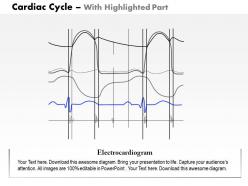
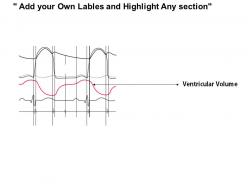

FAQs for 0714 cardiac cycle medical
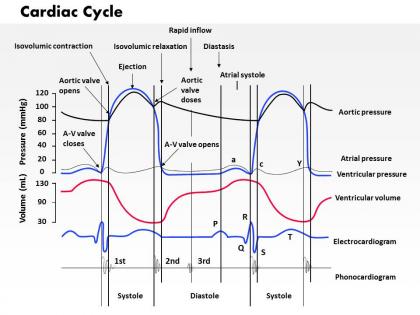
So your heart has two main phases - systole and diastole. Systole is when the ventricles squeeze to pump blood out. Left ventricle pushes oxygenated blood to your body, right one sends the deoxygenated stuff to your lungs. Then diastole happens and everything relaxes so the chambers can fill back up with blood. It's like a constant squeeze-and-release thing, maybe 60-100 times a minute depending on what you're doing. Oh and if you ever listen to heart sounds with a stethoscope, that classic "lub-dub" is actually the valves closing during these phases - pretty cool once you know what you're hearing.
Your heart's basically got its own electrical system that keeps everything coordinated. SA node kicks things off by firing a signal across the atria - that's what makes them squeeze blood into the ventricles. Pretty cool how the AV node creates this little pause before passing the signal down through the bundle of His and Purkinje fibers. Without that delay, everything would contract at once and you'd be in trouble. The whole sequence makes sure your atria and ventricles pump in the right order. When you see weird rhythms on an EKG, you're literally watching this system glitch out.
So preload and afterload are the two big things that control how your heart pumps. Preload is how stretched your ventricles get before they squeeze - more stretch usually means a stronger pump, like stretching a rubber band further. Afterload is basically the resistance your heart fights against, mostly from arterial blood pressure. Picture squeezing a water balloon through different sized holes. High afterload will wear your heart out over time. You really want that sweet spot with preload though - that's where you get max stroke volume. Both matter when you're looking at how well someone's heart is working.
So cardiac output is just stroke volume x heart rate - pretty simple math. When heart rate goes up but stroke volume stays put, you'll get higher cardiac output. Works the same way if stroke volume increases while heart rate doesn't budge. Here's where it gets weird though - they don't always play nice independently. Super high heart rates actually tank your stroke volume because the ventricles don't have enough time to fill properly. Kind of counterintuitive, right? Both need to work together for decent perfusion, so don't evaluate one without checking the other.
So basically your heart valves are like one-way doors - they stop blood from flowing backwards. When your ventricles squeeze, the AV valves (tricuspid and mitral) snap shut so blood can't go back to the atria. At the same time, the semilunar valves open to push blood out. Then it flips - ventricles relax, semilunar valves close, AV valves open for filling. It's actually pretty cool how coordinated it all is. Oh and that "lub-dub" sound? That's literally just the valves slamming shut.
When you exercise, your heart rate can double or even triple - crazy right? This squeezes the whole cardiac cycle, especially the part where your heart fills with blood. But here's the thing: your stroke volume actually goes up because your heart contracts way harder and empties more completely. The filling phase gets shorter, sure, but it still works fine since blood return increases and your heart relaxes faster. Oh and definitely track both heart rate AND blood pressure when you're working out - they'll tell you different things about what's happening.
So basically when arrhythmias mess with your heart rhythm, the timing between your atria and ventricles gets all screwed up. Your heart can't fill or pump blood properly, which means less oxygen gets to your tissues. Some are no big deal - like random PVCs that everyone gets sometimes. But others? They can cause fainting, heart failure, or worse. Honestly, the heart's timing is so precise that even small disruptions can tank your blood pressure. If you're seeing sustained weird rhythms in patients, don't mess around - grab an EKG and check if they're stable.
Dude, echo is where cardiac cycle stuff actually makes sense. You're literally watching the heart do its thing in real time - valves opening and closing, chambers filling up, walls squeezing. Way cooler than those boring textbook diagrams tbh. You can spot when timing's off or valves aren't working right. Plus you get actual numbers on ejection fraction and pressures during systole vs diastole. It's like finally seeing how all that physiology actually plays out in a real patient. Makes everything click way better than just memorizing phases.
So basically, your heart rate changes because of a bunch of different things working together. Your nervous system is the big player - when you're stressed or working out, it speeds everything up. Relaxing does the opposite. Hormones like adrenaline and thyroid stuff also mess with it, plus how much blood you've got affects the stretch on your heart muscle. Oh, and your metabolism plays a role too - like when you need more oxygen during exercise. It's actually pretty smart how your body just automatically adjusts to give you exactly what you need.
So athletes basically have these super efficient hearts that fill up way more between beats - that's why their resting heart rate can be like 40-50 bpm which honestly seems crazy low. Each beat pumps way more blood too. Regular people? We're stuck around 70-80 bpm with shorter, less efficient cycles. The diastolic phase is where you really see the difference - athletes' hearts relax faster and fill more completely. Training literally rewires the whole system. Oh and if you're measuring cardiac stuff, definitely factor in someone's fitness level first or your numbers won't make sense.
So basically when your blood pressure drops, these sensors in your neck arteries pick up on it and your body goes into overdrive mode. Heart starts beating faster and pumps harder to get things back to normal. Pretty cool how automatic it all is, right? If your BP gets too high though, everything slows down instead - heart rate drops and contractions get weaker. There's also this whole hormone system that handles the longer stuff. The reflex changes happen super quick, like within seconds, but hormonal adjustments? That's more like minutes to hours.
So basically when the heart's timing gets screwed up, things go downhill fast. Short diastole means your ventricles can't fill up right - less blood in, less blood out. That's bad news for stroke volume. On the flip side, if systole drags on too long, your heart muscle gets exhausted and can't even perfuse itself properly. I see this mess all the time with heart failure patients, arrhythmias, valve problems - you name it. The tricky part is figuring out how these timing issues are actually affecting your patient's hemodynamics and what symptoms they're dealing with.
So basically heart meds work by hitting different parts of the cardiac cycle. Digoxin pumps up how hard your heart squeezes during contraction. Beta-blockers do the opposite - they chill everything out, slowing rate and weakening force. Then you've got vasodilators that mess with preload and afterload, which changes how much resistance your heart faces when it's trying to pump blood out. Calcium channel blockers are interesting because they hit both timing and strength. Here's the tricky part though - most of these don't work alone. You'll see combo effects on rate, squeeze strength, and filling pressures all at once.
Honestly, there's no real connection between those two things at all. Your heart beats every second or so, but red blood cells stick around for like 120 days before your spleen breaks them down. Completely different timescales. The heart just pumps the RBCs around - doesn't actually affect how long they live. Think of it like... I dunno, comparing how fast a car drives vs how long the tires last? Weird comparison but you get it. If you're looking into hemolysis stuff, you'd want to focus more on membrane damage and oxidative stress instead.
Okay so basically knowing the cardiac cycle lets you catch heart problems super early. Like, way before patients even feel sick. During regular checkups, you'll hear weird murmurs or extra sounds that shouldn't be there - it's honestly pretty cool how much you can detect just by listening. Once you know what normal systole and diastole sound like, the abnormal stuff jumps out at you. Don't just wait for patients to complain about chest pain or whatever. Most heart issues creep up slowly and people don't notice until it's bad. Really pays off to listen carefully during every exam.
-
Easily Editable.
-
Great designs, Easily Editable.