

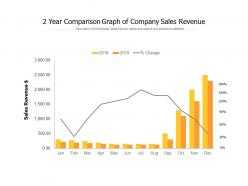
2 year comparison graph of company sales revenue





Try Before you Buy Download Free Sample Product
 Impress Your
Audience
 100%
Editable
 Save Hours
of Time


Even guesses come good with our 2 Year Comparison Graph Of Company Sales Revenue. They are based on established facts.
People who downloaded this PowerPoint presentation also viewed the following :
2 year comparison graph of company sales revenue with all 6 slides:
Be a great guide with our 2 Year Comparison Graph Of Company Sales Revenue. Direct them firmly in the best direction.


FAQs for 2 year comparison graph of
So for quarterly sales, I'd start with the obvious stuff - total revenue growth and how many new customers you grabbed. Average deal size matters too. But here's what trips people up: sometimes revenue looks good but you're actually making less per customer, which is kinda scary. Check your conversion rates and how long your sales cycles are taking - that tells you if your team's getting better at closing deals. Oh and definitely account for seasonal stuff since some quarters are just naturally slower. Honestly, just throw it all in a dashboard so you're not stuck digging through Excel every month.
Ugh, seasonality messes with everything! Like if you're looking at Q4 vs Q1 numbers, it's gonna look terrible but that's just holidays vs the dead zone after. I learned this the hard way last year - kept panicking over "bad" months that were actually totally normal. Compare the same periods instead. This March vs last March, not this March vs December. Year-over-year is your friend here. You can smooth out the data too if you want to get fancy about it. But honestly? Just don't compare random time periods and expect them to mean anything.
Dude, segmentation is like having x-ray vision for your money flow. You'll actually see WHY revenue moves instead of just staring at one big confusing number. Break it down by customer types, regions, product lines - whatever fits your thing. Maybe B2B customers are killing it while retail totally sucks. That's gold you'd never catch looking at everything mashed together. Honestly, most people overthink this part. Just pick your 2-3 biggest segments that actually matter and track those trends separately. Way better than playing guessing games with your overall numbers.
Yeah, economic stuff totally messes with revenue comparisons between industries. Rising interest rates? Real estate and car sales get crushed, but discount stores might actually do better since people downgrade their spending. Inflation hits luxury brands way harder than grocery stores - makes sense when you think about it. Manufacturing companies deal with supply chain nightmares while service businesses barely feel it. You can't just look at raw numbers across different industries without factoring in what's happening economically. Otherwise you're comparing apples to... I don't know, weird expensive oranges or something. Context is everything.
Oh man, the worst mistake is ignoring all the weird stuff that throws off your numbers. Like seasonal spikes, that random huge order from last year, or just general market craziness. Currency changes will mess you up too if you're selling internationally - learned that one the hard way. Also watch for product mix shifts. Your revenue might look flat but you could actually be killing it in unit sales. And honestly? Double-check you're not comparing totally different business situations, like before/after a major product launch.
Dude, charts are a lifesaver for revenue stuff. Nobody wants to stare at endless spreadsheet rows - their brains just shut off. Bar charts work perfectly when you're comparing different quarters or regions. Line graphs? Great for showing how things moved over time. I swear, half the presentations I sit through are just people reading numbers out loud while everyone zones out. Color coding is clutch too - helps people actually remember what matters. You can tell a real story with your data instead of just dumping facts. Way more engaging than the alternative.
For revenue comparisons, Tableau and Power BI are solid choices - they make trend spotting pretty straightforward. Google Data Studio works well too if you want something free. Excel's fine with pivot tables, but honestly it gets messy once your data grows. If you're already using Salesforce or HubSpot, their built-in analytics might be all you need. I'd avoid getting too fancy at first though. Pick whatever connects easily to your current sales data and can pull numbers automatically. Trust me, you don't want to be manually updating spreadsheets every month - been there, it sucks.
Pricing literally makes or breaks your revenue across product lines. Go premium and you'll sell less but make way more per unit. Price competitively? Volume goes up, margins shrink. But here's what's weird - the price itself sends signals about quality too. Customers actually respond differently to the same product at different price points, which is kinda fascinating if you think about it. I'd honestly just test a few similar products at different prices and see what happens. That'll tell you how sensitive each line really is.
Start with currency conversion - either lock in fixed exchange rates for your comparison window or use PPP adjustments. IFRS 15 helps standardize what actually counts as revenue across different accounting systems, which is honestly a lifesaver. Market maturity indexing matters too since emerging markets act totally different from developed ones. Then factor in local market penetration rates and seasonal adjustments for each region. The biggest thing? Pick one approach and stick with it everywhere. Otherwise you're just comparing random stuff and the whole analysis falls apart.
You need to adjust for inflation or you'll get a totally wrong picture of how you're doing. Like, say your sales went up 20% over five years - sounds great, right? But if inflation was 15% during that time, you really only grew 5%. Ouch. Raw numbers are basically useless when you're comparing different years. I'd grab a consumer price index calculator and convert everything to today's dollars. Trust me, it's way more honest about whether you're actually growing or just treading water with rising costs. Sometimes the truth stings but at least you'll know where you really stand.
Look, revenue comparisons are honestly your best friend for figuring out what's actually working. You'll see which products or regions are crushing it versus just looking good on paper. Maybe that new product you launched isn't the goldmine you thought - the data doesn't lie. Use this stuff to decide where to throw more money and what to kill off. I'd probably pull these reports monthly if I were you. Compare year-over-year and quarter stuff. It sounds boring but it'll save you from making terrible decisions with your budget.
Revenue numbers don't tell the whole story, honestly. Check your customer satisfaction scores and what's happening with your sales team first. Seasonal stuff can mess with everything - plus competitive changes and where your product sits in its lifecycle. Did you shift pricing recently? Marketing campaigns can totally throw off the timeline too. Customer retention is huge here. I'd actually start there because you might look profitable but be losing your best customers. Acquisition costs matter just as much. Map all this against your revenue timeline and you'll see what's really going on.
Honestly, customer feedback changes everything when you're looking at sales numbers. Revenue might be down but if people are happier, you're probably just attracting better customers who'll actually stick around - which is gold. But if sales are up and feedback tanks? Red flag. You're basically burning bridges for quick cash, which never ends well. The feedback tells you *why* your numbers look the way they do. I always check what customers are saying alongside the revenue data. Otherwise you're just guessing what's really happening with your business.
Start with the big picture stuff - total revenue, growth percentages, main trends. Then get into details. Always give context though, like comparing to last quarter or whatever benchmarks make sense. Trust me, I bombed my first presentation because it was just random charts everywhere lol. Clean visuals are clutch, especially for executives who basically have zero attention span. Oh and here's what really matters - come prepared with 2-3 solid takeaways or recommendations. People don't just want to know what happened, they want to know what it means and what to do about it.
Dude, forget just staring at your sales numbers - you need to track what's coming next. Check out customer forums instead of sitting through boring meetings (way more useful honestly). See how tech is changing what people want in your space. Are they buying differently? Wanting new stuff? Going digital? Set up quarterly check-ins to figure out which revenue streams might tank and what new opportunities are popping up. Build some flexibility into your forecasting so you can pivot fast when things change. Test small pilot programs first before throwing serious money around.
No Reviews