


4p de diapositivas de presentación de PowerPoint de marketing




Try Before you Buy Download Free Sample Product
 Impress Your
 Audience
 100%
100% Editable
 Save Hours
 of Time


Crear un espectáculo de PowerPoint de marketing de 4p no es tarea fácil. Para dar un ejemplo de gran PPT sobre la estrategia de marketing mix, necesita ofrecer un espectáculo visual impresionante. Teniendo esto en cuenta, hemos creado nuestra presentación de diapositivas ya preparada para ilustrar las 4 p's del marketing. Con la ayuda de esta presentación de PowerPoint, puede compartir ideas sobre nuevas oportunidades de mercado, discusión de estrategias comerciales, uso eficiente de recursos y para combatir rivales. Con este ejemplo de PPT, puede resaltar la importancia de los elementos correctos de la mezcla de marketing necesarios para el éxito de un producto. No solo esto, esta plataforma de diapositivas de PowerPoint también ayuda a subrayar los desafíos clave, así como el propósito de una combinación de marketing en el desarrollo de nuevos productos y mejorar el negocio. Para ayudarlo a obtener más diapositivas de presentación exclusivas de Powerpoint, como el ciclo de vida del producto, se incluyen estrategias de extensión, estrategias y tácticas de precios, canales de distribución, tipos de promoción, modelos de mezcla de marketing, etc. En resumen, si realmente necesita hacer esto rápido, descargue rápidamente nuestras 4 p's de PPT de marketing. Ilustre las entrañas del motor con nuestras diapositivas de presentación de PowerPoint de 4ps de marketing. Explique cómo se generan más caballos de fuerza.
People who downloaded this PowerPoint presentation also viewed the following :
Contenido de esta presentación de Powerpoint
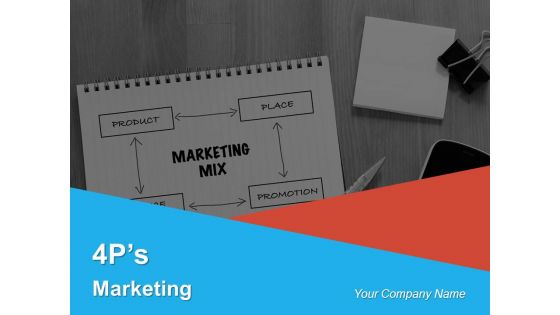
Diapositiva 1 : Esta diapositiva presenta el marketing de 4P. Agregue el nombre de su empresa y comience.
Diapositiva 2 : Esta es una diapositiva de Agenda. Muestre sus agendas aquí.
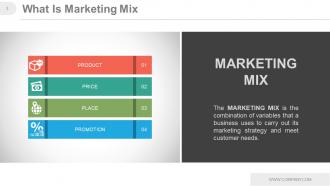
Diapositiva 3: Presentación de diapositivas Qué es Marketing Mix: LUGAR, PRODUCTO, PROMOCIÓN, PRECIO.
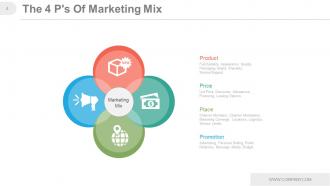
Diapositiva 4 : Esta diapositiva establece las 4 P de la mezcla de marketing, que son: Producto, Precio, Lugar, Promoción. Utilice según su requisito.
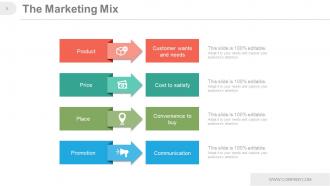
Diapositiva 5 : Esta es la diapositiva de Marketing Mix. Hemos mostrado estos 4 parámetros: Producto, Precio, Promoción, Lugar. Puede modificarlos según sus necesidades.
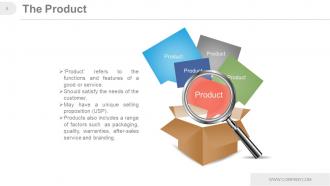
Diapositiva 6 : Esta es la diapositiva del Producto con imágenes de lupa. Indique aquí sus diversos aspectos, factores, etc.
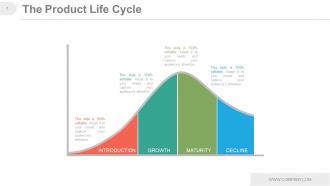
Diapositiva 7 : Esta diapositiva muestra el ciclo de vida del producto. Sus 4 etapas son: INTRODUCCIÓN, CRECIMIENTO, MADUREZ, DECLINACIÓN.
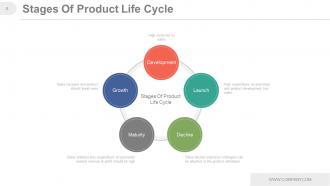
Diapositiva 8 : Esta diapositiva muestra las etapas del ciclo de vida del producto, a saber: desarrollo, lanzamiento, crecimiento, madurez y declive.
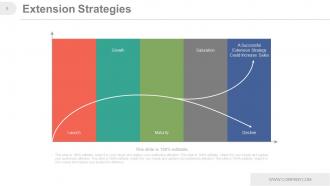
Diapositiva 9 : Esta diapositiva muestra las Estrategias de extensión en forma gráfica.
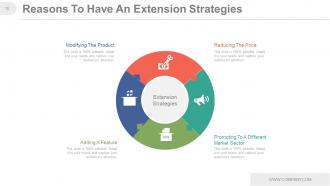
Diapositiva 10 : Esta diapositiva muestra Razones para tener estrategias de extensión. Estos son: promover a un sector de mercado diferente, agregar una característica, reducir el precio, modificar el producto.
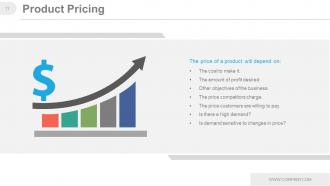
Diapositiva 11 : Esta diapositiva establece el precio de los productos en un gráfico creativo. Úselo para mostrar los precios de sus propios productos.
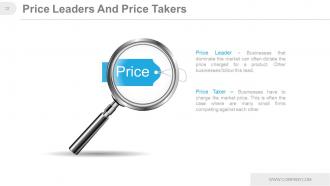
Diapositiva 12 : Esta diapositiva muestra a los líderes de precios y a los tomadores de precios con imágenes de lupa y cuadros de texto. Indíquelos aquí.
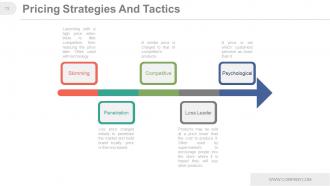
Diapositiva 13 : Esta diapositiva muestra estrategias y tácticas de fijación de precios como: Líder de pérdidas, Penetración, Desnatado, Competitivo, Psicológico.
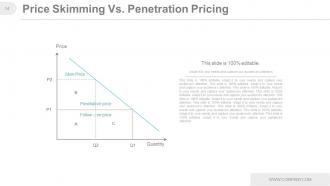
Diapositiva 14 : Esta diapositiva muestra la reducción de precios vs. Gráfico de precios de penetración. Úselo para comparar, etc.
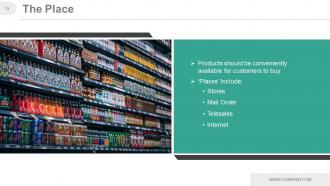
Diapositiva 15 : Esta es la diapositiva de The Place con imágenes para indicar.
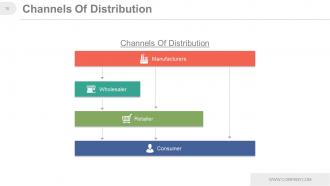
Diapositiva 16 : Esta diapositiva establece el diagrama de flujo de Canales de distribución que incluye: Fabricantes, Minorista, Mayorista, Consumidor.
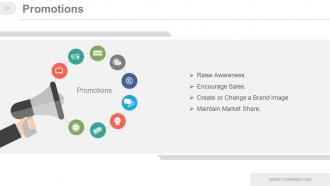
Diapositiva 17 : Esta diapositiva establece Promociones con los siguientes puntos: Generar conciencia, Fomentar las ventas, Crear o cambiar una imagen de marca, Mantener la participación de mercado, Promociones.
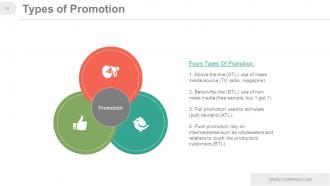
Diapositiva 18 : esta diapositiva muestra los tipos de promoción. Estos son: Por encima de la línea (ATL), Por debajo de la línea (BTL), Promoción Pull, Promoción Push.
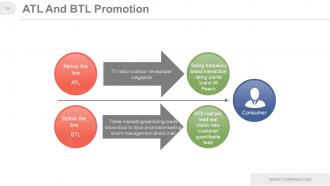
Diapositiva 19 : Esta diapositiva presenta la promoción ATL y BTL con respecto a los consumidores.
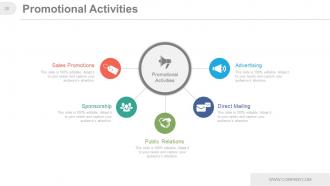
Diapositiva 20 : Esta diapositiva indica las actividades promocionales, a saber: promociones de ventas, publicidad, patrocinio, correo directo, relaciones públicas.
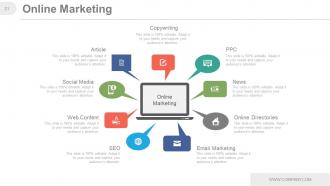
Diapositiva 21 : Esta diapositiva muestra el marketing en línea con los siguientes componentes: PPC, noticias, directorios en línea, marketing por correo electrónico, SEO, contenido web, redes sociales, artículos, redacción de textos publicitarios.
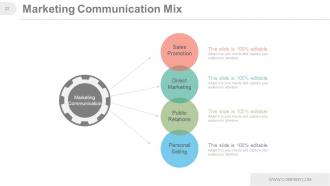
Diapositiva 22 : Esta diapositiva muestra la comunicación de marketing con los siguientes factores: venta personal, relaciones públicas, marketing directo, promoción de ventas.
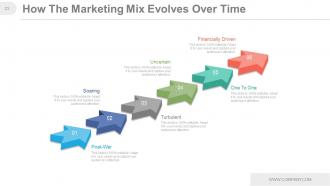
Diapositiva 23 : Esta diapositiva establece cómo evoluciona la combinación de marketing con el tiempo. Sus factores son: posguerra, altísimos, turbulentos, inciertos, uno a uno, impulsados financieramente.
Diapositiva 24 : Esta es la diapositiva de Modelado de mezcla de marketing. Sus etapas son: investigación de mercado, comunicación, implementación, recopilación de datos, análisis de datos, modelado, interpretación, asignación presupuestaria, pronóstico.
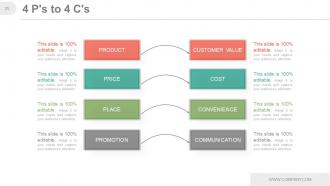
Diapositiva 25 : Esta es la diapositiva de 4 P a 4 C listada como: VALOR DEL CLIENTE, PRODUCTO, COSTO, PRECIO, CONVENIENCIA, LUGAR, COMUNICACIÓN, PROMOCIÓN.
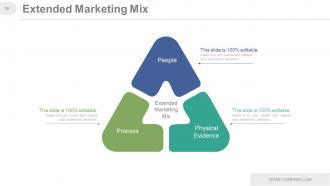
Diapositiva 26 : Esta diapositiva establece la mezcla de marketing ampliada con personas, procesos y evidencia física.
Diapositiva 27 : esta diapositiva se titula Diapositivas adicionales para avanzar. Puede cambiar el contenido de la diapositiva según sus necesidades.
Diapositiva 28 : Esta es la diapositiva de Nuestra misión. Misión, visión, etc. de la empresa estatal aquí.
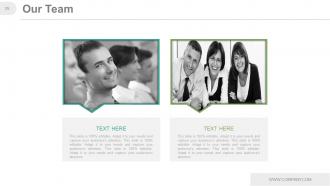
Diapositiva 29 : Esta es la diapositiva de Nuestro equipo con nombre, imagen y cuadros de texto para poner la información requerida.
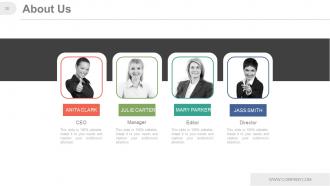
Diapositiva 30 : Esta es una diapositiva Acerca de nosotros. Indique aquí las especificaciones de la empresa o el equipo.
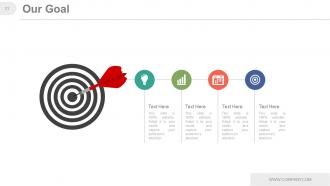
Diapositiva 31 : Diapositiva Esta es nuestra meta. Indique aquí sus metas importantes.
Diapositiva 32 : Esta es una diapositiva de comparación para comparar dos productos / entidades, etc.
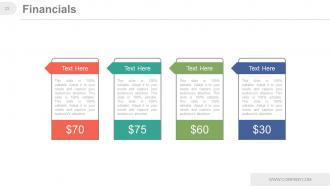
Diapositiva 33 : Esta es una diapositiva de Estadísticas financieras para indicar los aspectos financieros, etc.
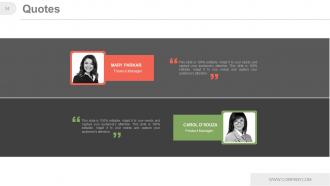
Diapositiva 34 : Esta diapositiva presenta Cotizaciones. Indique sus citas inspiradoras aquí. Puede cambiar el contenido de la diapositiva según sus necesidades.
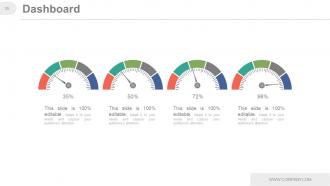
Diapositiva 35 : Esta es una diapositiva del Panel para mostrar información en porcentajes, etc.
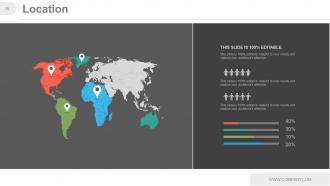
Diapositiva 36 : Esta es una diapositiva de Ubicación en un mapa mundial para mostrar el crecimiento global, la presencia, etc.
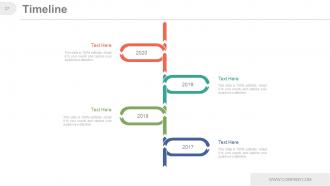
Diapositiva 37 : Esta diapositiva presenta una línea de tiempo para mostrar el crecimiento, los hitos, etc.
Diapositiva 38 : Esta es una diapositiva Publicarlo para marcar recordatorios, eventos, etc.
Diapositiva 39 : esta es una diapositiva de papel de noticias para mostrar noticias, eventos, etc. Puede cambiar el contenido de la diapositiva como considere adecuado.
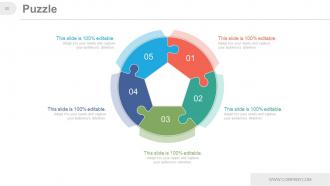
Diapositiva 40 : Esta es la diapositiva de Puzzle Pieces para mostrar información, especificaciones, etc.
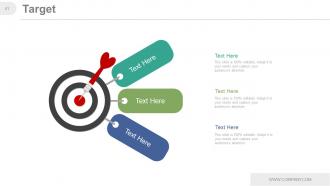
Diapositiva 41 : Esta es la diapositiva de la imagen de destino para mostrar información, especificaciones, etc.
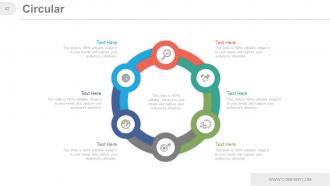
Diapositiva 42 : Esta es una diapositiva de imagen circular para mostrar información, especificaciones, etc.
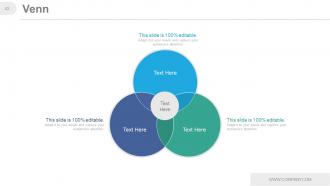
Diapositiva 43 : Esta es una diapositiva de imagen de diagrama de Venn para mostrar información, especificaciones, etc.
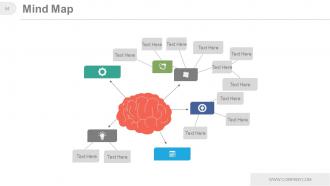
Diapositiva 44 : Esta es una diapositiva de imagen de mapa mental para mostrar información, especificaciones, etc.
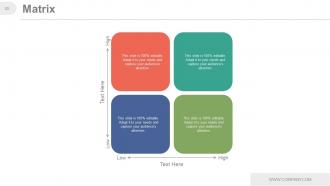
Diapositiva 45 : Esta es una diapositiva de matriz que va de mayor a menor.
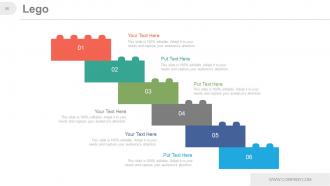
Diapositiva 46 : esta es una diapositiva de imagen de Lego para mostrar información, especificaciones, etc.
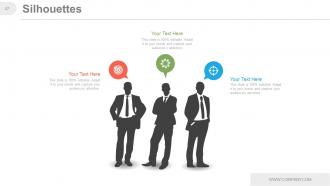
Diapositiva 47 : Esta es una diapositiva de imagen de Siluetas creativa para presentar a las personas información específica, especificaciones, etc.
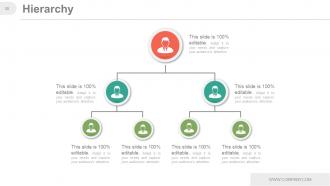
Diapositiva 48 : Esta es una diapositiva de jerarquía para presentar el equipo, las especificaciones, etc.
Diapositiva 49 : Esta es una diapositiva de imagen Bulb para expresar una nueva idea o resaltar especificaciones / información, etc.
Diapositiva 50 : Esta es una diapositiva con imagen de lupa para mostrar información, aspectos del alcance, etc.
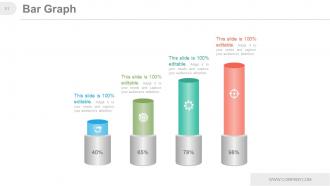
Diapositiva 51 : Esta es una diapositiva de imagen de gráfico de barras para mostrar la comparación de productos, el crecimiento, etc.
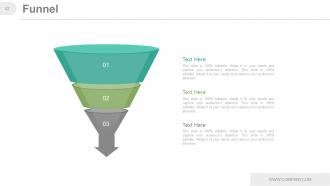
Diapositiva 52 : Esta es una diapositiva de imagen de embudo para mostrar información, aspectos de canalización, especificaciones, etc.
Diapositiva 53 : Esta es una diapositiva de agradecimiento con dirección # número de calle, ciudad, estado, números de contacto, dirección de correo electrónico.
4ps de diapositivas de presentación de PowerPoint de marketing con las 53 diapositivas:
Maneje a los perros con nuestras diapositivas de presentación de PowerPoint de 4ps Of Marketing. Obliga a tus críticos a retroceder.





FAQs for 4ps of marketing
So the 4Ps are Product, Price, Place, and Promotion - your main marketing levers basically. Product has to solve a real problem. Price should match the value but also what people will actually pay. Place is just getting it where customers can buy it (sounds obvious but you'd be surprised). Then promotion is telling people it exists. Here's the thing though - they all have to work together. If you're going premium, everything needs to match that vibe - your pricing, where you sell, your messaging. I've watched campaigns completely bomb when these don't align. Honestly, start with nailing product-market fit first, then figure out how the other three back that up.
Honestly, most people build what they *think* customers want instead of actually asking them. Surveys and reviews are your best friend here - way more valuable than guessing. Skip the fancy features nobody asked for (seriously, I've watched so many startups do this). Just solve real problems consistently. Oh, and packaging matters more than you'd think - it's still part of your product. Keep checking back with customers and don't be stubborn about changing things. Sometimes the feedback stings but it's usually right.
Honestly, it's all about knowing your audience and what they'll actually pay. Premium customers? Jack up those prices - they literally want expensive stuff because it feels exclusive. But if you're targeting budget shoppers, you gotta go low to get volume. Geographic stuff is huge too - Manhattan pricing will bomb in small towns, trust me. Oh, and that $9.99 vs $10 trick works differently depending on who's buying. Some people see right through it. Really comes down to doing your homework on each group's spending habits and adjusting from there.
Look, placement is huge for sales - if customers can't find you or it's a pain to buy, you're screwed. For online stuff, your website needs to actually work (shocking concept, right?), plus be where people already spend time like social media or Amazon. Physical stores? Location matters, but so does layout and getting your distribution right for your crowd. I've seen amazing products tank because they were impossible to find or the checkout was a nightmare. You gotta map out how people shop and fix whatever's making it annoying. Even something small like weird website navigation can kill conversions.
So promotion is like your megaphone, right? You're cutting through all the chaos to get noticed. It teams up with your product, pricing, and distribution to show people why they should actually care. We're talking ads, social media, PR stuff, sales promos - whatever makes people recognize your name. Honestly, half the brands out there are just screaming into the void because they haven't figured out where their audience hangs out. Your strategy needs to highlight what makes you different from everyone else. Find out where your people actually spend time, then show up there consistently. Don't overthink it.
Honestly, just listen to what your customers are actually saying about each part of your marketing mix. Reviews will show you which product features suck and which ones they love. Their price complaints? That tells you if you're way off the mark or spot-on. Watch where they want to shop - maybe they hate your website but love buying in-store, who knows. And promotion feedback is gold because people will roast a terrible ad without mercy. Set up surveys and check social media regularly. But here's the thing - don't just hoard all that data like a dragon. Actually use it to fix stuff.
Honestly, the worst mistake is treating each P like it's totally separate. Companies nail their product but then price it way out of reach for their actual customers. Or they'll spend forever perfecting ads that run in places their audience never sees - which is just painful to watch. I see teams get obsessed with product features while completely ignoring how they'll distribute the thing. Like, what's the point? All four pieces need to work together and actually match what your customers want. Otherwise you're just throwing money around.
Yeah, seasonal stuff totally changes your whole marketing mix. Product-wise, customers want different things - holiday flavors, summer collections, you know? Pricing gets interesting because you can jack up prices during peak times (Valentine's flowers are ridiculously expensive lol) but then you're stuck offering discounts when things slow down. Where people actually shop shifts too - everyone goes online for holidays, but farmers markets blow up in summer. Oh, and timing your promotions is honestly the hardest part. Start too early and people ignore you, too late and you've missed the boat. I'd just map out your calendar early but stay ready to change course.
So B2B is all about building relationships and showing real business value - like "this saves you 20% on costs" instead of "you'll feel amazing!" Pricing gets way more complicated too. Forget those $19.99 deals - you're dealing with negotiations and bulk discounts now. Distribution changes completely - direct sales teams replace retail stores. Your marketing shifts from flashy consumer ads to trade shows and LinkedIn (honestly, so much LinkedIn). Industry publications become your best friend. The whole vibe goes from emotional to rational. Short version: less feelings, more spreadsheets.
So digital transformation totally changes how the 4Ps work. Products become more about digital experiences - like how Netflix killed DVDs, you know? Pricing gets crazy dynamic with algorithms adjusting stuff in real time based on what competitors are doing. Physical distribution? That's dead. Now it's all about meeting customers wherever they're hanging out online. Promotion is probably the biggest shift though - everything's data-driven with targeted ads and influencer collabs instead of those expensive TV spots that may or may not work. I'd start by figuring out which of your 4Ps are still totally old-school and tackle those first.
Honestly, you'll want to track different stuff for each P to see what's actually moving the needle. Customer satisfaction and return rates for Product. Profit margins and how price-sensitive your customers are for Price - that one's huge. Promotion metrics are pretty straightforward: ROI, conversions, how much buzz you're creating. For Place, watch your distribution coverage and which channels actually bring in customers. The trick is picking maybe 2-3 metrics per P that tie back to what you're trying to accomplish overall. Don't just collect random data because you can.
Honestly, culture changes everything about marketing. McDonald's puts rice in their burgers in Asia - that's how different products need to be! Pricing becomes a nightmare because what people earn and spend varies so much. Your ads have to match local values too (trust me, I've seen campaigns bomb spectacularly). Distribution is weird - some places are all about online shopping, others want that face-to-face experience. My advice? Research the hell out of your target market first. Don't just copy-paste your home strategy and hope it works. Each of the 4 P's needs tweaking.
Dude, you can't skip competitor analysis when setting your 4Ps - I've watched so many launches crash because teams didn't do their homework first. Check their pricing so you're not wildly off-market. Look at what features they have (and what they're missing). Study where they're selling and how they promote stuff. Actually, I remember this one startup that priced 40% higher than everyone else without realizing it. Disaster. Map out like 3-5 direct competitors for each P before you lock anything down. Their gaps become your opportunities.
Yeah, totally! The 4Ps still work, you just flip them around for inbound. Your product becomes their solution. Pricing has to match the value you're actually giving people. "Place" is wherever your audience spends time online - which honestly took me forever to figure out when I started. Promotion turns into helpful content instead of annoying ads nobody wants. Think of it like the 4Ps but way less pushy. Map what you've got against your buyer's journey and you'll see how they connect. It's basically the same framework, just smarter about relationships.
Dude, social media totally flipped the script on marketing. Now you can pinpoint exactly who sees your stuff instead of just throwing ads everywhere and hoping. The crazy part? Your customers actually respond back and share things themselves - like, they become mini promoters for you. It's way more of a back-and-forth conversation now rather than just shouting into the void. Oh and people can make your content go viral which is pretty nuts when you think about it. Traditional advertising feels so one-sided compared to building actual communities around your brand. Don't treat it like a megaphone anymore.
-
Illustrative design with editable content. Exceptional value for money. Highly pleased with the product.
-
Illustrative design with editable content. Exceptional value for money. Highly pleased with the product.