

Amul Product Value Chain Analysis Powerpoint Ppt Template Bundles





Try Before you Buy Download Free Sample Product
 Impress Your
 Audience
 100%
100% Editable
 Save Hours
 of Time


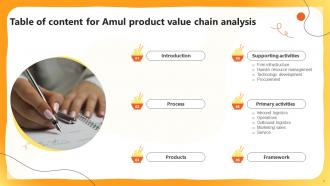
This PowerPoint presentation PPT unveils the intricate workings of Amuls product value chain, dissecting the journey of their renowned dairy products. Exploring sourcing, production, distribution, and marketing strategies, this presentation provides a comprehensive view of Amuls value chain. Detailed insights into their supplier relationships, quality control measures, and innovative marketing tactics showcase how Amul has established a robust and efficient product value chain. Through visual aids and case studies, this PPT offers valuable lessons and actionable strategies for businesses aiming to optimize their own product value chains. Dive into the success story of Amul and glean invaluable insights to enhance product quality, streamline processes, and create a competitive edge in the market.
People who downloaded this PowerPoint presentation also viewed the following :
Amul Product Value Chain Analysis Powerpoint Ppt Template Bundles with all 24 slides:
Use our Amul Product Value Chain Analysis Powerpoint Ppt Template Bundles to effectively help you save your valuable time. They are readymade to fit into any presentation structure.









FAQs for Amul Product Value Chain Analysis Powerpoint
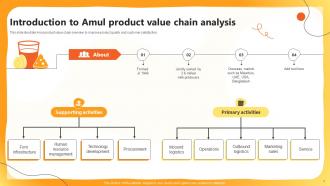
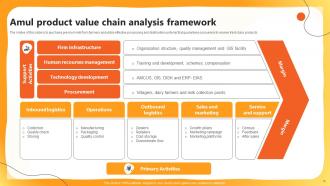
So Amul's got this pretty solid setup with five key pieces. They collect milk from tons of farmers through cooperatives across Gujarat - that's procurement. Processing turns the raw milk into butter, cheese, all that stuff. Their cold chain distribution is actually really good at hitting both rural and urban spots. Marketing handles the brand stuff and retail deals. Oh and R&D for new products obviously. The clever part? They went backwards into training farmers and forwards into retail. Honestly it's a decent template if you're looking at other cooperative businesses.
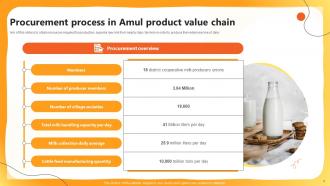
So Amul works directly with millions of farmers through cooperatives - no middlemen eating up costs or messing with quality. Pretty smart move, honestly. They get consistent supply, farmers get fair prices, and it keeps everything predictable from manufacturing down to what you pay at the store. The cooperative thing means they're never stuck without milk during busy seasons either. I actually think more companies should study this - they've basically turned buying raw materials into their secret weapon instead of just another expense. It's like having your supply chain work FOR you rather than against you.
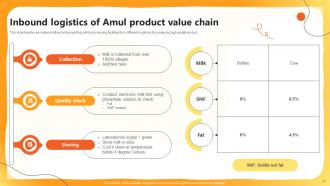
So Amul basically checks quality at every step - from farmers milking cows all the way to your local store. They monitor temperatures during transport, test for fat content and weird additives at processing plants, plus have crazy strict hygiene rules. Honestly, they're kind of obsessive about it but makes total sense with dairy going bad so fast. The cool part is their cooperative setup means local collection spots can catch problems before milk even gets to the main facilities. Oh, and if you're researching them - they built quality into the whole system from day one instead of just tacking it on later.
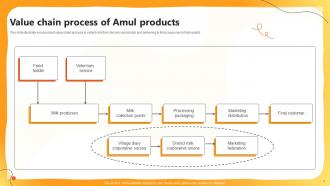
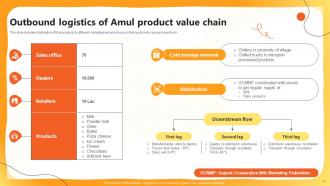
Dude, Amul basically cracked the code on distribution in India. They've got 3.6 million milk producers feeding into village collection centers, then it flows to processing plants and out through distributors and retailers. What's crazy is you'll find their stuff literally everywhere - from random rural shops to fancy city stores. They didn't try to control everything though, which was smart. Instead they partnered strategically to get maximum reach. Honestly, it shows how much last-mile partnerships matter when you're trying to scale big.
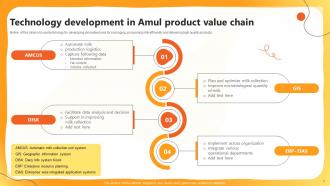
Dude, Amul's tech game is pretty solid. They've got automated milking, temperature controls, and quality sensors everywhere. Their ERP system tracks milk from villages straight to dispatch - honestly, that integration is impressive. IoT helps with maintenance predictions and demand forecasting too. But here's the thing that really makes a difference: they digitized their entire cold chain. That's where you see the biggest bang for buck on margins and keeping products fresh. Worth studying if you're looking at their business model.
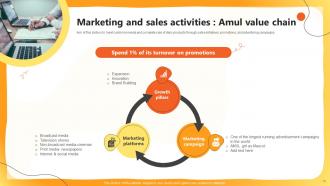
Dude, Amul's branding is seriously smart. Those topical ads with the little girl mascot? They're everywhere and honestly pretty clever - makes people remember them way more than boring dairy ads. Plus they've been doing the "Utterly Butterly Delicious" thing for like 50 years, so there's this massive trust factor built up. People actually ask for Amul specifically instead of just grabbing whatever's cheapest. Stores want to carry their stuff because customers demand it. The whole thing lets them charge more while still feeling like a brand for regular people, not some fancy premium thing. It's pretty genius marketing.
Honestly, Amul's biggest headache is keeping everything cold across India's crazy geography. They've got to maintain perfect temperatures from tiny village pickup spots to city stores - which is brutal when the power goes out constantly and infrastructure sucks in rural areas. Festival seasons are wild too, demand jumps like 40-50% overnight. Transportation costs kill their margins on those low-volume rural routes. But here's what's smart: they built backup cold storage everywhere and work with local distributors instead of doing everything themselves. That's how they crack the last-mile delivery problem most companies can't figure out.
So Amul basically turned everything backwards - instead of farmers just selling milk to companies, they actually own the whole thing. Village cooperatives collect the milk, process it, then split profits with members. Pretty smart move honestly. No middlemen taking cuts, so farmers get better prices plus guaranteed buyers. They even get dividends from the processing side, which is wild. Creates this crazy loyal supply chain that regular dairy companies can't match. The ownership piece is what makes them so different - like, the farmers actually have skin in the game instead of just being vendors.
So Amul basically pumps money into R&D and has these research centers working on new products, better shelf life, healthier options - the usual stuff. But here's what's clever: their farmers give them direct feedback about what locals actually want, so they can tweak products for different regions. They team up with international tech companies for better processing and packaging too. You've probably noticed how they're always dropping seasonal flavors and festival stuff? That's totally part of it. What really sets them apart though is mixing old-school dairy knowledge with modern food science. That combo is honestly pretty genius if you ask me.
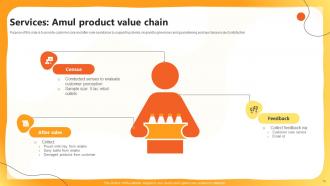
So Amul basically collects feedback from everyone - retailers, distributors, regular customers - and actually uses it to change how they operate. Like, your complaints about packaging or taste preferences can literally affect their supply chain decisions. They're pretty clever about using their cooperative setup for this too. Farmers get market updates while consumers influence sourcing choices. Honestly, watch how fast they adapt to different regional tastes - it's wild. The whole thing creates this feedback loop where quality issues, demand patterns, all of it gets fed back into everything from milk standards to new products.
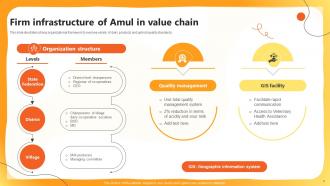
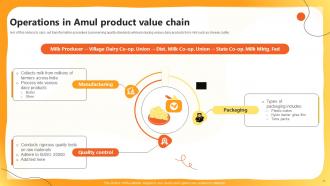
So Amul's cooperative thing is actually genius - farmers own stakes in the business, which means they care about quality but also keeping costs down. They're smart about putting processing plants right where the milk gets produced, so it stays fresh and they don't waste money shipping it around. The whole vertical integration lets them control pricing and react fast when markets shift. Honestly, it's one of those models that sounds too good to work but somehow does. Perfect example if you're looking at how co-ops can actually balance helping farmers while still running efficiently.
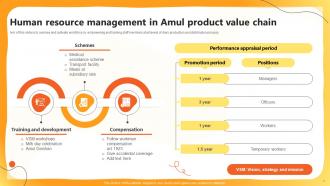
So Amul's got this crazy smart setup - their farmers are actually part-owners, not just suppliers. Makes a huge difference. They train all 3.6 million farmer-members on proper milking, cattle care, hygiene stuff. Daily quality checks happen right at village collection centers too. What really works though? Fair pricing and they actually pay on time. Farmers stay motivated when they're treated like partners instead of just vendors. I mean, it's basic respect but so many companies mess this up. Bottom line - turn your suppliers into stakeholders and you'll get way better results.
So Amul's doing some pretty cool stuff with sustainability. They're big on water conservation at farms and pushing organic practices with their 3.6 million farmers. Renewable energy in processing facilities too. The packaging shift is smart - less plastic, more eco-friendly materials. Their cold chain logistics cut carbon emissions during transport, which honestly makes sense given how much dairy they move around. What I think is clever is tying farmer training directly to sustainable practices. Creates long-term benefits. Check their sustainability reports if you want the nitty-gritty details.
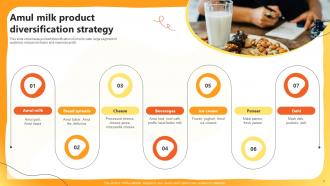
So Amul basically cuts out all the middlemen - that's their whole thing. They work straight with farmer cooperatives and own most of their supply chain, which keeps costs way down. Pretty smart actually. Instead of jacking up prices, they pass those savings to customers. The cooperative model is where they really win on input costs - they're not paying distributors or dealing with markup after markup. Sure, it means they have to run everything super efficiently, but that's why their prices stay competitive. If you're looking at their strategy, focus on how that farm-to-retail control gives them the pricing edge.
So Amul basically nailed three things other dairy co-ops should copy. They let farmers own actual shares in the business - not just supplier contracts, but real ownership. Game changer for loyalty. Then there's their cold chain setup, which costs a fortune upfront but pays off huge when you can get fresh milk from remote villages to city stores. Processing everything themselves instead of just selling raw milk is smart too - butter, cheese, ice cream, you name it. Oh and their local sourcing but national reach? Pretty brilliant. I'd say map out where your value chain has holes first, then figure out how to give farmers more skin in the game.
-
The design is clean-cut, modern, and sleek, keeping the users' needs in mind. The multiple uses make this product worth every penny!
-
The designs by SlideTeam are honestly the best I have seen so far. Will be definitely coming back for more.