


Pepsi Value Chain Analysis Powerpoint Ppt Template Bundles




Try Before you Buy Download Free Sample Product
 Impress Your
 Audience
 100%
100% Editable
 Save Hours
 of Time


Unlock the secrets of the iconic beverage with our comprehensive Coca-Cola Value Chain Analysis PowerPoint presentation. Dive deep into the intricate layers of the Coca-Cola supply chain, exploring the nuances of its beverage value chain from production to distribution. Gain valuable insights into the robust distribution system, unraveling the strategies that keep Coca-Cola a global leader. Navigate through the intricacies of the supply network, understanding the seamless coordination that ensures product availability worldwide. Explore the efficiency of the Coca-Cola logistical chain and discover how each link contributes to the success of this renowned brand. Elevate your understanding of business operations and supply chain dynamics with this insightful presentation.
People who downloaded this PowerPoint presentation also viewed the following :
Pepsi Value Chain Analysis Powerpoint Ppt Template Bundles with all 22 slides:
Use our Pepsi Value Chain Analysis Powerpoint Ppt Template Bundles to effectively help you save your valuable time. They are readymade to fit into any presentation structure.












FAQs for Pepsi Value Chain Analysis Powerpoint
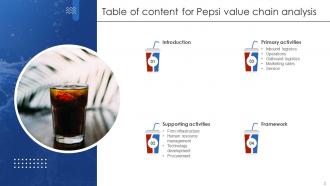
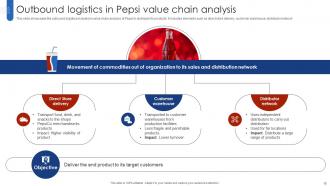
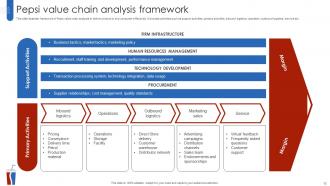
Okay so Pepsi's value chain has five main parts. Inbound logistics is where they get all their raw materials - sugar, water, packaging stuff. Manufacturing is where the magic happens, making all the drinks and snacks. Their distribution game is honestly insane, getting products everywhere from corner stores to restaurants. Marketing and sales takes up a huge chunk since they're all about brand power. Then there's customer service. But if you're looking at what makes them competitive, their distribution network is probably their biggest strength. Oh and their marketing budget - that's what keeps them neck and neck with Coke.
So Pepsi's got this whole Sustainable Sourcing Program thing where they basically set rules for suppliers on environmental and social stuff. They're really into water management and getting farmers to use better practices. What's kinda cool is they don't just send contracts and disappear - they actually audit people and train suppliers to hit their benchmarks. Working directly with farmers too, which seems smart. They want 100% sustainable key ingredients by 2030, which is pretty ambitious honestly. Oh and definitely check their annual sustainability reports if you need specifics. Those have all the actual numbers and progress updates.
So Pepsi's pretty smart about this stuff. They put their facilities close to big markets and use fancy forecasting to predict demand. Cross-docking warehouses keep things moving fast, plus they've got route optimization for trucks. But honestly, the coolest part is how they skip retail warehouses completely with direct-store delivery. Data helps them see seasonal spikes coming - like everyone wanting more soda in summer, obviously. Their whole thing is centralized production but local distribution. Really cuts down transport costs while keeping drinks fresh. Worth studying if you're into supply chain stuff.
So Pepsi's basically gone all-in on automation - robotic bottling lines, sensors monitoring quality in real time, that whole thing. Their factories use IoT to track everything from mixing ratios to how fast they're packaging stuff. Pretty cool actually. They can predict when machines need maintenance before they break down, which saves tons of money. Digital twins help them test different scenarios without messing with actual production. The big win here? Way lower costs and way more consistent products. That's honestly where they're beating competitors - focus on that angle for your analysis.
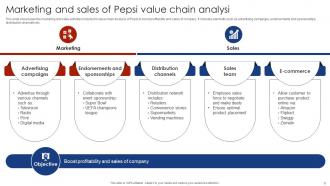
Marketing drives everything for Pepsi honestly. They don't just sell soda - they sell this whole lifestyle thing through celebrity deals and massive campaigns. That's how they compete with Coke without getting into price wars. All those social media campaigns? They keep younger people interested, which is smart since that demographic changes brands pretty easily. The emotional connection stuff actually works too - people will pay more when they feel attached to a brand. It's wild how much their marketing directly impacts loyalty and what customers are willing to spend.
Pepsi's distribution game is pretty smart actually. They go full centralized warehouses in the US with direct delivery to stores. But emerging markets? Totally different story - they partner with third-party distributors who get the local scene way better. The last-mile stuff gets wild though. In India or parts of Africa, you'll see them teaming up with local bottlers who know every weird road and shortcut. Dense cities mean smaller trucks, sometimes even bikes for deliveries. Honestly makes sense when you think about it. Don't just copy your global playbook everywhere - match what actually works locally.
So Pepsi's partnerships basically fall into three buckets. First, bottling - they work with their own network plus independent distributors to actually get stuff made and shipped out. Retail partnerships are huge too - think Walmart, McDonald's, all those convenience stores. That's where the real distribution muscle comes from. They also partner with agricultural suppliers for ingredients like potatoes and corn, which makes sense given the crazy volumes they're dealing with. Honestly, trying to do all this in-house would be insane. The whole strategy lets them scale worldwide without owning every piece of the puzzle, which is pretty smart if you ask me.
So basically Pepsi's got this whole system where they test everything at multiple points - water quality, carbonation, you name it. Raw materials get checked before they even enter production. Then automated systems monitor stuff throughout manufacturing. Honestly their supplier audits are pretty intense too, like they don't mess around with certification requirements. The cool thing is every facility worldwide follows identical protocols, so your Pepsi tastes the same whether it's made in Texas or Thailand (which is kind of impressive when you think about it). For your value chain analysis, definitely highlight how catching defects early saves them major cash downstream.
Pepsi's pretty smart about this actually - they're constantly running focus groups and taste tests to figure out what people want. Social media monitoring is huge for them too. Sales data and customer surveys? They track that stuff religiously. Their apps and websites give them real-time feedback, which is honestly kind of scary how much data they probably have on us. But here's the thing - they actually use it all to tweak recipes and create new products. It's not just collecting dust somewhere. If you're doing consumer research, definitely steal their multi-channel approach.
Honestly, they're pretty smart about it. Pepsi goes all-in on stuff that actually makes money - like R&D for new flavors or eco-friendly packaging. But then they cut costs everywhere else through supply chain automation and better supplier deals. They don't try to innovate everything at once, which would be expensive and messy. Instead, they pick their spots. Their massive scale helps negotiate cheaper ingredients, then those savings go straight into digital marketing and product development. Look at how they've automated bottling while launching premium lines - it's like having your cake and eating it too.
Honestly, Pepsi deals with the same crap as any huge food company. Sugar prices are all over the place, which screws with their margins constantly. Getting products to stores efficiently is a total mess - especially when you're trying to manage inventory globally. Then there's all this pressure to go green with packaging and shipping, which isn't cheap. They're also fighting everyone else for trucks and warehouse space during busy seasons. Oh, and they've gotten pretty smart with direct-store delivery and using data to predict what people actually want. Worth looking into if you're comparing supply chain strategies.
So Pepsi's CSR stuff is basically woven into everything they do now. Manufacturing focuses on water conservation, they push suppliers toward sustainable farming, and packaging keeps getting more eco-friendly. Their distribution tries to cut carbon emissions too. What's kinda cool is how they're really doubling down on plant-based snacks and healthier products - though honestly, some of their "healthy" options are still pretty questionable lol. But yeah, it's not just PR anymore. CSR drives actual business decisions across their whole operation, from sourcing raw materials all the way to getting products on shelves.
So Pepsi's got this whole system figured out - they use demand forecasting algorithms and just-in-time delivery to avoid having tons of extra stock sitting around. RFID tracking follows products through the supply chain, plus route optimization cuts down on transportation waste. They're weirdly obsessive about data-driven maintenance schedules too, which keeps equipment running smoothly. On the sustainability side, it's recyclable packaging, water conservation during manufacturing, and working with suppliers who actually meet their green standards. Honestly their forecasting approach would probably be the best place to start if you're thinking about supply chain stuff.
Pepsi basically does market research at every single step - taste tests, focus groups, tracking trends, the whole thing. They'll drop limited flavors first to see how people react before going big. Smart move honestly. Social listening tools help them figure out what people actually crave versus what they claim they want in surveys (totally different things). They watch competitors too and keep an eye on how demographics are shifting. Oh and they mix old school research with real-time digital stuff so they can pivot fast. That's probably the key thing to focus on.
So Pepsi's main strength is their distribution game - they're basically everywhere through those bottling partnerships. They control the whole process from buying ingredients to retailer relationships, which is actually kind of crazy when you consider the scale. Having Frito-Lay under the same umbrella helps too since they can share distribution costs and cross-promote. Here's the thing though - once retailers get locked into Pepsi's systems, switching becomes expensive and messy. That's where they really win. I'd compare their distribution density to Coke's if you're doing analysis on this.
-
I really liked their customized design services. I got my desired template made by their expert team. Thank You!
-
SlideTeam is a great place for PPT templates. They have many templates on a single topic. It has made my life a lot easier.