


Artificial Intelligence Hiring Tool AI Image Cover Slide PowerPoint Presentation PPT ECS




Try Before you Buy Download Free Sample Product
 Impress Your
 Audience
 100%
100% Editable
 Save Hours
 of Time


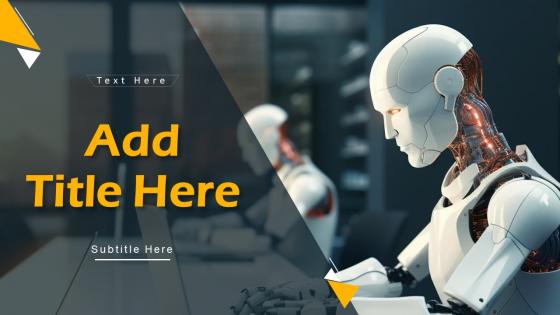
This slide displays an image of an AI robot using a laptop in a professional setting.
People who downloaded this PowerPoint presentation also viewed the following :
Artificial Intelligence Hiring Tool AI Image Cover Slide PowerPoint Presentation PPT ECS with all 6 slides:
Use our Artificial Intelligence Hiring Tool AI Image Cover Slide PowerPoint Presentation PPT ECS to effectively help you save your valuable time. They are readymade to fit into any presentation structure.





FAQs for Artificial Intelligence Hiring Tool AI Image Cover Slide PowerPoint
Honestly, the speed alone is worth it - you can blast through hundreds of resumes in minutes instead of being stuck there all day. It cuts out unconscious bias too since the AI doesn't care about names or where someone went to school, just their actual qualifications. During those crazy hiring seasons when applications are flooding in? Total lifesaver for your sanity. You get way more consistent results because it's using the same criteria every single time, unlike when you're tired and maybe miss good candidates. I'd test it out first on those high-volume positions where you're already drowning in initial screenings.
So basically these AI hiring tools are pretty solid for cutting down on unconscious bias. They'll scan resumes without showing names or photos, which stops you from making snap judgments. Some can even flag biased language in your job postings - didn't know that was a thing until recently. The algorithms stick to the same criteria for everyone, so you won't have those Monday morning moments where you're just not feeling a candidate. But here's the catch: you've gotta check on these tools regularly since they can pick up biases from whatever data they learned from.
So these AI hiring tools basically hoover up everything they can find about you. Your resume and cover letter, obviously. But they're also creeping on your LinkedIn and sometimes other social media too - kinda invasive if you ask me. Video interviews get analyzed for how you talk, your facial expressions, all that stuff. Skills tests and personality quizzes factor in. Some even track how you type during the application process, which is wild. The more you know about what they're looking for, the better you can tailor your stuff to beat their algorithms.
Honestly, AI can save you tons of time on the tedious recruitment stuff. Instead of spending hours sorting through resumes, it'll do that in seconds. Interview scheduling becomes automatic too. The really nice thing? It actually gets smarter about spotting candidates who'd be a good fit as it learns your patterns. Plus there's less bias since it's just looking at skills, not names or whatever. Oh, and chatbots can handle those first-round candidate questions - though some people find that a bit impersonal. I'd start with just automating resume screening first, see how that goes.
Bias is the biggest thing to worry about - these systems can totally screw over certain groups if they learned from sketchy hiring data. Be transparent about using AI, like actually tell people in the job posting. Don't let it make final calls either, you still need humans for the tricky stuff. Regular bias audits are smart too. Honestly, I've seen companies get burned by this when they just set it and forget it. Candidates deserve to know how they're being judged, and you'll want that human oversight for anything requiring real judgment.
Honestly, AI hiring tools are a game-changer for keeping candidates happy. Instead of that awful radio silence we've all experienced, people actually get quick feedback. The screening happens way faster, so candidates know within days if they're moving forward or not. Plus the whole scheduling thing becomes automatic - no more email ping-pong trying to find a time that works. I mean, anything beats sitting there wondering if your application disappeared into the void, right? My advice? Set up those automated updates from the start. Quick initial screenings help too. Candidates will actually feel like real humans throughout the process.
So NLP is what makes AI actually understand resumes instead of just hunting for buzzwords. The system can work through different formats and pull out the important stuff - your skills, experience, all that. Way smarter than those ancient keyword-matching tools (those were honestly pretty terrible). It's like having someone who gets context and meaning, not just surface-level matches. You can be way more specific about what you want when setting up screening. Oh, and the AI will actually understand what you're looking for instead of missing good candidates over formatting weirdness.
First thing - get your vendor to explain how their algorithm actually works. What factors does it weigh? How are decisions made? Don't let them give you vague answers. Ask for regular bias audits too, and actually look at the results. Some of these AI tools are black boxes otherwise. You need to be able to tell candidates something more than "the computer picked you" or didn't pick you. Document everything obviously. Maybe set up human reviews for any contested decisions? The whole point is covering your ass if someone challenges your hiring process later.
Track your time-to-hire and cost-per-hire first - basic efficiency stuff. But honestly? The quality metrics matter way more. Check offer acceptance rates and how new hires perform after 6 months. If people keep quitting, your AI tool isn't doing its job right. Also worth watching for any bias issues depending on your industry. Oh, and run these reports monthly at first - you'll catch problems faster that way. The retention thing is what I'd focus on most though, since what's the point of speed if everyone leaves?
So most AI hiring tools try to fix bias by hiding names/photos and checking their algorithms for discrimination. Look for ones that are upfront about how they handle this stuff - like they should show you actual diversity numbers from other companies using their platform. Some tools even boost underrepresented candidates, though that's legally sketchy depending where you are. Honestly, I'd run any tool against your past hiring data first to see if weird patterns pop up. The language processing thing matters too - you want something that doesn't favor certain writing styles unfairly.
Look, the biggest myth? People think AI hiring tools are totally objective. They're not - if your training data has bias, your AI will too. Most folks also assume it can replace human judgment completely, but honestly that's ridiculous. It's meant to help you screen faster and spot patterns you'd miss. Oh and candidates supposedly hate it, but they're usually cool with AI as long as you tell them upfront. You still need to check for bias regularly though. Keep humans making the final calls - AI should speed things up, not take over entirely.
Get your team doing hands-on practice sessions with the AI tool first - using real candidate samples works way better than just explaining how it works. They need to know what this thing actually catches versus what it misses, especially with bias stuff. I'd do weekly check-ins the first month because questions always pop up once they're making actual hiring calls. Pair your seasoned recruiters with newer folks so they can tell when the AI's being helpful versus when you should ignore it completely. Oh, and start with less critical roles first - builds everyone's confidence before you're using it for senior positions.
Honestly, the worst part is usually getting your current HR system to actually talk to the AI tool - those integrations can be a total nightmare. Your recruiters will probably push back too since they're comfortable with how things work now. Plus if your candidate data is a mess (and let's be real, most companies' is), the AI won't know what to do with it. Training everyone takes forever, and you'll definitely need IT help. I'd say try it with just one team first - way easier to fix problems when they're not happening everywhere at once.
So these AI tools basically scan your resume, any tests you take, and video interviews to find patterns. They're comparing you against the company's best employees - looking at how you communicate, solve problems, even specific words you use. Pretty wild how they catch stuff we'd totally miss, right? The system crunches thousands of data points against performance reviews and who actually sticks around. Honestly though, I'd still trust your gut feeling when you're making the final call. These tools are helpful but they can't read everything about a person.
Honestly, bias is the huge one - these systems just copy whatever discrimination was baked into old hiring data. So you'll accidentally filter out great people without realizing it. Also don't think you can just turn it on and walk away (trust me on this). Constant babysitting required. I'd use AI for initial screening but never let it make final calls. Oh, and tell candidates you're using it - being sneaky about that feels weird. Always loop humans back in before you actually hire someone. Check regularly that it's not doing anything sketchy.
-
The designs by SlideTeam are honestly the best I have seen so far. Will be definitely coming back for more.
-
Great quality slides in rapid time.