


Artificial intelligence and machine learning powerpoint presentation slides complete deck




Try Before you Buy Download Free Sample Product
 Impress Your
 Audience
 100%
100% Editable
 Save Hours
 of Time


Our Artificial Intelligence And Machine Learning Powerpoint Presentation Slides Complete Deck are topically designed to provide an attractive backdrop to any subject. Use them to look like a presentation pro.
People who downloaded this PowerPoint presentation also viewed the following :
Content of this Powerpoint Presentation
Slide 1: This slide introduces Artificial Intelligence and Machine Learning PowerPoint Presentation Slides. State your Company name.
Slide 2: This slide displays Table of Content of the presentation.
Slide 3: This slide displays Table of Content.
Slide 4: This slide gives Introduction of AI
Slide 5: This slide shows Artificial Intelligence Transforming the Nature of Work, Learning, and Learning to Work
Slide 6: This slide depicts Introduction to AI Levels?
Slide 7: This slide shows Types of Artificial Intelligence containing Deep Learning, Machine Learning, Artificial Intelligence.
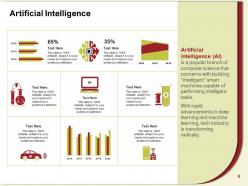
Slide 8: This slide describes Artificial Intelligence.
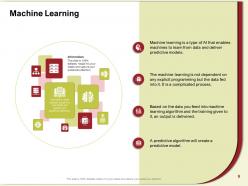
Slide 9: This slide describes Machine Learning
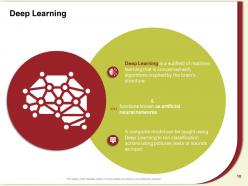
Slide 10: This slide depicts Deep Learning
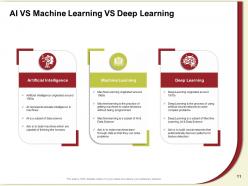
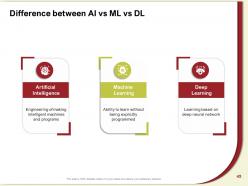
Slide 11: This slide shows AI VS Machine Learning VS Deep Learning
Slide 12: This slide describes Where is AI used?
Slide 13: This slide shows AI Usecase in HealthCare
Slide 14: This slide represents AI Use Cases in Human Resource
Slide 15: This slide shows AI in Banking for Fraud Detection
Slide 16: This slide displays AI in Supply Chain.
Slide 17: This slide showcases Ai Chatbots in Healthcare
Slide 18: This slide explains Why is AI booming now?
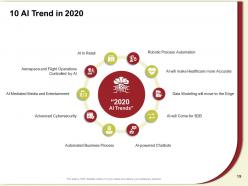
Slide 19: This slide depicts 10 AI Trend in 2020
Slide 20: This slide showcases Machine Learning.
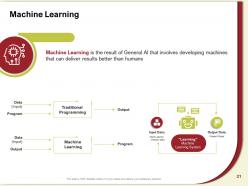
Slide 21: This slide shows Machine Learning.
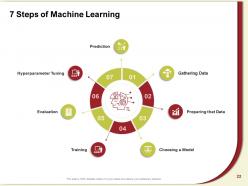
Slide 22: This slide highlights 7 Steps of Machine Learning.
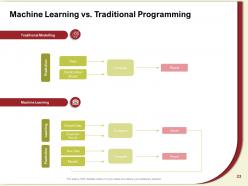
Slide 23: This slide compares Machine Learning with Traditional Programming
Slide 24: This slide describes How does Machine Learning Work?
Slide 25: This slide shows Machine Learning Algorithms.
Slide 26: This slide shows Machine Learning Use Cases.
Slide 27: This slide describes How to Choose Machine Learning Algorithm
Slide 28: This slide showcases Why use Decision Tree Machine Learning Algorithm?
Slide 29: This slide describes Challenges and Limitations of Machine learning.
Slide 30: This slide shows Application of Machine Learning
Slide 31: This slide describes Why is Machine Learning Important?
Slide 32: This slide showcases Deep Learning.
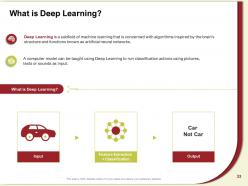
Slide 33: This slide describes What is Deep Learning?
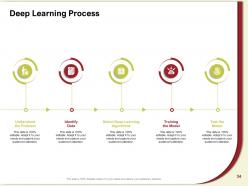
Slide 34: This slide explains Deep Learning Process
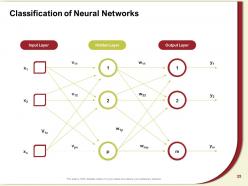
Slide 35: This slide describes Classification of Neural Networks
Slide 36: This slide showcases Types of Deep Learning Networks
Slide 37: This slide represents Feed-forward Neural Networks
Slide 38: This slide presents Recurrent Neural Networks (RNNs)
Slide 39: This slide shows Convolutional Neural Networks (CNN)
Slide 40: This slide shows Reinforcement Learning
Slide 41: This slide displays Examples of Deep Learning Applications
Slide 42: This slide explains Why is Deep Learning Important?
Slide 43: This slide presents Limitations of Deep Learning
Slide 44: This slide shows Difference between AI vs ML vs DL
Slide 45: This slide shows Difference between AI vs ML vs DL
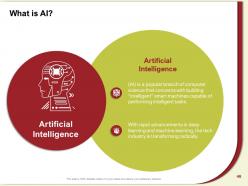
Slide 46: This slide explains AI.
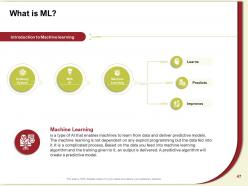
Slide 47: This slide explains ML. Machine Learning is a type of AI that enables machines to learn from data and deliver predictive models.
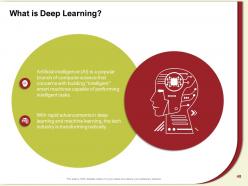
Slide 48: This slide explains Deep Learning.
Slide 49: This slide shows Machine Learning Process
Slide 50: This slide presents Deep Learning Process
Slide 51: This slide depicts Difference between Machine Learning and Deep Learning
Slide 52: This slide shows Which is better to start AI,ML or DL?
Slide 53: This slide shows Supervised Machine Learning
Slide 54: This slide displays Types of Machine Learning.
Slide 55: This slide explains What is Supervised Machine Learning?
Slide 56: This slide explains How Supervised Machine Learning works
Slide 57: This slide shows Types of Supervised Machine Learning Algorithms
Slide 58: This slide presents Supervised vs. Unsupervised Machine Learning Techniques
Slide 59: This slide displays Advantages of Supervised Learning
Slide 60: This slide shows Disadvantages of Supervised Learning
Slide 61: This slide shows Unsupervised Machine Learning
Slide 62: This slide explains Unsupervised Learning.
Slide 63: This slide explains How Unsupervised Machine Learning works
Slide 64: This slide explains Types of Unsupervised Learning
Slide 65: This slide shows Disadvantages of Unsupervised Learning
Slide 66: This slide depicts Reinforcement learning
Slide 67: This slide explains What is Reinforcement Learning?
Slide 68: This slide explains How Reinforcement Learning Works?
Slide 69: This slide depicts Types of Reinforcement Learning
Slide 70: This slide shows Disadvantage of Reinforcement Learning
Slide 71: This slide presents Back Propagation Neural Network in AI
Slide 72: This slide shows Back Propagation Neural Network in AI
Slide 73: This slide explains Artificial Neural Networks.
Slide 74: This slide describes Backpropagation Neural Networking
Slide 75: This slide explains Why We Need Backpropagation?
Slide 76: This slide explains Feed Forward Network.
Slide 77: This slide shows Types of Backpropagation Networks
Slide 78: This slide shows Best Practice Backpropagation
Slide 79: This slide shows Expert System in Artificial Intelligence
Slide 80: This slide depicts Types of Deep Learning Networks
Slide 81: This slide presents Examples of Expert Systems
Slide 82: This slide describes Characteristic of Expert System
Slide 83: This slide explains Components of the Expert System
Slide 84: This slide shows Conventional System vs. Expert System
Slide 85: This slide shows Human Expert vs. Expert System
Slide 86: This slide shows Benefits of Expert Systems
Slide 87: This slide explains Limitations of the Expert System
Slide 88: This slide explains Applications of Expert Systems
Slide 89: This is Artificial Intelligence and Machine Learning PowerPoint Presentation Slides Icons Slide
Slide 90: This slide reminds of coffee break.
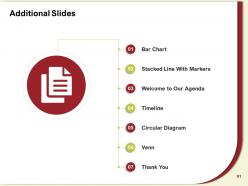
Slide 91: This slide is titled as Additional Slides for moving forward.
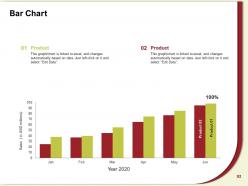
Slide 92: This slide displays Bar Chart with products comparison.
Slide 93: This slide shows Stacked Line chart With Markers
Slide 94: This slide displays Agenda.
Slide 95: This slide shows Timeline process.
Slide 96: This slide depicts Circular Diagram
Slide 97: This is Venn slide.
Slide 98: This is Thank You slide with Contact details.
Artificial intelligence and machine learning powerpoint presentation slides complete deck with all 98 slides:
Use our Artificial Intelligence And Machine Learning Powerpoint Presentation Slides Complete Deck to effectively help you save your valuable time. They are readymade to fit into any presentation structure.
-
Artificial Intelligence and Machine Learning Complete
-
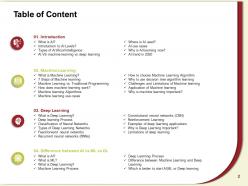
Table of Content
-
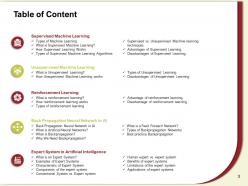
Table of Content
-
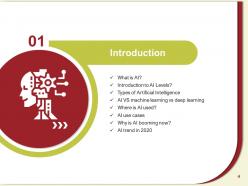
Introduction to Artificial Intelligence
-
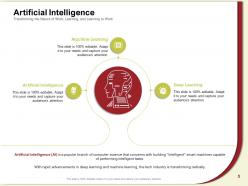
Artificial Intelligence
-
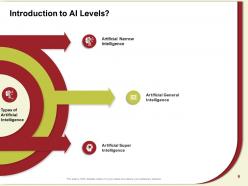
Introduction to AI Levels
-
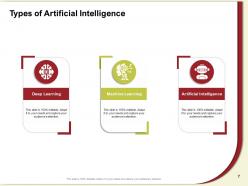
Types of Artificial Intelligence
-
Artificial Intelligence
-
Machine Learning
-
Deep Learning
-
AI VS Machine Learning VS Deep Learning
-
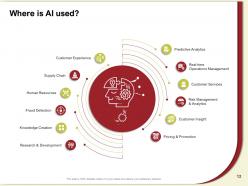
Where is AI used
-
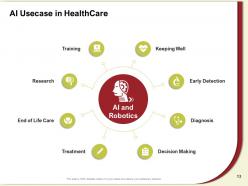
AI Use Case in HealthCare
-
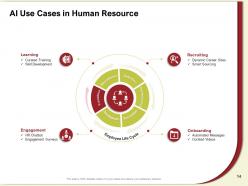
AI Use Cases in Human Resource
-
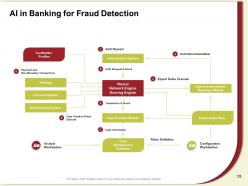
AI in Banking for Fraud Detection
-
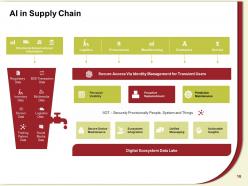
AI in Supply Chain
-
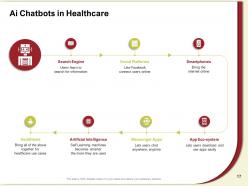
AI Chatbots in Healthcare
-
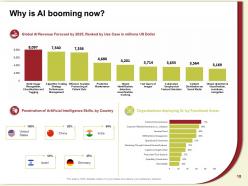
Why is AI booming now
-
Artificial Intelligence and Machine Learning Complete
-
Machine Learning
-
Machine Learning
-
7 Steps of Machine Learning
-
Machine Learning vs Traditional Programming
-
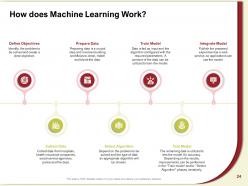
How does Machine Learning Work
-
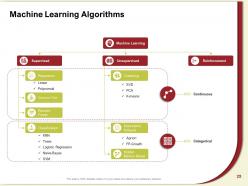
Machine Learning Algorithms
-
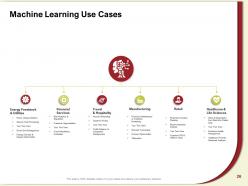
Machine Learning Use Cases
-
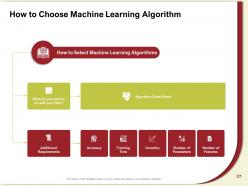
How to Choose Machine Learning Algorithm
-
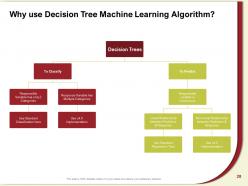
Why use Decision Tree Machine Learning Algorithm
-
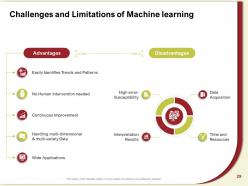
Challenges and Limitations of Machine Learning
-
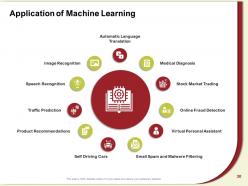
Application of Machine Learning
-
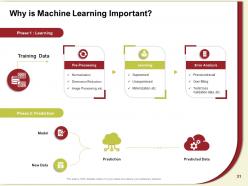
Why is Machine Learning Important
-
Deep Learning
-
What is Deep Learning
-
Deep Learning Process
-
Classification of Neural Networks
-
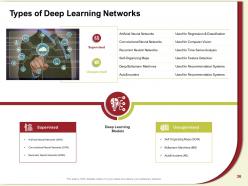
Types of Deep Learning Networks
-
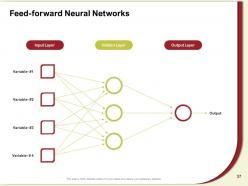
Feed forward Neural Networks
-
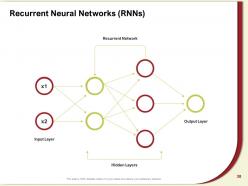
Recurrent Neural Networks RNNs
-
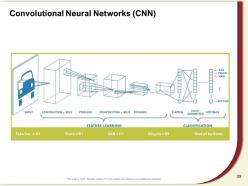
Convolutional Neural Networks CNN
-

Reinforcement Learning
-
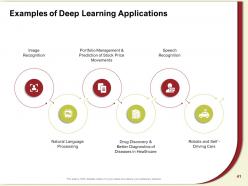
Examples of Deep Learning Applications
-
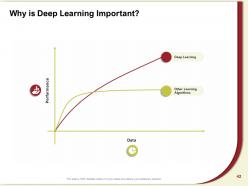
Why is Deep Learning Important
-
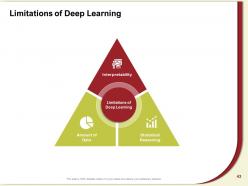
Limitations of Deep Learning
-
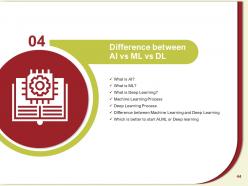
Difference between AI vs ML vs DL
-
Difference between AI vs ML vs DL
-
What is AI
-
Introduction to Machine Learning
-
What is Deep Learning
-
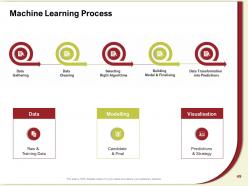
Machine Learning Process
-
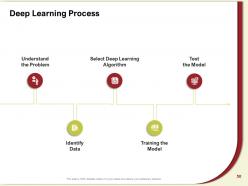
Deep Learning Process
-
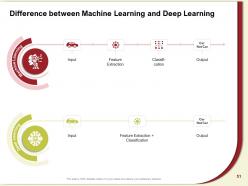
Difference between Machine Learning and Deep Learning
-
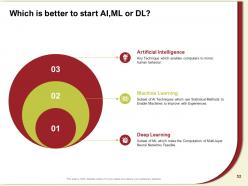
Which is better to start AI ML or DL
-
Supervised Machine Learning
-
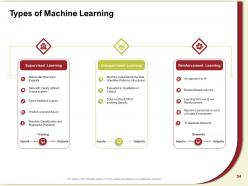
Types of Machine Learning
-
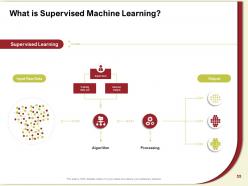
What is Supervised Machine Learning
-
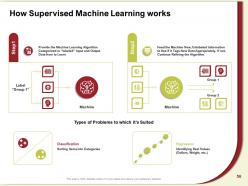
How Supervised Machine Learning works
-
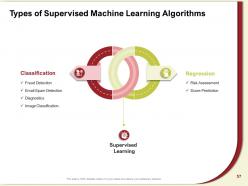
Types of Supervised Machine Learning Algorithms
-
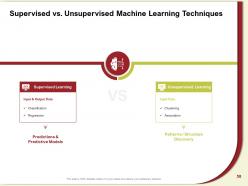
Supervised vs Unsupervised Machine Learning Techniques
-
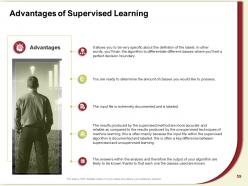
Advantages of Supervised Learning
-
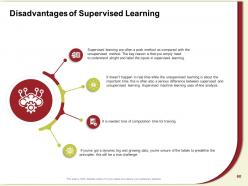
Disadvantages of Supervised Learning
-
Unsupervised Machine Learning
-
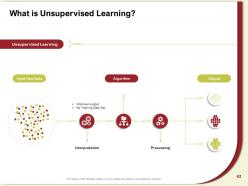
What is Unsupervised Learning
-
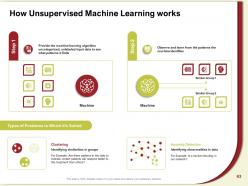
How Unsupervised Machine Learning works
-
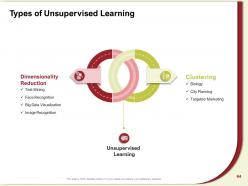
Types of Unsupervised Learning
-
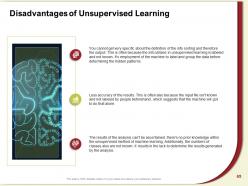
Disadvantages of Unsupervised Learning
-
Reinforcement learning
-
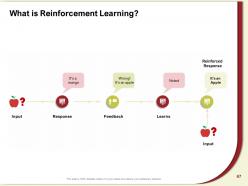
What is Reinforcement Learning
-
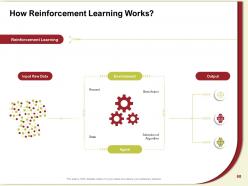
How Reinforcement Learning Works
-
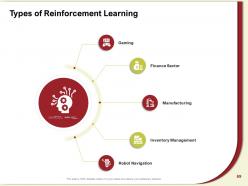
Types of Reinforcement Learning
-
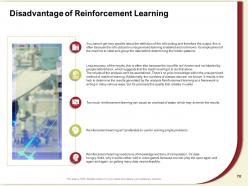
Disadvantage of Reinforcement Learning
-
Back Propagation Neural Network in AI
-
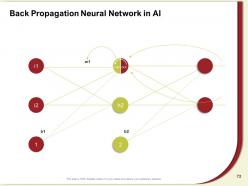
Back Propagation Neural Network in AI
-
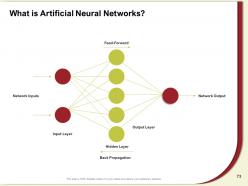
What is Artificial Neural Networks
-
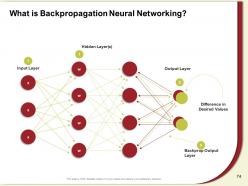
What is Backpropagation Neural Networking
-
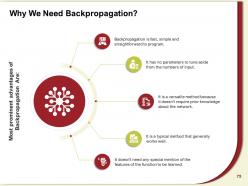
Why We Need Backpropagation
-
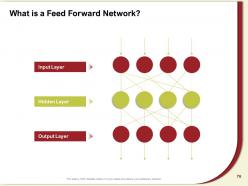
What is a Feed Forward Network
-
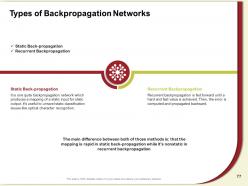
Types of Backpropagation Networks
-
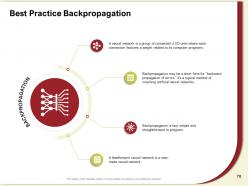
Best Practice Backpropagation
-
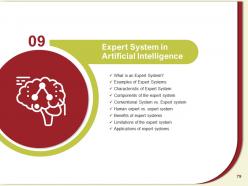
Expert System in Artificial Intelligence
-
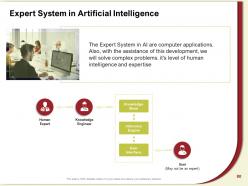
Expert System in Artificial Intelligence
-
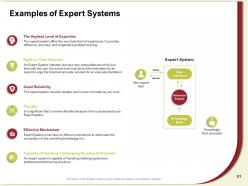
Examples of Expert Systems
-
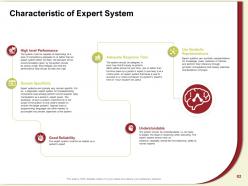
Characteristic of Expert System
-
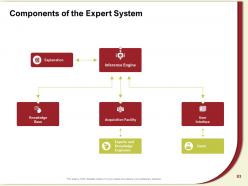
Components of the Expert System
-
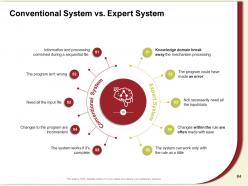
Conventional System vs Expert System
-
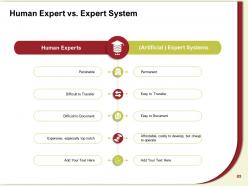
Human Expert vs Expert System
-
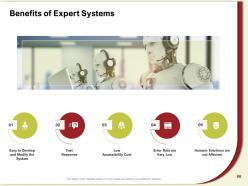
Benefits of Expert Systems
-
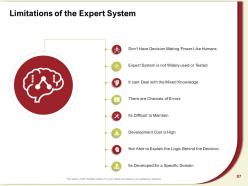
Limitations of the Expert System
-
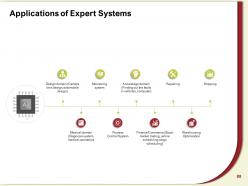
Applications of Expert Systems
-
Artificial Intelligence and Machine Learning PowerPoint Presentation Slides Icons Slide
-
Coffee Break
-
Additional Slides
-
Bar Chart
-
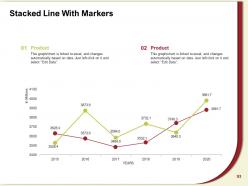
Stacked Line With Markers
-
Welcome to Our Agenda
-
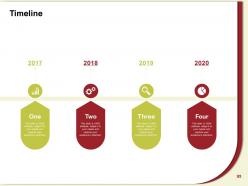
Timeline
-
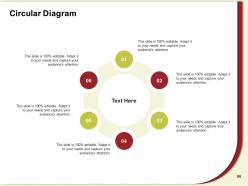
Circular Diagram
-
Venn
-

Thank You
FAQs for Artificial intelligence and machine learning powerpoint presentation
So AI is like the big umbrella term for anything that acts smart like humans do. Machine learning sits under that - it's where computers actually learn patterns from data instead of just following rules someone programmed. There's also older AI stuff like expert systems that don't really "learn" but still count as AI (honestly kind of boring compared to ML). People mix up the terms all the time though, which is super confusing. When you're looking at tools, just ask if they actually use ML or if it's more basic rule-following stuff.
So deep learning is pretty much changing everything in AI right now. Machines can learn patterns from huge datasets without us coding every tiny rule - which honestly saves so much time. Your phone recognizing faces? ChatGPT answering random questions? That's all this tech. Neural networks automatically find complex data relationships that would take forever to program manually. I've been messing around with TensorFlow lately and it's crazy how much easier it makes things. You should definitely check out PyTorch too if you're doing any AI work.
Honestly, bias is the big one - you don't want your AI screwing over certain groups of people. Data privacy's another headache since these things hoover up tons of personal info. Users deserve to know how decisions get made too, can't just have some black box spitting out results. Someone's gotta be on the hook when stuff inevitably breaks. And yeah, the whole job displacement thing is messy but real. I'd definitely bake ethics reviews into your process early on though - way easier than trying to fix problems later when you're already knee-deep in development.
Dude, ML is honestly a game-changer for data stuff. You know how you'd normally spend forever trying to find patterns in spreadsheets? These algorithms just automatically detect trends in huge datasets that you'd totally miss. Plus they can actually predict what's gonna happen next based on your old data - which still blows my mind when it works. Oh, and here's the cool part: they handle messy data like text and images, not just numbers. Traditional analytics would completely choke on complex relationships between variables, but ML eats that up. Bottom line? Way faster insights without the headache.
So NLP is basically how you can finally talk to computers normally instead of learning their weird robot language. Ask questions in regular English and it actually gets what you mean - not like those awful 2010 chatbots that just matched keywords (god those were painful). Powers voice assistants, smart search, decent chatbots. Best part? Users don't need any training anymore. Honestly, just test some NLP tools with whatever interface you're using now. You'll probably see engagement shoot up pretty quick.
Honestly, AI's just the brain behind most automation now. It handles complicated stuff that used to need actual human thinking, not just mindless repetitive tasks. Customer service bots, supply chain management, even AI writing code (which still blows my mind). But here's the thing - it's not really about robots stealing jobs. More like AI takes care of the boring routine work while we get to do the creative and strategic stuff. Oh, and relationship building too, obviously. I'd focus on figuring out where AI could actually help you instead of stressing about being replaced.
Oh totally! Machine learning is crazy good at this stuff now. You feed it purchase history, browsing data, demographics - even social media habits - and it'll spot patterns you'd never see. Honestly gets a little creepy how well it works sometimes lol. Companies use it for personalized recommendations and figuring out what to stock. The algorithms catch these weird correlations between random factors that somehow predict buying behavior. I'd say start small though - pick one specific thing you want to predict first, then expand from there once you get the hang of it.
So here's the thing - ML models basically just copy whatever patterns they see in old data. Problem is, that historical stuff is loaded with all our society's biases about race, gender, you name it. Your algorithm doesn't know better, so it just learns those same prejudices and spits them back out. Really messed up when you think about it. Could end up with hiring tools that discriminate or loan systems that screw people over. I always tell people to check their training data first - like, really dig into it - and keep testing for bias as you build. Otherwise you're gonna have problems.
Oh man, reinforcement learning is literally everywhere once you notice it. AlphaGo uses it, Wall Street trading bots, even traffic lights in cities. Your Netflix recommendations? That's RL too. Uber matches drivers with it - actually pretty clever when you think about it. The whole thing works best when AI needs to figure out strategies through trial and error in messy, complex situations. If you're gonna try building something with it, start simple. Make sure your reward system makes sense and your goals are super clear from the start.
AI's got some serious gaps right now. It's basically fancy pattern matching - not real reasoning like we do. Depends heavily on training data, so if that's biased, you're screwed. Works great in controlled settings but falls apart with weird edge cases. The black box thing drives me nuts too - you can't figure out why it made decisions. Honestly, I'd never deploy anything critical without tons of testing first. Real-world scenarios will break it in ways you didn't expect. Keep humans in the loop always.
Dude, the healthcare AI stuff is wild right now. Computers can actually spot cancer in scans better than doctors sometimes - caught my attention when I read about it last month. Drug development used to take forever, but AI's speeding that up big time. Your genetic info can basically create custom treatment plans now too. What's really cool is how electronic records predict patient complications before they happen. Doctors aren't getting replaced though - they're just becoming way more accurate. If you're working in healthcare, definitely check out what AI tools exist for your field. There's probably something that'll make your life easier.
Oh man, there's so much cool stuff out there! Netflix totally nails it with their recommendation engine - they somehow know I'm gonna binge true crime docs at weird hours. Amazon's doing it everywhere, from suggesting products to organizing their warehouses. Spotify's playlists are honestly kind of creepy how accurate they are. Uber uses it for surge pricing and finding the best routes. Banks have jumped on it too for catching fraud and deciding if you're creditworthy. I'd probably start by figuring out what problem you're actually trying to fix, then hunt for examples in that space.
Honestly, just start with the free stuff that's already out there. ChatGPT's great for writing content, and Canva has AI design features now. Google Analytics gives you smart insights too - all without spending money. Your email platform probably has AI features you're ignoring (I definitely did that for months). Chatbots are super helpful for customer service. Social media scheduling can be automated pretty easily. Oh, and there are inventory management apps with AI built in. Pick whatever fixes your biggest headache first, get used to it, then add more tools later.
Ugh, AI privacy stuff is genuinely sketchy. These systems hoover up tons of personal data to function properly, and your info can sit there forever or get leaked in breaches. The weirdest part? They can figure out things you never told them - like guessing your health issues from what you buy online. Once your data trains their model, good luck getting it removed. Actually impossible in most cases. Just be picky about what you share with AI services and actually read those terms (I know, boring but worth it).
Depends on what you're trying to solve, really. Classification problems? Check accuracy, precision, recall, F1-score. Regression stuff uses RMSE, MAE, R-squared instead. But here's the thing - accuracy by itself is pretty useless if your data's all wonky and imbalanced. Always test on fresh data your model hasn't touched before, that's how you know it actually works in the real world. Oh, and don't go crazy with metrics. Pick maybe 2-3 that actually connect to what your business cares about and stick with those.
-
Excellent
-
Visually stunning presentation, love the content.
-
Excellent products for quick understanding.
-
Out of the box and creative design.