

Best Marketing Strategies For Your D2C Brand Powerpoint Presentation Slides MKT CD V




Try Before you Buy Download Free Sample Product
 Impress Your
 Audience
 100%
100% Editable
 Save Hours
 of Time


Introducing our comprehensive and insightful Best Marketing Strategies for your D2C Brand PowerPoint presentation on Direct Marketing Strategies. The main objective of this deck is to provide a deep understanding of direct marketing and equip businesses with practical techniques to reach target segments and drive sales. The direct marketing channel slides define direct marketing and emphasize its importance in todays competitive business landscape. It also covers SMS marketing, highlighting the effectiveness of leveraging text messaging to reach target customers instantly. Additionally, the Social media marketing PPT module includes strategies, exploring the potential of platforms like Facebook, Instagram, and YouTube. The presentation also highlights online advertisement techniques, including display ads, search engine marketing, and retargeting. Moreover, the direct selling marketing slides provide insights into budgeting for direct marketing campaigns and optimizing return on investment ROI. Lastly, the modules cover performance key performance indicator KPI dashboards that can assist marketers in monitoring the performance of their direct marketing strategies. Get access to this 100 percentage editable template now.
People who downloaded this PowerPoint presentation also viewed the following :
Content of this Powerpoint Presentation
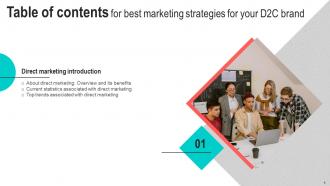
Slide 1: This slide introduces Best Marketing Strategies for your D2C Brand. State your company name and begin.
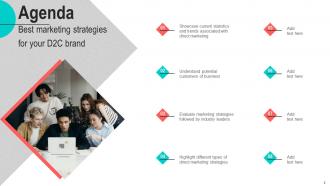
Slide 2: This is an Agenda slide. State your agendas here.
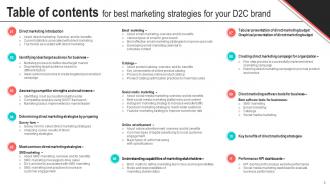
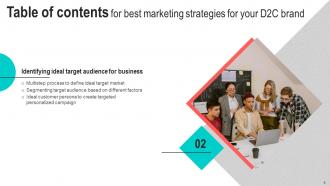
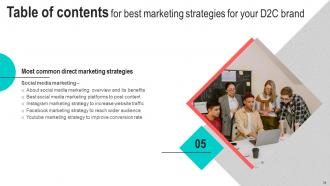
Slide 3: This slide shows Table of Content for the presentation.
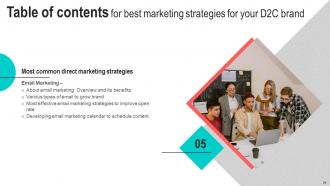
Slide 4: This slide also shows Table of Content for the presentation.
Slide 5: This slide shows title for topics that are to be covered next in the template.
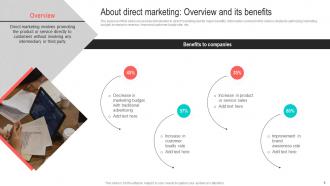
Slide 6: This slide provides introduction to direct marketing and its major benefits.
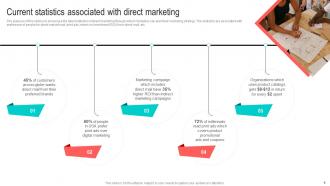
Slide 7: This slide showcases the latest statistics of direct marketing through which marketers can plan their marketing strategy.
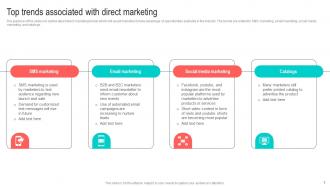
Slide 8: This slide outlines latest direct marketing trends which will assist marketers to take advantage of opportunities available in the industry.
Slide 9: This slide shows title for topics that are to be covered next in the template.
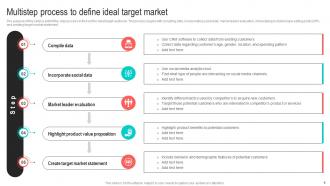
Slide 10: This slide exhibits five step process to find out the ideal target audience.
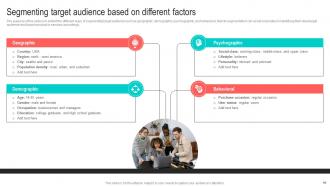
Slide 11: This slide presents different ways of segmenting target audience such as geographic, demographic, psychographic, and behavioral.
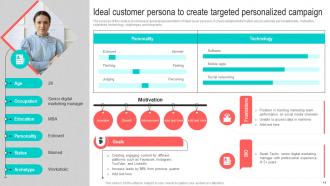
Slide 12: This slide showcases general representation of ideal buyer persona.
Slide 13: This slide shows title for topics that are to be covered next in the template.
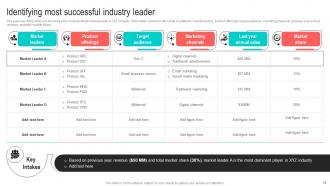
Slide 14: This slide showcases the most dominant market leader in XYZ industry.
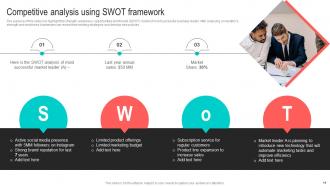
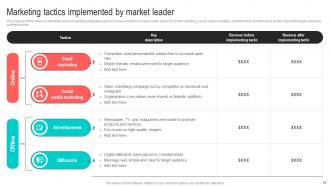
Slide 16: This slide describes various marketing strategies used by business leader to increase sales and profit.
Slide 17: This slide shows title for topics that are to be covered next in the template.
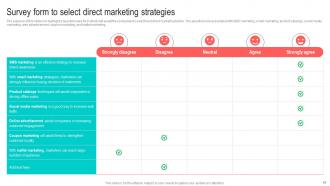
Slide 18: This slide highlights a questionnaire form which will assist the companies to select best direct marketing tactics.
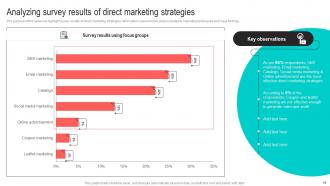
Slide 19: This slide presents survey results of direct marketing strategies.
Slide 20: This slide shows title for topics that are to be covered next in the template.
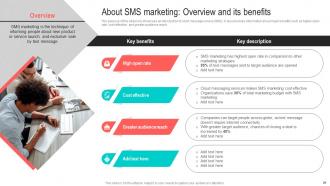
Slide 21: This slide showcases an introduction to short message service (SMS).
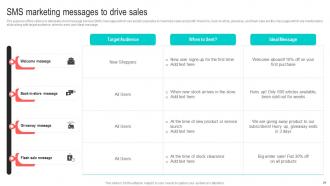
Slide 22: This slide displays short message service (SMS) messages which can assist corporates to maximize sales and profit.
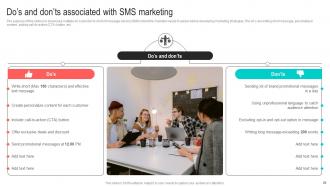
Slide 23: This slide showcases multiple do’s and don’ts of short message service (SMS) which the marketer needs to aware before developing marketing strategies.
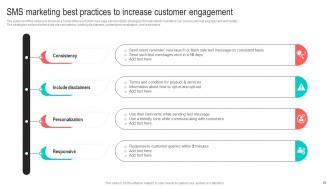
Slide 24: This slide presents some of the best short message service (SMS) strategies through which marketers can boost customer engagement and loyalty.
Slide 25: This slide shows title for topics that are to be covered next in the template.
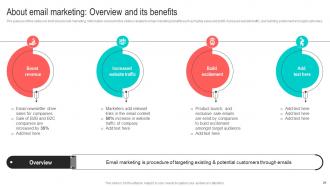
Slide 26: This slide brief about email marketing including email marketing benefits.
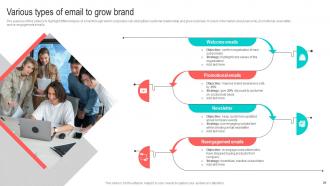
Slide 27: This slide highlights different types of email through which corporates can strengthen customer relationship and grow business.
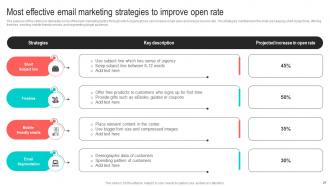
Slide 28: This slide displays some of the best marketing tactics through which organizations can increase email open and reduce bounce rate.
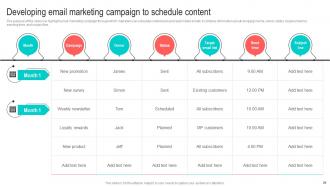
Slide 29: This slide highlights email marketing campaign through which marketers can schedule content and send automated emails.
Slide 30: This slide shows title for topics that are to be covered next in the template.
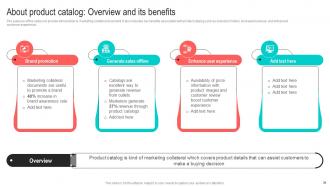
Slide 31: This slide provides introduction to marketing collateral document.
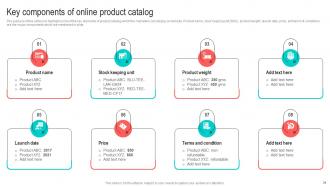
Slide 32: This slide highlights some of the key elements of product catalog which the marketers can display on website.
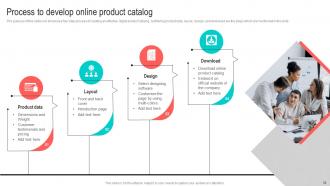
Slide 33: This slide showcases four step process of creating an effective digital product catalog.
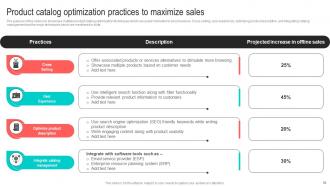
Slide 34: This slide presents multiple product catalog optimization techniques which can assist marketers to boost revenue.
Slide 35: This slide shows title for topics that are to be covered next in the template.
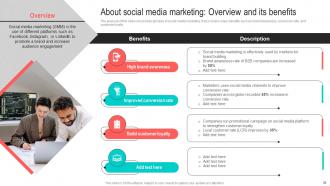
Slide 36: This slide provides glimpse of social media marketing and covers major benefits.
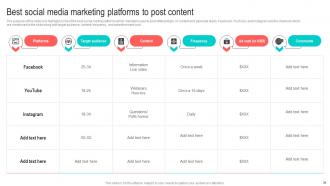
Slide 37: This slide highlights some of the best social media platforms which marketers uses to post different type of content and generate leads.
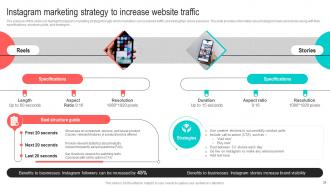
Slide 38: This slide presents Instagram marketing strategy through which marketers can boost web traffic and strengthen online presence.
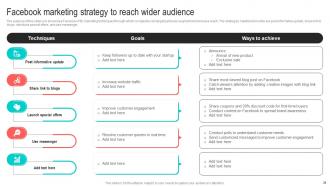
Slide 39: This slide showcases Facebook (FB) marketing techniques through which companies can target particular segment and increase reach.
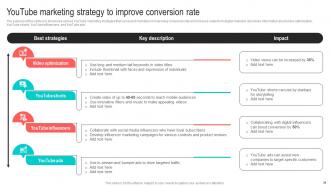
Slide 40: This slide displays various YouTube marketing strategies that can assist marketers in improving conversion rate.
Slide 41: This slide shows title for topics that are to be covered next in the template.
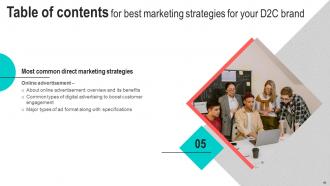
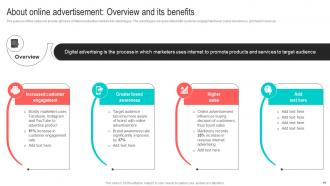
Slide 42: This slide provides glimpse of internet advertisement and its advantages.
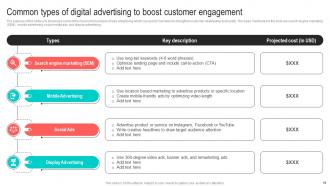
Slide 43: This slide showcases some of the most common types of web advertising which can assist marketers to strengthen customer relationship and loyalty.
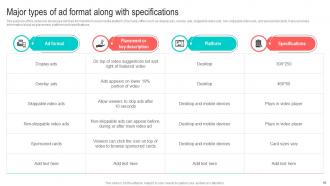
Slide 44: This slide displays list of ad format which social media platform (YouTube) offers.
Slide 45: This slide shows title for topics that are to be covered next in the template.
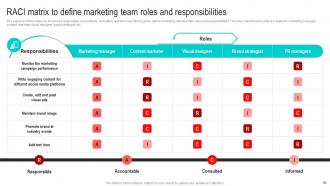
Slide 46: This slide showcases responsible, accountable, consulted, and informed (RACI) grid to define marketing stakeholders roles and responsibilities.
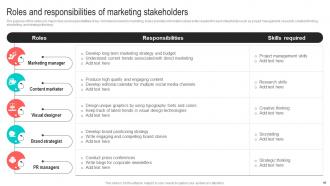
Slide 47: This slide presents major roles and responsibilities of key members involved in marketing.
Slide 48: This slide shows title for topics that are to be covered next in the template.
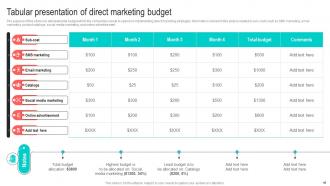
Slide 49: This slide displays total budget which the companies needs to spend on implementing direct marketing strategies.
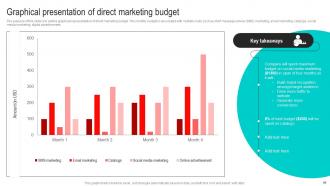
Slide 50: This slide outlines graphical representation of direct marketing budget.
Slide 51: This slide shows title for topics that are to be covered next in the template.
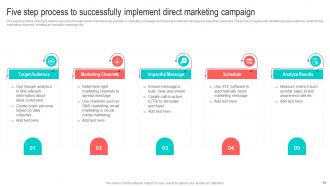
Slide 52: This slide outlines a process through which marketers can execute a marketing campaign and share promotional messages to potential customers.
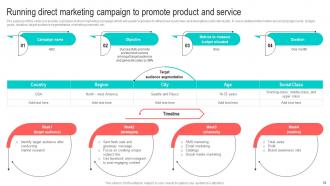
Slide 53: This slide provides direct marketing campaign which will assist corporates to attract new customers and strengthen customer loyalty.
Slide 54: This slide shows title for topics that are to be covered next in the template.
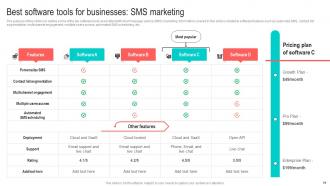
Slide 55: This slide outlines some of the top software tools associated with short message service (SMS) marketing.
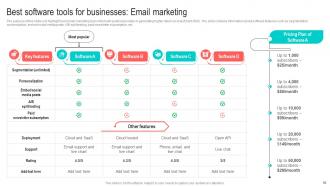
Slide 56: This slide highlights best email marketing tools which will assist corporates in generating higher return on investment (ROI).
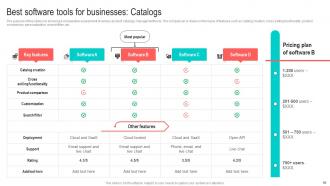
Slide 57: This slide showcases comparative assessment of various product catalogs management tools.
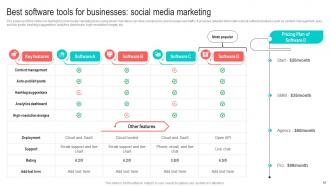
Slide 58: This slide highlights social media marketing tools using which marketers can drive conversions and increase web traffic.
Slide 59: This slide shows title for topics that are to be covered next in the template.
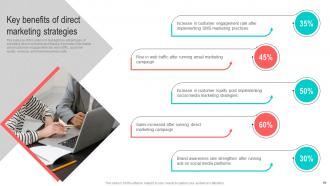
Slide 60: This slide highlights key advantages of executing direct marketing techniques.
Slide 61: This slide shows title for topics that are to be covered next in the template.
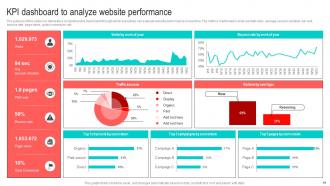
Slide 62: This slide displays a comprehensive dashboard through which executives can evaluate website performance in real-time.
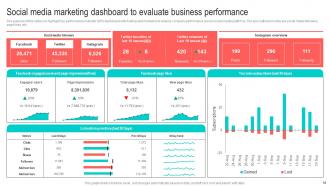
Slide 63: This slide highlights key performance indicator (KPI) dashboard.
Slide 64: This slide shows all the icons included in the presentation.
Slide 65: This slide is titled as Additional Slides for moving forward.
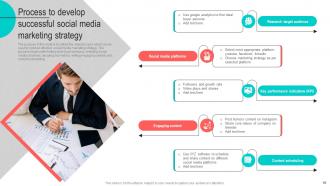
Slide 66: This slide outlines five step process which can be used to build an effective social media marketing strategy.
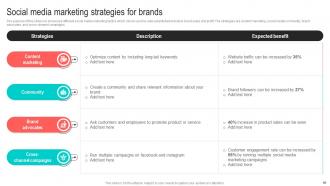
Slide 67: This slide showcases different social media marketing tactics which can be used by well-established brands to boost sales and profit.
Slide 68: This is Our Vision, Mission & Goal slide.
Slide 69: This is About Us slide to show company specifications etc.
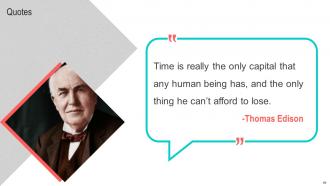
Slide 70: This is a Quotes slide to convey message, beliefs etc.
Slide 71: This is a financial slide. Show your finance related stuff here.
Slide 72: This slide provides 30 60 90 Days Plan with text boxes.
Slide 73: This is a Timeline slide. Show data related to time intervals here.
Slide 74: This is a Thank You slide with address, contact numbers and email address.
Best Marketing Strategies For Your D2C Brand Powerpoint Presentation Slides MKT CD V with all 84 slides:
Use our Best Marketing Strategies For Your D2C Brand Powerpoint Presentation Slides MKT CD V to effectively help you save your valuable time. They are readymade to fit into any presentation structure.








FAQs for Best Marketing Strategies For Your D2C Brand Powerpoint Presentation Slides
Honestly, start with email marketing - it's your bread and butter. You need to collect customer data and create content that actually speaks to them personally. Social media's obviously crucial too since you're talking directly to people without any BS middleman stuff. SEO can't be ignored either; organic discovery is everything. Brand storytelling ties it all together, but don't make it cheesy. Influencer partnerships work great if you find the right people (not just whoever has the most followers). Every interaction should feel real and give people something useful. It's all about that direct connection, you know?
Honestly, skip the pushy sales stuff and just build real relationships with people. Instagram and TikTok are perfect for showing behind-the-scenes moments, customer testimonials, that kind of thing - way more trustworthy than fancy ads. Facebook and LinkedIn let you target super specific audiences though, which is pretty cool. The main thing is staying consistent and actually responding to comments and DMs instead of just posting and disappearing. Oh, and don't spread yourself too thin! Pick maybe 2 platforms where your customers actually spend time and get really good at those first before adding more.
Dude, customer feedback is literally everything for D2C. Reviews and social comments show you what's actually resonating vs. what you think should work. I've watched brands totally flip their messaging after realizing customers described their products way differently than expected - super eye-opening stuff. Set up ways to gather feedback regularly, then don't just sit on it. Short surveys work great too. Look for patterns in how people talk about your stuff, then adjust your marketing to match that language. Oh, and check your recent reviews this week - you'll probably find messaging gold you've been overlooking.
Honestly, analytics is like having GPS instead of wandering around lost. Track which channels actually bring in customers and spot where people bail on your funnel. Different segments respond to totally different messaging - the data will show you patterns you'd never guess. Test everything: creative, audiences, when you post. Numbers don't lie, though weirdly my gut instincts are right like 60% of the time anyway. Set up tracking for your main metrics first. Then just double down on whatever's crushing it and ditch the stuff that isn't working.
Honestly, just focus on making real connections instead of treating people like dollar signs. Get your onboarding smooth first - that's where most people mess up. Then hit them with emails that actually match what they bought, not random spam. Quick responses to complaints are huge too. Loyalty programs? Yeah they work, but keep it simple - points or early product access beats complicated tier systems every time. Oh and map out how customers currently experience your brand. You'll spot weird gaps where you can add personal touches. The whole thing comes down to making people feel special rather than just... transactional, I guess.
Oh totally, personalization is huge for D2C sales. People buy way more when they feel like brands actually understand them. Simple stuff like showing products based on what they've browsed before or letting them customize colors makes such a difference. The numbers don't lie either - conversion rates can jump 10-30% with personalized experiences. Generic marketing is basically dead at this point, nobody wants that anymore. Start small though - maybe personalized email subject lines or basic product recommendations. Then you can get fancier from there. It really works.
Honestly, Facebook and Instagram ads are your best bet for quick wins - same with Google Ads. Email marketing's solid too, these three usually give the best bang for your buck. Influencer stuff can be amazing but it's kind of a pain to scale consistently. SEO's worth doing but takes forever to see results (though it pays off eventually). SMS marketing's actually insane for engagement rates, people don't ignore texts like they do emails. I'd start with paid social and Google to get data fast, then branch out based on what's actually working for your specific product. Every industry's different though, so you'll need to test combinations.
Honestly, personalization is everything for D2C. I'd start with segmenting based on what people actually bought and how they browse your site. Automated flows are gold - welcome series, cart abandonment, that post-purchase stuff. Way better than just blasting everyone with the same email. Most people read emails on their phones anyway, so design for mobile first. Subject line testing is huge too, like actually test everything. Oh and set up 3-4 automated sequences this week if you can - they basically run themselves once they're live and keep bringing in sales while you sleep.
Dude, inventory management will absolutely wreck you if you're not ready for it. Customer acquisition costs go through the roof too - I swear it's like every platform jacks up their prices once they smell success. Your shipping suddenly becomes this whole nightmare when you're doing 10x the volume, and keeping that personal touch? Way harder than people think. Get your fulfillment sorted early, like seriously invest in good automation. Track your customer lifetime value religiously so you know what you can actually afford to spend. Oh, and test subscription stuff now - chasing new customers constantly is exhausting and expensive.
D2C brands basically send free stuff to influencers for unboxing videos and sponsored posts. The trick is matching influencers with your target customers - like skincare brands partnering with beauty YouTubers whose followers are mostly 18-35. Some companies even turn their loyal customers into micro-influencers, which honestly feels way more genuine than celebrity endorsements. Long-term ambassador programs work better than one-offs too. You want someone whose audience actually trusts them, not just follows for entertainment. Start small - find 5-10 influencers in your space and check their engagement rates before sliding into their DMs.
UGC is honestly a game-changer for D2C brands. Real customers posting photos and reviews? That beats any polished ad campaign hands down. People trust other people way more than they trust companies (shocking, I know). When potential buyers see genuine experiences instead of marketing fluff, it builds actual credibility. Plus you get free brand ambassadors everywhere - customers basically sell for you. The social proof aspect is huge for driving sales. Oh, and definitely create a branded hashtag or throw in small incentives to get people posting. It makes your brand feel way more human and relatable.
Honestly, long-tail keywords are where it's at - like "best organic skincare for sensitive skin" instead of just "skincare." Way less competition too. Make content that actually helps people: buying guides, comparisons, how-to stuff. Local SEO is huge if you have a physical store or whatever. Your site needs to load fast and work on mobile since everyone shops on their phones now. I'd start by checking what keywords you're already ranking for, then look for gaps your competitors missed. Oh, and write buying guides - those convert really well in my experience.
Honestly, start with email sequences - that's where you'll see quick wins. Hit them within an hour, then again at 24 and 72 hours. Don't be too pushy though. Those exit-intent popups actually work better than I expected (kinda annoying but whatever, they convert). Make checkout dead simple - guest options, multiple ways to pay. Oh and show your security badges upfront, people get paranoid about entering card info. Here's what really kills conversions: surprise shipping costs at the end. Just be honest about fees early on. The email automation thing will probably give you results in like a week, so definitely start there first.
Dude, sustainability is literally everything to customers right now. Gen Z and millennials will straight up research your environmental stuff before buying - I've watched friends abandon carts over this. Make sure you're showing off your eco efforts everywhere: product pages, checkout, shipping options, the works. But here's the thing - don't fake it because people can smell greenwashing from miles away. Actually audit what you're doing right now and highlight the good stuff you've already got going. Even small changes matter more than you'd think.
Dude, mobile is everything for D2C. Like 60%+ of traffic comes from phones now. I made this mistake early on - our mobile conversion was literally half of desktop because the site was trash on mobile. People see your ad on Instagram, click through, and if your checkout sucks or takes forever to load? Gone. They're not gonna wait around. Your product pages need to work perfectly on phones. Same with checkout flow and site speed. Test the whole buying process on your phone first - I guarantee you'll find problems you didn't know existed. It's wild how many brands still mess this up.
-
Awesome use of colors and designs in product templates.
-
Extremely professional slides with attractive designs. I especially appreciate how easily they can be modified and come in different colors, shapes, and sizes!