


Most Common Types Of Direct Marketing Powerpoint Presentation Slides MKT CD V




Try Before you Buy Download Free Sample Product
 Impress Your
 Audience
 100%
100% Editable
 Save Hours
 of Time


Introducing our comprehensive and insightful Most Common Types of Direct Marketing PowerPoint presentation on Direct Marketing Strategies. The main objective of this deck is to provide a deep understanding of direct marketing and equip businesses with practical techniques to reach target segments and drive sales. The direct marketing channel slides define direct marketing and emphasize its importance in todays competitive business landscape. It also covers SMS marketing, highlighting the effectiveness of leveraging text messaging to reach target customers instantly. Additionally, the Social media marketing PPT module includes strategies, exploring the potential of platforms like Facebook, Instagram, and YouTube. The presentation also highlights online advertisement techniques, including display ads, search engine marketing, and retargeting. Moreover, the direct selling marketing slides provide insights into budgeting for direct marketing campaigns and optimizing return on investment ROI. Lastly, the modules cover performance key performance indicator KPI dashboards that can assist marketers in monitoring the performance of their direct marketing strategies. Get access to this 100 percentage editable template now.
People who downloaded this PowerPoint presentation also viewed the following :
Content of this Powerpoint Presentation
Slide 1: This slide introduces Most Common Types of Direct Marketing. State your company name and begin.
Slide 2: This is an Agenda slide. State your agendas here.
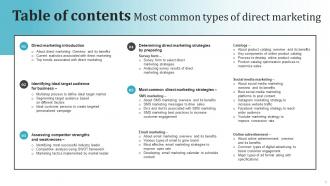
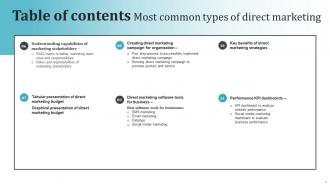
Slide 3: This slide shows Table of Content for the presentation.
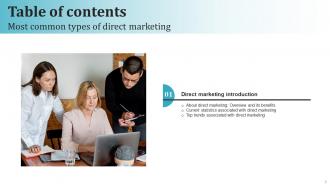
Slide 4: This slide also shows Table of Content for the presentation.
Slide 5: This slide shows title for topics that are to be covered next in the template.
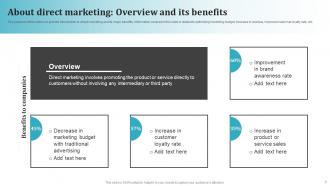
Slide 6: This slide provides introduction to direct marketing and its major benefits.
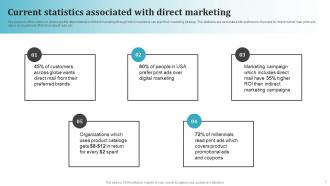
Slide 7: This slide showcases the latest statistics of direct marketing through which marketers can plan their marketing strategy.
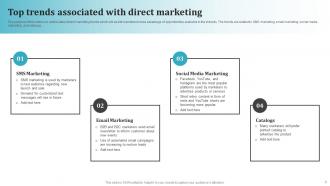
Slide 8: This slide outlines latest direct marketing trends which will assist marketers to take advantage of opportunities available in the industry.
Slide 9: This slide shows title for topics that are to be covered next in the template.
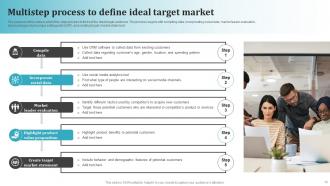
Slide 10: This slide exhibits five step process to find out the ideal target audience.
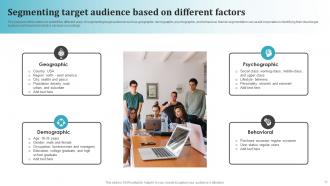
Slide 11: This slide presents different ways of segmenting target audience such as geographic, demographic, psychographic, and behavioral.
Slide 12: This slide showcases general representation of ideal buyer persona.
Slide 13: This slide shows title for topics that are to be covered next in the template.
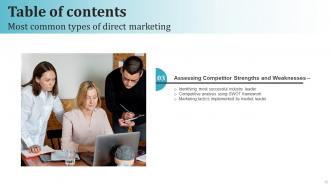
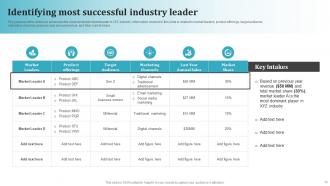
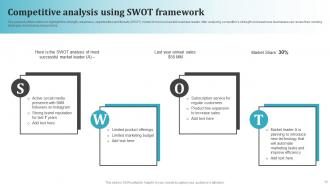
Slide 14: This slide showcases the most dominant market leader in XYZ industry.
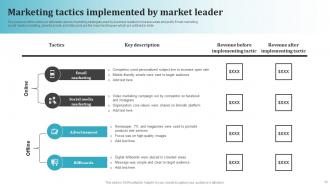
Slide 16: This slide describes various marketing strategies used by business leader to increase sales and profit.
Slide 17: This slide shows title for topics that are to be covered next in the template.
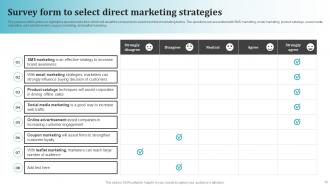
Slide 18: This slide highlights a questionnaire form which will assist the companies to select best direct marketing tactics.
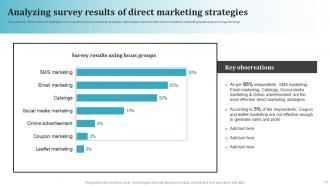
Slide 19: This slide presents survey results of direct marketing strategies.
Slide 20: This slide shows title for topics that are to be covered next in the template.
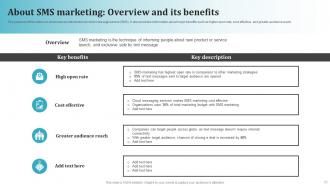
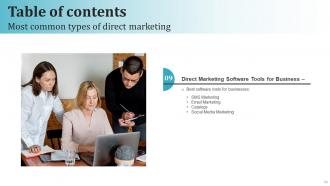
Slide 21: This slide showcases an introduction to short message service (SMS).
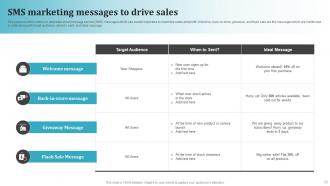
Slide 22: This slide displays short message service (SMS) messages which can assist corporates to maximize sales and profit.
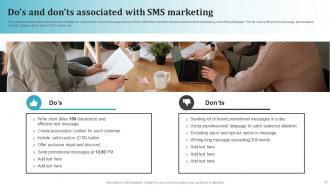
Slide 23: This slide showcases multiple do’s and don’ts of short message service (SMS) which the marketer needs to aware before developing marketing strategies.
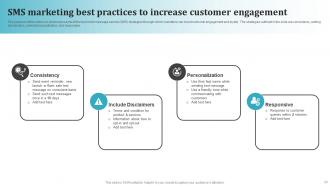
Slide 24: This slide presents some of the best short message service (SMS) strategies through which marketers can boost customer engagement and loyalty.
Slide 25: This slide shows title for topics that are to be covered next in the template.
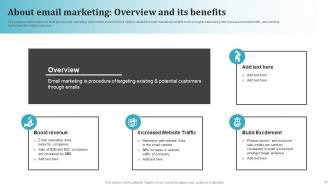
Slide 26: This slide brief about email marketing including email marketing benefits.
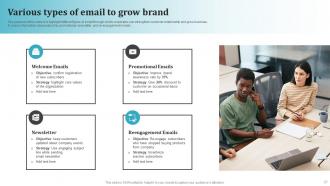
Slide 27: This slide highlights different types of email through which corporates can strengthen customer relationship and grow business.
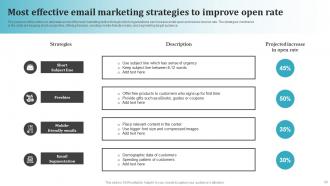
Slide 28: This slide displays some of the best marketing tactics through which organizations can increase email open and reduce bounce rate.
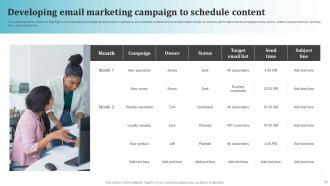
Slide 29: This slide highlights email marketing campaign through which marketers can schedule content and send automated emails.
Slide 30: This slide shows title for topics that are to be covered next in the template.
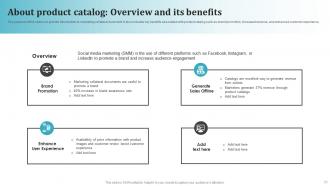
Slide 31: This slide provides introduction to marketing collateral document.
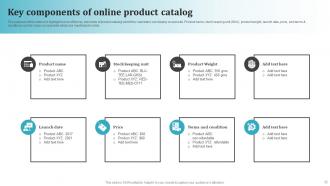
Slide 32: This slide highlights some of the key elements of product catalog which the marketers can display on website.
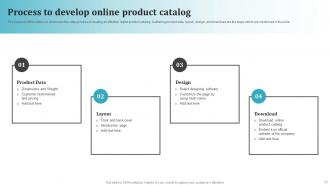
Slide 33: This slide showcases four step process of creating an effective digital product catalog.
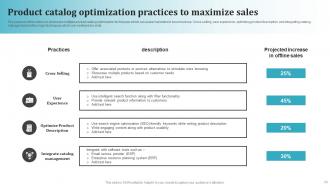
Slide 34: This slide presents multiple product catalog optimization techniques which can assist marketers to boost revenue.
Slide 35: This slide shows title for topics that are to be covered next in the template.
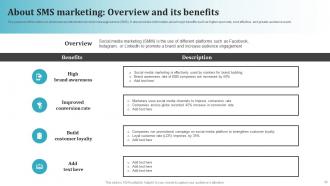
Slide 36: This slide provides glimpse of social media marketing and covers major benefits.
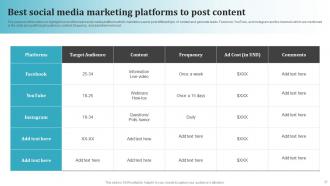
Slide 37: This slide highlights some of the best social media platforms which marketers uses to post different type of content and generate leads.
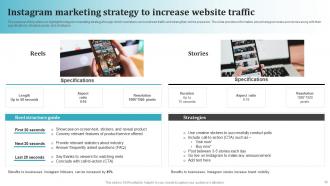
Slide 38: This slide presents Instagram marketing strategy through which marketers can boost web traffic and strengthen online presence.
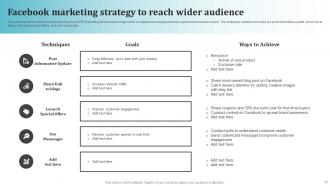
Slide 39: This slide showcases Facebook (FB) marketing techniques through which companies can target particular segment and increase reach.
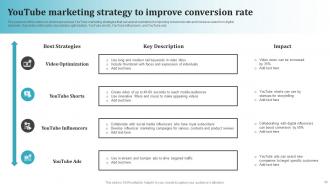
Slide 40: This slide displays various YouTube marketing strategies that can assist marketers in improving conversion rate.
Slide 41: This slide shows title for topics that are to be covered next in the template.
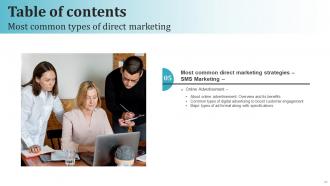
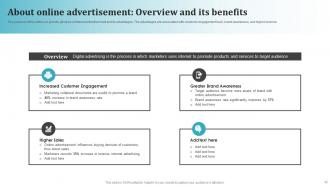
Slide 42: This slide provides glimpse of internet advertisement and its advantages.
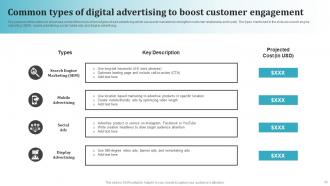
Slide 43: This slide showcases some of the most common types of web advertising which can assist marketers to strengthen customer relationship and loyalty.
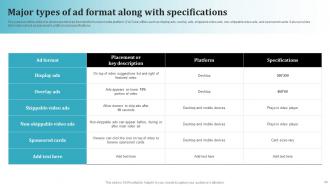
Slide 44: This slide displays list of ad format which social media platform (YouTube) offers.
Slide 45: This slide shows title for topics that are to be covered next in the template.
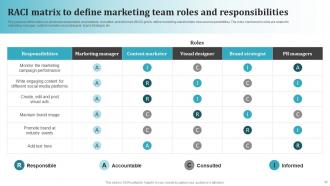
Slide 46: This slide showcases responsible, accountable, consulted, and informed (RACI) grid to define marketing stakeholders roles and responsibilities.
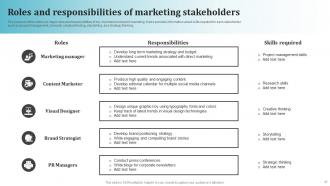
Slide 47: This slide presents major roles and responsibilities of key members involved in marketing.
Slide 48: This slide shows title for topics that are to be covered next in the template.
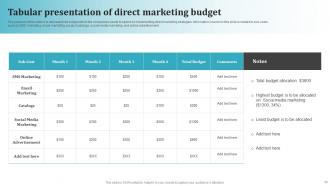
Slide 49: This slide displays total budget which the companies needs to spend on implementing direct marketing strategies.
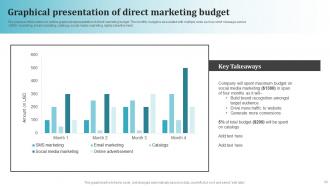
Slide 50: This slide outlines graphical representation of direct marketing budget.
Slide 51: This slide shows title for topics that are to be covered next in the template.
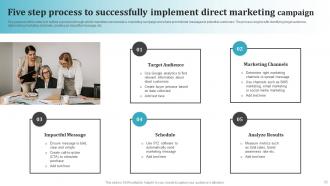
Slide 52: This slide outlines a process through which marketers can execute a marketing campaign and share promotional messages to potential customers.
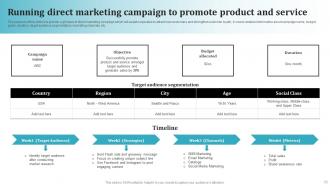
Slide 53: This slide provides direct marketing campaign which will assist corporates to attract new customers and strengthen customer loyalty.
Slide 54: This slide shows title for topics that are to be covered next in the template.
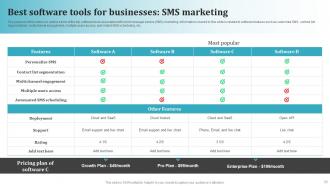
Slide 55: This slide outlines some of the top software tools associated with short message service (SMS) marketing.
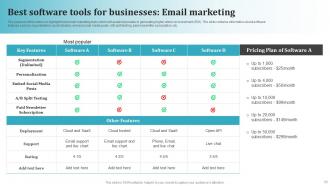
Slide 56: This slide highlights best email marketing tools which will assist corporates in generating higher return on investment (ROI).
Slide 57: This slide showcases comparative assessment of various product catalogs management tools.
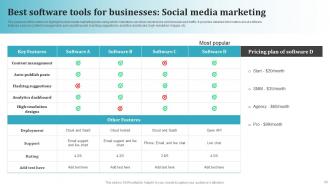
Slide 58: This slide highlights social media marketing tools using which marketers can drive conversions and increase web traffic.
Slide 59: This slide shows title for topics that are to be covered next in the template.
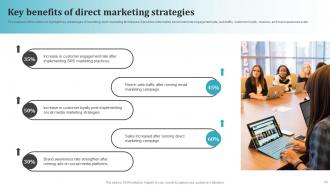
Slide 60: This slide highlights key advantages of executing direct marketing techniques.
Slide 61: This slide shows title for topics that are to be covered next in the template.
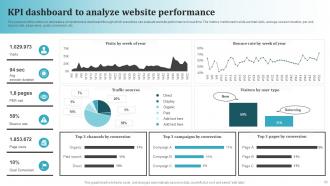
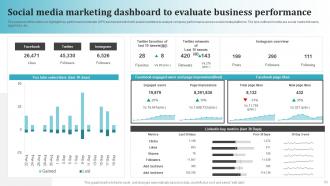
Slide 62: This slide displays a comprehensive dashboard through which executives can evaluate website performance in real-time.
Slide 63: This slide highlights key performance indicator (KPI) dashboard.
Slide 64: This slide shows all the icons included in the presentation.
Slide 65: This slide is titled as Additional Slides for moving forward.
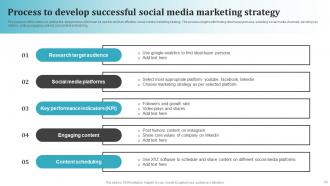
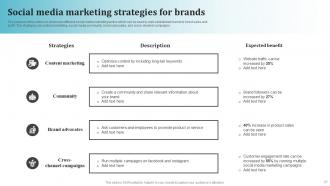
Slide 66: This slide outlines five step process which can be used to build an effective social media marketing strategy.
Slide 67: This slide showcases different social media marketing tactics which can be used by well-established brands to boost sales and profit.
Slide 68: This is Our Vision, Mission & Goal slide.
Slide 69: This is About Us slide to show company specifications etc.
Slide 70: This is a Quotes slide to convey message, beliefs etc.
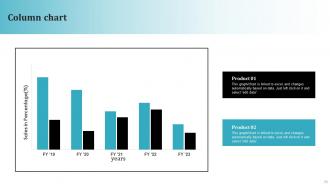
Slide 71: This is a financial slide. Show your finance related stuff here.
Slide 72: This slide provides 30 60 90 Days Plan with text boxes.
Slide 73: This is a Timeline slide. Show data related to time intervals here.
Slide 74: This is a Thank You slide with address, contact numbers and email address.
Most Common Types Of Direct Marketing Powerpoint Presentation Slides MKT CD V with all 84 slides:
Use our Most Common Types Of Direct Marketing Powerpoint Presentation Slides MKT CD V to effectively help you save your valuable time. They are readymade to fit into any presentation structure.












FAQs for Most Common Types Of Direct Marketing Powerpoint Presentation Slides
Okay so basically direct marketing lets you actually target specific people and track what works. Like sending emails to people who already bought from you or running Facebook ads to lookavers. Traditional marketing is more shotgun approach - TV commercials, billboards, hoping someone sees it. The cool thing about direct marketing? You can see exact ROI. Did they open the email? Click the ad? Buy something? With a TV ad you're kinda guessing if it worked. I'd honestly just pick one channel first - maybe email if you have a list already. Test small campaigns and see what your people respond to. Way less overwhelming than trying everything at once.
Focus on the stuff that actually matters - cost per acquisition, customer lifetime value, and conversion rates. Set up different tracking codes for each campaign so you can see what's working. I always mess this up and forget to do it from the start, then I'm scrambling later trying to figure out where my sales came from. Compare your total spend against real revenue, not just clicks or whatever. Some people take forever to buy, so give it at least a few weeks before you judge results. Honestly, measuring from day one saves so much headache down the road.
Honestly, customer segmentation is what makes or breaks direct marketing campaigns. You've gotta dig into your existing customer data first - look for patterns in demographics, buying habits, that stuff. Then create different personas for each group you find. Think about it - why would you send luxury offers to people shopping clearance sales? That's just wasting money. The more specific you get with your segments, the better your response rates will be. Short sentences work. Longer ones help you explain the nuances of why tailored messaging actually converts way better than generic blasts.
Honestly, digital tools are a game changer for direct marketing. You get crazy precise targeting and can actually see what's working in real time. I love how you can segment people based on what they actually do, not just demographics. Email automation saves me hours - it nurtures leads while I'm sleeping. The A/B testing thing is clutch too, way better than just throwing stuff at the wall. CRM integration makes everything flow together nicely. Start simple though - pick one tool you won't hate using and build from there. Don't overwhelm yourself trying to master everything at once.
Honestly, just don't be sketchy with people's data. Get clear permission before you collect anything - and I mean CLEAR, not buried in some 20-page terms thing nobody reads. Give them easy ways to opt out too. Being transparent about what you're doing with their info is huge. Data breaches will absolutely wreck your reputation, so take security seriously. Don't go after vulnerable groups or use sleazy manipulation tactics either. Sure, it might get quick results, but you'll pay for it later. Would you want someone handling your personal data the way you're handling theirs? That's your litmus test right there.
Dude, personalization seriously works - like 20-40% better response rates. People actually open stuff when it feels like it's made for them. Think about it: would you click "Your favorite running shoes are back in stock, Sarah" or some boring generic announcement? No contest. You can use their name, what they bought before, where they live - whatever data you've got. Segment your audience based on that stuff, then write messages that actually speak to each group. Honestly, even just personalizing subject lines makes a huge difference. Start there if you're feeling overwhelmed.
Honestly, I'd go with email first - you'll get around 15-25% open rates and decent conversions if you segment your lists right. SMS is insane with like 98% open rates, but people will literally hate you if you overdo it. Oh, and don't sleep on direct mail! Sounds old school but it crushes with older demographics who aren't always online. Social ads are good for getting your name out there, though conversions are all over the place depending on the platform. Start with email since it's cheap and you get solid data. Then maybe add SMS for your best customers later.
Honestly, I'd go with email marketing first - super cheap and you've probably got some customer contacts already. Don't try to do everything at once though, that's a mistake I see all the time. Pick one thing and nail it. Organic social posts are free if you don't mind putting in the time. Direct mail actually works pretty well too, but only if you're targeting like your immediate area. Oh, and definitely test small before you blow your budget - track what's actually bringing in money, not just likes or whatever. Then just do more of what's working.
Ugh, where do I even start? Don't blast everyone with identical messages - that's marketing suicide. Timing matters too - nobody wants your email at 6am Sunday, trust me. Write subject lines that actually make people curious instead of sounding like a boring press release. Here's what kills me though - so many campaigns just... end. No clear next step, so people read and bounce. Track real metrics, not vanity stuff. Test your messaging and timing first with small groups. Once something clicks, then you scale. Oh, and please vary your channels - don't put all eggs in one basket.
Dude, A/B testing is a game changer for direct marketing. Basically you compare different versions to see what actually works - subject lines, CTAs, layouts, offers, whatever. Subject lines are honestly where I've seen the craziest results lately. Test one thing at a time though, don't get messy with it. Make sure you've got enough people in your sample and let it run long enough to get real data. The trick is doing this constantly, not just once and calling it done. Start with your next email blast or something simple, then roll out the winner to everyone else.
Dude, social media basically flipped direct marketing on its head. The targeting is insane now - you can get super specific with demographics and interests, way more than old school direct mail. Real-time feedback is huge too. Before, you'd send stuff out and just... wait and hope? Now you can tweak campaigns instantly based on what's working. Downside though - everyone's doing it, so people are getting hit from all angles. I'd say focus on actually helping people instead of just selling at them. And definitely dig into those analytics to see what resonates. Makes a huge difference.
So here's the thing - combining direct marketing with content marketing is like doing your homework before asking someone out. You create educational stuff around their actual problems first. Then when you reach out, you're not just another person pitching them random crap. They've already gotten value from you, so they actually want to hear what you have to say. Plus it gives you way more excuses to stay in touch without being annoying. I honestly think most people skip this step and wonder why their outreach sucks. Start with content that solves their pain points, then use that as your conversation starter.
Dude, the personalization stuff with AI is getting crazy accurate - like almost creepy how well it works. Your campaigns need to work across all channels now though. Email, SMS, social media, direct mail - everything has to connect smoothly. GDPR and privacy laws are annoying but honestly customers trust you more when you're transparent about data. Interactive content is blowing up too. Shoppable videos, AR try-ons, that kind of thing. I'd start by looking at what data you're already collecting, then figure out where you can make things more personal. Oh, and make sure your consent stuff is bulletproof.
Honestly, direct mail is having a moment because everyone's drowning in digital noise. Pull data from your email lists and social to figure out who to target, then send them personalized mailers with QR codes or custom URLs that funnel back to your website. Physical mail just hits different now - people actually open it. Track everything with unique promo codes so you know what's working. I'd start with a small test batch focused on your best digital prospects first. Sounds weird mixing old-school mail with digital stuff, but it really works.
Okay so the big ones you wanna watch are response rate and conversion rate - basically how many people actually engage vs how many do what you want them to. Cost per acquisition is probably the most important though, since that's literally what each customer costs you. ROI pulls everything together and shows if you're actually making money. Oh and lifetime value matters too because sometimes you pay more upfront but those customers stick around longer. I always mess up tracking that one at first. Start there and you'll figure out what's actually working pretty quick.
-
Very well designed and informative templates.
-
“Slides are formally built and the color theme is also very exciting. This went perfectly with my needs and saved a good amount of time.”
-
Great product, helpful indeed!