

Big Data Analytics For Cybersecurity Powerpoint Ppt Template Bundles




Try Before you Buy Download Free Sample Product
 Impress Your
 Audience
 100%
100% Editable
 Save Hours
 of Time


Our Big Data Analytics For Cybersecurity Powerpoint Ppt Template Bundles are topically designed to provide an attractive backdrop to any subject. Use them to look like a presentation pro.
People who downloaded this PowerPoint presentation also viewed the following :
Big Data Analytics For Cybersecurity Powerpoint Ppt Template Bundles with all 25 slides:
Use our Big Data Analytics For Cybersecurity Powerpoint Ppt Template Bundles to effectively help you save your valuable time. They are readymade to fit into any presentation structure.








FAQs for Big Data Analytics For Cybersecurity Powerpoint
So big data analytics is basically your 24/7 security guard that actually pays attention. It churns through tons of network traffic and user logs, spotting weird stuff humans would totally miss - like sketchy login times or strange data transfers. What's cool is it catches problems before they blow up into actual breaches. Way better than scrambling after someone's already broken in, you know? The tricky part is figuring out what data you can actually work with first. Oh, and it never gets tired or forgets patterns like we do.
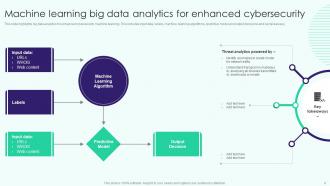
So ML can crunch through tons of network data way faster than we ever could and spot weird patterns. Feed it old attack data plus normal traffic baselines, and it'll flag sketchy stuff automatically. What's crazy is how much better these models get over time - like genuinely impressive. Traditional signature detection only catches threats you already know about, but ML picks up on behavioral red flags like weird login attempts or suspicious data movement. I'd start with supervised models using labeled attack data first, then maybe add unsupervised ones later to catch new exploits.
You'll mainly work with network traffic logs, system/application logs, and endpoint data from your devices. Threat intel feeds are super helpful too. Firewalls, IDS/IPS, and SIEM systems pump out crazy amounts of data - honestly can be overwhelming at first. Don't forget user behavior stuff, DNS logs, and email metadata. The magic happens when you connect all these different streams together. Individual sources miss things, but patterns emerge when you cross-reference them. Oh, and prioritize whatever gives you the clearest picture of your specific setup first - saves time later.
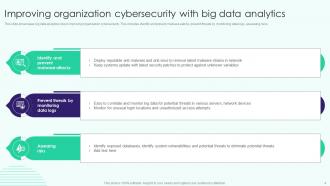
So basically big data analytics lets you catch threats way faster by automatically sorting through all your security data in real-time. Your team doesn't have to dig through thousands of useless alerts anymore - the ML algorithms just highlight the actual dangerous stuff and tell you what to do about it. Game changer honestly. It pulls historical data too, so you get context about similar attacks from the past. The whole needle-in-haystack thing becomes a non-issue. I'd start with whatever data sources are flooding you the most and build automated correlation rules there first.
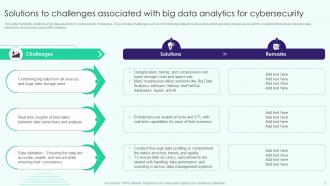
Honestly, the data thing is brutal - you'll drown in alerts trying to figure out what's actually dangerous. Good luck finding people who know both cybersecurity AND data science, because those folks cost a fortune. Your existing tools probably won't talk to each other either, which is super annoying when you're trying to get clean data flowing. Privacy rules make everything more complicated too since you're dealing with sensitive stuff. Oh, and false positives will drive your team crazy. My advice? Pick one small project first, show it actually works and saves money, then expand from there. Don't try to boil the ocean.
So predictive analytics is pretty cool - it looks at old attack data to catch patterns and weird stuff that might mean trouble's coming. Think of it like your security team getting a heads up instead of scrambling after hackers already got in. Machine learning can tell you which devices are sitting ducks or if that network traffic looks sketchy. Honestly, most companies are still just playing defense after the fact. You'll want to try user behavior analytics first since it gives you results fast. Way better than waiting around for the next breach to surprise you.
So basically big data tracks everyone's normal habits - when they log in, what files they touch, how much data they move around. Then it flags weird stuff like someone downloading sensitive files at 3am or suddenly accessing systems they've never used before. Pretty smart honestly, like having a security guard that actually pays attention 24/7. You can even cross-reference this with HR records to spot employees who might be pissed off and planning something sketchy. The trick is setting up alerts so your team can jump on suspicious behavior before things go sideways.
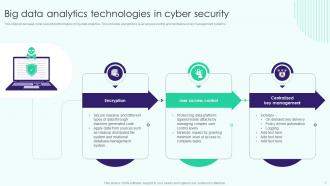
So first thing - strip out all the personally identifiable stuff but keep the useful patterns when you're feeding data into analytics. Differential privacy is your friend here, adds just enough statistical noise to protect people without killing the trends you need. Only collect what you actually need too, don't just hoover up everything. Honestly, your security and privacy teams better be best friends from the start or this whole thing falls apart. Oh and obviously set up proper access controls and audit trails. I'd start by figuring out what sensitive data you've got vs what you actually need for threat hunting - might surprise you how much extra junk you're sitting on.
Dude, real-time data processing is huge for catching threats. Instead of finding out about attacks days later, you're spotting them as they happen. It analyzes network traffic, user behavior, all that stuff instantly to catch weird patterns. Honestly, speed makes all the difference now - batch processing just leaves you scrambling behind attackers who don't wait around. Your security team can jump on threats immediately and maybe stop them before things get ugly. Oh, and figure out which data streams matter most first. That's where you want to focus your real-time monitoring.
Okay so big data basically saves your butt by tracking everything automatically - like who accessed what data, weird user behavior, security stuff. Creates those audit trails regulators want without you doing the grunt work. When compliance audits roll around (ugh), you'll actually have documentation ready. The cool part is it catches policy violations early, before they blow up into bigger problems. Plus it spits out automated reports for SOX, GDPR, whatever applies to you. Honestly just figure out which regulations matter most for your company first, then set up your tools to monitor those specific things.
Dude, there are some solid examples out there. Netflix catches account takeovers by tracking how people actually use their platform - pretty smart. PayPal's hitting 99.5% accuracy on fraud detection, which is wild when you think about how many transactions they handle. Bank of America does this thing where they watch network traffic for weird data flows. Mastercard can spot sketchy transactions in milliseconds across their whole system. Oh, and definitely check out how they set up their data pipelines - that's usually where things fall apart if you're not careful.
Set up risk scoring that weighs severity, impact, and what assets matter most. Analytics platforms can auto-score based on stuff like critical system targeting or active spreading. Don't chase everything - learned that the hard way watching teams burn out. Focus on threats that'll actually damage operations or compromise valuable data first. High-priority stuff gets automated alerts with clear escalation paths. Oh, and define what "critical" means for your specific setup before building those prioritization rules. Makes everything way cleaner.
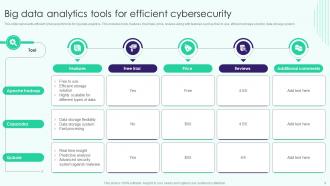
Oh man, there's actually a bunch of stuff that plays really well with big data for cybersecurity. Machine learning is probably your best bet - it catches weird patterns in all that data way better than we could. SIEM tools are solid too since they give you that real-time monitoring when you hook them up with big data platforms. Threat intelligence feeds are clutch for context (honestly underrated IMO). Behavioral analytics is huge for spotting when your own people are up to something sketchy. If I were you, I'd start by adding ML to whatever big data setup you already have - usually the quickest way to see results.
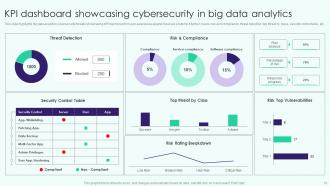
Dude, visualization tools are a lifesaver for security stuff. They take all that messy data and turn it into heat maps, network graphs, dashboards - anything that actually makes sense visually. Way better than scrolling through endless logs (seriously, who has time for that?). You can spot attack patterns and weird connections so much faster. The trick is finding something that won't lag when you're dealing with tons of data. Also make sure whatever you pick matches how your team thinks about incidents - no point having pretty charts if they're confusing as hell.
Honestly, you're gonna need to get comfortable with SQL and Python first - that's your foundation. Statistics matter too, obviously. Machine learning is where things get interesting since you're basically training models to spot sketchy patterns and threats. Tableau or similar visualization tools are clutch for actually showing people what you found (nobody wants to stare at raw data). The tricky part is having enough cybersecurity knowledge to tell the difference between real threats and just random noise. I'd probably start with a Python data science course, then move into the security stuff once you've got the basics down.
-
Excellent work done on template design and graphics.
-
I want to thank SlideTeam for the work that they do, especially their customer service.