

Big Data Analytics Powerpoint Ppt Template Bundles




Try Before you Buy Download Free Sample Product
 Impress Your
 Audience
 100%
100% Editable
 Save Hours
 of Time


Embark on a data driven journey with our comprehensive Big Data Analytics PPT presentation. Immerse yourself in the world of Data Science, where Machine Learning and Artificial Intelligence converge to unlock valuable insights. Discover the power of Predictive Analytics, harnessing the potential of Data Mining for future trends. Explore Business Intelligence and Data Warehousing, essential for robust data management. Dive into the realm of Hadoop, the heart of big data processing. Experience the impact of real time analytics and witness the transformation through Data Visualization. Whether you are a data enthusiast, business leader, or tech professional, our presentation demystifies the complexities of big data ppt, empowering you to make informed decisions that shape your future success.
People who downloaded this PowerPoint presentation also viewed the following :
Big Data Analytics Powerpoint Ppt Template Bundles with all 25 slides:
Use our Big Data Analytics Powerpoint Ppt Template Bundles to effectively help you save your valuable time. They are readymade to fit into any presentation structure.











FAQs for Big Data Analytics Powerpoint
So structured data is the neat stuff - databases, spreadsheets, customer info all lined up in rows and columns. Pretty straightforward. Unstructured data? That's your emails, social posts, videos, random sensor readings. Basically anything messy that doesn't fit into those perfect little boxes. Here's the thing though - you can't just run normal database queries on a tweet or photo, which honestly makes it way more annoying to work with. Different data types need completely different tools. Figure out what you're dealing with first, then pick your approach from there.
So basically you collect data from everywhere - purchases, what they click on, demographics, all that stuff. Then use analytics to spot patterns and predict what each customer wants. It's like how Netflix knows exactly what show you'll binge next, which is honestly kind of creepy but amazing. Start with simple email personalization based on what they bought before. From there you can do micro-targeting - different product recommendations, custom messages, even adjust prices. Machine learning does the heavy lifting once you feed it enough data. Way easier than trying to guess what people want.
So ML is basically what makes big data actually useful instead of just overwhelming. Think of it as having a super smart assistant that finds patterns in millions of records while you grab coffee. You can spot fraud, predict sales, figure out customer segments - all automatically. Honestly, the combo of ML + big data infrastructure is where things get really interesting because you're processing massive amounts and getting solid recommendations. Just start small though - try clustering or regression on part of your data first. You'll see results pretty quickly.
So basically big data lets you see your whole supply chain in real-time - super helpful for catching bottlenecks early and predicting when demand's gonna spike. You can optimize inventory before you're scrambling. It picks up on supplier issues, shipping delays, customer patterns that you'd never notice otherwise. Start small though - pick one annoying problem like late deliveries or running out of stock, then dig into what's actually causing it. Once you get the hang of it, you can get fancy with the predictive stuff. Game changer honestly.
Ugh, where do I even start? Privacy's the big one - you're basically using people's personal info without them knowing the full scope. Bias is another nightmare. Algorithms love amplifying whatever discrimination already exists in your data, so certain groups get screwed over. Then there's consent - did people actually agree to THIS use of their data? Probably not. Security matters too, obviously. How long are you keeping everything? I always think about whether I'd be cool with someone doing this with MY stuff. That usually gives you a decent gut check.
Dude, real-time analytics is seriously changing everything in finance and healthcare. Your credit card company can now catch fraud instantly - that's why you get those texts right after weird transactions. Trading algorithms make million-dollar decisions in milliseconds, which is kinda terrifying if you think about it. Healthcare's probably cooler though. Doctors monitor patients 24/7 and spot emergencies before they happen. They're even predicting disease outbreaks as they start spreading. If you're in either field, definitely check out streaming analytics platforms. Could be huge for your team.
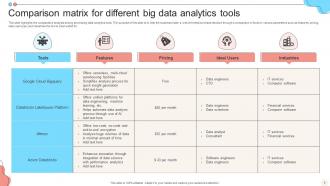
Spark's probably your best bet for distributed stuff - handles both batch and streaming pretty well. Hadoop still works fine for huge storage needs, but honestly feels kinda old school at this point. If your data fits in memory, just stick with Python and pandas/NumPy. Cloud-wise, AWS EMR or Google BigQuery are solid choices since they deal with all the infrastructure nonsense. Oh, and Presto's great for querying across different sources - saved me tons of headaches last year. Really depends on your budget and what your team already knows though.
Honestly, just grab Google Analytics and check your social media insights first - way more useful than you'd expect. Don't blow money on fancy software yet (most people never even use half the free stuff properly anyway). Pick one simple question like "who keeps coming back to buy?" instead of trying to analyze your entire business at once. Excel works fine for basic stuff, or try Tableau Public if you're feeling ambitious. The real trick? Actually collect data consistently before you start asking questions. I'd say pick one thing to track and stick with it for a month. You'll be surprised what patterns show up.
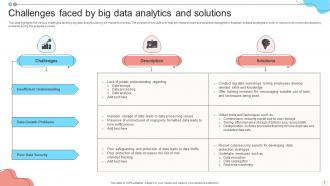
Ugh, data integration is such a mess honestly. You're gonna hit three major headaches: format chaos, quality disasters, and massive volume spikes. Different sources literally don't play nice together - APIs, databases, CSV files all speaking different languages. Quality issues will make you want to scream because there's duplicates and missing stuff everywhere. Performance becomes a real problem when your data suddenly explodes in size. Oh and scaling your processes? That's a whole other beast. Honestly just start with one small pilot project first - don't try to fix everything at once or you'll go insane.
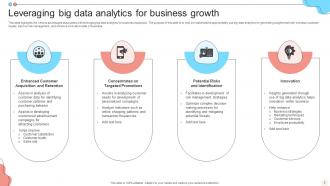
So predictive analytics is basically your secret weapon for staying ahead of everyone else. You're not just scrambling to react anymore - you can actually forecast what customers will do next and spot trends before they hit. Think crystal ball, but actually useful since it runs on real data. Companies are crushing it with smarter inventory calls, better customer targeting, all that good stuff. Honestly, the pricing optimization alone can be huge. My advice? Don't try to boil the ocean right away. Just pick one area where better predictions would obviously boost your profits and start there.
You'll probably want heat maps and scatter plots - they're everywhere for good reason. Heat maps show patterns in huge datasets really well, like tracking how users behave over time. Scatter plots? Great for spotting weird outliers fast when you're buried in data. There's also network diagrams for mapping relationships, geographic stuff for location data. Box plots work for statistical distributions too. Most teams I know live on real-time dashboards that update themselves, which honestly makes life easier. Just start with whatever your team's already got - Tableau, Power BI, even Python libraries if that's your thing.
So basically, big data can catch all those inefficiencies you'd never spot just looking at spreadsheets manually. Like predicting when machines are gonna break before they actually do, or figuring out why your supply chain keeps getting stuck. Most companies have way more waste than they think - kinda crazy honestly. You can optimize scheduling, inventory, all that stuff by finding patterns in your data. Oh and it automates a lot of boring decisions too. I'd say start with whatever operational thing annoys you most and test some analytics there first.
Honestly, cloud computing is what makes big data analytics actually doable for most companies. Instead of buying your own data centers (who has that money?), you get massive storage and processing power that scales up when you need it. Heavy analysis workload coming up? Spin up more resources. Done with the project? Scale back down and save cash. The built-in analytics tools and APIs are pretty solid too - they'll play nice with whatever systems you're already running. I'd say start with AWS or Azure's free tiers and just mess around with them first.
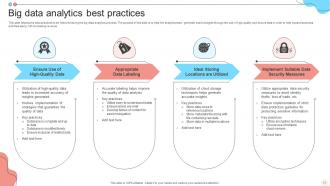
You'll want to build quality checks into every part of your pipeline - collection, processing, storage, the whole thing. Set up automated alerts for duplicates and missing data because honestly, finding these issues early will save you from wanting to throw your laptop out the window later. Get clear governance policies so your team isn't guessing what "clean data" actually means. Profiling tools help you monitor everything continuously. Oh, and create feedback loops with whoever's sending you the source data. Don't try to fix everything at once though - pick one dataset that really matters, nail the quality process there, then expand from there.
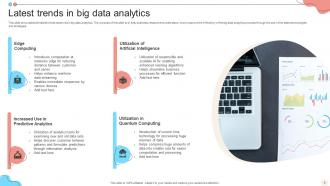
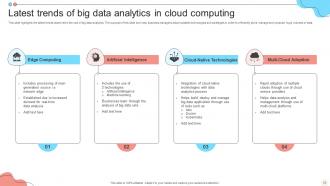
Honestly, you'll want to focus on AI-powered analytics and real-time streaming data first. Edge computing's big too. Most companies are ditching batch processing because nobody wants to wait for insights anymore - makes sense, right? Cloud-native platforms blow away the old on-premise systems we all used to hate. Graph analytics is pretty cool for mapping data relationships, plus automated ML means your non-technical people can actually build decent models now. Data mesh architecture is changing everything about team ownership. Start with real-time analytics though - that's where you'll see money fast.
-
The slides are remarkable with creative designs and interesting information. I am pleased to see how functional and adaptive the design is. Would highly recommend this purchase!
-
Based on my personal experience, I would recommend other people to subscribe to SlideTeam. No one can be disappointed here!