


Big Data Analytics In E Commerce Powerpoint Ppt Template Bundles




Try Before you Buy Download Free Sample Product
 Impress Your
 Audience
 100%
100% Editable
 Save Hours
 of Time


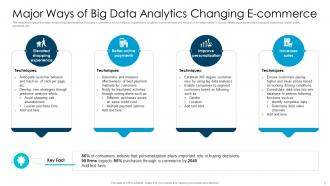
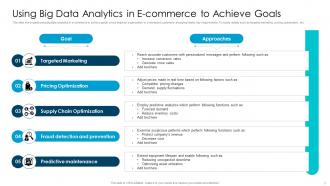
Unleash the Potential of Big Data Analytics in E-Commerce with our dynamic PPT presentation. Dive into the realm where big data and e-commerce converge, exploring its profound impact on the industry. Gain valuable insights into harnessing big datas power to enhance decision-making, customer profiling, and personalized experiences. Navigate the landscape of e-commerce big data analytics, discovering real-world applications that drive sales, optimize supply chains, and forecast trends. With compelling visuals and concise explanations, our presentation illuminates how big data reshapes the e-commerce landscape, offering a competitive edge. Elevate your understanding and tap into the transformative capabilities of big data analytics to revolutionize your e-commerce strategies.
People who downloaded this PowerPoint presentation also viewed the following :
Big Data Analytics In E Commerce Powerpoint Ppt Template Bundles with all 30 slides:
Use our Big Data Analytics In E Commerce Powerpoint Ppt Template Bundles to effectively help you save your valuable time. They are readymade to fit into any presentation structure.








FAQs for Big Data Analytics In E Commerce Powerpoint
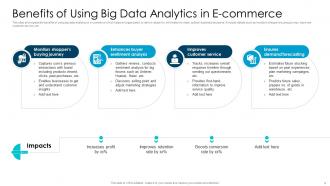
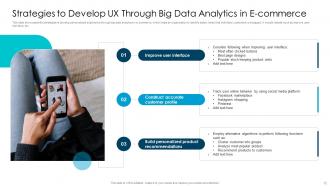
Dude, big data is crazy good for personalizing shopping experiences. Track browsing habits, purchase history, cart abandons - basically everything customers do. The recommendation engines get weirdly accurate (sometimes I wonder if they know me better than I know myself lol). You can personalize homepages, send perfectly-timed emails, even adjust prices on the fly. Plus predict what they'll buy next. Honestly though? Don't go overboard at first. Pick one thing like product recommendations and get that working really well before you add more features.
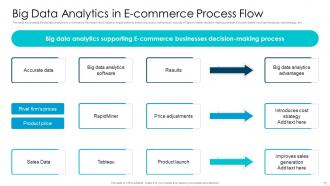
So for the tech stack, you're gonna want ML algorithms for recommendations and personalization stuff. Kafka's huge for real-time data streaming - processes customer behavior instantly. Cloud warehouses like Snowflake or BigQuery handle the massive datasets. Spark and Hadoop are still around for distributed processing, but honestly cloud solutions are kinda eating their lunch lately. Don't sleep on visualization tools like Tableau either. But here's the thing - nail your data pipeline first. I've seen so many projects crash and burn there before they even touch the analytics.
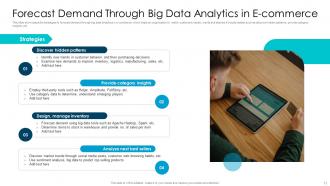
So basically you can track everything in real-time and predict what people will actually buy. Start with connecting your sales data to inventory systems - that's gonna show you exactly when to reorder stuff. Machine learning gets scary accurate once you dump enough purchase history and seasonal data into it. Weather and events can totally mess with demand too, so factor that in. Oh, and definitely monitor how your suppliers are performing. Catching bottlenecks early saves you from those "oh crap we're out of everything" moments. Honestly the predictive stuff works way better than I expected when I first tried it.
So predictive analytics is basically your crystal ball for inventory - looks at your past sales, seasonal stuff, customer habits, all that data to predict what you'll actually need. Way smarter than winging it, which honestly I used to do way too much. You won't get stuck with dead inventory sitting around or lose sales because everything's out of stock. Start small though - pick your best-selling items that have clear patterns first. It'll save you money on storage costs and keep customers happy when they can actually buy what they want.
So there's this thing called natural language processing that'll churn through thousands of reviews automatically - way better than sitting there reading each one forever. Platforms like Hadoop or cloud services can spot patterns, common complaints, all that stuff. What's really neat is tracking how sentiment shifts when you launch updates or change things. Oh, and you can set up dashboards that basically scream at you when negative reviews spike. Honestly saves so much time compared to the old manual way. Your team can jump on issues before they blow up.
Okay so basically you've got three big things to worry about: consent, being upfront about stuff, and not going overboard with data collection. Don't just bury everything in some massive terms document - people need to actually get what you're taking and why. Only grab what you genuinely need for your business, not every piece of info you can get your hands on. GDPR isn't messing around anymore either, so there's real legal stuff at stake. Honestly? I'd set up regular check-ins on your data practices and have solid policies for when to delete things.
Honestly, real-time analytics is such a lifesaver - you can see trends and customer behavior happening right now instead of waiting weeks for reports. Like, you'll spot which products are blowing up, catch people abandoning their carts, and even tweak pricing based on demand. Way better than the old "let's analyze last month's data" thing we used to do. You can personalize recommendations instantly and fix problems before they kill your conversion rates. I'd start with live dashboards for your main metrics first - you'll be shocked how much quicker you can jump on opportunities.
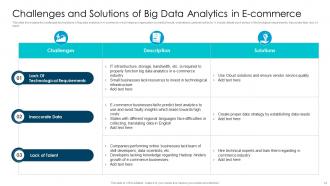
Honestly, the biggest pain is going to be data silos - your info is probably scattered across like 15 different systems that hate each other. Privacy stuff like GDPR will stress you out too. Plus there's just SO much data flowing in constantly from customers, inventory, social platforms, everything. Your infrastructure needs to handle real-time processing without dying during peak sales (learned that one the hard way). Oh, and integration is genuinely awful because nothing wants to connect properly. But here's what worked for me: pick one small thing first, nail that completely, then build from there. Don't try to boil the ocean right away.
Okay so data viz tools are basically magic for turning your boring spreadsheet chaos into actual charts and graphs that make sense. You'll spot trends instantly instead of going cross-eyed staring at endless rows of numbers. Like seeing which products are hot, where customers bail on your site, regional performance - all that good stuff. I swear it's like getting glasses for the first time when you're squinting at data. Raw numbers hide so much! Google Analytics has decent built-in visualization if you're just starting out. Tableau's pretty slick too if you want something fancier.
Honestly, big data makes A/B testing so much better. You can test tons of variables at once instead of that old one-at-a-time approach. Think millions of data points across different customer groups, locations, behaviors - all happening simultaneously. The crazy part? You'll get results in real-time rather than waiting forever for significance. Machine learning can even predict winners before you fully roll them out, which is pretty cool. My advice would be to start with your most valuable customer segments first and create tests specifically for each group. Way more effective than generic testing.
Dude, sentiment analysis is a game changer for tracking what people actually think about your brand and competitors on social media. You'll catch trends early and see which products are getting love or hate. Honestly, the negative feedback stings at first but it's super valuable. Plus you can spot potential PR nightmares before they explode everywhere. The positive stuff helps you find brand advocates for partnerships too. Oh, and don't just monitor yourself - track your top 3 competitors while you're at it. Makes the data way more interesting when you can compare.
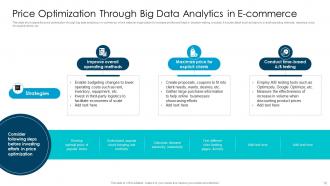
Dude, big data is a game-changer for pricing stuff. You can watch what competitors are doing in real-time and see exactly how customers behave. Then adjust prices based on demand, inventory, seasons - even target specific customer groups. It's honestly pretty wild how accurate it gets. The whole point is finding that perfect price where you make bank but don't lose people to competitors. Oh, and dynamic pricing tools are clutch - definitely try those first along with some A/B testing. You'll notice better conversion rates pretty quick.
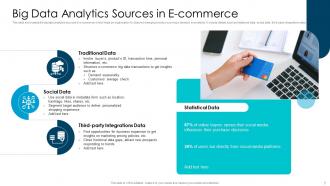
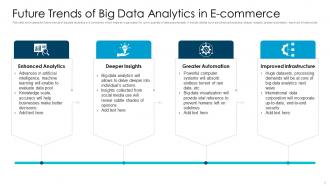
Honestly, big data is a game changer for spotting trends early. You can analyze tons of customer behavior and social media chatter in real-time - way before competitors catch on. I'd set up automated alerts for weird spikes in keywords or categories. That way you'll know when to pivot your inventory fast. Social listening tools are seriously underrated for this stuff. What's cool is combining different data sources like website analytics, purchase history, and external market data. You can even track what people search for but can't find. Seasonal shifts become obvious too. It's all about getting the full picture so you're not flying blind with your marketing strategy.
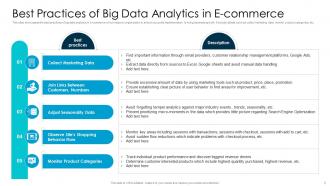
Honestly, start with data quality - clean stuff beats tons of messy data every day. Get your ETL processes automated and invest in proper data warehousing early. Trust me, retrofitting that later is pure hell. Capture customer touchpoints everywhere, not just your main site. Regular audits and backups are boring but crucial. Black Friday analytics crashes will make you hate life otherwise. Oh, and don't jump straight to fancy AI models - nail these basics first or you're building on quicksand.
Honestly, you don't need a huge budget for this stuff. Google Analytics is free and your e-commerce platform probably has decent reporting already built in. Social media gives you tons of customer insights too. Focus on like 3-4 metrics that actually move the needle - purchase patterns, lifetime value, which channels bring in real buyers. I've seen people drown in spreadsheets trying to track everything at once, which is pointless. Pick what matters most first. Then when you're making money from those insights, add fancier tools later.
-
My search for complete decks ended with SlideTeam. Such a surplus collection of HD PowerPoints. Moreover, their standard and widescreen formats have helped me in delivering bullseye presentations.
-
The website is jam-packed with fantastic and creative templates for a variety of business concepts. They are easy to use and customize.