

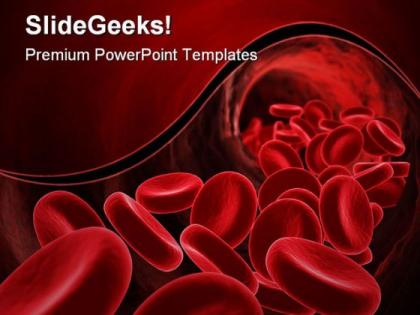
Blood cells medical powerpoint templates and powerpoint backgrounds 0411




Try Before you Buy Download Free Sample Product
 Impress Your
 Audience
 100%
100% Editable
 Save Hours
 of Time


Your thoughts have already made an impression. Our Blood Cells Medical PowerPoint Templates And PowerPoint Backgrounds 0411 will be a bonus.
People who downloaded this PowerPoint presentation also viewed the following :
Blood cells medical powerpoint templates and powerpoint backgrounds 0411 with all 3 slides:
Don't spend all night trying to get your presentation looking good. Out library of high quality Blood Cells Medical PowerPoint Templates And PowerPoint Backgrounds 0411 can have you done in now time.



FAQs for Blood cells medical powerpoint templates and
So red blood cells are like your body's delivery trucks for oxygen. They pick it up from your lungs and drop it off everywhere else, then grab carbon dioxide on the return trip. The hemoglobin inside them does the actual heavy lifting. They're shaped weird too - like donuts but without the hole? That biconcave thing gives them more surface area and helps them fit through super tiny blood vessels. Oh, they also balance your blood's pH. If you're dragging or can't catch your breath lately, might be worth checking if these guys aren't pulling their weight.
So white blood cells are like your body's security squad. They're constantly patrolling for infections and viruses - pretty wild when you think about it. Neutrophils are the first responders that jump on bacteria right away. Then you've got lymphocytes that act more like detectives, remembering past infections. When they find trouble, they'll either attack directly or send out signals for backup. The crazy part? They actually learn from experience, which is why vaccines work and you don't get chickenpox twice. Your immune system's basically got a memory bank.
So platelets are like tiny bandaids that rush to any cut or scrape you get. They clump together super fast to plug up the hole and stop you from bleeding everywhere. Pretty neat, right? But they don't just sit there - they also send out chemical signals that trigger your body's whole clotting system. That's when you get those fibrin threads that make a real, solid clot. Without them, you'd basically be a leaky faucet from even the smallest paper cut. Your doctor checks your platelet count in regular blood work - it'll show up as "PLT" on the results.
So basically hemoglobin has these iron atoms that grab onto oxygen - up to four molecules per hemoglobin. Your red blood cells cruise through your lungs and pick up oxygen, forming oxyhemoglobin. Then when they hit tissues that are oxygen-starved, the hemoglobin drops off its cargo. The cool part is how it knows where to release - it's all about oxygen levels in different areas. Oh and here's something kinda neat: oxygen-rich blood looks bright red while the oxygen-poor stuff is way darker. Makes sense when you think about it.
Okay so there's five main types of white blood cells. Neutrophils jump in first when you've got a bacterial infection - they're like your body's emergency responders. Then you've got lymphocytes, which break down into B cells that pump out antibodies and T cells that basically run the whole show and kill off infected stuff. Monocytes turn into these macrophages that literally just eat whatever shouldn't be there (honestly kind of gross but fascinating). Eosinophils deal with parasites and allergies, while basophils dump histamine everywhere during allergic reactions. When docs look at your CBC results, those percentages basically tell them what's up with your immune system.
So basically your blood work is like getting a sneak peek at what's going on inside before you actually feel sick. High white blood cells? Usually means infection or your immune system's freaking out. Red blood cells dipping low points to anemia - could be low iron or some chronic thing going on. Platelets are all about clotting, so if they're off you'll either bruise like a peach or have inflammation issues. I swear doctors are obsessed with these labs but honestly they catch stuff way early. My doc always says the numbers don't lie, which sounds cheesy but it's actually true.
So bone marrow production is controlled by a bunch of things. Hormones like erythropoietin and thrombopoietin are huge - they're basically sending signals about what to make. Nutrition's critical too, especially iron, B12, folate. Disease and infections can totally mess with production, either cranking it up or shutting it down. Age is a factor since marrow naturally slows as we get older. Oh, and medications can screw things up too. When I see weird blood counts, I usually check these things first - saves time and you'll catch most issues. Makes troubleshooting way easier honestly.
Yeah, blood counts change a ton depending on your age and stuff. Kids naturally run higher white cell counts, while older people usually see everything drop. Women tend to have lower red cells and hemoglobin - periods and hormones are partly to blame there. Any illness throws things off too. Got an infection? Your white cells shoot up. Anemia tanks your reds obviously. Chronic conditions mess with pretty much everything, which honestly makes lab results tricky to read sometimes. Those "normal" ranges are more like suggestions anyway - you've gotta look at the whole picture with someone's health history.
So there's actually a bunch of genetic stuff that can screw with your blood cells. You've got the classic ones like sickle cell and thalassemia - those mess with hemoglobin production. Then there are enzyme problems and membrane issues with red blood cells. Some people inherit clotting disorders (hemophilia's probably the most famous one). Bone marrow can get affected too, like with Fanconi anemia where cell production just doesn't work right. Oh, and autoimmune variants where your immune system basically attacks your own blood cells - that one's particularly frustrating. Family history is super helpful here since most of these follow pretty predictable inheritance patterns you can test for.
So anemia and leukemia both mess with your blood, but in completely different ways. Anemia means you don't have enough red blood cells or they can't carry oxygen properly - which explains why people feel totally wiped out all the time. Leukemia's way scarier though. Your white blood cells basically go crazy and multiply like crazy, crowding out all the healthy cells. Honestly, if you're seeing patients who are always exhausted or getting sick constantly, just order a CBC. It's such an easy test and can catch so much stuff early.
So CAR-T therapy is absolutely crushing it right now - they're basically reprogramming your own immune cells to hunt down cancer. Works amazing for blood cancers that used to be hopeless. CRISPR's another game-changer, actually editing stem cells to fix sickle cell and thalassemia. Wild stuff. There's also progress on artificial blood and lab-grown platelets, though that feels more futuristic still. Honestly the field moves ridiculously fast - I can barely keep track of all the trials happening. You should definitely check out what's in clinical trials if you want the real scoop on what patients might see soon.
So red blood cells are the marathoners - they stick around for about 120 days. White blood cells are all over the place though. Neutrophils barely last 6-8 hours (honestly seems like a waste), but some lymphocytes can hang out for years as memory cells. Platelets are somewhere in between at 8-10 days. That's why your blood work numbers jump around so much between tests. The timing matters a lot, and which cells you're looking at. If someone's labs look crazy different from last time, think about what type of cells are acting up.
So basically they'll start with a CBC - that shows your cell counts and hemoglobin levels. Pretty standard first step. Blood smears are next if needed, where they actually look at your cells under a microscope to check for weird shapes or anything abnormal. Flow cytometry's another one that identifies specific cell markers, though honestly I had to look that up when my doctor mentioned it lol. Most issues get caught early with just the CBC though. If you're having symptoms, they'll probably start there and then move to more specialized stuff like bone marrow biopsies if things look concerning.
So basically your kidneys freak out when there's less oxygen up there and start pumping out this hormone called EPO. That tells your bone marrow to crank out more red blood cells. Takes a few weeks though - which is why some athletes do that whole altitude training thing (honestly not sure how much it actually helps). Your body's just trying to make sure your tissues don't suffocate. If you're headed somewhere high up, don't plan anything crazy intense right away. Give yourself time to adjust first.
So basically your blood has these proteins on the surface, and if you get the wrong type, your body freaks out and attacks it like it's some kind of infection. Not fun. There's A, B, AB, and O types, plus whether you're positive or negative. Your plasma actually has antibodies that go after incompatible blood too - it's kind of fascinating how your body just knows what belongs and what doesn't. Definitely find out your blood type if you don't know it already. Hospitals are super careful about checking compatibility, but you should know yours just in case.
-
I discovered this website through a google search, the services matched my needs perfectly and the pricing was very reasonable. I was thrilled with the product and the customer service. I will definitely use their slides again for my presentations and recommend them to other colleagues.
-
Appreciate the research and its presentable format.