


Brand Persona Archetype Wheel With Marketing Niche




Try Before you Buy Download Free Sample Product
 Impress Your
 Audience
 100%
100% Editable
 Save Hours
 of Time


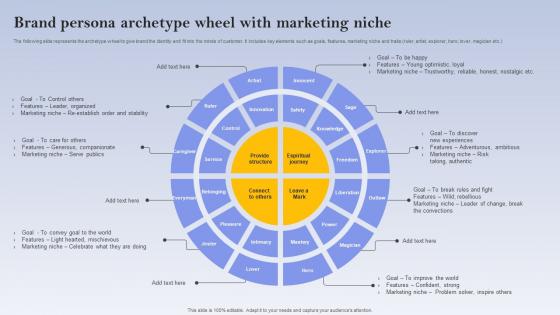
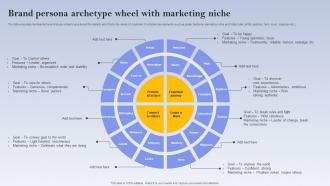
The following slide represents the archetype wheel to give brand the identity and fit into the minds of customer. It includes key elements such as goals, features, marketing niche and traits ruler, artist, explorer, hero, lover, magician etc.
People who downloaded this PowerPoint presentation also viewed the following :
Brand Persona Archetype Wheel With Marketing Niche with all 6 slides:
Use our Brand Persona Archetype Wheel With Marketing Niche to effectively help you save your valuable time. They are readymade to fit into any presentation structure.





FAQs for Brand Persona Archetype Wheel
So brand archetypes are like personality types for companies - Hero, Rebel, Innocent, that kind of thing. They're based on what motivates people deep down, which honestly makes them pretty powerful for marketing. The whole point is helping customers connect with your brand emotionally. People relate to brands the same way they do with other humans. Once you nail down your archetype, everything else gets easier - your messaging stays consistent and actually hits different. My advice? Figure out which archetype matches what your company stands for, then let that drive how you tell your story.
So basically, picking a brand archetype gives you this framework that makes your storytelling way more consistent. You're not just throwing random content at the wall anymore - you've got this psychological blueprint guiding everything. Like if you're the Hero, you're always about overcoming stuff. The Sage shares wisdom, whatever. Your audience picks up on these patterns subconsciously and connects deeper. It's honestly like having a character bible for your brand (which sounds nerdy but actually works). I'd start by choosing your main archetype first. Then go through your current content and see where you're already doing this naturally - you might be surprised.
So there are 12 main ones: Innocent (pure, optimistic), Explorer (freedom-seeking), Sage (wisdom-focused), Hero (courageous), Outlaw (rebellious), Magician (transformative), Regular Person (relatable), Lover (passionate), Jester (playful), Caregiver (nurturing), Creator (artistic), and Ruler (authoritative). They're pretty spot-on at capturing what actually motivates people - kinda scary how well they work tbh. Pick whichever one genuinely matches your brand's vibe and use it for everything: messaging, visuals, how you treat customers. Don't just go with whatever sounds the most exciting though. Like, every startup thinks they're the Hero archetype when they're probably more Regular Person, you know?
Think of archetypes like personality shortcuts that people instantly recognize. You know how everyone gets what "The Rebel" or "The Sage" represents without explanation? That's the power right there. Customers aren't just buying your stuff - they're connecting with a story that matches their own values. Short sentences hit different sometimes. The emotional bond lasts way longer than just liking your product features. Honestly, I see so many brands trying to be everything to everyone and it just dilutes their message. Pick one archetype that actually fits who you are, then stick with it across all your marketing. Don't overthink it.
Most startups go with Rebel, Explorer, or Magician because they need to disrupt stuff and get noticed. Established companies? They usually pick Ruler, Sage, or Caregiver since they've already got the credibility thing down. But honestly, it's not set in stone. A healthcare startup might choose Caregiver right away, while some big company launching something crazy could totally rock the Rebel vibe. Really depends on your market position and what people expect from you. My take? Don't overthink it - just pick whatever feels genuine to where you're actually at right now.
Yeah, totally possible but you can't just wake up one day and rebrand from Nike to Whole Foods, you know? Start small - introduce bits of your new vibe in campaigns while keeping your main identity intact. Like if you're a "power/authority" brand wanting to shift toward "wisdom/knowledge," emphasize the smart strategic side first. Takes forever though - we're talking 1-2 years minimum. Test everything with your audience because they'll call BS if it feels fake. Oh, and make sure it's actually tied to real business changes, not just because someone saw a cool ad campaign somewhere.
Think of visuals as your brand's first impression - they tell people who you are before they read anything. Your colors, fonts, and images need to match your archetype's personality. A Hero brand? Go bold with strong contrast and dynamic visuals. Innocent brands work better with soft, clean designs. Honestly, I've seen too many brands mess this up by choosing visuals that contradict their message. Comic Sans for a Sage brand is just... no. Your design choices should feel so right that customers instantly understand your vibe. Quick check: do your current visuals actually align with your archetype?
Here's my take: figure out what your company culture actually feels like first. Don't just pick what sounds cool. Like if you're all about collaboration and innovation, "Creator" or "Magician" makes way more sense than "Ruler" - even though Ruler sounds badass, right? Your employees will totally see through it if your brand doesn't match reality. I've watched companies crash and burn doing this aspirational thing that's completely fake. Once you nail the right archetype though, let it drive everything. Your messaging, who you hire, even how you design the office.
So Nike's basically the ultimate Hero brand - "Just Do It" screams overcoming obstacles. Apple? They're pure Creator energy with all that "think different" innovation stuff. Disney obviously owns the Innocent space with their wholesome magic thing. Then you've got Harley-Davidson selling straight-up rebellion - I mean, they're literally marketing freedom from society's rules. Dove's interesting because they flipped the beauty industry script by going full Caregiver mode. The trick is staying consistent though. Pick one archetype and stick with it everywhere. Don't get tempted to mix and match - that's where brands get muddy and confusing.
Yeah, it's crazy how much industry matters for this stuff. Tech companies love playing Magician - Apple's the obvious example with all that "transformation" messaging. Fashion brands? They're usually Creator or Lover types, hitting that self-expression angle hard. Food's weird though - fast food goes full Jester mode while fancy restaurants act all Sage-like. Banking's where Rebel brands go to die, honestly. People want that safe Caregiver energy when it comes to their money. Just look at what emotions your industry naturally brings out, then work backwards from there.
So basically match your content to whatever brand personality you've got going on. Hero brands should post motivational stuff and share customer wins. Innocent types do the wholesome thing - bright colors, feel-good posts. Rebels are out there starting debates and calling out industry BS (honestly my favorite to follow). For Sages, think educational long-form content and industry deep dives. Jesters keep it fun with memes and silly interactions. Oh, and pick your platforms smart too - LinkedIn's perfect for Sage content, but your Jester brand belongs on TikTok where people actually want to laugh.
Pick an archetype that matches your brand's vibe - Nike's all about that Hero energy, Apple's the Creator type. Once you've got yours figured out, just be that personality everywhere. Your Instagram captions, emails, how your team talks to customers, product descriptions... all of it. I swear it works better than you'd think. The trick is not switching up your personality depending on the platform - customers can smell fake from a mile away. Honestly? Start by asking what archetype your customers already think you are, then just lean into those traits way harder.
Jung's 12 Brand Archetypes is what everyone uses - there's a million quizzes online for it. Brand Archetype Quiz and Metaforce's thing are decent places to start. Half of these feel like those personality tests from magazines, but whatever, they actually help you think through stuff. You can also just map your brand values against what each archetype wants and fears. Get other people's opinions though because you're gonna be biased about your own brand. After you narrow it down to like 2-3 archetypes, test them against real customer feedback. See what actually clicks with people versus what sounds good in your head.
Here's the thing - archetypes let you own an emotional vibe instead of just competing on boring features. Nike goes full "Hero" energy while Patagonia's all about that "Explorer" life, but they're both selling workout gear, you know? The trick is finding one that actually fits your brand AND stands out from everyone else. Once you've got it figured out, your messaging gets so much cleaner. Honestly, I think most brands try to be everything to everyone and end up being nothing. Just pick one archetype and stick with it across everything you do.
So first things first - you need baselines before changing anything. Measure brand attributes that match your archetype, like if you're going for "trustworthy" or "innovative." Do quarterly surveys to track shifts. Business metrics matter more though. Watch customer loyalty, purchase intent, how you stack up against competitors. Social listening is gold - people literally spell out their feelings about your brand online, which honestly saves you so much guesswork. The trick is picking the same metrics each time so you can actually spot trends instead of just random data points.
-
Unique design & color.
-
The website is jam-packed with fantastic and creative templates for a variety of business concepts. They are easy to use and customize.