


Brand Promotion Powerpoint Presentation Slides




Try Before you Buy Download Free Sample Product
 Impress Your
 Audience
 100%
100% Editable
 Save Hours
 of Time


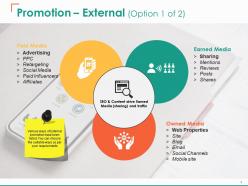
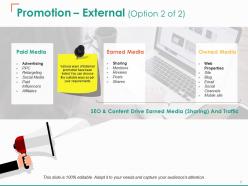
Brand promotion PowerPoint presentation slides are here to assist you with increasing awareness, create interest, generate sales or create brand loyalty everything that comes under product marketing and branding. Central graphics are included here to elaborate promotion process through a winding one stage process, covering up topics like brand strategy, marketing planning, brand rollout, website, marketing tactics, research, and discovery. Promotion, internal working can be displayed through the promotion-internal PowerPoint slide to talk on exhibition, teleconferences, direct emails, bulletin boards, booklets, pamphlets, brochures and few other matters while marketing. While promotion's external working can be seen through, earned media, owned media, and paid media and SEO & central drive earned media. Besides, elaboration can be done through brand promotion channels, race digital marketing planning framework, brand promotion expenses, and dashboard, brand tracking product awareness slides. Through gaging icons and images and bar graphs, we have covered all the essential aspects of physical, traditional and digital media. Our Brand Promotion Powerpoint Presentation Slides atrract the best and the brightest. Brilliance will come to your doorstep.
People who downloaded this PowerPoint presentation also viewed the following :
Content of this Powerpoint Presentation
Slide 1: This slide introduces Brand Promotion. State your company name and continue.
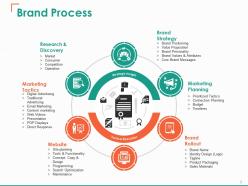
Slide 2: This slide shows Brand Process. We have stated sic of its components- Brand Strategy, Marketing Planning, Brand Rollout, Website, Marketing Tactics, Research & Discovery.
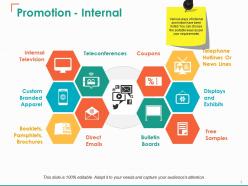
Slide 3: This slide shows Promotion - Internal. Various ways of Internal promotion have been listed. You can choose the ways which are suitable to you and use them accordingly.
Slide 4: This slide shows Promotion – External. Various ways of External promotion have been listed. You can choose the suitable ways as per your requirements.
Slide 5: This slide also shows Promotion – External which include- Paid Media, Earned Media, Owned Media.
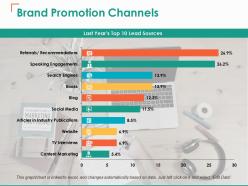
Slide 6: This slide shows Brand Promotion Channels with a graphical representation of Last Year’s Top 10 Lead Sources.
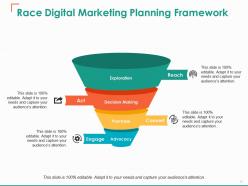
Slide 7: This slide presents Race Digital Marketing Planning Framework in a funnel form with the following levels- Exploration- Reach, Decision Making- Act, Purchase- Convert, Advocacy- Engage.
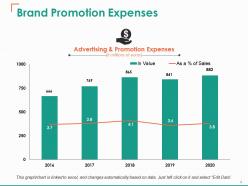
Slide 8: This slide shows Brand Promotion Expenses graphically in terms of years.
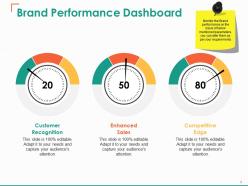
Slide 9: This slide displays Brand Performance Dashboard. Monitor the Brand performance on the basis of the mentioned parameters which you can alter as per your requirements.
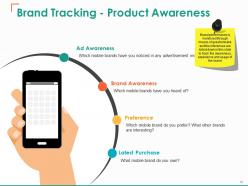
Slide 10: This slide presents Brand Tracking - Product Awareness. Brand performance is monitored by the means of a questionnaire and the inferences that are listed to track the awareness, experience and usage of the brand.
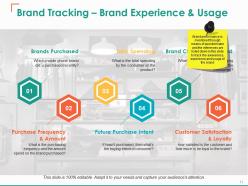
Slide 11: This slide shows Brand Tracking – Brand Experience & Usage with- Total Spending, Customer Satisfaction & Loyalty, Brand Change Likelihood, Brands Purchased, Purchase Frequency & Amount, Future Purchase Intent.
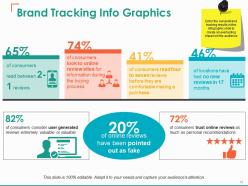
Slide 12: This slide shows Brand Tracking Info Graphics. Enter the survey/ brand tracking results in this infographic slide to create an everlasting impact on the audience.
Slide 13: This is Brand Promotion For Icon Slide. Alter the icons as per your requirement.
Slide 14: This slide is titled Coffee Break to halt and then proceed further. You may change the slide content as desired.
Slide 15: This slide displays the title Charts & Graphs. Alter as per need.
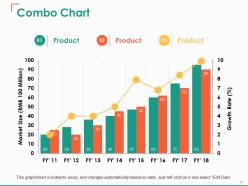
Slide 16: This is a Combo Chart slide to show information, comparison specifications etc.
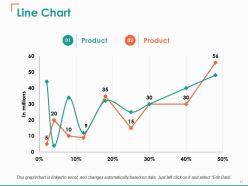
Slide 17: This slide presents a Line Chart for showcasing product/ company growth, comparison etc.
Slide 18: This slide is titled Additional Slides to move forward. You can change the slide content as per need.
Slide 19: This is Our Mission slide. Show your company mission and vision here.
Slide 20: This slide showcases Our Team with Name and Designation to fill.
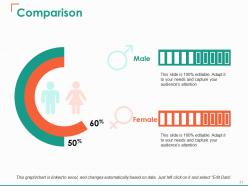
Slide 21: This is a Comparison slide. You can compare the male and female ratio in it.
Slide 22: This is an About Us slide. State company or team specifications here.
Slide 23: This is a Puzzle pieces image slide to show information, specifications etc.
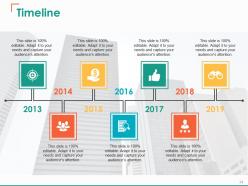
Slide 24: This is a Timeline slide to present important dates, journey, evolution, milestones etc.
Slide 25: This is a Bulb Or Idea image slide to show ideas, innovative information etc.
Slide 26: This is a Thank You image slide with Address, Email and Contact number.
Brand Promotion Powerpoint Presentation Slides with all 26 slides:
Bridge any generation gap with our Brand Promotion Powerpoint Presentation Slides. Get folks of all ages to bond.
FAQs for Brand Promotion
Honestly, start with getting your core message down first - that's the foundation everything else builds on. Social media and content marketing are obvious ones, but don't sleep on email marketing (I know, I know, sounds old school but it actually works). Partnerships can be huge if you find the right fit. Paid ads help since organic reach is pretty brutal now. The main thing though? Make sure it all feels connected and tells the same story. Way better to nail a few things than spread yourself too thin trying to be everywhere at once.
Your visual design is honestly like having a silent salesperson working 24/7. People will recognize your stuff before they even read it if you're consistent with colors, fonts, and logo placement. I always tell people to make 2-3 solid slide templates with all your brand elements already built in - saves you so much time later. Each slide should scream "this is mine" while still being clean and readable. The trick? Be super intentional about every choice. Even something as small as where you put your logo matters. Once you nail down those templates, you'll never start from a blank slide again.
Think of social media as your brand's best networking tool. You're not just shouting into the void - you're actually having conversations with people who might become customers. The targeting for ads is insane these days, and organic reach can still work if you're consistent. Here's the thing though: don't spread yourself too thin across every platform. Find 2-3 where your people actually spend time and focus there. Instagram's great for visual stuff, LinkedIn for B2B, TikTok if you're brave enough to figure it out. Two-way engagement beats broadcasting every time.
Oh man, demographics are everything when it comes to brand promotion. Gen Z lives on TikTok and wants real, authentic stuff - none of that polished corporate bs. Meanwhile your Boomer customers? They're still checking email and watching TV ads. Income totally changes your angle too. Rich folks want exclusivity and premium vibes. Everyone else cares about deals and value. Geography's another big one, especially if you're local or dealing with different cultures. I've literally watched campaigns tank because they tried the same approach for everyone. Gender even affects basic stuff like colors and tone. You gotta build personas for each group and switch up your messaging. One-size-fits-all just doesn't work anymore.
Short and catchy beats everything else. You want people remembering it after hearing it once - like "Just Do It" works because it's simple but hits hard. Under 7 words is your sweet spot. Make sure it rolls off the tongue easily when you say it out loud. Here's what I'd do: test it on people who don't know your business at all. If they can repeat it back immediately, you've got something. Even if it feels kinda cheesy at first, that's usually a good sign. The memorable ones always feel a bit over the top, but that's what makes them stick.
Honestly, user-generated content is like having customers do your marketing for free. People trust real reviews and photos from other buyers way more than your fancy ads - which makes total sense when you think about it. You can repost their stuff on Instagram, throw it in emails, or add it to your website. The trick is getting people to actually share in the first place. Run photo contests or create a catchy hashtag that people want to use. Then just amplify the good stuff they post. It's pretty much the easiest way to build trust without spending a ton.
So you'll want to look at awareness stuff first - brand surveys, social reach, website traffic. Are people actually seeing you? Then check if they're doing anything about it - engagement rates, clicks, conversions. Oh and sentiment analysis is huge because going viral for being terrible is honestly worse than being invisible. I always tell people to just pick 3-4 metrics that actually matter to your goals instead of tracking everything. Set up a simple dashboard and check monthly. Way better than drowning in random data that doesn't help you make decisions.
Dude, stories are everything in presentations. Facts just bounce off people, but a good narrative? That sticks. I learned this the hard way after boring a room to death with product specs once. People remember how you made them feel, not your bullet points. Plus stories help audiences picture themselves actually using your stuff - that's when they buy in. Complex ideas become way easier to follow too. Oh, and they'll actually retell your story to their friends later, which is free marketing. Next time, skip the feature dump and start with how you helped some customer solve their problem.
Honestly, the scariest part is negative stuff going viral - it spreads so fast. You can totally lose control of what people are saying about your brand. Algorithm changes are brutal too, like you'll be doing great then suddenly nobody sees your posts. There's just so much noise out there that your content might get completely buried. Oh and if you mess up the messaging, the backlash hits hard. Data breaches freak people out and kill trust. I'd definitely keep an eye on what people are saying about you online and have some kind of backup plan ready.
Look for businesses with your same crowd but who aren't competing with you directly. Coffee shops + bookstores work great, or gyms with nutritionists. Cross-promote on social, maybe co-host an event together, even create something joint if it makes sense. Honestly, I've seen some wild collaborations that barely cost anything but totally doubled their reach. The trick is making sure both audiences actually get value from it - not just random partnerships that don't click. Oh and definitely start with just one to see what sticks, then build from there once you've got it down.
Dude, AI personalization is everywhere right now - brands are getting scary good at it. Interactive stuff like AR filters and live shopping? That's just expected now. The companies that actually sound human instead of corporate are killing it though. Oh and community building is massive - way better to have conversations than just blast people with ads. Your employees talking about your brand hits different than official posts too, people trust that more. I'd pick one thing and just start messing around with it. Polls are super easy if you want something quick to try.
Dude, interactive stuff works because people actually DO things instead of zoning out. You know how your brain checks out during boring presentations? When someone has to click on polls or answer questions, they're forced to think about your brand. Their brain processes it differently than just staring at slides. Short bursts of engagement make everything stickier in memory. Honestly, I think people are just bored of regular presentations at this point. The interactive elements feel fresh compared to death-by-PowerPoint. Next time you're presenting, throw in some live polls or Q&A moments. Watch how much more people pay attention - it's pretty obvious when it happens.
Honestly, influencer marketing is pretty powerful for getting your brand out there. People trust influencers way more than regular ads - like, when someone I follow recommends something, I actually listen. The content feels real instead of salesy too. You can find creators in super specific niches that match your brand perfectly. ROI is usually decent, especially with smaller influencers who have crazy engaged followers. Oh, and micro-influencers are way cheaper than celebrities obviously. I'd test a few smaller partnerships first rather than blowing your budget on one big name - you'll figure out what actually moves the needle for your audience that way.
Oh totally, you've gotta mine customer feedback for your messaging. Like, collect reviews and social comments, then steal the exact words they use to describe what you do well - that language is pure marketing gold. Honestly, your customers know your value better than you do sometimes. Turn the good stuff into testimonials, but also tackle complaints head-on publicly so people see you actually care. Don't make it a one-and-done thing though. Keep that feedback loop going constantly, and you'll stay way more connected to what actually resonates.
Honestly, look at Nike's "Just Do It" - they made it way bigger than sneakers by telling real athlete stories. Red Bull? They basically became a media company focused on extreme sports instead of just pushing energy drinks. Smart as hell. Dove did something similar with "Real Beauty," using actual diverse women instead of perfect models, which got everyone talking. Then there's Old Spice - those completely ridiculous ads that somehow worked on way more people than expected. The thing is, you can't just focus on your product. You've got to connect with what people actually give a damn about emotionally.
-
Helpful product design for delivering presentation.
-
Understandable and informative presentation.