

Career Roadmap Powerpoint Presentation Slides




Try Before you Buy Download Free Sample Product
 Impress Your
 Audience
 100%
100% Editable
 Save Hours
 of Time


Highlighting your professional career in high quality through our, career roadmap PowerPoint presentation slides. Providing you a set of 18 PPT slides for a complete analysis on career linear process through a career linear process. These profound PowerPoint template will satisfy your every need. Give an overview of your long-term goals and personal targets. Complete the tasks on time and highlight your time-based positioning. We have enclosed all kinds of related topics subtopics templates, charts and graphs, overviews, analysis layouts. Explain all the important aspects without any trouble. This PPT design will assign you to get a better overview of yourself, carefully interpreting the market scenario and allow the need of a newly built firm. Just go ahead with our career roadmap PowerPoint presentation templates, click the download switch and let these PPT slide take responsibility of your disputes Correct biased coverage with our Career Roadmap Powerpoint Presentation Slides. Insist on journalists accepting facts.
People who downloaded this PowerPoint presentation also viewed the following :
Content of this Powerpoint Presentation
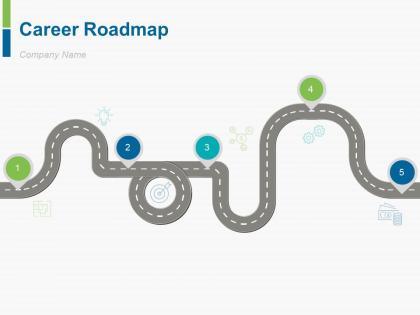
Slide 1: This slide introduces Career Roadmap. State your Company Name and begin.
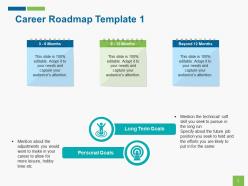
Slide 2: This slide showcases Career Roadmap Template 1.
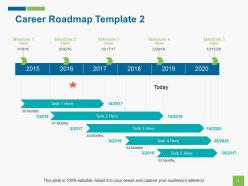
Slide 3: This slide presents Career Roadmap Template 2.
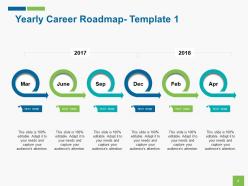
Slide 4: This slide shows Yearly Career Roadmap- Template 1.
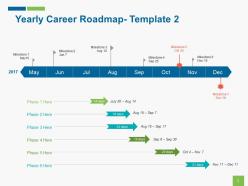
Slide 5: This slide presents Yearly Career Roadmap- Template 2.
Slide 6: This slide is titled Additional Slides.
Slide 7: This is a Vision, Mission and Goals slide. State them here.
Slide 8: This is an About Us slide showing Our Company, Value Client, and Premium services as examples.
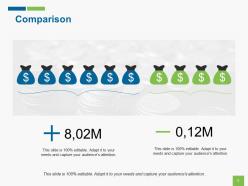
Slide 9: This slide shows Comparison of Positive Factors v/s Negative Factors with thumbsup and thumb down imagery.
Slide 10: This slide displays Our Target with a background image.
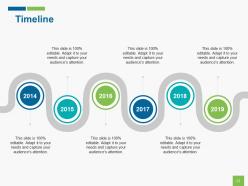
Slide 11: This is a Timelines slide to show- Plan, Budget, Schedule, Review.
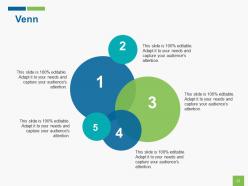
Slide 12: This slide displays a Venn diagram image.
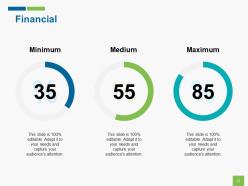
Slide 13: This slide displays Financial Projections And Key Metrics for customers and employees.
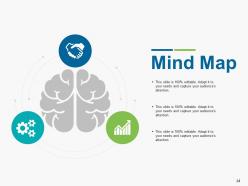
Slide 14: This slide presents a Mind map with text boxes.
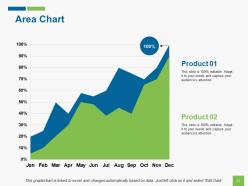
Slide 15: This is an Area Chart slide for product/entity comparison.
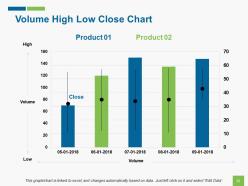
Slide 16: This slide displays a Stock Chart with volume as parameter in terms of high and low, open and close.
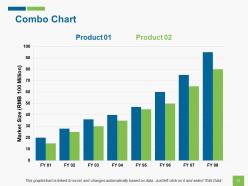
Slide 17: This slide showcases Combo Chart.
Slide 18: This is a Thank You image slide with Address, Email and Contact number.
Career Roadmap Powerpoint Presentation Slides with all 18 slides:
Our Career Roadmap Powerpoint Presentation Slides are veritable cash cards. Your thoughts will be rewarded on the spot.


FAQs for Career Roadmap
Honestly, you've gotta get real with yourself first - what are you actually good at and what do you genuinely like doing? Not what sounds impressive on paper. Figure out where you want to be in the next couple years, then map out what's missing. Skills, connections, whatever. The soul-searching part sucks but it's crucial. Break everything down into actual steps you can take. Get that certification, learn this software, meet those people. I'd write it all down somewhere you'll see it - not buried in some random notebook. Check back every few months because things change and honestly, your priorities might shift too.
Honestly, just write down everything you're actually good at - not the BS resume stuff, but real skills. Ask people you trust what they think your strengths are (we're terrible at seeing our own). Those StrengthsFinder tests can help, though your gut probably knows most of it already. Look back at your biggest wins and notice which skills kept popping up. Here's the thing - also pay attention to what pumps you up versus what makes you want to hide under your desk. You'll burn out fast if you're constantly fighting your natural tendencies. I update my list every few months since things change.
Dude, networking is actually game-changing for your career. Opens doors you never saw coming and gives you the real scoop on what's happening in your industry. I used to think it was all fake schmoozing at boring events, but it's more about building actual relationships over time. The people you meet? They become mentors, collaborators, maybe even your future boss. Your network helps when you need to pivot or validates that career move you're considering. Plus they often know about jobs before they hit LinkedIn - which honestly is half the battle these days. Start small though. Reach out to just one person this week.
Think about where you want to be in 5-10 years, then reverse-engineer the steps. Be super specific too - like "senior product manager at a tech company" instead of just "get promoted." Short-term should be 6 months to 2 years out. Yeah, the SMART goals thing is kinda cheesy but it actually works. Write everything down somewhere you'll see it regularly - I use my notes app but whatever works for you. The biggest thing is reviewing quarterly because honestly, stuff changes and new opportunities come up all the time.
Honestly, the worst thing you can do is stick too rigidly to some master plan. Careers are messy and unpredictable. Focus on skills that'll actually transfer between jobs instead of just chasing fancy titles or bigger paychecks. I used to be terrible at networking consistently - only reached out when I desperately needed something (awkward). Don't do that. Also, jumping ship every time work gets tough? Bad move. You'll miss out on growth. Same goes for staying in your comfort zone forever though. Check in with your goals every few months and stay curious about sideways opportunities. Those random adjacent roles sometimes end up being game-changers.
Honestly, mentors are game-changers for figuring out your career. They've been there and can spot the landmines you'd totally walk into blind. Like, they'll tell you which skills actually matter vs the ones that sound impressive but go nowhere. Having their network is huge too - suddenly doors open that you never knew existed. I learned this the hard way after spending way too long figuring stuff out solo. The trick is finding someone who's actually where you want to be career-wise, not just your mom's friend who means well.
Okay so there's actually a bunch of good stuff for this. I'd start with something like StrengthsFinder or Myers-Briggs to figure out what you're naturally good at. LinkedIn Learning has these skill gap things that are pretty helpful too. Mind Tools has career worksheets if you want something more structured, though honestly a basic spreadsheet works fine for mapping out goals and timelines. But here's the thing - I think talking to actual people doing jobs you're curious about beats any online tool. Like, way more useful than you'd expect. Pick one assessment first, see what it tells you about your strengths, then dig into specific careers from there.
Look, you've got way more transferable skills than you think - seriously, write them down first. Research what sectors are actually growing and figure out what you're missing. Could be certifications, new software, whatever. The tough part? Accepting that your industry might be changing whether you like it or not. I'd start networking with people already in your target field - they'll give you the real scoop. Side projects are huge for building experience without going all-in. Don't just leap into something totally random though. Make small moves that actually make sense for where you want to end up.
Focus on stuff that works anywhere - problem-solving, communication, basic tech skills. Don't get too specialized in one tiny niche (trust me on this one). Healthcare and cybersecurity are pretty solid right now, green energy too. But honestly? Being adaptable beats picking the "perfect" industry every time. Network early and keep learning new things - everything changes so damn fast. Oh, and figure out what 2-3 skills you've already got going for you. Then just get better at those first.
Look, you don't have to pick just one or the other - that's honestly kind of a myth. Figure out which parts of what you love could actually make money, even on the side. Map out a few different routes: the dream path, something practical but still interesting, maybe a backup plan too. Most people I know who are happy found some middle ground. Test stuff out first though - freelance projects, volunteer work, talk to people already doing it. No need to jump off a cliff blindfolded, you know? The whole point is finding something that pays decent and doesn't make you want to hide under your desk every day.
Honestly, quarterly check-ins work way better than monthly ones - that's just overkill. Throw together a basic spreadsheet tracking your milestones and deadlines. Write down your wins too, even the tiny ones, because I swear you'll completely blank on them during reviews. Monthly 1:1s with your boss are clutch for getting feedback. Don't just focus on promotions either. Track the skills you're picking up and people you're meeting. The whole thing falls apart if you don't stay consistent though. Pick whatever system won't annoy you and actually stick with it.
Honestly, you can't just set your career plan once and forget about it. Things move way too fast now - like, I've seen entire skill sets become irrelevant in just a couple years. Made that mistake myself when I got too comfortable and didn't pay attention to what was coming next. Your roadmap needs to be flexible, you know? I try to check in every few months to see what's hot in my industry. Maybe grab a new certification or learn whatever tool everyone's suddenly using. It's annoying but beats getting left behind.
Look, industry research is like having a GPS for your career - it shows you where the actual opportunities are hiding. I learned this the hard way after winging it for way too long. You'll want to dig into market trends, salary ranges, and what skills companies are actually hiring for right now. Growth sectors are key too. This stuff helps you spot emerging roles before everyone else floods in, plus you won't waste time on areas that are already dying out. LinkedIn job trends are solid, but honestly? Informational interviews give you the real inside scoop that reports miss.
Honestly, tech tools can totally change how you approach career planning. Start with LinkedIn Learning or Coursera - they're great for spotting skill gaps and seeing what's hot in your industry right now. Career mapping apps like Pathrise are solid, though I sometimes just use a basic spreadsheet to track goals. Those AI resume builders have gotten surprisingly decent lately too. Mix it up though - grab industry reports for market data, use networking apps to meet people, then actually manage your plan with project tools. Oh, and don't try using everything at once. Pick one tool first, then slowly add more as you get comfortable.
Treat your roadmap like it's meant to be changed - I review mine every few months and honestly? Pivoting isn't failure. Figure out what's shifted first (new interests, life stuff, whatever) then adjust your timeline. I used to think "staying the course" was everything but that's kinda BS. You'll still pick up useful skills even if your goal changes completely. Write down why you're switching things up so you can catch patterns later - it's actually pretty revealing. Oh and set a phone reminder or you'll definitely forget until you're already lost.
No Reviews